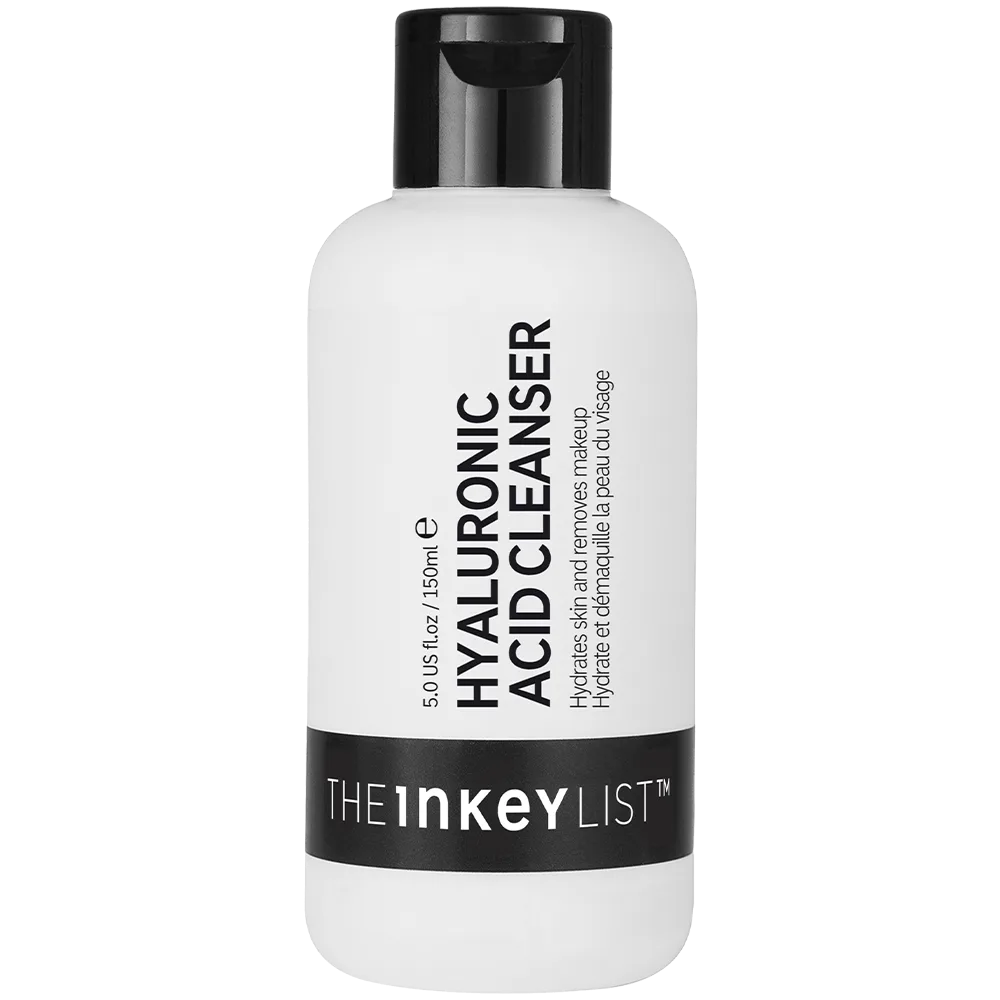
Hyaluronic Acid Cleanser
Budget Hydrating Cleanser Pick
 Verified reviewer
Pros & cons.
- +Dual-weight hyaluronic acid deposits lasting hydration even after rinsing
- +Glycerin-rich formula actively protects the moisture barrier during cleansing
- +Sulfate-free coco-glucoside surfactant causes minimal barrier disruption
- +pH 5.0 supports the skin's natural acid mantle
- +Prebiotic inulin helps maintain healthy skin microbiome during cleansing
- +Excellent value at 3 for 150ml that lasts 2-3 months
- +Fragrance-free, vegan, and Leaping Bunny cruelty-free certified
- −Cannot effectively remove waterproof makeup or heavy sunscreen alone
- −Oily skin types may find the single gentle surfactant insufficient
- −Minimal lather may feel unsatisfying to users accustomed to foaming cleansers
- −Flip-top packaging prone to occasional leaking during transit
- −Not fungal-acne-safe due to cetearyl alcohol and stearic acid
- −Results are subtle — this is competent prevention, not dramatic transformation
The full review.
Cleansing is a paradox: the step meant to prepare skin for hydration often removes it. Even gentle surfactants pull lipids from the stratum corneum, and rinse water carries away natural moisturizing factors. By the time you use a hyaluronic acid serum, your skin is already playing catch-up. The INKEY List designed this cleanser to solve this by depositing hydration during the wash.
The formula uses a one percent dual-molecular-weight hyaluronic acid complex. Standard sodium hyaluronate binds moisture to the surface during the massage. Hydrolyzed sodium hyaluronate uses smaller, fragmented molecules that penetrate the upper epidermis while the cleanser is on the skin. When you rinse, most of the product washes away, but the deposited hyaluronic acid fragments remain to pull moisture into the skin.
Glycerin is the second ingredient, making it the primary hydrating workhorse by concentration. In a cleanser, glycerin competes with surfactants for the skin’s surface, blocking some lipid-stripping during cleansing. This removes less of your natural moisture barrier. Betaine, a sugar beet-derived osmolyte, adds a third layer of moisture protection to help skin cells retain water after surfactant exposure.
The surfactant is coco-glucoside, an alkyl polyglucoside. Research shows this plant-derived surfactant class causes less transepidermal water loss and barrier disruption than sulfates. It does not produce the foamy lather most people associate with cleanliness. If you equate foam with clean, this cleanser may feel insufficient. It is not. The lack of foam is a feature.
Prebiotic inulin is an unusual addition that affects the skin’s microbiome. Research in Frontiers in Medicine in 2023 showed that inulin in cleansers reduced pathogenic bacteria and supported beneficial commensals. At this trace concentration, the effect is modest, but it shows The INKEY List considered the microbial ecosystem, not just visible skin.
Texture
The gel-cream texture is pleasant but unremarkable for daily use. It spreads easily on damp skin, produces a small amount of lather, and rinses clean without residue. The post-rinse sensation is the product’s best advertisement: skin feels clean but not tight, soft but not oily, and hydrated but not slippery. If you use sulfate cleansers, it takes a day or two to adjust to this feeling.
Scent
The pH of five point zero matches the skin’s natural acid mantle. Alkaline cleansers raise the skin’s pH, disrupting enzyme activity and barrier function. This formula cleans without that disruption, which matters for long-term skin health.
Best for
The limitations are predictable. This is a gentle hydrating cleanser, not a makeup remover. Waterproof mascara, heavy foundation, and resilient sunscreens stay largely intact. Use it as a second cleanse in a double-cleansing routine, or as a standalone morning wash to remove overnight sebum and residue. It will not remove a full face of makeup.
Not ideal for
Oily skin types may find the cleansing power insufficient. The single mild surfactant does not cut through heavy sebum like sulfate-based or salicylic acid cleansers. If you need to control oil, this is not your product. It is built for people losing too much moisture, not for those removing excess.
Packaging
The packaging is functional. The white tube holds 150 ml, and the flip-top cap works, though some users report leaking in transit. The minimalist INKEY List design is clean.
Common Praise
At thirteen dollars for five ounces that last two to three months, the value is excellent. This cleanser will not go viral on TikTok or win awards. It does the foundational work of keeping skin hydrated during the step most likely to dehydrate it. For dry, sensitive, and barrier-compromised skin, this competence matters more than trending ingredients.
Ingredient analysis.
Full INCI list · pH 5
Water (Aqua/Eau), Glycerin, Coco-Glucoside, Betaine, Cetearyl Alcohol, Stearic Acid, Phenoxyethanol, Benzyl Alcohol, Xanthan Gum, Acrylates/C10-30 Alkyl Acrylate Crosspolymer, Inulin, Ethylhexylglycerin, Sodium Hydroxide, Dehydroacetic Acid, Polyquaternium-10, Trisodium Ethylenediamine Disuccinate, Hydrolyzed Sodium Hyaluronate, Sodium Hyaluronate, Lecithin
Skin match.
The science.
The Science
A 2023 review in the Journal of Cosmetic Dermatology supports using dual-molecular-weight hyaluronic acid in wash-off products. Low molecular weight (hydrolyzed) hyaluronic acid permeates the stratum corneum for deeper hydration, while standard molecular weight HA binds moisture to the surface. The formula uses both forms to maximize the hydrating residue left after rinsing.
Research in the Journal of Clinical and Aesthetic Dermatology (2014) backs the coco-glucoside surfactant base. Glucoside-based surfactants cause lower irritation and less transepidermal water loss than sulfate surfactants. Adding barrier-supporting ingredients like glycerin and betaine minimizes cleansing-induced disruption even more.
The prebiotic inulin component uses emerging microbiome research. A 2023 multi-omic study in Frontiers in Medicine found that a cleanser with inulin as a prebiotic reduced opportunistic skin pathogens and increased beneficial commensal bacteria over six weeks. A 2024 study in the Journal of Drugs in Dermatology confirmed that prebiotic cleansing regimens improved barrier function and skin condition in patients with mild atopic dermatitis.
References
- Benefits of topical hyaluronic acid for skin quality and signs of skin aging: From literature review to clinical evidence — Journal of Cosmetic Dermatology (2023)
- Hydrophobically modified polymers can minimize skin irritation potential caused by surfactant-based cleansers — Journal of Clinical and Aesthetic Dermatology (2014)
- Multi-omic approach to decipher the impact of skincare products with pre/postbiotics on skin microbiome and metabolome — Frontiers in Medicine (2023)
Dermatologist Perspective
Board-certified dermatologists advocate for gentle, pH-balanced cleansers for patients with dry, sensitive, or barrier-compromised skin. The sulfate-free formulation and pH 5.0 of this cleanser follow dermatological guidance to maintain the acid mantle and minimize cleansing-induced barrier disruption. Dermatologists note that although hyaluronic acid in a rinse-off product has limited contact time, the combination of HA, glycerin, and betaine creates a multi-humectant system that reduces post-wash transepidermal water loss. Dermatologists frequently recommend this type of gentle, hydrating cleanser for patients with compromised barriers or those prone to over-cleansing as part of a barrier-repair regimen.
Where it fits in your routine.
Apply a nickel-sized amount to damp skin. Massage in circular motions for 30-60 seconds. Rinse with lukewarm water. Use morning and evening. In the evening, use an oil-based cleanser first to remove makeup and sunscreen — this cleanser works best as the second step in a double-cleanse routine. Pat dry and apply toner and serums immediately to maximize hydration.
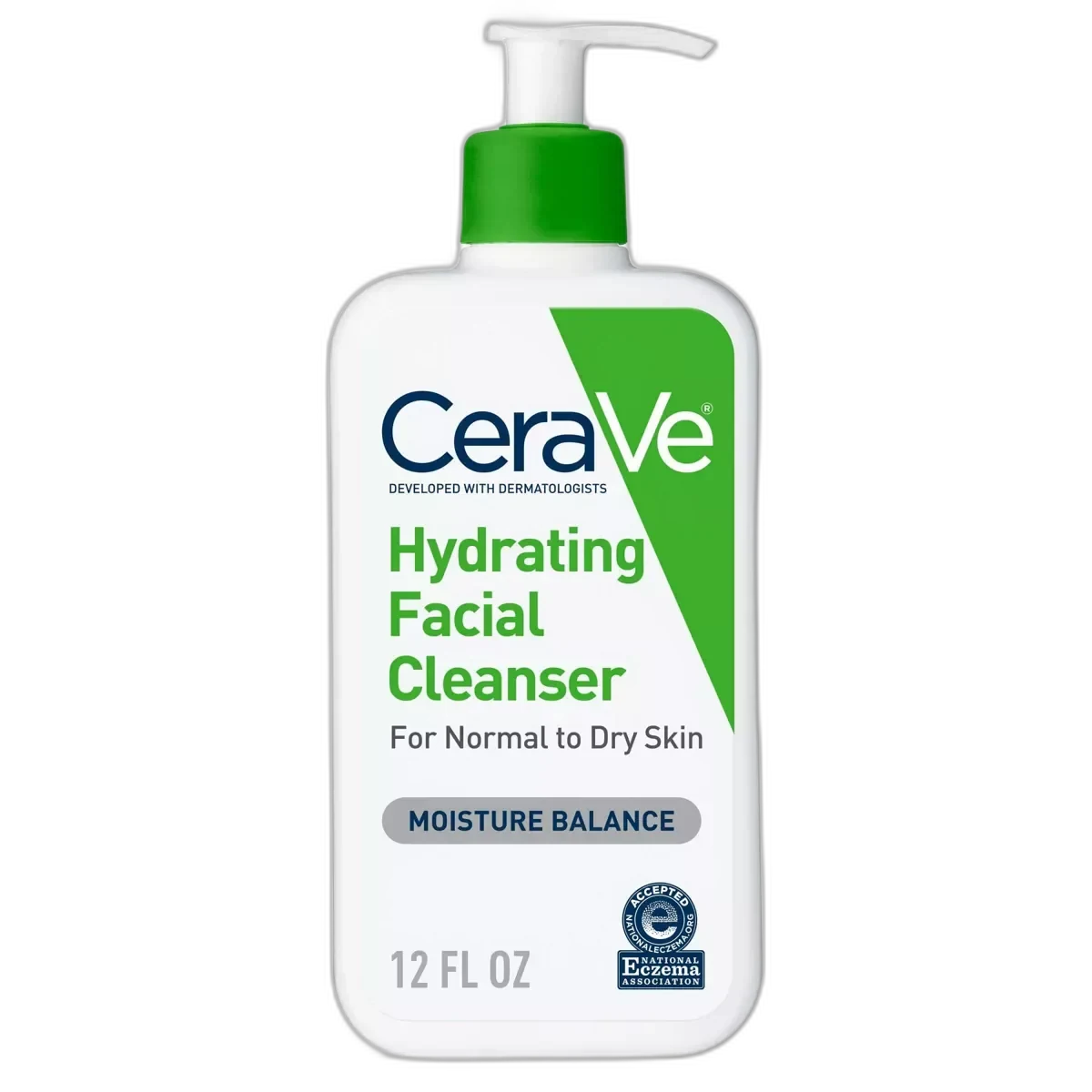
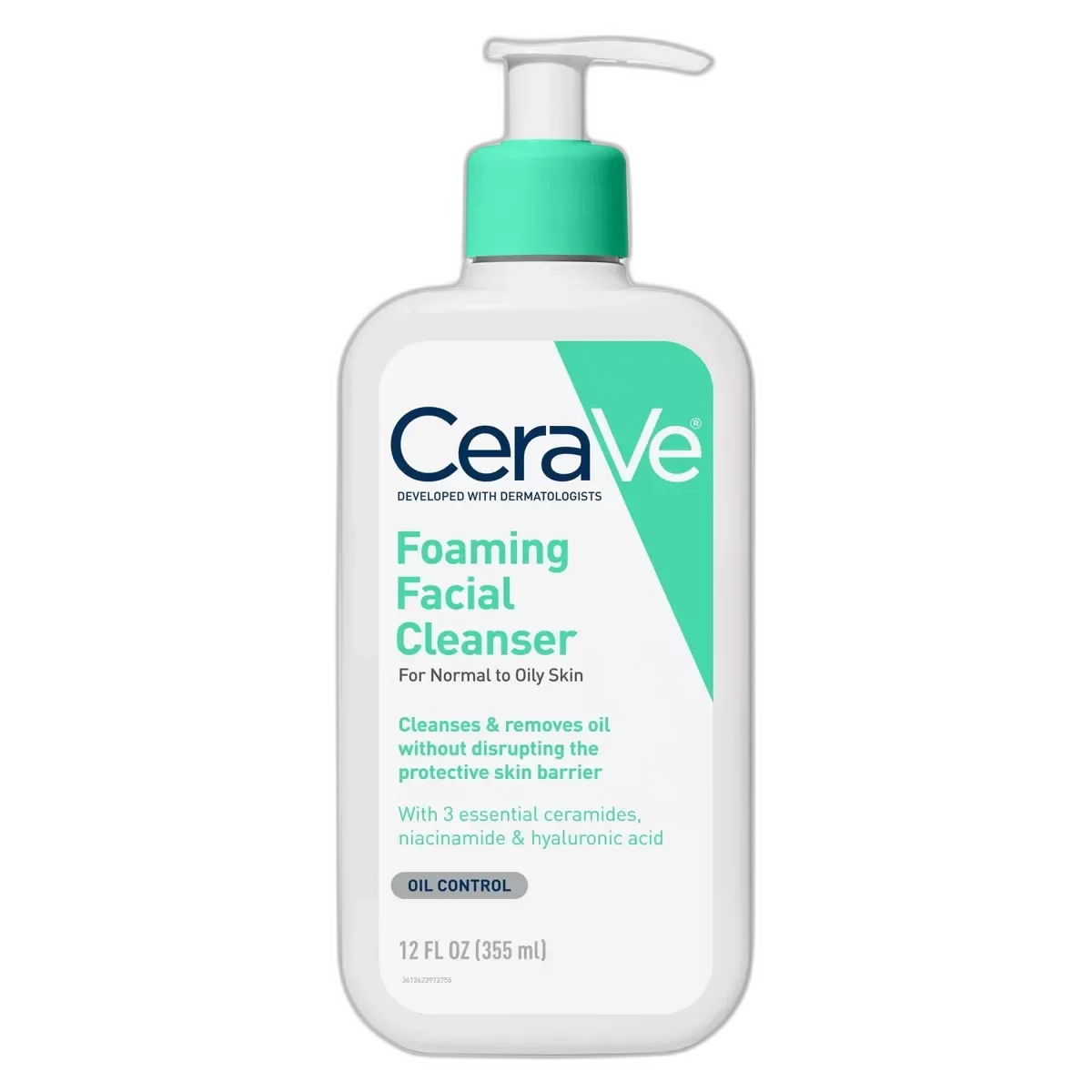
At 3 for 150 ml, this is one of the most affordable hydrating cleansers available — roughly /bin/bash.09 per ml, versus /bin/bash.15-0.40 per ml for similar CeraVe and Cetaphil options. Only one size exists, making purchasing simple. The INKEY List's growth since 2018 and Sephora distribution add credibility at this price. The dual-weight hyaluronic acid and prebiotic inulin show more formulation thought than typical products at this price. It offers excellent value for daily hydrating cleansing.
This works for dry, dehydrated, or sensitive skin that reacts to stripping cleansers. It works well as a morning wash, a second cleanse in a double-cleansing routine, or for skin recovering from barrier damage or post-procedure sensitivity. Budget-conscious buyers get a hydrating cleanser without premium prices.
Skip this if you have oily skin and need thorough sebum removal, or if you want one cleanser for heavy makeup and waterproof sunscreen. Those with fungal acne should avoid the cetearyl alcohol and stearic acid. If you prefer a thick, foamy lather, the minimal lather here may feel inadequate.
Product details.
This lightweight gel-cream makes a soft, minimal lather when mixed with water. It is slightly viscous and jelly-like straight from the tube. It spreads easily on damp skin using little product.
Fragrance-free. It has no detectable scent besides a faint, neutral product base. It contains no added parfum or essential oils.
White plastic squeeze tube (150 ml) with a flip-top cap uses The INKEY List's minimalist black-and-white design. The recyclable plastic flip-top can leak during transit or storage.
The gel-cream texture feels gentle and hydrating on first use. It creates a light, soft lather, unlike the foamy richness of sulfate cleansers. After rinsing, skin feels clean but not tight; hyaluronic acid and glycerin leave a noticeable hydrated feeling. No adjustment period is needed.
2-3 months with twice-daily facial use
12 months
All Year
The backstory.
Launched in 2022 as part of The INKEY List's cleanser lineup, this product addressed the common complaint that most affordable cleansers — even gentle ones — leave skin feeling stripped. By building the formula around hyaluronic acid and glycerin with a single gentle surfactant, The INKEY List created a wash that deposits hydration while removing impurities, turning the cleansing step from a subtraction into an addition.
About The INKEY List
Emerging Brand (2–5 years)The INKEY List launched in 2018 to provide affordable, ingredient-transparent skincare. The brand has Leaping Bunny certification and sells at Sephora and Ulta. It lacks the dermatologist-developed heritage of legacy brands, but its formulations use well-studied ingredients at reasonable concentrations.
Common myths.
A cleanser needs to foam richly to clean effectively
Surfactants produce foam, not cleansing efficacy. Coco-glucoside, the surfactant in this formula, creates minimal lather but removes dirt, oil, and light makeup effectively. Heavy foam often signals harsh sulfates that strip the barrier — less lather can mean less damage.
Hyaluronic acid in a cleanser is pointless because it rinses off
The hydrolyzed sodium hyaluronate in this formula has a low molecular weight. This allows it to deposit into the skin's upper layers during the cleansing massage. While some HA washes away, the residual humectant effect — with glycerin and betaine — reduces post-wash transepidermal water loss more than standard cleansers.
FAQ.
Can The INKEY List Hyaluronic Acid Cleanser remove makeup?
It removes light makeup and daily impurities, but it does not remove heavy or waterproof makeup. For best results, use it as the second step in a double-cleanse routine — start with an oil-based cleanser to dissolve makeup and sunscreen, then follow with this hydrating cleanser.
Is this cleanser good for oily skin?
Oily skin types may find this cleanser too gentle. The single mild surfactant (coco-glucoside) does not remove excess sebum deeply. It works better for dry, normal, sensitive, and combination skin. If you have oily skin, use it as a morning cleanser for light cleansing.
Does the hyaluronic acid actually do anything in a wash-off product?
Yes — this formula uses two molecular weights of hyaluronic acid. The hydrolyzed form has molecules small enough to enter the upper skin layers during the cleansing massage. Most of the product rinses away, but the residual humectant effect reduces post-wash dryness and tightness.
What is the pH of The INKEY List Hyaluronic Acid Cleanser?
pH 5.0 matches the skin's natural pH of 4.5-5.5. This slightly acidic formulation supports the acid mantle and barrier function. Alkaline cleansers (pH 9-10) disrupt the skin's protective layer.
Is this cleanser safe during pregnancy?
Yes — the ingredient list lacks retinoids, salicylic acid, or other pregnancy-concerning actives. All ingredients are safe for pregnancy and breastfeeding.
What does inulin do in a cleanser?
Inulin is a prebiotic from chicory root that selectively feeds beneficial skin bacteria. Cleansing disrupts the skin's microbiome balance; the inulin in this formula helps maintain healthy microbial populations while washing away impurities.
Community
What the community says.
"Leaves skin feeling hydrated and soft without any tightness or stripping"
"Gentle enough for daily use on sensitive and dry skin types"
"Excellent value at 3 for 150ml of hydrating cleanser"
"Fragrance-free and sulfate-free with a simple ingredient list"
"Works beautifully as a second cleanse in a double-cleansing routine"
"pH 5.0 supports the skin's natural acid mantle"
"Struggles to remove waterproof makeup and heavy sunscreen on its own"
"Gel-cream texture described as unappealing by some users"
"Not cleansing enough for oily skin types as a standalone wash"
"Flip-top tube packaging can be difficult to dispense and prone to leaking"
"Some users with dry skin paradoxically found it slightly drying"
"Does not produce the rich lather some users expect from a cleanser"
People also looked at.