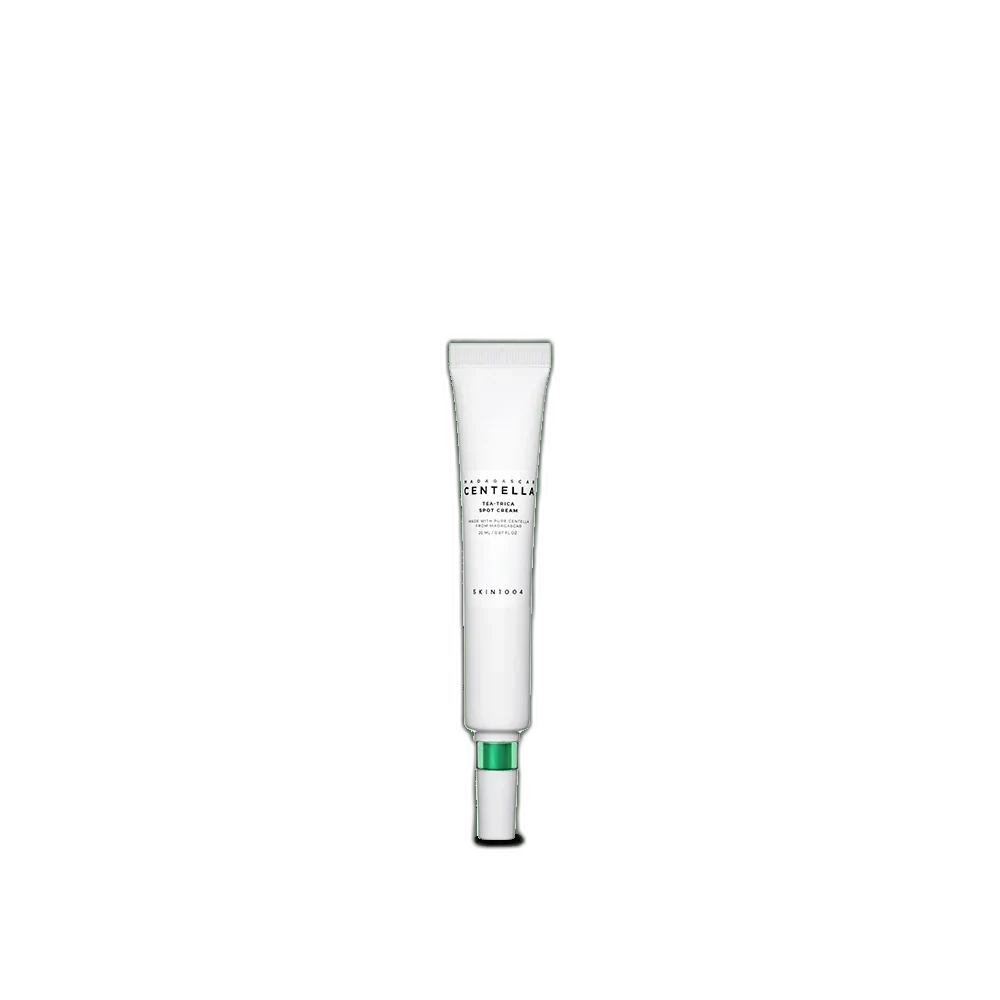
Tea-Trica Spot Cream
Multi-Active Spot Treatment
 Verified reviewer
Pros & cons.
- +Multi-mechanism formula with four complementary acne actives
- +Sulfur inclusion is unusual and genuinely useful for spot treatment
- +Full centella triterpene panel buffers the aggressive stack
- +Spot format allows higher active concentrations safely
- +Long lifespan from the small-application-area design
- +Fair value compared to Western multi-active spot treatments
- −Not for sensitive or rosacea-prone skin
- −Not pregnancy safe
- −Slight whitish cast from zinc oxide
- −Faint sulfur scent noticeable up close
- −Ineffective on cystic or deep pimples — surface only
The full review.
Sulfur was once a staple in acne skincare. For most of the twentieth century, pharmacy acne products used it as a core ingredient because it is cheap, well-studied, and effective at reducing bacteria and flattening pustules. It disappeared from modern formulations over the last two decades, partly due to its rotten-egg scent and the shift toward benzoyl peroxide, retinoids, and salicylic acid. The evidence for sulfur remains unchanged. It still works, has a century of clinical history for antimicrobial and keratolytic action, and pairs well with other acne actives. It is simply unfashionable. SKIN1004 bringing it back in the Tea-Trica Spot Cream is unexpected, as K-beauty brands rarely use old-school Western pharmacy actives, making it one of the most interesting formulation choices in the Tea-Trica line.
Spot treatments follow different logic than daily moisturizers. Because you apply them to one or two pimples, you can use much higher concentrations of aggressive actives than is safe for full-face use. This is the design space SKIN1004 uses here. Tea tree appears in three forms—leaf water, extract, and essential oil—with the oil at a higher concentration than in the B5 Cream or the ampoule. Published evidence shows tea tree has strong antimicrobial activity against Cutibacterium acnes. At the higher localized concentrations a spot treatment tolerates, the antimicrobial action matches low-dose benzoyl peroxide in relevant clinical trials, though it works slower.
Salicylic acid sits higher on the INCI of this cream than in the toner or daily moisturizer, suggesting a higher dose. This is fine for a spot treatment; you are not exposing most of your face to the BHA, and direct contact with the comedone is how salicylic acid works on pore contents. Sulfur and zinc oxide provide anti-bacterial and astringent effects. Zinc oxide adds mild sun-protection and a slight white cast that helps with visual concealment. Sulfur performs the drying, anti-microbial work that turns an angry red pustule into a flatter, less inflamed bump overnight. The four actives hit different targets in one session—bacterial action, keratolytic exfoliation, drying, and astringent effect—offering a broader mechanism profile than most single-active spot treatments.
Then there is the centella layer. All four triterpenes appear on the INCI, matching the pattern SKIN1004 uses across the Tea-Trica line. In an aggressive spot treatment, the centella does more than improve texture. Stacking tea tree oil, salicylic acid, and sulfur without anti-inflammatory buffering reliably turns a pimple into a post-inflammatory mark that lasts six weeks after the breakout resolves. The published anti-inflammatory activity of the centella triterpenes prevents this spot cream from creating a worse result than it fixes.
The texture is a lightweight cream with a faint grainy feel from the sulfur and zinc. It applies with a slight white cast that can show on darker skin tones; this is unavoidable with zinc oxide at this level. The scent is mostly neutral, though you can smell a faint sulfur note up close. On an active pimple, the sulfur and BHA usually cause a mild tingle that fades within a minute or two. By the next morning, most whiteheads and shallow pustules look visibly flatter and less red. Deeper or cystic pimples respond much less; this cream targets surface-level active breakouts, not inflammation two millimeters below the skin.
Limitations: this is not for sensitive skin, even as a spot product. The combination of tea tree oil, salicylic acid, and sulfur is too aggressive for reactive skin, and eczema-prone users should avoid it. It is not pregnancy-safe due to the BHA and tea tree content. It is not strictly fungal acne safe because of the triglyceride and fatty alcohol content, though the tea tree and sulfur actives often help with malassezia. The white cast from the zinc oxide can be visible, especially on deeper skin tones. Because the formula is for spot application, using it over large areas of the face will cause more irritation than benefit.
At around $14 for 15ml, the value is good. Spot treatments last a long time because the application area is small; 15ml lasts most users six months to a year of regular use. Comparable multi-active spot treatments from Western brands (Mario Badescu Drying Lotion is the closest competitor) have similar prices but narrower ingredient lists. For oily or combination skin with active whiteheads and pustules, this is a thoughtful spot treatment. The sulfur alone makes it worth considering if you are tired of tea-tree-only K-beauty spot products.
Ingredient analysis.
Full INCI list · pH 4.5
Melaleuca Alternifolia (Tea Tree) Leaf Water, Centella Asiatica Leaf Water, Propanediol, Niacinamide, Glycerin, 1,2-Hexanediol, Salicylic Acid, Melaleuca Alternifolia (Tea Tree) Leaf Oil, Melaleuca Alternifolia (Tea Tree) Leaf Extract, Caprylic/Capric Triglyceride, Centella Asiatica Extract, Madecassoside, Asiaticoside, Asiatic Acid, Madecassic Acid, Sulfur, Zinc Oxide, Panthenol, Allantoin, Sodium Hyaluronate, Houttuynia Cordata Extract, Cetearyl Alcohol, Glyceryl Stearate, Xanthan Gum, Arginine, Tromethamine, Carbomer, Ethylhexylglycerin, Disodium EDTA
Skin match.
The science.
The Science
This spot cream uses four well-studied acne categories. Tea tree oil has clinical evidence for antimicrobial activity against Cutibacterium acnes; published trials show it works for mild-to-moderate inflammatory acne. Salicylic acid has decades of research supporting its comedolytic activity, especially when in direct contact with comedones. Sulfur is one of the oldest topical acne treatments in use. Research spanning more than a century supports its antimicrobial and keratolytic effects at concentrations between 2-10% — it stays listed as an active ingredient in FDA over-the-counter acne drug monographs. Zinc oxide provides mild antimicrobial and astringent activity with documented benefits in acne formulations. The centella triterpene panel — madecassoside, asiaticoside, asiatic acid, and madecassic acid — adds anti-inflammatory activity to reduce post-inflammatory hyperpigmentation risk from aggressive acne treatment. The formulation stacks multiple low-to-moderate concentration actives instead of one high-concentration active. This approach maximizes efficacy and spreads the irritation burden across multiple mechanisms.
Dermatologist Perspective
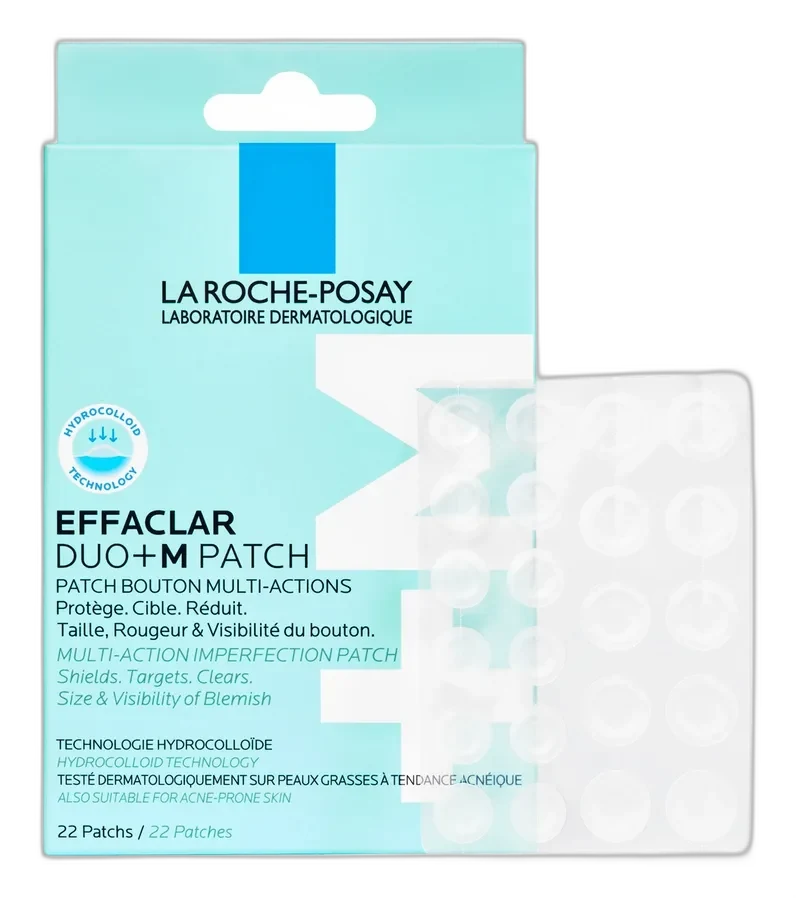
Dermatologists still prescribe sulfur-containing formulations for mild-to-moderate inflammatory acne, especially for patients who cannot tolerate benzoyl peroxide. Board-certified dermatologists note that sulfur is a legitimate acne active with historical and ongoing clinical support, even if mass-market products no longer favor it. Dermatologists commonly suggest multi-mechanism spot treatments combining sulfur with salicylic acid and plant antimicrobials for patients seeking non-prescription options for active breakouts. Patients with sensitive skin, rosacea, or eczema usually use gentler spot treatments or plain hydrocolloid patches.
Where it fits in your routine.
Apply a small dab directly on active pimples after moisturizer. Do not spread it over large areas; this spot product over-dries if used all-over. Use twice daily or as needed on active breakouts. For overnight treatment, apply after your full routine and leave it on. In the morning, apply sunscreen over any spots where the cream has been applied. Do not use on broken or severely inflamed skin.
At about $14 for 15ml, this spot cream offers high value. Western multi-active spot treatments like Mario Badescu Drying Lotion cost $17-20 for similar sizes but have fewer ingredients. The small tube lasts a long time because spot treatment application uses little product — most users get 6-12 months from one tube. The per-use cost is low, so it fits easily into an acne-focused routine.
Oily, combination, or normal skin with occasional active whiteheads, pustules, or surfaced breakouts can use this multi-mechanism spot treatment. It also complements the rest of the Tea-Trica routine for users already using the line.
Sensitive, rosacea-prone, or eczema-prone skin. Anyone pregnant. This cream does little for cystic or deep acne; see a dermatologist for prescription treatment instead.
Product details.
Lightweight cream with a slight grainy feel from sulfur and zinc
Faint tea tree and mild sulfur note
Small plastic squeeze tube
Apply a small dab. Slight tingle is normal on active spots. Visible flattening usually within 12 hours of overnight use.
6-12 months depending on frequency — it's a spot treatment, so a little goes a long way
12 months
All Year
The backstory.
The Tea-Trica Spot Cream finishes the Tea-Trica line as the point-treatment companion to the toner, ampoule, and moisturizer. SKIN1004 used the spot format to carry actives at concentrations that would be too aggressive for full-face application — sulfur in particular is almost never used in daily-use Korean products but is well suited to localized treatment.
About SKIN1004
Emerging Brand (2–5 years)SKIN1004 launched in 2016 using Madagascar centella. The Tea-Trica Spot Cream is the brand's point-treatment product; it uses a higher concentration of the Tea-Trica active stack to target active breakouts.
Common myths.
Sulfur is an outdated acne treatment with no real evidence
Sulfur has treated acne for over a century. Published research shows its antimicrobial and keratolytic action at 2-10% concentrations. It lost popularity due to its scent rather than its effectiveness, and it remains a useful active for spot treatment.
FAQ.
How is this different from the Tea-Trica B5 Cream?
The B5 Cream is a daily moisturizer for the whole face with a lower active load. The Spot Cream is a point treatment that has higher concentrations of tea tree, salicylic acid, and sulfur. Apply the B5 Cream to the face and use the Spot Cream on active pimples.
***
Is the Tea-Trica Spot Cream pregnancy safe?
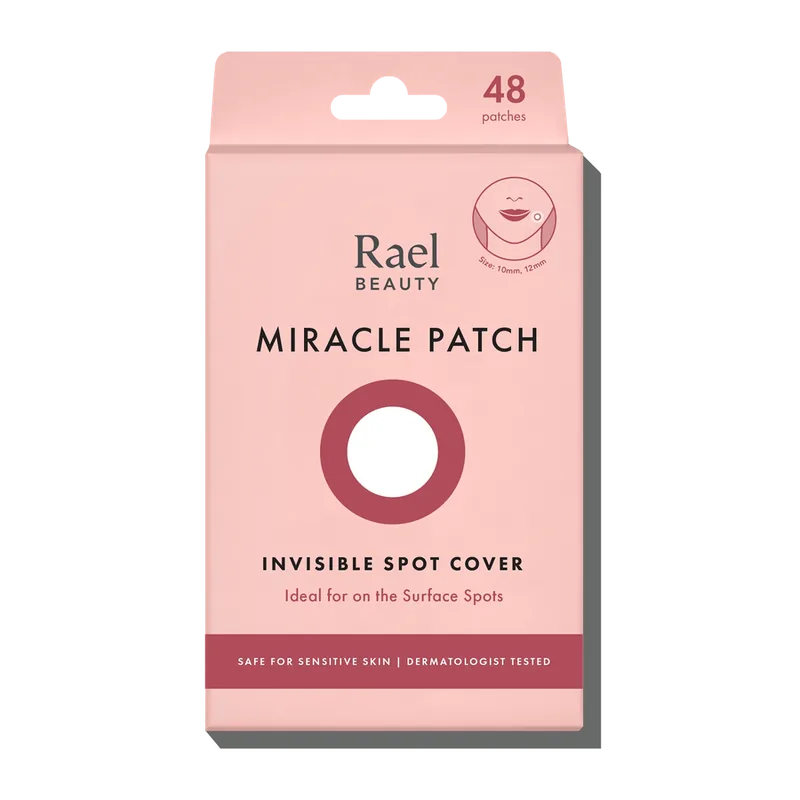
No — it has salicylic acid and tea tree oil. Spot application limits total exposure, but most dermatologists recommend avoiding these during pregnancy. Use a plain hydrocolloid patch instead.
Can I use it with retinol or benzoyl peroxide?
Yes, but apply the spot cream after your treatment products absorb. Do not layer it on wet benzoyl peroxide or retinol; wait a few minutes so the products do not interact on skin. Also, avoid skin that is raw from overuse of other actives.
***
Does sulfur really work on acne?
Yes — sulfur has treated topical acne for over a century. Published research shows its antimicrobial and keratolytic activity. It is less popular now due to its faint scent, but sulfur is a useful active, especially in spot format.
Is it fungal acne safe?
Not strictly. It has caprylic/capric triglyceride and cetearyl alcohol, which some fungal acne routines exclude. The tea tree and sulfur actives often help against malassezia, so the answer depends on your specific tolerance.
***
Community
What the community says.
"Shrinks active pimples overnight"
"Less drying than benzoyl peroxide spot treatments"
"Small tube is practical"
"Faint sulfur scent noticeable up close"
"Not for sensitive skin even as a spot product"
"Slight whitish cast can be visible"