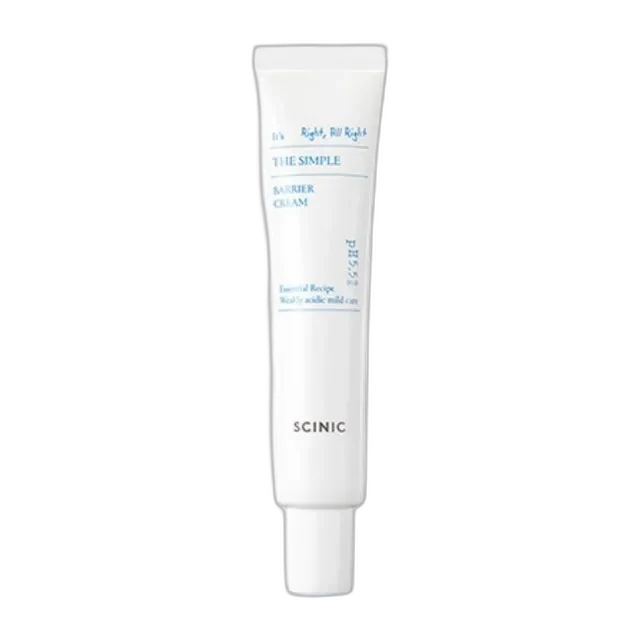
The Simple Barrier Cream
Sensitive-Skin MVP
 Verified reviewer
Pros & cons.
- +Minimalist 17-ingredient formula genuinely built for reactive skin
- +pH-balanced at 5.5, within the healthy-skin range
- +Fragrance-free, alcohol-free, and essential-oil-free
- +Madecassoside calms visible redness within days
- +Satin non-greasy finish layers cleanly with everything
- +Safe to use during pregnancy and for post-procedure recovery
- +Effective buffer for prescription retinoids
- +Short ingredient list makes it easy to reintroduce after a reaction
- −Small 40ml tube size — per-gram cost is higher than bulk barrier creams
- −Macadamia oil may not suit very acne-prone skin
- −Limited distribution outside Asia, usually ordered online
- −No additional actives beyond madecassoside
- −Not as rich as dedicated occlusive creams for severe dryness
- −Contains cetearyl alcohol and glyceryl stearate, fatty alcohols some acne-prone users avoid
The full review.
Most modern moisturizers fit thirty to fifty ingredients on their INCI lists. Humectants, emollients, occlusives, multiple preservatives, stabilizers, pH adjusters, fragrance components, actives, texture modifiers, and a slow parade of extract-of-everything. Scinic’s The Simple Barrier Cream has seventeen ingredients. That is not a marketing number. It is the actual count, and if you are the kind of shopper who reads INCI lists as a diagnostic tool, it is the entire story of this product.
The brevity is intentional. Scinic built this cream as a barrier-repair vehicle aimed at the moment when your skin is reacting to something — a strong retinol, a professional treatment, a seasonal flare of eczema or rosacea, or that unnamed itchy-red stage when you cannot identify which product did it. In those moments, the last thing you want is a long ingredient list because any single item could be the reactor. So Scinic stripped the formula down to what was necessary and nothing else. Water, propanediol, macadamia seed oil, pentylene glycol, a small cluster of polyglyceryl and cetearyl emulsifiers, carbomer, cetyl palmitate, tromethamine as a pH adjuster, aloe vera juice, white water lily extract, butylene glycol, and madecassoside. That is the whole list.
The choices inside that list are worth unpacking because they are not obvious. Propanediol instead of glycerin as the primary humectant — lighter feel, less tackiness, equally effective hydration. Macadamia ternifolia seed oil instead of the more common squalane or shea butter — higher oleic acid content, better conditioning for damaged skin, and a slightly richer occlusive feel. Madecassoside at the end of the list — which in any other formula would be a red flag, but in a cream with seventeen total ingredients and high-potency purified triterpenes, that trace dose is enough to calm visible redness. And most importantly: no fragrance, no essential oils, no alcohol. The pH comes in at 5.5, within the range of healthy skin, so it will not disrupt the acid mantle you are trying to rebuild.
Texture
Texture is the first thing you notice. It sits somewhere between a water-cream and a traditional barrier cream — denser than a K-beauty gel-cream, lighter than a Western ceramide cream. On stripped, irritated skin it feels immediately cushioning. On normal skin it absorbs within a minute into a satin non-greasy finish that layers cleanly under sunscreen or sleeps quietly under any nighttime routine. There is no warming, no tingling, no slip of silicone. Just a short period of absorption and then a comfortable film that your skin mostly forgets about.
Common Praise
The performance payoff is where this cream earns its reputation in K-beauty sensitive-skin circles. If you apply it over retinol burn, stripped post-cleanser tightness, post-laser redness, or a mid-eczema flare, the immediate calming effect is noticeable. Not dramatic — this is not a miracle soother — but real and consistent. Over three to seven days of use alongside a stripped-back routine, redness fades, flaking subsides, and the itch-tight feeling that signals a compromised barrier settles down. Over two to four weeks, if you combine this cream with gentle cleansing and avoid the original irritants, your barrier generally rebuilds.
Common Complaints
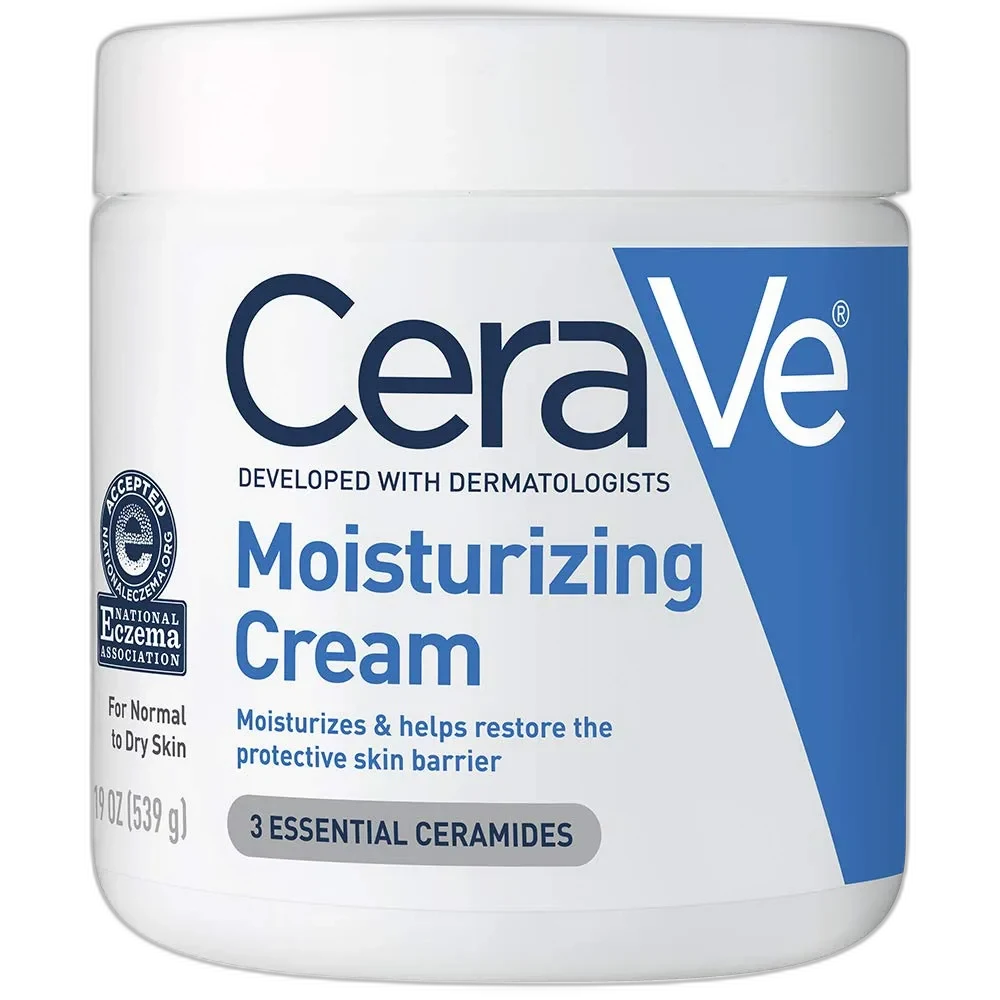
The limitations are worth naming. The 40ml tube is small — the price per gram is not as strong as larger barrier creams like CeraVe or Aveeno. Macadamia oil is a real emollient but it is also on the Fitzpatrick comedogenicity list, so very acne-prone users should patch test. Scinic is not as widely distributed outside Asia as COSRX or Beauty of Joseon, which means you are usually ordering it from YesStyle, Jolse, or Amazon third-party sellers. And because the ingredient list is genuinely short, there are no bonus actives beyond madecassoside — this is a barrier cream, not a multi-purpose anti-aging moisturizer. If you want peptides and niacinamide and retinol stacking, this is not that product.
Who Should Buy
Who should buy it: anyone with sensitive, reactive, or compromised skin, people recovering from in-office procedures, users of prescription retinoids looking for a buffering moisturizer, and fans of minimalist ingredient lists. Who should skip it: people who want a single moisturizer to do everything, very acne-prone users concerned about macadamia oil, and those who prefer larger jar formats at lower per-gram costs. For sensitive-skin repair specifically, the value story is strong and the results are reliable.
Ingredient analysis.
Full INCI list · pH 5.5
Water, Propanediol, Macadamia Ternifolia Seed Oil, Pentylene Glycol, Polyglyceryl-6 Stearate, Cetearyl Alcohol, Glyceryl Stearate, Carbomer, Cetyl Palmitate, Sorbitan Olivate, Sorbitan Palmitate, Polyglyceryl-6 Behenate, Tromethamine, Aloe Barbadensis Leaf Juice, Nymphaea Alba Flower Extract, Butylene Glycol, Madecassoside
Skin match.
The science.
The Science
This formulation uses a few selected ingredients instead of layered actives. Madecassoside is a purified triterpene saponin from Centella asiatica. Dermatology literature shows it has wound-healing, anti-inflammatory, and collagen-supporting effects. Published work shows madecassoside accelerates re-epithelialization and reduces transepidermal water loss in compromised skin models, which supports its use for barrier repair. Crude centella extracts contain a mix of asiaticoside, madecassoside, asiatic acid, and madecassic acid, but purified madecassoside allows for predictable dosing at lower concentrations. The macadamia ternifolia seed oil in this formula has high levels of oleic and palmitoleic acids. Both mimic human sebum components and provide occlusive barrier support. Propanediol acts as the primary humectant instead of glycerin; it has comparable water-binding capacity but a lighter feel and better safety tolerance for reactive skin. The pH 5.5 target stays within the range that supports the enzymatic activity of the skin's natural lipid-processing enzymes. This matters during barrier recovery when those enzymes rebuild the lipid lamellae of the stratum corneum. The formulation is not novel—each component exists in other products—but the specific combination, short list, and pH target show thoughtful barrier-first formulation.
Dermatologist Perspective
Dermatologists often recommend minimalist, fragrance-free barrier creams for patients with sensitive skin, rosacea, eczema, or barriers compromised by active ingredients. Board-certified dermatologists note that short ingredient lists help patients with recent reactions, as fewer ingredients mean fewer potential culprits to troubleshoot. Madecassoside and centella-derived actives are well-regarded in dermatology literature for calming and wound-supporting properties; Korean dermatology clinics commonly use them in post-procedure recovery protocols. Dermatologists may caution acne-prone patients about macadamia seed oil if it sits high on the INCI list, though it is a mid-comedogenic ingredient that most combination-skin patients tolerate well.
Where it fits in your routine.
Apply morning and night as your last moisturizing step. After cleansing and any hydrating toner or serum, press a pea-sized amount from your fingertips into your face and neck. Skip the massage; it absorbs naturally in 1-2 minutes. If your barrier needs recovery, use it whenever skin feels tight, itchy, or red, even 3-4 times a day. Use with fragrance-free gentle cleansing and stop exfoliating acids until your barrier returns to baseline. You can use it with or over prescription retinoids to buffer.
At about $18 for 40ml, this cream is a mid-tier K-beauty barrier option. Several retailers sell a 2-pack set for better per-unit value, which makes sense if you use the cream long-term. One tube lasts 1.5-2 months with twice-daily face use, making the monthly cost roughly $9-12. The value is lower on paper than Western drugstore barrier creams like CeraVe or Aveeno Restorative Skin Therapy, which have lower per-gram costs. But for reactive or barrier-compromised skin, the short ingredient list and fragrance-free formulation justify the higher price than bulkier Western alternatives that may include fragrance or additional irritant ingredients.
This works for sensitive or reactive skin, rosacea, or mild eczema. It suits those recovering from professional treatments or active flares, prescription retinoid users needing a buffering moisturizer, and fans of ingredient-list minimalism. It also fits pregnancy-friendly sensitive-skin routines.
Acne-prone users worried about macadamia oil, people wanting one moisturizer with multiple actives for more than barrier support, and budget shoppers who find comparable barrier repair in larger, cheaper Western drugstore creams.
Product details.
Completely fragrance-free with a neutral botanical note.
The Simple 40ml squeeze tube uses a flip cap. This design is hygienic, travel-friendly, and protects the short-list formula from oxidation.
The first application provides immediate comfort. It has no tingling, no fragrance, and no warmth. Redness and irritation calm within minutes. Users recovering from overnight retinoid burn, lasers, or active eczema often call it one of the few creams their skin does not react to.
1. 5-2 months with twice-daily face use, or less if you use it on the neck and chest too.
12 months
All Year
The backstory.
Scinic launched The Simple Barrier Cream as part of a 'Simple' sub-range aimed at the sensitive and recovery-skin market in Korea. The timing coincided with the rise of barrier-first skincare thinking in K-beauty, when Korean derms and consumers were pulling back from heavily layered routines toward shorter, more protective ones. The formula's brevity is its entire design thesis.
About Scinic
Established Brand (5–20 years)Scinic is a Korean skincare brand founded in 2013 by Cosmax, one of the world's largest cosmetic OEM manufacturers. Scinic uses Cosmax's R&D depth in its formulations. While Scinic is less internationally famous than COSRX or Beauty of Joseon, it has a solid track record in Korea's sensitive-skin category.
Common myths.
Short ingredient lists mean a product can't do much.
Shorter ingredient lists often work better for barrier repair because each ingredient has a low irritation risk. This cream uses intentional minimalism to deliver results.
Madecassoside only works at high concentrations.
Madecassoside works at trace concentrations because it is a purified, high-potency triterpene, not a crude extract. Even at the end of this list, it provides real soothing effects.
FAQ.
Is this cream good for barrier repair?
Yes, explicitly. With only 17 ingredients, a pH 5.5, and madecassoside and aloe, it is a top K-beauty option for compromised barriers. Dermatologists and Korean sensitive-skin communities regularly recommend it for post-procedure recovery.
Can I use it while also using strong actives like retinol?
Yes — this is a primary reason to buy it. Use it with your retinol or strong exfoliating routine to offset irritation. You can apply it over the active or as a follow-up moisturizer.
Is it too rich for oily skin?
The formula is not too thick for most combination and oily skin. The propanediol base balances the macadamia oil, and the finish feels more like a water-cream than a traditional occlusive. Very oily skin may prefer a gel-cream instead.
Does it contain any fragrance or essential oils?
No. It is fragrance-free, essential-oil-free, and alcohol-free. This makes it safe for reactive skin.
How long does a 40ml tube last?
Using the product twice daily on the face lasts about 1.5-2 months per 40ml tube. Some retailers sell a 2-pack set for better per-unit value.
Is it safe during pregnancy?
Yes. This formula has no retinoids, salicylic acid, or restricted ingredients. It is a top K-beauty moisturizer option for sensitive-skin pregnancy.
How does it compare to COSRX Centella cream?
COSRX's centella cream uses centella extract and a longer ingredient list. Scinic uses purified madecassoside and a shorter list. Both work well. Scinic wins for simplicity. COSRX is better if you want a thicker finish and more actives.
What the community says.
"Genuinely calming for reactive skin"
"Short, recognizable ingredient list"
"Fragrance-free"
"Non-greasy finish"
"Gentle enough for daily use during barrier repair"
"Small 40ml size"
"Contains macadamia oil — may not suit oily skin"
"Not as rich as some dedicated barrier creams"
"Limited distribution outside Asia"
"Short ingredient list means no added actives beyond madecassoside"