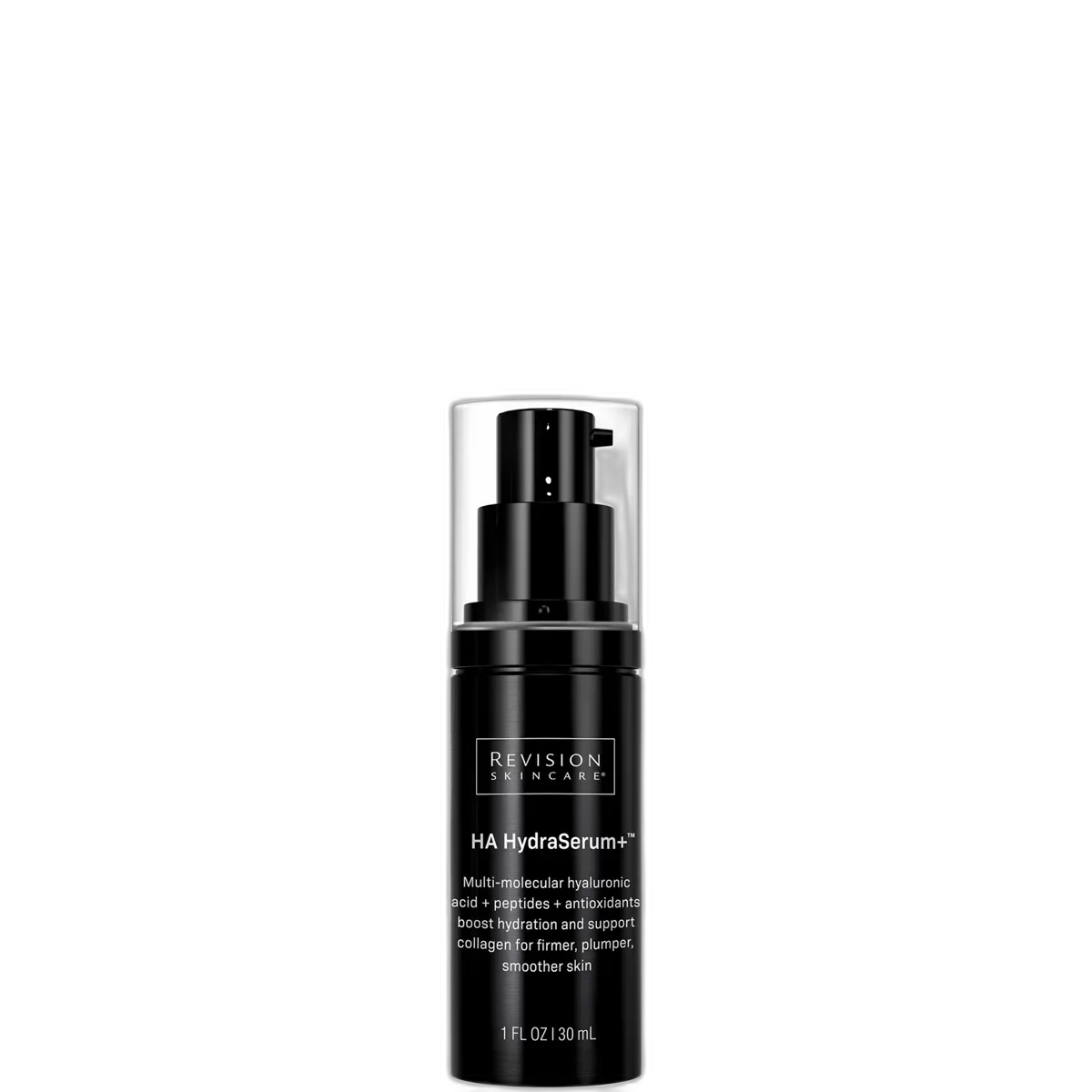
Hydrating Serum
Post-Procedure Hydration MVP
 Verified reviewer
Pros & cons.
- +Oil-free and silicone-free formula suitable for post-procedure and acne-prone skin
- +Multi-weight hyaluronic acid delivers 61% moisture boost within 15 minutes in clinical testing
- +Palmitoyl Tripeptide-5 adds genuine collagen-stimulating anti-aging benefit beyond basic hydration
- +Absorbs instantly with zero tackiness, layering seamlessly under any product
- +Fragrance-free and minimally formulated for maximum tolerance across skin types
- +Available in professional 8 oz size for better long-term value
- −At $109 per ounce, significantly more expensive than many effective HA serums
- −Not moisturizing enough on its own for dry skin — requires a cream or lotion on top
- −Small number of rosacea-prone users report aggravation despite the gentle formula
- −Contains hydrolyzed hazelnut protein, a potential concern for tree nut allergy sufferers
- −Minimal sensory experience may feel underwhelming compared to richer, more luxurious serums
The full review.
There is a reason this serum keeps showing up in post-procedure recovery kits at dermatology offices and medical spas across the country. Revision Skincare designed it to be the one product you could safely put on freshly lasered, peeled, or microneedled skin — which meant stripping out everything that might cause a problem and keeping only what demonstrably helps. The result is one of the most deliberately restrained formulations in the physician-dispensed space, and that restraint is precisely what makes it effective.
The ingredient list reads like an exercise in strategic minimalism. Multi-weight sodium hyaluronate provides hydration at different depths — larger molecules sit on the surface forming a moisture-retaining film, while smaller fragments penetrate to plump from within. Clinical testing on this formula showed a 61% moisture boost within 15 minutes, which is a significant number for a product that feels like it is doing almost nothing on your skin. Glycerin and sodium PCA — a component of the skin’s own natural moisturizing factor — round out the hydration strategy by drawing and retaining water through complementary mechanisms.
What elevates this beyond the crowded field of hyaluronic acid serums is Palmitoyl Tripeptide-5. This is not a decorative peptide thrown in for label appeal. It mimics thrombospondin-1, a protein that activates TGF-beta signaling in fibroblasts, promoting collagen synthesis. In practical terms, it means this hydrating serum is quietly doing anti-aging work while it moisturizes — a dual function that most HA serums simply do not offer. It is the kind of ingredient addition that reflects Revision’s pharmaceutical mindset: if you are asking someone to apply a product twice daily, it should be doing more than one thing.
The texture is where the clinical origins become most apparent. This is not a lush, sensorial serum designed to make you feel pampered. It is a lightweight, water-gel formula that absorbs in seconds and leaves behind nothing — no tackiness, no film, no residue. On damp skin, it practically disappears. That might feel underwhelming if you are coming from richer, more indulgent serums, but it is exactly what you want under sunscreen in the morning, under retinol at night, or on skin that has just undergone a procedure and cannot tolerate anything heavy.
The oil-free, silicone-free construction deserves specific mention because it is genuinely rare in this category. Most medical-grade serums include at least dimethicone for a silky slip or a light emollient for cushion. Revision skipped both, making this one of the cleanest-formula HA serums available at any price point. For anyone dealing with fungal acne concerns, clogged-pore anxiety, or post-procedure sensitivity, this absence of potential troublemakers matters.
Biosaccharide Gum-1, a lesser-known ingredient, provides sustained moisture release — essentially a time-release mechanism for the hydration that the HA delivers immediately. Pomegranate extract and vitamin E (tocopheryl acetate) handle antioxidant duties, protecting the freshly hydrated skin from environmental oxidative damage. Honey and sea kelp extract add natural humectant and conditioning properties that complement the synthetic humectants.
The limitations are honest. At $109 for one fluid ounce, this is expensive for a hydrating serum — even by physician-dispensed standards. The 8 oz professional size at $359 offers substantially better per-ounce value for committed users, but the upfront cost is significant. And while the serum is excellent at delivering hydration, it is not a moisturizer. Very dry skin types will absolutely need to layer a cream or lotion on top, especially in winter or dry climates. Treating this as a standalone product is a recipe for disappointment if your skin needs occlusion.
A small but notable subset of users with rosacea have reported aggravation, which is worth monitoring during the first week despite the gentle formulation. The hydrolyzed hazelnut protein may also be a concern for those with tree nut allergies — a detail worth flagging that many reviews overlook.
For its intended purpose — a versatile, universally tolerable hydrating serum that layers under everything and suits every skin type — the Revision Hydrating Serum is remarkably effective. It is not flashy. It does not photograph well for Instagram. But it does the job with a precision and cleanliness that reflects over a decade of physician feedback refining the formula into something that works on the most compromised skin conditions dermatologists encounter daily.
Ingredient analysis.
Full INCI list
Water (Aqua), Glycerin, Biosaccharide Gum-1, Sodium Hyaluronate, Palmitoyl Tripeptide-5, Chondrus Crispus Extract, Glyceryl Polyacrylate, Honey (Mel), Hydrolyzed Hazelnut Protein, Punica Granatum Extract, Tocopheryl Acetate, Macrocystis Pyrifera Extract, Citrullus Lanatus (Watermelon) Fruit Extract, Lens Esculenta (Lentil) Fruit Extract, Pyrus Malus (Apple) Fruit Extract, Butylene Glycol, Sodium Lactate, Sodium PCA, Polysorbate 20, Leuconostoc/Radish Root Ferment Filtrate, Ethylhexylglycerin, Sodium Polyacrylate, Phenoxyethanol, Citric Acid
Skin match.
The science.
The Science
Hyaluronic acid's hydration mechanism is well-documented in dermatology. As a glycosaminoglycan that binds up to 1,000 times its weight in water, sodium hyaluronate is the gold standard topical humectant. Research in the Journal of Clinical and Aesthetic Dermatology confirms multi-weight HA formulations hydrate better than single-molecular-weight preparations, because different fragment sizes penetrate different depths of the stratum corneum and epidermis.
Palmitoyl Tripeptide-5 is a biomimetic peptide that mimics thrombospondin-1, a natural protein that activates TGF-beta signaling — a pathway in fibroblast collagen synthesis. A 2009 study in the International Journal of Cosmetic Science showed this peptide stimulated collagen production in fibroblast cultures and reduced wrinkle depth in clinical subjects over 12 weeks.
Sodium PCA uses a different hydration approach — instead of adding an external humectant, it replenishes a component of the skin's natural moisturizing factor (NMF). Research shows NMF levels decline with age and environmental damage; topical sodium PCA helps restore the skin's innate moisture-retention capacity.
Biosaccharide Gum-1 comes from a biotechnological fermentation process and provides sustained-release hydration. Studies show it forms a moisture-retaining film on the skin surface while remaining breathable — extending the immediate hydration from the HA and glycerin over a longer period.
References
- Efficacy of a New Topical Nano-hyaluronic Acid in Humans — Journal of Clinical and Aesthetic Dermatology (2014)
Dermatologist Perspective
Dermatologists often recommend this serum as a universal hydration base for almost all skin types and conditions. Board-certified dermatologists value it for post-procedure recovery — after chemical peels, laser treatments, and microneedling — because the oil-free, silicone-free formula minimizes irritation or healing interference. The peptide component adds clinical value beyond hydration, matching the physician preference for multi-functional products that improve compliance. Dermatologists note patients tolerate this serum well even on sensitized skin, making it a reliable recommendation when other serums are too aggressive.
Guidance
Where it fits in your routine.
Apply 1-2 pumps to clean, slightly damp skin every morning and evening. Spread it evenly over your face and neck. Use a moisturizer immediately after to seal in hydration. Layer it under sunscreen in the morning. Apply it under or over other serums based on texture (use thinner products first). For post-procedure use, follow your physician's specific recovery protocol.
At $109 for 1 fl oz, this hydrating serum costs more than most. The peptide addition and clinical-grade formulation justify a premium over drugstore HA serums, though the price gap is large. The 0.5 oz trial size at $64 lets you test it first, while the 8 oz professional size at $359 ($44.88/oz) gives better value for long-term users. For those needing a clean, oil-free, silicone-free HA serum for post-procedure use, the price is competitive among physician-dispensed options. For general hydration without clinical requirements, cheaper, equally effective options exist.
This lightweight, universally tolerable hydrating serum works for sensitive, post-procedure, or acne-prone skin needing hydration without oils or silicones. It also suits users who want anti-aging peptide benefits in their hydrating step without adding another product to their routine.
Budget-conscious users seeking effective multi-weight HA serums at lower prices. People with a tree nut allergy must consult an allergist before use because of the hydrolyzed hazelnut protein. Very dry skin types needing a thicker, more occlusive serum for standalone hydration.
Product details.
This lightweight, water-gel consistency spreads easily and absorbs quickly. It leaves no sticky or tacky residue. It feels like water on the skin seconds after application.
No discernible scent — completely fragrance-free formulation.
An airless pump bottle protects the hyaluronic acid and peptide from degradation. It comes in 0.5 oz travel, 1 oz standard, and 8 oz professional sizes.
The first application provides immediate plumping and a dewy glow. It causes no tingling, stinging, or adjustment period. Skin feels softer and more supple within minutes.
2-3 months with twice-daily facial application
12 months
All Year
The backstory.
Revision Skincare developed this serum as a universal hydration base that could be used across all skin types and conditions, including immediately after clinical procedures like chemical peels and laser treatments. The oil-free, silicone-free formulation was deliberate — minimizing anything that could interfere with post-procedure healing while delivering maximum hydration.
About Revision Skincare
Legacy Brand (20+ years)Revision Skincare launched in 1984. It is a physician-dispensed brand sold only through dermatologists, plastic surgeons, and medical spas. Its formulations use pharmaceutical-grade clinical testing protocols.
Common myths.
Hyaluronic acid serums are all basically the same.
This formula uses multi-weight hyaluronic acid molecules to work at different skin depths and biosaccharide gum-1 for sustained moisture release. Palmitoyl Tripeptide-5 stimulates collagen and sodium PCA restores NMF, making this different from single-ingredient HA serums.
Oil-free serums cannot adequately hydrate dry skin.
Clinical testing shows this serum boosts moisture by 61% within 15 minutes. Oil-free formulas use humectants instead of occlusives to hydrate. For dry skin, layering this under a moisturizer provides water-binding and barrier-sealing benefits.
FAQ.
Can I use Revision Hydrating Serum after a chemical peel or laser treatment?
Yes — this serum is formulated for post-procedure use. Its oil-free, silicone-free, fragrance-free formula minimizes irritation risk on compromised skin. Many dermatologists recommend it for post-procedure recovery protocols. Always confirm with your treating physician before applying any product to freshly treated skin.
Should I apply Revision Hydrating Serum to damp or dry skin?
Apply to damp skin. Hyaluronic acid draws moisture to the skin; damp skin provides the water it needs to bind. Apply immediately after cleansing before the skin dries, then layer moisturizer on top to seal in the hydration.
Is Revision Hydrating Serum enough on its own or do I need a moisturizer too?
Most skin types get better results using a moisturizer after this serum to lock in hydration. The serum provides humectant-based water-binding, but moisture evaporates without an occlusive layer, especially in dry or air-conditioned environments. Very oily skin types may find it sufficient alone in humid climates.
What is the difference between Revision Hydrating Serum and HA HydraSerum+?
The HA HydraSerum+ updates the original Hydrating Serum with an enhanced multi-weight hyaluronic acid complex. The core philosophy and ingredient approach stay the same, but the newer version optimizes HA delivery for better penetration and longer-lasting hydration.
What the community says.
"Absorbs quickly without stickiness or greasiness"
"Effective hydration that layers well under other products"
"Suitable for sensitive and post-procedure skin"
"Lightweight oil-free texture works for all skin types"
"Noticeable plumping effect within minutes of application"
"May aggravate rosacea in some users"
"Higher price point for a hydrating serum"
"Some users find it not moisturizing enough on its own for very dry skin"
People also looked at.