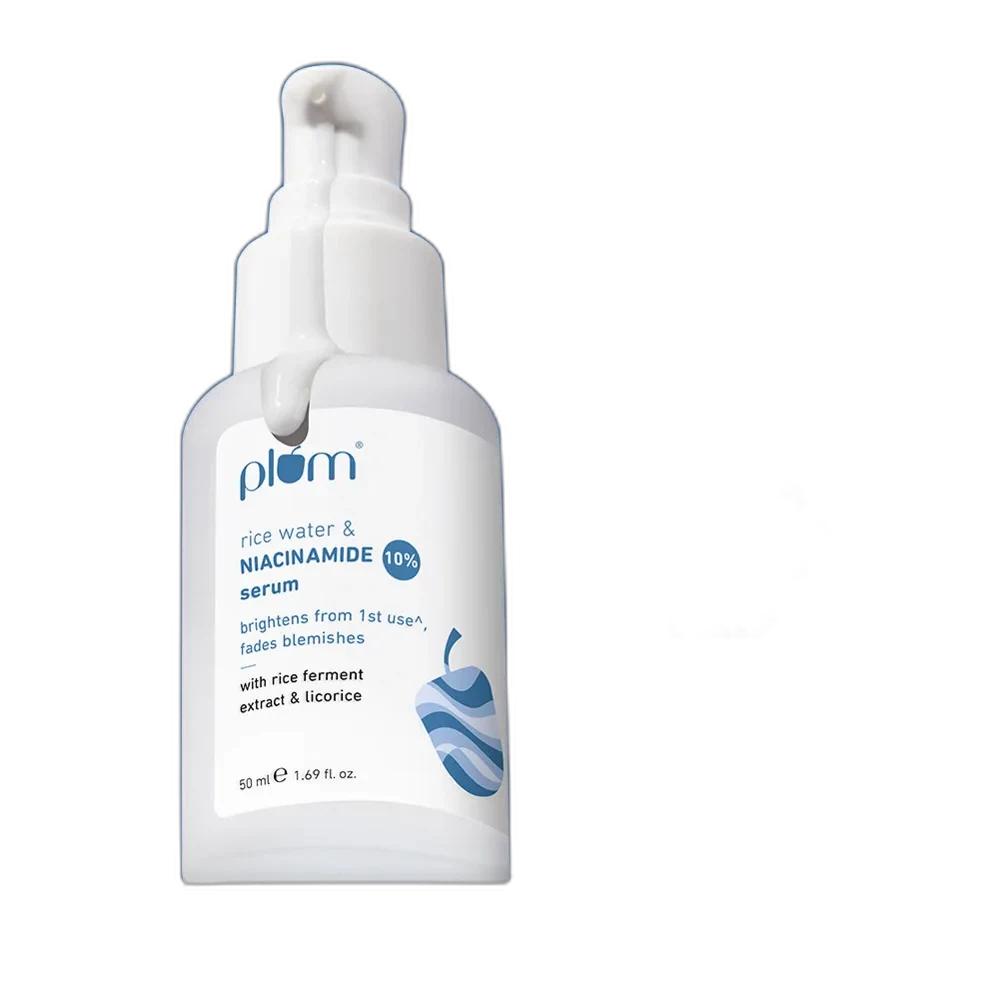
15% Niacinamide Face Serum
High-Strength Pigmentation Pick
 Verified reviewer
Pros & cons.
- +Multi-pathway pigmentation approach with niacinamide, tranexamic acid, and N-acetyl glucosamine
- +Centella asiatica and panthenol help buffer high-dose niacinamide irritation
- +Accessible price for a formulation with multiple targeted actives
- +Fragrance-free, silicone-free, and pregnancy-safe
- +Works for oily and combination skin with pigmentation concerns
- +pH-appropriate for niacinamide stability
- −15% concentration is unnecessarily strong for users without specific issues
- −Elevated flushing risk compared to 5-10% formulations
- −20ml size is small for a twice-daily serum
- −Limited product-specific clinical data compared to the 10% sibling
- −Not suitable for truly sensitive or reactive skin
The full review.
Affordable skincare follows a pattern: once a brand succeeds with a 10% active serum, they often release a 15% version. This is usually marketing, not science. Moving from 10% to 15% often yields diminishing returns and higher irritation risks. Plum’s 15% Niacinamide Face Serum avoids this lazy trend. Here, the higher strength includes a specific rationale.
The supporting ingredients provide that rationale. A 15% niacinamide serum alone is an unremarkable upgrade. Research shows niacinamide benefits plateau around 5% for most skin endpoints, with modest gains at 10% and little extra benefit for most people above that. Plum’s 15% Niacinamide Face Serum is different because it adds tranexamic acid and N-acetyl glucosamine to target pigmentation through pathways niacinamide alone misses.
Tranexamic acid is the standout. Japanese dermatology has used it orally for melasma since the 1970s. In the last decade, it became a topical staple for stubborn pigmentation that resists conventional brighteners. It interrupts the plasmin pathway to affect melanin synthesis, which differs from how niacinamide affects melanosome transfer. Combining them attacks pigmentation from two directions, a goal of multi-active routines for years.
N-acetyl glucosamine is the third component. It acts as a hyaluronic acid precursor and also affects tyrosinase activity—the enzyme that produces melanin. Research from the early 2000s, including work from Procter & Gamble’s skin science group, shows that N-acetyl glucosamine and niacinamide together improve hyperpigmentation markers more than niacinamide alone. This combination is effective, though rare at this price point.
Practically, if you use this serum for post-inflammatory dark spots, melasma, or persistent pigmentation, you get a more thoughtful formula than a simple high-dose niacinamide. If you want shine control or pore minimization, the extra complexity is unnecessary; use the 10% version instead.
The base uses the same water-and-humectant platform as Plum’s 10% serum, with centella asiatica and panthenol for buffering. At 15% niacinamide, buffering is more important. Higher concentrations increase the risk of flushing caused by niacinamide’s vasodilatory effects and small amounts of nicotinic acid that form in some formulas. A pH near 5.5 helps minimize this conversion, and centella asiatica adds anti-inflammatory support. However, some users will still feel warmth or redness during the first week. If a 10% serum caused this reaction, avoid this product.
The texture is identical to the 10% version. It is thin, watery, fragrance-free, and absorbs fast. It leaves a slight tacky finish that vanishes under moisturizer. It layers well under sunscreen in the morning and moisturizer at night. The 20ml size is small, and the serum runs out quickly if used morning and night.
Limitations: The ingredient research is strong, but clinical data for this exact formulation is limited. The review count is much lower than the 10% version—a few hundred reviews instead of several thousand. This means the score relies on ingredient research rather than large-scale real-world data. Cautious buyers may prefer the 10% version until more reviews exist.
Consider if this is the right tool. For mild shine or occasional breakouts, a 5% niacinamide moisturizer works with less irritation risk. For persistent pigmentation, combining alpha arbutin, tranexamic acid, and sun protection is often more effective than one serum. This product is a middle option: it uses a multi-pathway approach to pigmentation without requiring multiple separate actives. It serves a specific role, which is narrower than the 15% headline suggests.
Formula
Ingredient analysis.
Full INCI list · pH 5.5
Aqua, Propanediol, Niacinamide, Pentylene Glycol, Zinc PCA, N-Acetyl Glucosamine, Betaine, Allantoin, Panthenol, Sodium Hyaluronate, Centella Asiatica Extract, Glycerin, Tranexamic Acid, Xanthan Gum, Sodium Citrate, Citric Acid, Phenoxyethanol, Ethylhexylglycerin, Disodium EDTA
Skin match.
The science.
The Science
High-strength niacinamide formulations occupy a unique spot in the evidence base. Research shows niacinamide benefits skin through sebum regulation, barrier support, reduced hyperpigmentation, and anti-inflammatory effects at 2% to 5% concentrations, with data supporting 5-10% for specific uses. Benefits for concentrations above 10% are less studied and usually smaller than the concentration increase implies. For pigmentation, niacinamide works by inhibiting melanosome transfer from melanocytes to keratinocytes; therefore, consistent use duration matters more than concentration.
The addition of tranexamic acid adds interest to this formulation. Tranexamic acid has a documented history as an oral melasma treatment in Asian dermatology. Topical formulations show growing clinical evidence in the Journal of Cosmetic Dermatology and Dermatologic Surgery, proving meaningful improvements in melasma and post-inflammatory hyperpigmentation at 2% to 5% concentrations. It works by inhibiting plasmin activity and reducing the UV-induced signaling cascade that drives melanin production. This pathway differs from niacinamide's effect on melanosome transfer, making the combination a logical strategy.
N-acetyl glucosamine has a smaller but supportive evidence base. Research from multiple cosmetic science groups in the early 2000s showed that combining niacinamide with N-acetyl glucosamine improves hyperpigmentation more than niacinamide alone. This works by reducing tyrosinase activity and interfering with melanin synthesis earlier than niacinamide targets.
This serum's strategy—combining three ingredients that hit different points in the pigmentation cascade—is grounded in science, even if the 15% niacinamide concentration is more aggressive than necessary. For pigmentation-focused routines, this multi-pathway approach has more rationale than any single active alone.
Dermatologist Perspective
Dermatologists usually view high-concentration niacinamide as an option for specific needs rather than a baseline recommendation. Board-certified dermatologists note that 5% suffices for most skin concerns and that 15% makes sense when paired with other actives targeting a specific problem—in this formulation's case, hyperpigmentation. Tranexamic acid has substantial credibility in dermatology for pigmentation treatment, and its inclusion in an OTC serum at a reasonable price offers genuine value. Dermatologists emphasize that topical pigmentation treatments work slowly and require months of consistent use with daily sunscreen—any pigmentation serum without SPF follow-through works against itself.
Where it fits in your routine.
Apply 3-4 drops to clean skin morning and/or night before moisturizer. Patch test behind the ear or on the jawline first; 15% niacinamide causes more flushing than lower concentrations. If you feel transient warmth or redness, use it once daily and let skin adjust for a week before increasing. Always follow with daily broad-spectrum sunscreen, because pigmentation treatment fails without sun protection. Dark spots show visible results after 8-16 weeks of consistent use.
At roughly $14 for 20ml, this serum provides strong value by combining three clinically relevant pigmentation actives. A comparable combination from a Western prestige brand costs $40-80. The 20ml size is small, but the active density keeps the per-application cost competitive. Plum's shorter brand track record and the 15% version's newer release date slightly temper the case — more history of formulation consistency would increase confidence in long-term results. Still, for users targeting stubborn pigmentation at a budget-friendly price, this is one of the more thoughtful options in the Indian D2C market.
Users with persistent post-inflammatory hyperpigmentation, melasma, or stubborn dark spots seeking a multi-pathway approach in one serum. Oily or combination skin with pigmentation concerns. Niacinamide users who tolerate 10% well and want a targeted step up.
Sensitive, reactive, or rosacea-prone skin. Users who felt flushing from the 10% version. Anyone focused on general hydration or shine control — a 5-10% formulation works better. Those who do not use daily sunscreen consistently.
Product details.
Thin, watery serum with light viscosity from humectants
Virtually odorless
Frosted glass dropper bottle
A small but meaningful percentage of users feel flushing or warmth during the first week — typically transient. niacinamide does not cause purging, though pigmentation effects take 8-12 weeks to show.
Approximately 2-3 months with daily use
12 months
All Year
The backstory.
Plum released this 15% version after the 10% serum proved popular, responding to user requests for a stronger option specifically for pigmentation-focused routines. The addition of tranexamic acid reflects the ingredient's rising profile in Korean and Japanese skincare for dark-spot treatment, which Indian consumers had increasingly been seeking out.
About Plum
Emerging Brand (2–5 years)Plum launched this 15% concentration to upgrade its popular 10% serum for users with persistent oiliness and stubborn pigmentation. Plum has operated since 2013, but this specific high-strength formulation has a shorter track record and limited independent clinical validation.
Common myths.
15% is always better than 10% niacinamide.
Research shows niacinamide effects plateau around 5%. The 15% version works mainly for users with persistent issues that do not respond to lower doses — 5-10% is sufficient for most people.
Tranexamic acid only works for melasma.
Tranexamic acid targets melanin synthesis pathways in melasma, but these same mechanisms also affect other hyperpigmentation, such as post-inflammatory dark spots from acne.
FAQ.
Do I need 15% instead of 10%?
For most users, no. 15% matters mostly for persistent pigmentation or oiliness that resists lower concentrations. Use a 5-10% serum first. Step up only if you see no results after 12 weeks.
What does tranexamic acid add here?
Tranexamic acid uses a different pigmentation pathway than niacinamide. It inhibits plasmin activity to stop melanin synthesis. The formula combines niacinamide and N-acetyl glucosamine to target pigmentation from multiple angles at once.
Will it cause flushing?
Some users experience transient flushing with 15% niacinamide, which usually subsides within one to two weeks. If you flush easily, use the 10% version first.
Can I use it with retinol?
Yes. Niacinamide pairs well with retinol and buffers some of retinol's barrier-disrupting effects. Apply this serum first, then apply retinol after it absorbs.
How long until I see pigmentation results?
Niacinamide and tranexamic acid work slowly. Use them consistently for 8-12 weeks to fade post-inflammatory marks, and 12-16+ weeks for stubborn pigmentation.
Is it safe during pregnancy?
Yes. Niacinamide, tranexamic acid (topical), zinc PCA, and centella asiatica are all pregnancy-safe.
Can I use it with vitamin C?
Yes — this is an outdated compatibility myth. Modern formulations of both ingredients coexist fine. Use vitamin C in the morning and this serum at night, or space them by a few minutes if layering.
What the community says.
"noticeable fading of dark spots"
"affordable for the strength"
"non-greasy"
"some users report flushing"
"stronger than needed for basic use"
"20ml goes quickly"
People also looked at.