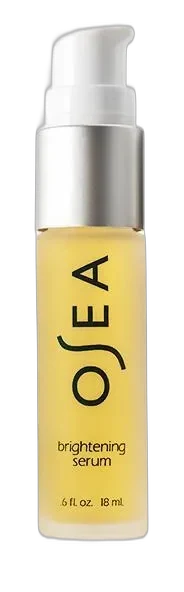
White Algae Brightening Serum
Multi-Pathway Brightening Powerhouse
 Verified reviewer
Pros & cons.
- +Four distinct anti-pigmentation pathways in a single serum — vitamin C, bearberry, nonapeptide-1, and curcuminoids
- +Dual vitamin C forms (L-ascorbic acid + MAP) provide both immediate potency and sustained stability
- +Ferulic acid enhances vitamin C efficacy and photoprotection based on well-documented research
- +Fragrance-free formulation maximizes vitamin C stability and minimizes irritation risk
- +Lightweight, fast-absorbing texture layers beautifully under sunscreen and makeup
- +Triple seaweed extract provides anti-inflammatory support to prevent new hyperpigmentation
- −Premium price (~$78/oz) competes with clinical-grade vitamin C serums from research-backed brands
- −L-ascorbic acid in aqueous solution will oxidize over time — use within 3-6 months
- −Individual active ingredient concentrations are not disclosed on the label
- −May cause mild tingling or irritation in sensitive skin types due to L-ascorbic acid
- −Results require 6-8 weeks of consistent use plus daily sunscreen — no overnight fix
The full review.
About OSEA
OSEA built its reputation on seaweed-infused body oils and ocean-scented cleansers. The Brightening Serum is something different entirely — a concentrated facial treatment that reads more like a prescriptive dermatology protocol than a clean beauty indulgence. When you look at the INCI list, you find not one but four distinct mechanisms targeting hyperpigmentation, all sitting alongside OSEA’s signature seaweed extracts. It is the most scientifically ambitious product in the brand’s lineup, and it raises an interesting question: can a Malibu clean beauty brand compete in the vitamin C serum arena dominated by clinical heavyweights?
Reality
The answer starts with the formulation architecture. Most vitamin C serums follow a simple playbook: dissolve L-ascorbic acid in water, add some vitamin E and maybe ferulic acid, bottle it, and charge accordingly. OSEA’s approach is more layered. The formula contains both pure L-ascorbic acid and magnesium ascorbyl phosphate, a more stable vitamin C derivative. This dual form strategy means you get the immediate potency of pure ascorbic acid alongside the sustained, gentler activity of the phosphate form. Ferulic acid sits in the formula as the now-famous stabilizer and potentiator — a nod to the Pinnell patent research that demonstrated ferulic acid doubles the photoprotective capacity of vitamins C and E.
But it is the ingredients beyond vitamin C that make this serum genuinely interesting. Bearberry leaf extract contains natural arbutin, a tyrosinase inhibitor that reduces melanin production at the enzymatic level. Nonapeptide-1 takes a different approach entirely, blocking the alpha-melanocyte-stimulating hormone signal that triggers pigment production in the first place. Tetrahydrocurcuminoids — a bioavailable derivative of turmeric’s curcumin — add anti-inflammatory and anti-pigmentation effects through yet another pathway. And dipotassium glycyrrhizinate, derived from licorice root, provides both skin-brightening and anti-inflammatory support.
This multi-pathway approach is what dermatologists call a cocktail strategy, and it mirrors what many prescribe through multiple separate products. Having it compressed into a single serum is genuinely convenient, though the individual concentrations of each active are not disclosed — the standard limitation of cosmetic formulations.
The seaweed extracts — Undaria Pinnatifida, Macrocystis Pyrifera, and Gigartina Skottsbergii — are not brightening agents in the traditional sense, but they serve an important supporting role. Their antioxidant and anti-inflammatory properties help prevent new pigmentation from forming while the active brighteners work on existing discoloration. It is smart formulation: treating the problem and preventing recurrence simultaneously.
Texture
Texture is where this serum earns everyday-use credibility. It is a lightweight, slightly golden liquid that absorbs in seconds without tackiness, stickiness, or that filmy feeling that plagues many vitamin C serums. Under sunscreen, it disappears completely. Under makeup, it provides a subtle luminosity that photographers call a natural bounce. This is not a serum that announces its presence — it simply makes your skin look better and gets out of the way.
Scent
The fragrance-free formulation is a smart choice for a product containing L-ascorbic acid. Essential oils and fragrance compounds can destabilize vitamin C and add unnecessary irritation risk to what is already a pH-sensitive active. By keeping the formula clean of fragrance, OSEA maximizes both stability and tolerance — a decision that prioritizes function over the sensory experience the brand is typically known for.
Packaging
The stability question looms over any L-ascorbic acid product, and this one is no exception. Even with ferulic acid support, L-ascorbic acid in an aqueous solution will oxidize over time. The opaque glass packaging helps, but you should plan to use this serum within three to six months of opening. If it darkens significantly or develops a metallic smell, the vitamin C has degraded and you are applying oxidized ascorbic acid, which can paradoxically contribute to free radical formation.
Value
Value is the toughest sell. At approximately seventy-eight dollars for one ounce, this competes with clinical-grade vitamin C serums from brands with decades of published research on their specific formulations. The multi-pathway approach justifies some of the premium, but price-sensitive consumers can find effective vitamin C and ferulic acid serums for significantly less. What they will not easily replicate is the specific combination of nonapeptide-1, bearberry, curcuminoids, and triple seaweed extract — that cocktail is genuinely proprietary.
AM routine
The serum works best as a morning treatment followed by broad-spectrum sunscreen. Vitamin C enhances photoprotection, and sunscreen prevents the UV-triggered melanogenesis that creates new dark spots. Without daily SPF 30 or higher, any brightening serum is fighting with one arm tied behind its back.
Ingredient analysis.
Full INCI list
Aqua, Arctostaphylos Uva-Ursi Leaf Extract, Turnera Aphrodisiaca Leaf Extract, Polygonum Multiflorum Root Extract, Montmorillonite, Nonapeptide-1, Rumex Occidentalis Extract, Gigartina Skottsbergii Extract, Macrocystis Pyrifera Extract, Undaria Pinnatifida Extract, Ascorbic Acid, Ferulic Acid, Tricholoma Matsutake Extract, Magnesium Ascorbyl Phosphate, Tetrahydro Curcuminoids, Olea Europaea Leaf Extract, Sodium Hyaluronate, Phyllanthus Emblica Fruit Extract, Camellia Sinensis Leaf Extract, Dipotassium Glycyrrhizinate, Lonicera Caprifolium Extract, Lonicera Japonica Extract, Glycerin, Dextran, Citric Acid, Maltodextrin, Potassium Sorbate
Skin match.
The science.
The Science
The formulation uses a dual vitamin C approach based on established research. L-ascorbic acid is the most studied topical vitamin C; decades of evidence show it neutralizes free radicals, inhibits melanogenesis, and stimulates collagen synthesis. The 2005 Pinnell et al. study in the Journal of Investigative Dermatology showed that adding ferulic acid to a vitamin C and E formulation doubled its photoprotective capacity—a finding that influences nearly every premium vitamin C serum.
Magnesium ascorbyl phosphate (MAP), the second vitamin C form in this formula, has greater aqueous stability than L-ascorbic acid. A 2019 review in the Journal of Cosmetic Dermatology confirmed MAP shows skin-brightening activity and collagen stimulation, though at lower potency than pure L-ascorbic acid—making this combination a logical strategy.
Bearberry extract brightens via its arbutin content, which inhibits tyrosinase—the enzyme responsible for melanin synthesis. A 2004 clinical study in the Journal of Cosmetic Science showed topical arbutin reduced UV-induced pigmentation in human subjects without cytotoxic effects on melanocytes, unlike more aggressive depigmenting agents.
Nonapeptide-1 uses a newer approach: it mimics alpha-MSH (melanocyte-stimulating hormone) antagonists to block the signal that tells melanocytes to produce pigment. While clinical data on this specific peptide is more limited than for vitamin C or arbutin, in vitro studies show it reduces melanin synthesis by up to 48% at effective concentrations.
References
- Ferulic acid stabilizes a solution of vitamins C and E and doubles its photoprotection of skin — Journal of Investigative Dermatology (2005)
Dermatologist Perspective
Dermatologists view this multi-pathway approach to hyperpigmentation as current best practice. Board-certified dermatologists note that combining tyrosinase inhibitors (bearberry/arbutin), antioxidants (vitamin C), and melanin signal blockers (nonapeptide-1) in one formulation mirrors the cocktail approach used with multiple prescription and OTC products. Dermatologists emphasize that brightening serum efficacy depends on consistent sunscreen use—without SPF 30+, UV-triggered melanogenesis outpaces the serum's corrective effects. For patients with melasma or severe hyperpigmentation, dermatologists typically recommend this product to complement, not replace, prescription-strength treatments.
Where it fits in your routine.
Apply 3 to 4 drops to clean, dry skin every morning. Pat it onto the face and neck, but avoid the eye area. Wait 30 seconds for absorption, then apply moisturizer and broad-spectrum sunscreen SPF 30 or higher. Vitamin C works best with consistent morning use. Store in a cool, dark place to keep the L-ascorbic acid stable. Use within 3 to 6 months of opening.
At about $78 for 1 fl oz, this serum sits at the high end of the clean beauty brightening category. A travel size exists for those who want to trial it first. Daily morning use (3-4 drops) makes the bottle last 2-3 months, costing $26-39 per month. The multi-pathway formulation justifies the premium — you would need several products to replicate the combination of dual vitamin C, bearberry, nonapeptide-1, and curcuminoids. However, effective single-pathway vitamin C + ferulic acid serums cost much less.
This formula suits people with dark spots, post-inflammatory hyperpigmentation, sun damage, or dullness who want multi-active brightening in a clean beauty formulation. It works best for normal to combination skin types that tolerate L-ascorbic acid.
L-ascorbic acid may cause reactions in people with rosacea or very sensitive skin. Budget-conscious shoppers can find effective vitamin C serums for less, but these lack the same density of multi-pathway active ingredients.
Product details.
This lightweight, slightly viscous liquid has a soft golden tint from natural plant extracts. It absorbs quickly without residue or tackiness.
Unscented with no added fragrance. Plant extracts leave a faint botanical undertone that disappears immediately upon application.
Glass dropper bottle uses OSEA's clean, ocean-inspired design. The amber-tinted or opaque glass protects the vitamin C from light degradation.
Most skin types feel no tingling or irritation on first use; the L-ascorbic acid concentration is moderate. Hyaluronic acid and light-reflecting properties make skin look immediately more luminous. The serum's golden tint disappears when blended into the skin.
2-3 months with daily morning application using 3-4 drops
6 months
All Year
The backstory.
This serum represents OSEA's most sophisticated facial treatment, layering their signature seaweed expertise with cutting-edge brightening actives. It bridges the gap between the brand's clean beauty philosophy and the high-performance ingredient lists typically associated with clinical skincare brands — proving that botanical-forward formulations can deliver serious active ingredient density.
About Osea
Established Brand (5–20 years)Jenefer Palmer founded Osea in 1996 in Malibu as an early clean beauty brand. Osea has nearly three decades of seaweed-based formulation experience, but its products use botanical tradition and clean ingredient sourcing instead of peer-reviewed clinical trials for specific formulations.
Common myths.
Vitamin C serums always cause irritation and stinging.
This formula uses magnesium ascorbyl phosphate and L-ascorbic acid, a gentler, more stable vitamin C derivative. Anti-inflammatory ingredients like dipotassium glycyrrhizinate (licorice root derivative), green tea, and seaweed extracts buffer potential irritation from the active vitamin C.
Clean beauty products can't deliver real brightening results.
This serum uses L-ascorbic acid, ferulic acid, bearberry (arbutin), and nonapeptide-1. These are the same evidence-based brightening agents found in clinical skincare lines. The clean beauty formulation excludes certain preservatives and synthetic ingredients but keeps the efficacy of its core actives.
FAQ.
How long does the vitamin C in this serum stay active?
L-ascorbic acid is unstable and oxidizes over time. The ferulic acid in this formula extends its stability, but use the serum within 3-6 months of opening. If the serum turns dark brown or smells off, the vitamin C has oxidized and needs replacement.
Is this serum safe for sensitive skin?
The formula is fragrance-free and contains anti-inflammatory ingredients like licorice root derivative and green tea. L-ascorbic acid causes mild tingling in sensitive skin. Use it every other day, then increase to daily use. If irritation persists, use a vitamin C derivative-only serum without pure ascorbic acid.
What makes this different from cheaper vitamin C serums?
Besides vitamin C, this serum uses nonapeptide-1 (a melanin-inhibiting peptide), bearberry extract (natural arbutin), three types of seaweed extract, and tetrahydrocurcuminoids to brighten skin via multiple pathways. Simpler vitamin C serums provide antioxidant protection but lack this broad approach to pigmentation correction.
What the community says.
"Noticeable brightening effect within weeks"
"Lightweight texture layers well under makeup"
"Fragrance-free and non-irritating for most users"
"Visible improvement in dark spots and overall radiance"
"Expensive for the size"
"Vitamin C stability concerns over time"
"Results take patience compared to prescription options"
"Limited availability at some retailers"
Featured in.
People also looked at.