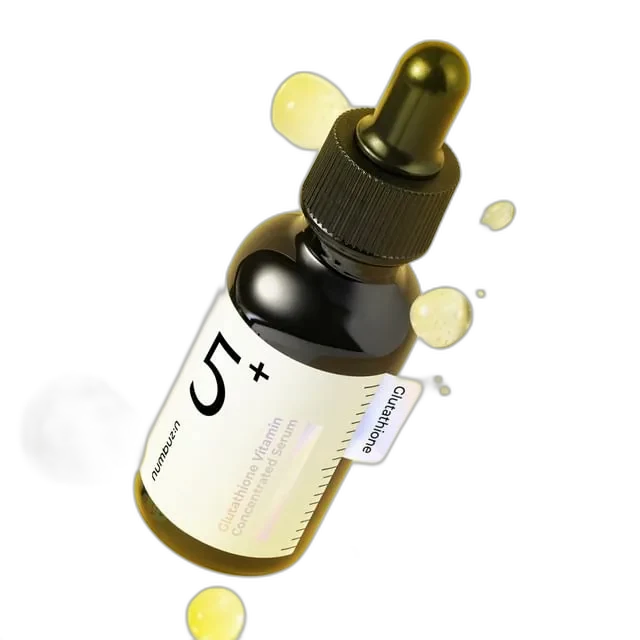
No. 5 Vitamin Concentrated Serum
K-Beauty Brightening Heavy Hitter
 Verified reviewer
Pros & cons.
- +4% tranexamic acid targets melasma through a mechanism most brightening serums lack entirely
- +Six distinct brightening mechanisms create the most comprehensive depigmenting approach in K-beauty
- +Disclosed concentrations (4% tranexamic acid, 5% niacinamide) provide transparency and confidence
- +Completely fragrance-free and alcohol-free with extensive soothing ingredient support
- +CoQ10 and alpha-lipoic acid add clinical-grade antioxidant depth
- +Silky lightweight texture absorbs instantly without residue
- +Pregnancy-safe — valuable for pregnancy-related melasma treatment
- −30ml volume depletes in 6-8 weeks making it pricier per month than the larger toner
- −Results on deep established melasma still require months of patient consistent use
- −Glutathione and vitamin C concentrations not disclosed alongside the tranexamic acid and niacinamide
- −Contains shea butter which may be comedogenic for very acne-prone skin
- −Not vegan due to bifida ferment lysate processing
- −Lower-listed actives like CoQ10 and alpha-lipoic acid are likely at minimal concentrations
The full review.
Tranexamic acid is trending in skincare for good reason. Originally a hemostatic agent to reduce bleeding, this amino acid derivative now appears in dermatological literature as a top topical treatment for melasma—the stubborn, hormonally-driven hyperpigmentation that resists conventional vitamin C and hydroquinone approaches. Numbuzin uses 4% in this concentrated serum, a decision that moves the product beyond a standard vitamin C brightener.
The mechanism matters. Most brightening ingredients—vitamin C, arbutin, kojic acid—inhibit tyrosinase, the enzyme that catalyzes melanin production. This works for many hyperpigmentation types, but melasma and some sun damage stem from upstream signaling pathways that tyrosinase inhibition alone cannot fix. Tranexamic acid blocks plasminogen activator in keratinocytes, reducing the signal cascade UV exposure sends to melanocytes. It addresses the cause rather than the consequence.
At 4%, this serum delivers tranexamic acid at a concentration used in clinical settings. The ingredient is well-tolerated; unlike many potent actives, tranexamic acid rarely causes irritation, redness, or photosensitivity. This makes it an ideal addition to a multi-active formula.
Numbuzin has assembled a comprehensive brightening ingredient roster for this price point. Niacinamide at 5% blocks melanosome transfer. Triple vitamin C—3-O-Ethyl Ascorbic Acid for stability, pure ascorbic acid for potency, and ascorbyl glucoside for sustained release—inhibits tyrosinase via three stability profiles. Alpha-arbutin adds another tyrosinase inhibition pathway through controlled hydroquinone release. Glutathione redirects melanogenesis from eumelanin to pheomelanin. That is six distinct depigmenting mechanisms in one thirty-milliliter bottle.
The supporting ingredients show Numbuzin prioritizes skin support for aggressive brightening. Ceramide NP fortifies the barrier. Panthenol hydrates and heals. Allantoin soothes. Bisabolol calms. Beta-glucan provides anti-inflammatory activity. Bifida ferment lysate supports the skin microbiome. Antioxidant support is also deep: tocopherol, ubiquinone (CoQ10), and thioctic acid (alpha-lipoic acid) provide overlapping defense that protects both the skin and the formula’s vitamin C from oxidative degradation.
The texture is elegant for such a loaded product. The serum has a lightweight, silky consistency—slightly creamier than a water-based serum due to shea butter and caprylic/capric triglyceride, but it absorbs within seconds without tacky residue. It layers well under moisturizer and sunscreen, and the fragrance-free formula feels clean and clinical.
The lingonberry extract base—Vaccinium vitis-idaea—is a smart choice. Lingonberry contains natural arbutin, so the extract contributes brightening activity before the added alpha-arbutin appears in the INCI list. It also provides antioxidant polyphenols and natural vitamin C to complement the synthetic vitamin C forms.
Early adopters report brightening within the first two weeks, signaling that niacinamide and vitamin C are working. Specific dark spots fade at the four-to-six-week mark. For melasma, the serum’s primary use case, users report significant improvement at eight to twelve weeks, matching clinical studies on topical tranexamic acid.
The main limitation is volume. At thirty milliliters, this concentrated treatment serum depletes faster than Numbuzin’s two-hundred-milliliter toners. Using three to four drops twice daily lasts six to eight weeks, making the per-month cost higher than it looks. The concentration justifies the price, but users used to Numbuzin’s larger toner volumes will notice the size change.
The fragrance-free, alcohol-free formulation improves on the original Goodbye Blemish Serum, which used citrus essential oils. Moving from a formula with photosensitizing citrus oils to one built on clean, non-irritating actives shows growth in Numbuzin’s formulation philosophy.
For those treating hyperpigmentation—especially melasma or hormonal dark patches—this serum competes with products costing two to three times more. The tranexamic acid inclusion sets it apart from most K-beauty brightening products, and the multi-mechanism formula ensures it is not a one-trick treatment. This is Numbuzin at its most ambitious and effective.
Formula
### Formula
Ingredient analysis.
Full INCI list
Vaccinium Vitis-Idaea Fruit Extract, Butylene Glycol, Niacinamide, Panthenol, Tranexamic Acid, Water, 1,2-Hexanediol, Neopentyl Glycol Dicaprate, Caprylic/Capric Triglyceride, Sorbitol, Bifida Ferment Lysate, Chondrus Crispus Extract, Butyrospermum Parkii (Shea) Butter, Saccharum Officinarum (Sugarcane) Extract, Alpha-Arbutin, Sodium Hyaluronate, Melia Azadirachta Flower Extract, Ocimum Sanctum Leaf Extract, Melia Azadirachta Leaf Extract, Curcuma Longa Turmeric Root Extract, Corallina Officinalis Extract, Tremella Fuciformis (Mushroom) Extract, Pentylene Glycol, Glycerin, 3-O-Ethyl Ascorbic Acid, Bisabolol, Tromethamine, Ethylhexylglycerin, Adenosine, Hydrogenated Lecithin, Allantoin, Glutathione, Ceramide NP, Beta-Glucan, Dipotassium Glycyrrhizate, Tocopherol, Ascorbic Acid, Ascorbyl Glucoside, Tocopheryl Acetate, Hydroxypropyl Cyclodextrin, Ubiquinone, Thioctic Acid, Potassium Hydroxide, Behenyl Alcohol, Carbomer, Xanthan Gum, Disodium EDTA
Skin match.
The science.
The Science
Clinical evidence supports the 4% tranexamic acid concentration in this serum for topical melasma treatment. In a 2012 randomized controlled trial in the British Journal of Dermatology, Ebrahimi and Naeini showed that 5% topical tranexamic acid significantly reduced melasma area and severity index (MASI) scores over 12 weeks compared to control. A 2020 meta-analysis in the Journal of the American Academy of Dermatology confirmed topical tranexamic acid (2-5%) is effective for melasma and has a favorable safety profile. The mechanism inhibits plasminogen-to-plasmin conversion, which reduces prostaglandin and arachidonic acid release by keratinocytes. This differs from tyrosinase inhibition, so tranexamic acid works on melasma that resists conventional brightening agents.
A 2004 study in the Journal of Pharmacology and Experimental Therapeutics showed alpha-arbutin is more effective than beta-arbutin. The alpha isomer was approximately ten times more effective at inhibiting tyrosinase with low cytotoxicity. This serum uses this more effective form.
The 5% niacinamide concentration matches the clinical standard from Hakozaki et al. in a 2002 British Journal of Dermatology study. There, 5% niacinamide significantly reduced hyperpigmentation and increased skin lightness over 4 weeks by inhibiting melanosome transfer.
A 2017 Clinical, Cosmetic and Investigational Dermatology trial studied glutathione's topical brightening mechanism. The trial showed both oxidized and reduced glutathione applied topically reduced melanin index scores over 10 weeks via tyrosinase inhibition and a shift toward pheomelanin production.
References
- Topical Tranexamic Acid as a Promising Treatment for Melasma — British Journal of Dermatology (2012)
- Topical Tranexamic Acid for Melasma: A Meta-Analysis — Journal of the American Academy of Dermatology (2020)
- Inhibitory Effect of Alpha-Arbutin on Melanogenesis — Journal of Pharmacology and Experimental Therapeutics (2004)
Dermatologist Perspective
Dermatologists increasingly use topical tranexamic acid in melasma treatment protocols; this serum's 4% concentration is within the clinically studied range. Board-certified dermatologists would value the multi-mechanism approach. Combining upstream signal inhibition (tranexamic acid), tyrosinase inhibition (vitamin C, arbutin), melanosome transfer blocking (niacinamide), and melanin type switching (glutathione) mirrors clinical pigmentation management. The clean, irritant-free formulation works as a maintenance treatment with prescription agents or as a standalone option for patients preferring over-the-counter management. Dermatologists would likely recommend this as a credible alternative to more expensive clinical serums for mild-to-moderate melasma.
Where it fits in your routine.
Apply 3-4 drops to fingertips after cleansing and toning. Pat and press the serum into dark spots, melasma patches, and uneven tone. Wait 1-2 minutes for absorption before applying moisturizer. Use morning and evening. Wear SPF 30+ during the day. Use with retinol at night by applying this serum first, then retinol.
At $26 for 30ml, this serum costs more per milliliter than Numbuzin's toner offerings, but the active density justifies the price. The 4% tranexamic acid, 5% niacinamide, glutathione, alpha-arbutin, triple vitamin C, and clinical antioxidants match Western clinical brands priced at $50-80. One bottle lasts 6-8 weeks, costing roughly $13-17 per month — a competitive rate for a clinical-level brightening serum. For melasma sufferers, the tranexamic acid provides value most K-beauty alternatives cannot match.
This serum is the most comprehensive brightening option in K-beauty for melasma, stubborn hyperpigmentation, post-inflammatory dark spots, or uneven skin tone. It works well for people who see little result from standard vitamin C serums alone. The fragrance-free, alcohol-free formula suits sensitive skin.
Choose the No. 5 Vitamin Boosting Essential Toner for a lower cost per milliliter. The No. 5 Vitamin Boosting Essential Toner provides sufficient brightening for mild, generalized hyperpigmentation at a better value. Patch test the No. 5 Vitamin Boosting Essential Toner if you have very oily or acne-prone skin because it contains shea butter.
Product details.
Unscented — no added fragrance. Raw ingredients leave a faint, neutral scent.
A 30ml bottle uses a dropper dispenser. Opaque packaging protects the vitamin C and other light-sensitive actives from degradation. *** Finish lightweightdewyfast-absorbing ***
The serum feels light and silky without stinging or irritation. Skin looks subtly brighter after the first few applications. The fragrance-free formula is clean and unobtrusive. Most users need no adjustment period.
6-8 weeks with twice-daily use of 3-4 drops per application ***
12 months ***
All Year ***
The backstory.
This concentrated serum represents Numbuzin's most advanced brightening formula, building on the Goodbye Blemish Serum's success while addressing its shortcomings. The addition of tranexamic acid — an ingredient gaining rapid recognition in dermatology for melasma treatment — signals the brand's ambition to compete with clinical skincare brands while maintaining K-beauty accessibility.
About Numbuzin
Emerging Brand (2–5 years)Numbuzin launched in 2019 via Korean beauty startup Benow. This concentrated serum is the brand's premium brightening option. It discloses concentrations of key actives to build formulation credibility.
Common myths.
Tranexamic acid works for melasma only when taken orally or injected.
Oral tranexamic acid has strong clinical evidence for melasma, but topical application at 2-5% also works. A 2012 study shows 5% topical tranexamic acid reduces melasma severity significantly over 12 weeks. The 4% concentration in this serum is within the clinically studied range.
Combining this many brightening actives causes irritation or sensitivity.
The actives in this formula use different mechanisms and do not irritate when combined. Tranexamic acid, niacinamide, and arbutin are well-tolerated alone or together. The formula also uses ceramide NP, panthenol, allantoin, and bisabolol to support barrier integrity and calm irritation.
FAQ.
What is the difference between this serum and the Numbuzin Goodbye Blemish Serum?
This Concentrated Serum is the advanced formula. It adds 4% tranexamic acid, alpha-arbutin, glutathione, and bifida ferment lysate but removes the citrus essential oils found in the Goodbye Blemish Serum. It lists specific active concentrations (4% tranexamic acid, 5% niacinamide), is fragrance-free, and targets melasma more effectively.
Can I use this serum during pregnancy?
Yes — none of the active ingredients in this serum (tranexamic acid, niacinamide, vitamin C, arbutin, glutathione) are contraindicated during pregnancy when applied topically. This makes it a brightening option for pregnancy-related melasma, though you must consult your healthcare provider before starting new skincare during pregnancy.
How does tranexamic acid work differently from vitamin C for dark spots?
Vitamin C inhibits tyrosinase, the enzyme that produces melanin. Tranexamic acid uses a different pathway: it blocks plasminogen activator in keratinocytes to reduce UV-triggered signaling to melanocytes. This makes tranexamic acid effective for melasma and hormonal hyperpigmentation that vitamin C alone does not treat well.
Is this serum safe for sensitive skin?
Yes — this serum is fragrance-free, alcohol-free, and contains soothing ingredients (ceramide NP, panthenol, allantoin, bisabolol, beta-glucan) despite its potent actives. Tranexamic acid tolerates well topically, and the 5% niacinamide concentration stays within the range clinical studies show is gentle for sensitive skin.
What the community says.
"Visible dark spot fading within weeks"
"Lightweight silky texture absorbs instantly"
"No irritation despite the potent active roster"
"Skin looks noticeably brighter and more even"
"30ml bottle feels small for the price"
"Results on deep melasma require patience and months"
"Some users expected faster dramatic results"
"Shea butter may not suit very oily or acne-prone skin"
Featured in.
People also looked at.