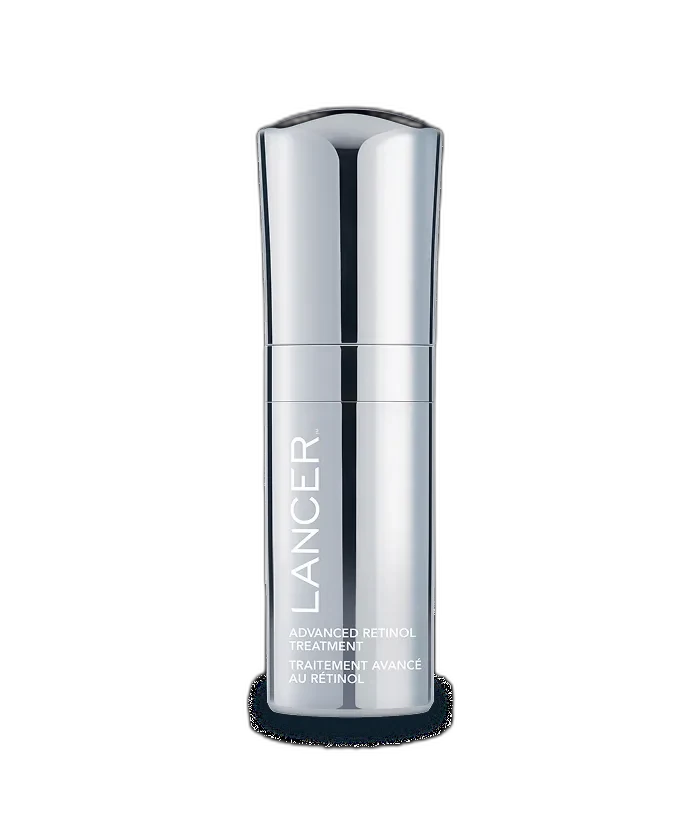
Advanced Retinol Treatment
Dermatologist's Daily Retinol
 Verified reviewer
Pros & cons.
- +Meaningful retinol dose with ceramide and bakuchiol support
- +Tolerable for nightly use without typical flaking
- +Elegant, fast-absorbing serum texture
- +Visible smoothing and radiance within weeks
- +Fragrance-free with layered soothing complex
- +Dark airless packaging protects retinol stability
- +Formulated by an active-practice dermatologist
- −Expensive at $110 for just 30ml
- −Exact retinol percentage not disclosed on label
- −Small bottle size for the price point
- −Not suitable during pregnancy or breastfeeding
- −Requires careful routine layering with other actives
The full review.
About Dr. Lancer
Dr. Harold Lancer has run a top Beverly Hills dermatology practice for over thirty years. His name often appears in Vogue celebrity skincare features. While celebrity clinical lines often prioritize packaging over substance, Lancer Skincare differs. The line is commercial, expensive, and based on Dr. Lancer’s personal method, but the formulations perform well. The Advanced Retinol Treatment shows what happens when a working dermatologist designs a product for daily clinical problems. Dr. Lancer says most patients quit retinol. Retinol is one of the most studied actives in dermatology, but the irritation cycle breaks consistency. Skin turns red, peels, or stings, so patients reduce use or stop. Since retinol benefits require sustained use over months and years, the drop-off is the main issue. This serum is Lancer’s solution. The active backbone is a 0.5% retinol. Lancer does not formally disclose the concentration, but the tolerance profile and positioning match a standard 0.5% dose. Most dermatologists consider this concentration the sweet spot between efficacy and livability. Lancer builds a support system around it that typical retinol serums lack. Bakuchiol acts as a secondary retinoid-receptor activator; it adds complementary signaling without increasing irritation. Ceramide NP provides the lipid scaffolding to rebuild the barrier retinol thins during turnover. Niacinamide calms redness and supports ceramide synthesis. Centella asiatica, bisabolol, allantoin, and licorice root form a soothing complex that targets the retinoid irritation cascade. Panthenol and sodium hyaluronate handle hydration. Squalane restores the lipid film. In practice, this retinol serum behaves like a nightly treatment rather than a weekly treatment hazard. The texture is a light, silky serum that sinks in fast, applies evenly, and does not pill under a moisturizer. Most users report no stinging on first use. While the second week of ramp-up sometimes brings mild tightness or tiny flakes, the classic lizard-skin retinol peel seen in inferior formulas rarely shows up here. Results follow the standard retinol timeline. After one or two weeks, the skin surface feels softer and shows subtle radiance. By two months, fine lines visibly smooth and skin tone looks more even. By six months, you see the collagen-remodeling benefits research supports: better texture, better elasticity, and better pigmentation. This is expected from a well-formulated 0.5% retinol used every night. Lancer designed this formula so users stick with it to reach those results. The price is the predictable downside. At $110 for 30ml, it costs the same as SkinCeuticals and other prestige retinols, but about four times more than well-regarded options from CeraVe, Naturium, or The Ordinary. You pay for the Lancer name, in-house development, the ceramide-plus-bakuchiol architecture, and the Beverly Hills positioning. For buyers who value Dr. Lancer’s clinical reputation, that math makes sense. For others, a 0.5% retinol is a 0.5% retinol, and cheaper options with good barrier support reach similar destinations. Other valid complaints include the small 30ml size, the lack of published retinol concentration, and the standard retinol pregnancy exclusion. But as a daily retinol built for tolerability, this one earns a spot in the conversation.
Formula
Ingredient analysis.
Full INCI list
Water, Caprylic/Capric Triglyceride, Dimethicone, Glycerin, Butylene Glycol, Pentylene Glycol, Retinol, Squalane, Bakuchiol, Ceramide NP, Tocopherol, Niacinamide, Panthenol, Sodium Hyaluronate, Glycyrrhiza Glabra (Licorice) Root Extract, Camellia Sinensis Leaf Extract, Centella Asiatica Extract, Allantoin, Bisabolol, Polysorbate 20, Carbomer, Xanthan Gum, Phenoxyethanol, Ethylhexylglycerin
Skin match.
The science.
The Science
Retinol has one of the strongest evidence bases in topical dermatology. Decades of peer-reviewed research, including studies in JAMA Dermatology and the Journal of Investigative Dermatology, show that retinol and retinoic acid stimulate collagen synthesis, speed keratinocyte turnover, and fade pigmentation via tyrosinase modulation. A 0.5% retinol concentration typically shows these clinical effects within three months of nightly use. Formulation choices matter here because retinol's main limit is tolerability, not efficacy. Published research shows Ceramide NP accelerates barrier repair and reduces transepidermal water loss, which counteracts how retinol thins the stratum corneum during the adjustment phase. Bakuchiol is a newer addition to retinol research. A 2018 split-face study in the British Journal of Dermatology compared 0.5% bakuchiol to 0.5% retinol over twelve weeks; it found comparable improvements in wrinkle depth and hyperpigmentation, but bakuchiol caused significantly less scaling and stinging. This formulation layers bakuchiol with retinol rather than substituting one for the other, a logical strategy given their overlapping but distinct mechanisms. Centella asiatica is a proven topical soother; multiple studies show it reduces TEWL and inflammatory markers in irritated skin. The formula translates current retinol tolerability research into an evidence-driven product.
References
- Prospective, randomized, double-blind assessment of topical bakuchiol and retinol for facial photoageing — British Journal of Dermatology (2019)
Dermatologist Perspective
Dermatologists view retinol as the most evidence-backed over-the-counter anti-aging active. They most frequently recommend 0.5% to patients moving beyond entry-level formulations. Board-certified dermatologists note that consistency, not concentration, limits retinol treatment, which matches Lancer's formulation philosophy. Including ceramides and bakuchiol aligns with how many clinicians help patients stay adherent to retinoid therapy; dermatologists often prescribe similar ingredient combinations in compounded prescriptions. Patients with rosacea, active eczema, or compromised barriers usually start with lower-strength retinoids or use azelaic acid or bakuchiol monotherapy instead.
Where it fits in your routine.
Apply a pea-sized amount to dry skin at night after cleansing and toning. Dot onto the forehead, cheeks, chin, and neck, then smooth evenly. Let it absorb for one minute before applying a ceramide moisturizer. New retinol users start every third night, move to every other night after two weeks, and use nightly after one month. Use broad-spectrum SPF the next morning. Do not use with AHAs, BHAs, benzoyl peroxide, or vitamin C in the same routine. Avoid use during pregnancy.
At $110 for 30ml, this serum competes in the prestige retinol market with SkinCeuticals Retinol 0.5 and Skinbetter AlphaRet. The ceramide and bakuchiol support system adds formulation value compared to simpler retinol serums, but the price also pays for the Dr. Lancer name and Beverly Hills positioning. CeraVe or Naturium offer comparable results with less expensive dermatologist-recommended retinols that use similar barrier support strategies for less money. The price is defensible for users who want a clinician-developed formula and like Lancer's approach. Users who only want a well-tolerated 0.5% retinol can find cheaper options.
Users in their mid-thirties and older want a well-tolerated daily retinol with ceramide and soothing support. This formula suits those who value dermatologist-developed formulations. It also works for people who stopped using retinol due to irritation and want to try it again.
Pregnant or breastfeeding users, people with active eczema, rosacea flares, or compromised skin barriers, and anyone on a strict skincare budget can get the same results with retinol serums at a third of the price.
Product details.
A lightweight, silky serum that spreads thin and sinks in without tackiness.
Essentially fragrance-free with a faint neutral ingredient scent.
A matte black dark glass airless pump bottle protects the retinol from light and air degradation.
Most users report no stinging on first application. Mild dryness or tightness can appear in week two as cell turnover increases, but ceramide support usually prevents visible flaking. Expect a subtle brightening effect within the first two weeks.
Approximately 3-4 months with nightly pea-sized application to face and neck.
6 months
fall winter
The backstory.
Dr. Harold Lancer has run a Beverly Hills dermatology practice for more than three decades and developed his skincare line in 2009 around his 'Lancer Method' of polishing, cleansing, and nourishing. This retinol serum was introduced in 2019 to answer the complaint Dr. Lancer heard most often from his patients: that prescription tretinoin and over-the-counter retinols alike were too irritating for them to stay consistent. The formula was specifically engineered to combine a meaningful retinol dose with enough barrier support to make nightly use sustainable.
About Lancer Skincare
Dr. Harold Lancer, a Beverly Hills dermatologist with over three decades of clinical practice and a high-profile celebrity patient roster, founded Lancer Skincare in 2009. The brand develops its formulas in-house using Dr. Lancer's trademarked 'polish, cleanse, nourish' method. *Established Brand (5–20 years)*
Common myths.
Higher retinol percentages always deliver better results.
Consistency matters more than concentration. A 0.5% retinol used nightly outperforms a 1% retinol used twice a week because of skin flaking. This formula uses that reality.
Bakuchiol is a vegan alternative to retinol.
Bakuchiol activates similar receptors but has less potency than retinol for wrinkles and collagen markers. It complements this formula rather than replacing retinol.
FAQ.
What retinol percentage does Lancer Advanced Retinol Treatment contain?
Lancer does not disclose the exact retinol percentage. However, the formula positioning and reported user experience align with 0.5% retinol — a dose for nightly use by users with some retinol tolerance.
Is this safe for daily use?
Yes, for most users. The ceramide and bakuchiol support system works for nightly application. Dr. Lancer developed this serum for patients wanting consistent retinol use. Use it every other night if you are new to retinoids.
Can I use this with vitamin C or exfoliating acids?
Do not use these in the same routine. Use vitamin C in the morning and use AHAs or BHAs on nights without retinol. Layering them increases irritation risk without adding benefit.
Is it pregnancy safe?
No. People typically avoid all retinoid products, including over-the-counter retinol serums, during pregnancy and breastfeeding as a precaution. Use a bakuchiol-only or peptide alternative during that period.
How is this different from SkinCeuticals Retinol 0.5?
Both are well-formulated 0.5% retinol serums. Lancer's version includes bakuchiol and a more developed ceramide support system, and uses a lighter serum texture than SkinCeuticals' creamier base. The performance ceiling is similar.
When should I expect to see results?
Radiance and soft-focus effects appear in 2-3 weeks. Fine lines and pigmentation improve in 8-12 weeks. Full collagen remodeling lasts six months and beyond.
Community
What the community says.
"Tolerable for daily use"
"Visible smoothing within weeks"
"No classic retinol flaking"
"Elegant serum texture"
"Brightening effect"
"Expensive for 30ml"
"Retinol concentration not disclosed on label"
"Not pregnancy safe"
"Small bottle size"
People also looked at.