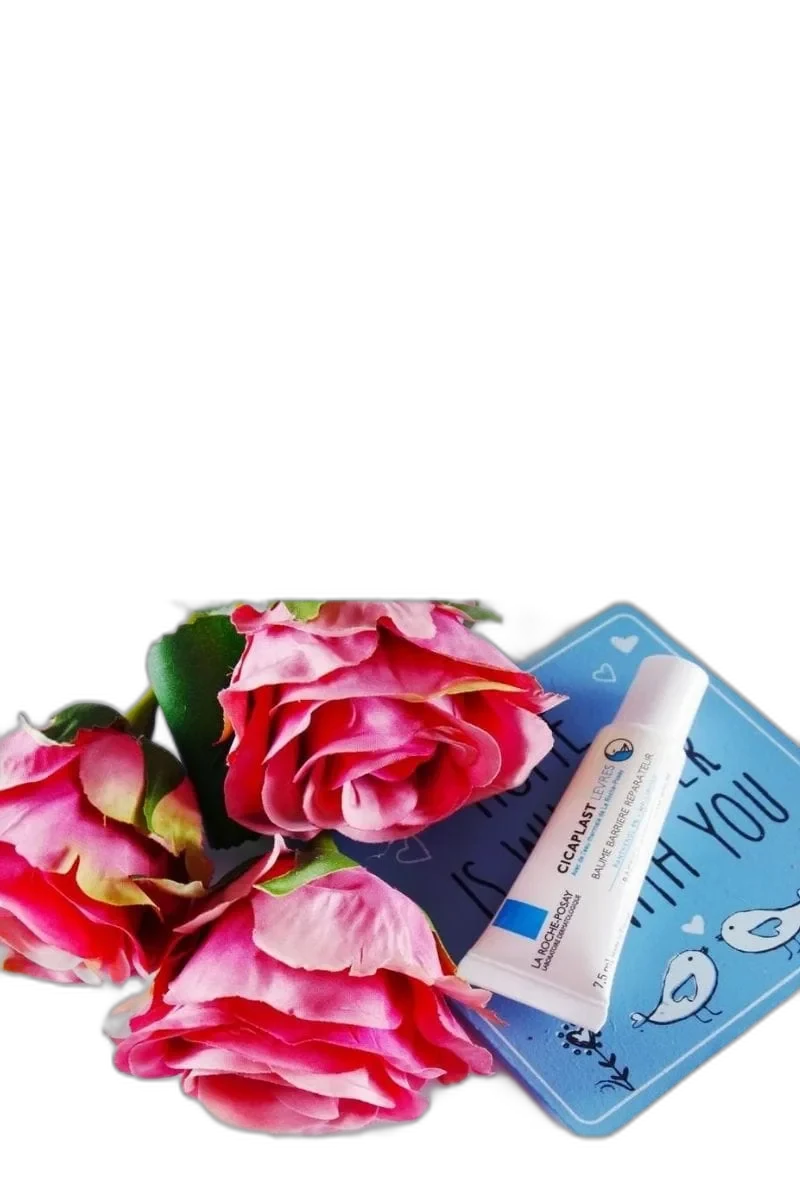
Cicaplast Levres Lip Balm
Cracked Lip Rescue
 Verified reviewer
Pros & cons.
- +5% panthenol provides therapeutic-grade repair beyond basic moisturizing
- +10% shea butter creates a durable occlusive seal that lasts for hours
- +Completely fragrance-free with no irritating camphor, menthol, or phenol
- +Heals severely cracked and chapped lips within days of consistent use
- +Exceptionally short ingredient list minimizes allergen and irritation risk
- +Compact tube is genuinely portable — fits in any pocket or small bag
- −Expensive per ounce at nearly $48/oz despite lasting 2-3 months
- −Thick, medicinal texture feels heavy for casual everyday use
- −No SPF — requires a separate sun-protective lip product for outdoor use
- −Contains beeswax — not suitable for vegan consumers
- −Tube applicator deposits product imprecisely
The full review.
Cicaplast Baume B5+ inspires intense loyalty. Users hoard it and buy backups for everything from eczema patches to fresh tattoos and post-laser skin. When La Roche-Posay applied this barrier-repair philosophy to a lip balm, the logic was obvious.
Cicaplast Levres puts the Cicaplast approach into a small tube with three main concentrations: 5% panthenol, 10% shea butter, and 3% MP-lipids. These percentages are functional. 5% panthenol is the concentration used in wound-healing creams; at this level, provitamin B5 moves from humectant duty to active tissue repair, stimulating cell proliferation and reducing inflammation in damaged skin. 10% shea butter provides an occlusive layer of oleic and stearic acids that mimics natural skin lipids. The MP-lipid complex, built on soybean sterols, works at the structural level to rebuild the disrupted barrier that causes chronic chapping.
This distinction matters because most lip balms are cosmetic, not therapeutic. They coat the lips for temporary relief and require reapplication within the hour. Cicaplast Levres fixes the problem. The panthenol stimulates lip tissue repair. The shea butter and beeswax create a durable seal that protects healing tissue from wind, saliva, and the licking that perpetuates chapping. The MP-lipids restore the barrier architecture so lips hold moisture on their own.
The texture reinforces this therapeutic identity. This is not a glossy, slippery lip balm that disappears in twenty minutes. It is thick, dense, and medicinal. You feel a substantial, waxy layer on the lips. For painfully cracked lips in winter, this is what you want. For a barely-there lip product in May, it feels like overkill.
The ingredient list is short—fourteen ingredients with nothing controversial. There is no fragrance, no flavor, no menthol, no camphor, and no phenol. This is important. Many lip balms use camphor or menthol to create a cooling sensation that mimics healing. These are actually mild irritants that cause a cycle: irritation causes dryness, which drives reapplication, which delivers more irritant. Cicaplast Levres breaks this cycle by containing nothing that irritates. The only additive is sodium saccharin, a sweetener to prevent an unpleasant taste.
The balm contains beeswax, so it is not vegan. For barrier repair, beeswax is a formulation choice; its occlusive properties and compatibility with other lipids are difficult to replicate with plant-based alternatives at this performance level. Vegans will need to look elsewhere.
One limitation is the absence of SPF. For daytime use, you must layer a sun-protective product on top if you are outdoors. Cicaplast Levres is a repair product—an overnight lip mask, a post-windburn treatment, or defense against dry office air. Pair it with a dedicated SPF lip balm for sun protection.
At $11.99 for 0.25 ounces, the price is nearly $48 per ounce. However, context matters. You use a tiny amount, the dense formula lasts, and one tube typically lasts two to three months of daily use. That is roughly $4-6 per month for effective lip repair. Compared to the cumulative cost of drugstore lip balms that only provide temporary relief, this therapeutic approach saves money over time.
The tube tip makes application imprecise; squeezing and dabbing can deposit too much or too little. A doe-foot applicator or twist-up format would improve the experience, but the tube keeps the product hygienic and fits anywhere.
If you have tried many lip balms without fixing chronically chapped lips, Cicaplast Levres offers a different result: your lips get better rather than just feeling better until the product wears off. La Roche-Posay brought clinical-grade repair to a category of cosmetic half-measures. The result is a lip balm that is boring, effective, and exactly what damaged lips need.
Ingredient analysis.
Full INCI list
Caprylic/Capric Triglyceride, PPG-5 Pentaerythrityl Ether, PEG-5 Pentaerythrityl Ether, Butyrospermum Parkii Butter/Shea Butter, Cera Alba/Beeswax, Panthenol, Hydrogenated Vegetable Oil, Ethylhexyl Palmitate, Silica Silylate, Polybutene, Glycine Soja/Soybean Sterols, Aqua/Water, Sodium Saccharin, Myristyl Malate Phosphonic Acid, Pentaerythrityl Tetra-Di-T-Butyl Hydroxyhydrocinnamate
Skin match.
The science.
The Science
The efficacy of this lip balm centers on panthenol at 5%, a concentration at which provitamin B5 transitions from a passive humectant to an active wound-healing agent. A comprehensive review published in the Journal of Dermatological Treatment (2017) confirmed that panthenol at 5% improves stratum corneum hydration, reduces transepidermal water loss (TEWL), maintains skin softness, and accelerates epithelial regeneration. When applied to the lips — which have the thinnest stratum corneum of any body site — these effects are amplified because the active reaches target cells more readily.
Shea butter (Butyrospermum parkii) at 10% provides barrier-compatible lipids. Research published in the American Journal of Life Sciences (2010) documented shea butter's anti-inflammatory properties and its unique composition of oleic acid (40-60%), stearic acid (20-50%), linoleic acid, and palmitic acid. This fatty acid profile closely mirrors the skin's own intercellular lipids, making shea butter particularly effective at integrating into and reinforcing a disrupted barrier rather than simply sitting on top of it.
The MP-lipid complex containing soybean sterols represents La Roche-Posay's approach to structural barrier repair. Plant sterols, particularly beta-sitosterol from soy, have been shown in dermatological research to help restore lipid barrier organization in compromised skin. Unlike simple occlusion (which prevents moisture loss from the surface), phytosterols integrate into the lipid matrix between corneocytes, restoring the barrier's structural integrity.
The absence of common lip balm irritants — camphor, menthol, and phenol — is as clinically significant as the active ingredients. Research in Contact Dermatitis has documented that these ingredients, while providing temporary cooling sensations, can cause chronic irritant contact dermatitis of the lips (cheilitis), perpetuating the very dryness they're supposed to treat.
References
- Dexpanthenol in dermatological treatment — Journal of Dermatological Treatment (2017)
Dermatologist Perspective
Dermatologists frequently recommend the Cicaplast Levres for patients with chronic cheilitis — persistent lip dryness and cracking that doesn't respond to standard lip balms. Board-certified dermatologists note that the therapeutic concentration of panthenol sets this apart from cosmetic lip products, as it actively stimulates epithelial repair rather than providing temporary occlusion. Dermatologists also appreciate the absence of common irritants like camphor and menthol, which are known triggers for irritant contact cheilitis. For patients undergoing isotretinoin treatment, which causes severe lip dryness as a near-universal side effect, dermatologists recommend this balm as part of the supportive care protocol.
Where it fits in your routine.
Apply a thin layer to clean, dry lips as needed during the day. For intensive repair, use a thick layer before bed as an overnight lip mask. The thick formula stays on all night. For cracked lips, apply immediately and reapply after eating or drinking. Wear under lipstick after 5-10 minutes of absorption. For preventive use in harsh weather, apply before wind or cold exposure.
At $11.99 for 0.25 ounces, Cicaplast Levres seems expensive initially. However, the dense, concentrated formula requires little per use. One tube lasts 2-3 months with daily use, costing roughly $4-6 per month. This therapeutic approach costs less over time than buying multiple drugstore lip balms that only offer temporary relief. La Roche-Posay's pharmacy-brand heritage and the actual therapeutic concentrations of panthenol and shea butter justify the higher price than cosmetic lip products.
Use this for chronically chapped, cracked, or peeling lips that resist regular lip balm. It is essential for isotretinoin users with medication-induced lip dryness. It works for harsh winter climates, frequent flyers, and those in drying environmental conditions. It also suits anyone with fragrance sensitivities needing a completely neutral lip product.
Vegan consumers should note this contains beeswax. The texture is too thick for those wanting a lightweight, barely-there daily lip product. Users needing SPF in their lip product must pair this with a sun-protective option or choose a different product for daytime outdoor use.
Product details.
This thick, dense balm has a slightly waxy consistency and feels substantial on the lips. It is less slippery than petroleum-based lip balms; it has more body and stays where you put it. Body heat makes it more pliable.
Unscented. It has no fragrance, flavor, or sweetener taste. The beeswax and shea butter base leaves only a faint waxy note.
Small white squeeze tube with a narrow applicator tip. The 0.25 oz size is compact and portable — it fits in a pocket, purse, or desk drawer. It has a clinical, pharmacy-brand aesthetic.
It applies as a thick, protective layer that soothes dry or cracked lips immediately. The occlusive seal stops the stinging of exposed, chapped tissue for instant comfort. It has no tingling, cooling, or camphor-type sensations. The texture feels medicinal rather than cosmetic, as intended.
2-3 months with daily use (morning and evening)
12 months
fall winter
The backstory.
The Cicaplast Levres extends La Roche-Posay's Cicaplast line — originally developed for post-procedure and damaged skin repair — to the lips. The logic was simple: if panthenol and barrier-repairing lipids could heal compromised facial skin, the same approach should work on chronically chapped lips, which suffer from the same barrier disruption in an even more exposed location.
About La Roche-Posay
Legacy Brand (20+ years)La Roche-Posay launched in 1975 near central France's thermal springs. Dermatologists have recommended the brand for nearly five decades. Dermatologists develop its formulations, which undergo extensive clinical testing across many skincare categories.
Common myths.
Lip balm causes dependency — use increases the need for it.
This balm lacks irritating ingredients like camphor, menthol, or phenol that cause irritation and temporary relief cycles. Panthenol and shea butter repair the lip barrier. As lips heal, you use less product, not more.
Expensive lip balms lack value — any lip product works the same.
Basic lip balms provide temporary occlusion without active repair. This formula uses 5% panthenol, a therapeutic concentration that stimulates cell renewal and reduces inflammation. Most drugstore lip balms lack these ingredients and concentrations.
FAQ.
How is this different from regular lip balm?
Most lip balms only provide temporary moisture via occlusion; they coat the lips without repairing them. The Cicaplast Levres uses 5% panthenol (a concentration used in wound-healing products), 10% shea butter, and 3% MP-lipids to repair the lip's barrier instead of just covering it. Use The Cicaplast Levres as a lip treatment, not just a moisturizer.
Can I use this as an overnight lip mask?
Yes — applying a thick layer before bed works well. The dense balm texture stays put overnight. Panthenol repairs chapped tissue for hours while the occlusive layer prevents moisture loss during sleep.
Does this lip balm have SPF?
Cicaplast Levres lacks sun protection. For daytime outdoor use, layer an SPF lip product on top or use La Roche-Posay's Anthelios lip balm for combined protection. Cicaplast Levres works best as a repair treatment, especially overnight.
Is this safe for children?
The fragrance-free, minimal-ingredient formula is safe for children with chapped lips. But sodium saccharin (sweetener) may cause young children to lick their lips more, which worsens chapping. Supervise use with small children.
Can I wear lipstick over this?
Yes, but wait 5-10 minutes for the balm to absorb before applying lip color. The thick texture turns more matte as it sets, creating a smooth base for lipstick. Use a thinner application of the balm for very pigmented or matte lipsticks to prevent sliding.
What the community says.
"Heals severely chapped and cracked lips within days"
"Long-lasting wear that doesn't need constant reapplication"
"No fragrance or flavor that could irritate"
"Thick, protective texture that stays put overnight"
"Small tube is easy to carry everywhere"
"Expensive for a 0.25 oz lip balm"
"Thick texture feels heavy for everyday casual use"
"No SPF protection"
"Contains beeswax — not vegan"
"Tube applicator can be imprecise"
Featured in.
People also looked at.