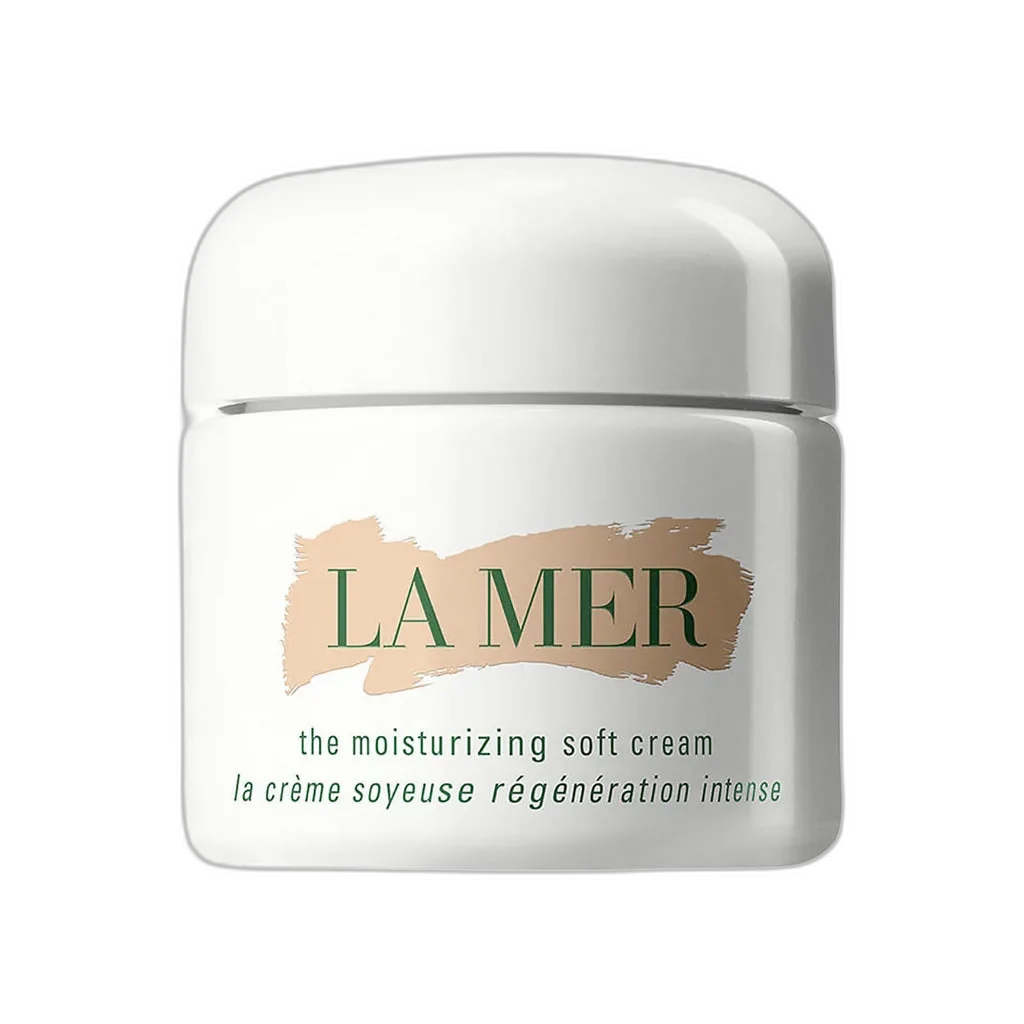
The Moisturizing Soft Cream
Luxury Moisture Icon
 Verified reviewer
Pros & cons.
- +Miracle Broth as the first ingredient with petrolatum as a proven occlusive backbone
- +Cholesterol and shea butter provide physiological barrier repair at meaningfully high concentrations
- +Dual peptides and oil-soluble vitamin C add genuine anti-aging functionality beyond basic moisturization
- +Silky, airy texture melts into skin without greasiness and works beautifully under makeup
- +Micrococcus lysate and vitamin B12 add innovative DNA repair and anti-inflammatory technology
- +All-day hydration that holds up even in harsh winter conditions
- −At $390 for 2 oz, the price vastly exceeds what the ingredients justify
- −Five individually listed fragrance allergens plus eucalyptus and lime oils
- −Jar packaging exposes vitamin C derivative and peptides to air and bacterial contamination
- −Too rich for oily or acne-prone skin, especially in warmer months
- −Alcohol denat serves no clear purpose in a rich moisturizing formula
- −Core moisturizing technology (petrolatum, cholesterol, peptides) available at a fraction of the price
The full review.
There is a delicious irony at the heart of La Mer’s Moisturizing Soft Cream. Beneath the frosted glass, the Miracle Broth mythology, and the four-hundred-dollar price tag, the third ingredient in this formula is petrolatum — the same humble petroleum jelly that has sat in medicine cabinets since 1872. And here is the thing: that might be the smartest formulation decision La Mer has ever made.
Petrolatum is, by every measure of dermatological evidence, the most effective occlusive moisturizer available in cosmetics. It prevents up to 99% of transepidermal water loss. The American Academy of Dermatology recommends it for eczema, wound healing, and compromised skin barriers. It is non-comedogenic at cosmetic-grade purity. When La Mer places Miracle Broth at position one and petrolatum at position three, they are building a luxury experience on top of one of dermatology’s most reliable foundations.
The Soft Cream represents La Mer’s evolution from legacy to legitimately interesting. Where the original Crème de la Mer relied primarily on the Miracle Broth narrative, the Soft Cream layers in modern anti-aging technology that gives the formula genuine depth. Dual peptides — Acetyl Hexapeptide-8 (Argireline) for neurotransmitter-mediated wrinkle relaxation and Palmitoyl Hexapeptide-12 for collagen support — add functionality that the original never had. Tetrahexyldecyl ascorbate, an oil-soluble vitamin C derivative, takes advantage of the cream’s lipid-rich environment for optimal delivery. Micrococcus lysate contributes DNA repair enzymes. Even vitamin B12 (cyanocobalamin) makes an appearance, bringing anti-inflammatory properties that have been studied in atopic dermatitis.
The supporting cast reads like a comprehensive moisturizing strategy. Cholesterol at position eight is a meaningfully high placement for this barrier-essential lipid. Shea butter at position nine provides rich emolliency. Sodium hyaluronate draws water to the skin’s surface. Sodium PCA and trehalose add additional humectant layers. The whole system is designed to hydrate from multiple angles — humectants draw moisture, emollients fill gaps between skin cells, and the petrolatum-silicone complex seals everything in.
Texture
The texture is where the Soft Cream justifies its name and, arguably, some of its premium. It applies like a cream that has been somehow aerated — rich enough to feel substantial but light enough to melt completely into the skin within seconds. There is none of the waxy resistance of the original Crème de la Mer. It leaves skin immediately dewy and plumped, with a subtle glow that works beautifully under makeup. The silicone blend creates a smooth, almost primer-like finish that makes foundation application noticeably easier.
Best for
For dry and normal skin types, the daily moisturizing performance is genuinely excellent. Skin stays hydrated throughout the day, even in harsh winter conditions. The petrolatum occlusion means that whatever you apply underneath — vitamin C serums, retinol, hyaluronic acid — stays locked in and working. After several weeks of consistent use, the cumulative effect is skin that looks plumper, more resilient, and more evenly toned.
Common Complaints
But the familiar La Mer contradictions persist. Fragrance sits at position 75, with five individually listed allergens — limonene, linalool, hydroxycitronellal, citronellol, and geraniol — following it. Eucalyptus leaf oil and lime peel extract add additional sensitization potential. For a cream that many users apply twice daily to their entire face, these are meaningful exposures. Alcohol denat appears at position 74, serving no obvious benefit in a rich moisturizer.
Scent
The fragrance itself is La Mer’s signature — a herbal-marine blend that fans consider part of the ritual and detractors consider an unnecessary risk. It is lighter and less assertive than in other La Mer products, but unmistakably present. For someone paying $390 for a moisturizer, the option of a fragrance-free version should exist. It does not.
Value
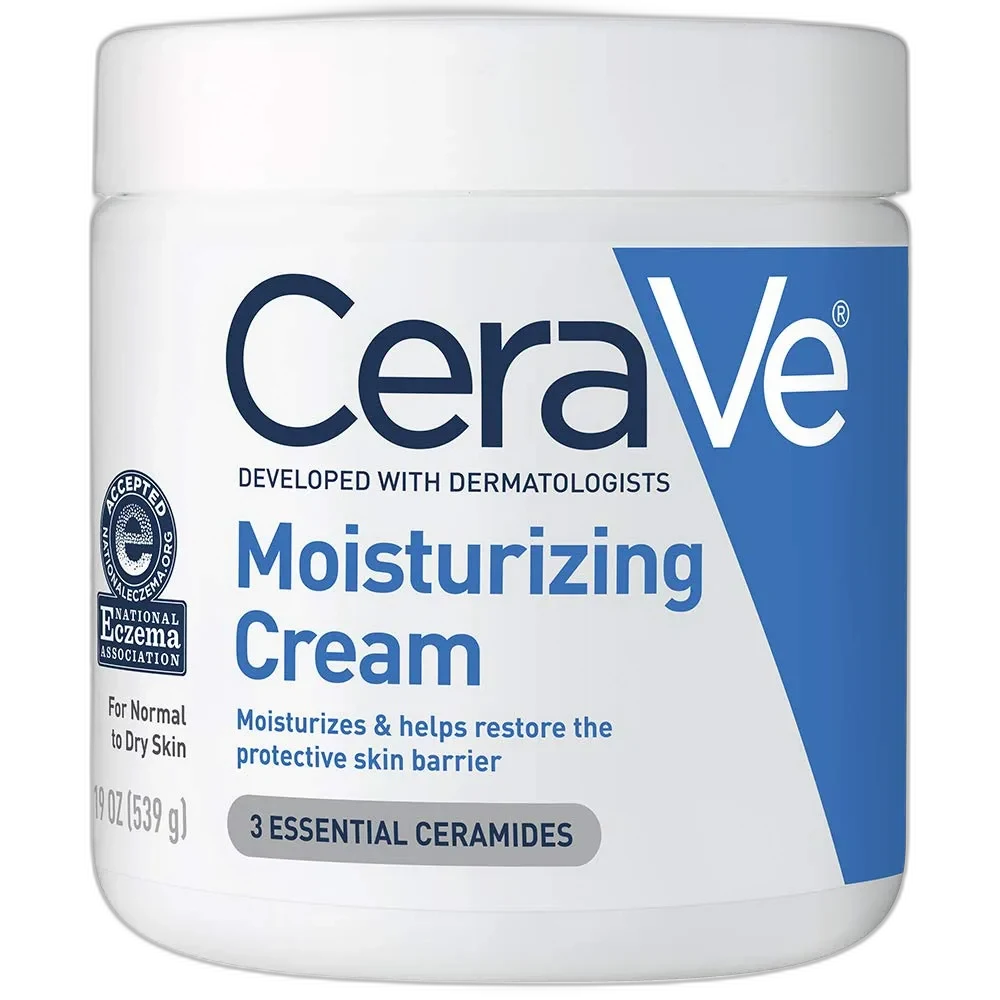
The value analysis requires uncomfortable honesty. Petrolatum costs pennies per pound. Cholesterol and shea butter are widely available at commodity prices. The peptides and vitamin C derivative are more expensive raw materials, but they appear in moisturizers from Olay, Neutrogena, and CeraVe at $15-40. What La Mer charges for is the Miracle Broth fermentation process, the marine extract complex, and the intangible luxury of opening a heavy frosted glass jar on your vanity.
The Moisturizing Soft Cream is, genuinely, a well-formulated moisturizer. The petrolatum-cholesterol base is dermatologically sound. The peptides and vitamin C add meaningful anti-aging function. The texture is exceptional. If La Mer sold this formula in a tube at $50, dermatologists would recommend it with enthusiasm. At $390, it is a beautiful product that asks you to pay a luxury tax on ingredients that work just as hard at a fraction of the price.
Ingredient analysis.
Full INCI list
Algae Extract, Cyclopentasiloxane, Petrolatum, Glyceryl Distearate, Phenyl Trimethicone, Cyclohexasiloxane, Butylene Glycol, Cholesterol, Butyrospermum Parkii (Shea) Butter, Steareth-10, Dimethicone, Glyceryl Stearate SE, Polysilicone-11, Glyceryl Triacetyl Ricinoleate, Macadamia Integrifolia Seed Oil, Glycerin, Sesamum Indicum (Sesame) Seed Oil, Medicago Sativa Seed Powder, Helianthus Annuus (Sunflower) Seedcake, Prunus Amygdalus Dulcis (Sweet Almond) Seed Meal, Eucalyptus Globulus (Eucalyptus) Leaf Oil, Sodium Gluconate, Copper Gluconate, Calcium Gluconate, Magnesium Gluconate, Zinc Gluconate, Tocopheryl Succinate, Niacin, Sesamum Indicum (Sesame) Seed Powder, Water/Aqua/Eau, Citrus Aurantifolia (Lime) Peel Extract, Laminaria Digitata Extract, Crithmum Maritimum Extract, Salicornia Herbacea Extract, Plankton Extract, Chlorella Vulgaris Extract, Rosmarinus Officinalis (Rosemary) Leaf Extract, Sodium Hyaluronate, Tocopheryl Acetate, Acetyl Hexapeptide-8, Caffeine, Tetrahexyldecyl Ascorbate, Palmitoyl Hexapeptide-12, Caprylic/Capric Triglyceride, Triethylhexanoin, Sodium PCA, Cetyl Alcohol, Diethylhexyl Succinate, Isocetyl Stearoyl Stearate, Cyanocobalamin, C13-14 Isoparaffin, Distearyldimonium Chloride, Dipalmitoyl Hydroxyproline, Sucrose, Hydrogenated Vegetable Oil, Trehalose, Hydrolyzed Algin, Micrococcus Lysate, Sea Salt/Maris Sal/Sel Marin, Tetradecyl Aminobutyroylvalylaminobutyric Urea Trifluoroacetate, Lactoperoxidase, Glucose Oxidase, Urea, Glucose, Polyacrylamide, Glyceryl Polymethacrylate, PEG-8, Laureth-7, Lecithin, Triacetin, Sodium Chloride, Polyquaternium-51, Potassium Phosphate, Alcohol Denat, Fragrance (Parfum), Limonene, Linalool, Hydroxycitronellal, Citronellol, Geraniol, BHT, Disodium EDTA, Sorbic Acid, Chlorphenesin, Potassium Sorbate, Phenoxyethanol
Skin match.
The science.
The Science
This moisturizing strategy uses established dermatological science. Petrolatum is a top-tier occlusive; a 1972 Kligman study shows petrolatum reduces transepidermal water loss (TEWL) by up to 99%, beating other commercial occlusives. Modern dermatological guidelines still recommend petrolatum-based moisturizers as first-line therapy for barrier-compromised skin.
Research in the Journal of Investigative Dermatology shows cholesterol helps barrier repair. Applying cholesterol with ceramides and fatty acids accelerates barrier recovery in damaged skin by mimicking the stratum corneum's natural lipid composition. Since cholesterol is number eight in this formula, the concentration likely aids barrier function.
Tetrahexyldecyl ascorbate (THD ascorbate) is an oil-soluble vitamin C. It outperforms L-ascorbic acid with better formulation stability, easier penetration through the lipid-rich stratum corneum, and no pH requirement. A 2003 study in Experimental Dermatology shows THD ascorbate has comparable antioxidant activity to L-ascorbic acid but stays more stable in cosmetic formulations—fitting this cream's lipid-rich matrix.
The dual-peptide system works like La Mer's other products: Acetyl Hexapeptide-8 targets neurotransmitter-mediated wrinkle formation, and Palmitoyl Hexapeptide-12 supports extracellular matrix integrity. As a leave-on daily moisturizer, these peptides have optimal conditions for sustained delivery day and night.
Dermatologist Perspective
Board-certified dermatologists would see the Moisturizing Soft Cream's petrolatum-cholesterol base as sound barrier-repair science. This combination follows evidence-based moisturization that prioritizes physiological lipids and effective occlusion. Dermatologists often recommend petrolatum-based moisturizers for dry, sensitive, or barrier-compromised skin. However, the fragrance complex and essential oils would concern most dermatologists, especially for patients using this as a daily moisturizer with twice-daily, year-round application. Dermatologists would also note that products at a small fraction of this price point offer comparable moisturizing and anti-aging benefits.
Where it fits in your routine.
Warm a small amount (about the size of a blueberry) between your palms for a few seconds. Press gently into clean, treated skin instead of rubbing. Apply to face, neck, and décolletage. Use as the last skincare step before sunscreen in the morning, or as the final step at night. Let serums and treatments absorb fully first; the petrolatum-silicone base seals in everything underneath.
Sizes range from $100 (0.5 oz) to $625 (3.4 oz), with the 2 oz jar at $390 being the most popular. Per ounce, the 3.4 oz offers the best value at $184/oz, while the 0.5 oz costs $200/oz. Despite the solid formulation, the core technology — petrolatum, cholesterol, peptides, vitamin C — is available in moisturizers from CeraVe, Olay, and Neutrogena at $15-40. The Miracle Broth fermentation and marine extract complex are genuinely unique to La Mer, but whether they justify a 10-20x price premium over products with the same functional ingredients is the central question every La Mer buyer must answer for themselves.
La Mer devotees with dry to normal skin seeking the brand's most well-rounded daily moisturizer. It works best for those over 30 targeting hydration, firmness, and early anti-aging who treat skincare as a luxury ritual and accept the premium price. The lighter texture makes this more versatile than the original Crème de la Mer.
Oily, acne-prone, or congestion-prone skin types will find this too thick. People with fragrance sensitivities or contact dermatitis history should avoid the five listed allergens. Budget-conscious consumers prioritizing ingredient efficacy over brand experience can find the same active technologies at 5-10% of the price.
Product details.
This thick, airy cream feels heavier than a gel-cream but lighter than the original Crème de la Mer. It has a silicone-smooth, whipped texture that melts on warm skin. The petrolatum base provides lasting moisture without a heavy or greasy feel.
La Mer's signature herbal-marine fragrance uses eucalyptus, lime, and fresh oceanic notes. It is less pungent than the original Crème de la Mer but remains scented. The scent stays on the skin for 30-60 minutes after application.
La Mer sells this in signature heavy frosted glass jars (0.5 oz, 2 oz, 3.4 oz) and a 1 oz tube. The jar format looks elegant but exposes the vitamin C derivative and peptides to air degradation. The 1 oz tube is the most hygienic option.
The first application feels smooth — the cream sinks into skin, leaving it dewy and plumped. Skin looks healthier within minutes. The fragrance is pleasant but noticeable. No adjustment period is needed; this is a comfort product from day one. Some oily skin types may find the texture too thick for daytime use.
2-3 months with twice-daily use of the 2 oz size
12 months
All Year
The backstory.
The Moisturizing Soft Cream was developed as La Mer's answer to customers who loved the original Crème de la Mer's results but wanted a lighter, more modern texture. It takes the Miracle Broth foundation and pairs it with contemporary anti-aging technology — peptides, vitamin C, and DNA repair enzymes — that simply didn't exist when Dr. Huber created the original formula decades ago. It represents La Mer's acknowledgment that the brand's science needed to evolve beyond its origin story.
About La Mer
Legacy Brand (20+ years)La Mer was created in 1965 by aerospace physicist Dr. Max Huber after a lab accident, following 12 years and over 6,000 experiments with sea kelp fermentation. Acquired by Estée Lauder in 1995, the brand commands luxury pricing but its proprietary Miracle Broth has limited independent clinical validation.
Common myths.
Petrolatum clogs pores and is bad for your skin.
Petrolatum is one of the most studied skincare ingredients in dermatology. The refined grade used in cosmetics is non-comedogenic and reduces transepidermal water loss by up to 99%. The American Academy of Dermatology recommends petrolatum-based moisturizers for eczema, wound healing, and compromised barriers. Including it here is a scientifically sound choice for this formula.
The Soft Cream uses the same formula as Crème de la Mer but has a lighter texture.
The formulas differ significantly. The Soft Cream adds dual peptides (Argireline and Palmitoyl Hexapeptide-12), an oil-soluble vitamin C (tetrahexyldecyl ascorbate), Micrococcus lysate, vitamin B12, and a plankton extract. The original lacks these. This formulation is more modern and complex.
What the community says.
"Luxuriously soft, silky texture that melts into skin"
"Deeply hydrating without feeling heavy or greasy"
"Visible plumping and glow from first application"
"Works beautifully as a base under makeup"
"Skin feels smoother and more resilient over time"
"Price is prohibitive at $200+ for even the smallest effective size"
"Strong fragrance that lingers on the skin"
"Contains petrolatum which some users philosophically avoid"
"Multiple fragrance allergens concern those with sensitive skin"
"Results don't dramatically outperform much less expensive moisturizers"