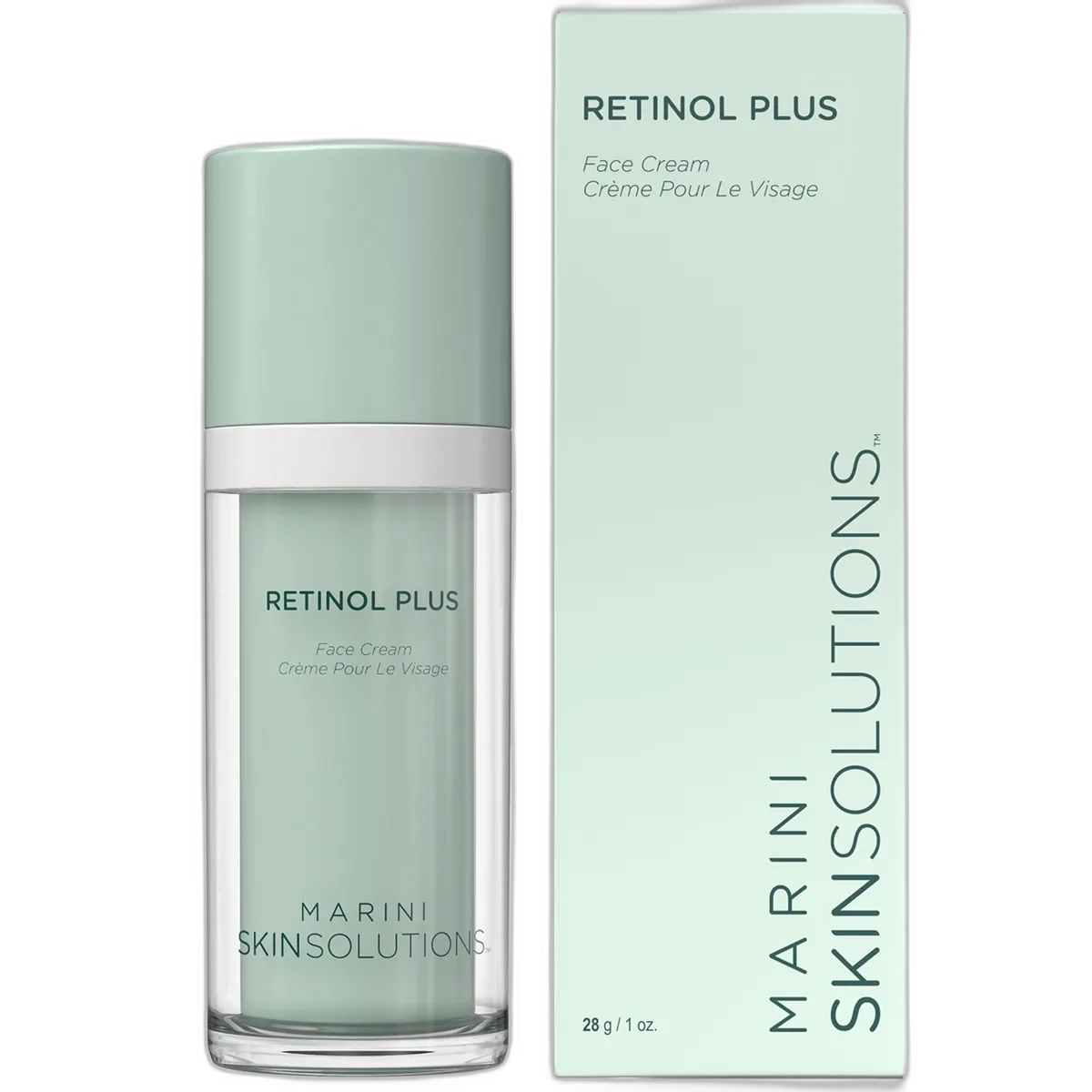
Age Intervention Retinol Plus
Professional-Tier Retinol Pick
 Verified reviewer
Pros & cons.
- +Clinically meaningful 0.5% retinol concentration
- +Thoughtfully engineered calming complex (bisabolol, glycyrrhetinic acid, allantoin)
- +Phytosphingosine supports ceramide synthesis during adjustment
- +Low-dose glycolic acid enhances retinol efficacy
- +Airless pump packaging protects retinol stability
- +Fragrance-free and alcohol-free base
- +Backed by 30+ years of professional clinical use
- −$90 price tag is firmly premium
- −Only available through licensed professional channels
- −Too strong for retinol beginners
- −Not suitable for sensitive, rosacea, or reactive skin
- −Contains shea butter — not fungal acne safe
The full review.
Jan Marini is a brand for skincare experts, not casual shoppers. Founded in 1994, it predates ‘clean beauty’ and ‘clinical skincare’ marketing. It also launched before most consumer brands mastered effective retinoid formulations. Jan Marini pioneered glycolic acid skincare, helping establish AHA serums as a medspa standard. For three decades, the brand has built an esthetician-recommended, clinically oriented reputation, selling through licensed professionals instead of Sephora. This pedigree justifies the $90 price; you pay for formulation philosophy and extensive clinical use, not marketing, packaging, or celebrity endorsements.
Age Intervention Retinol Plus uses a clinically meaningful 0.5% retinol concentration. This matters because retinol evidence often relies on studies using 0.3% to 1% concentrations; formulas below 0.25% often fail to show visible photoaging improvements. Many mass-market retinols use 0.1% or hide their concentration, making it unclear if the product actually works. Jan Marini discloses the concentration and delivers it, signaling its professional orientation.
What sets this 0.5% retinol apart is the supporting ingredients. The formulation is highly intentional: bisabolol (a chamomile-derived anti-inflammatory) appears twice in the INCI list, suggesting the formulator added anti-irritation support at multiple stages. Glycyrrhetinic acid, a licorice-root-derived calming compound, adds more inflammation modulation. Allantoin and panthenol provide soothing and barrier-repair support. Phytosphingosine, a ceramide precursor, helps the skin produce lipids during the retinoid adjustment period. Shea butter and squalane provide emollient comfort to prevent dehydration. This multi-layered anti-irritation engineering helps patients tolerate a clinical-tier retinol daily rather than abandoning it.
The glycolic acid inclusion is notable. Most modern retinol formulas avoid combining AHAs with retinoids to prevent irritation. Jan Marini disagrees; since the 1990s, the brand has formulated low-dose glycolic acid and retinol to work synergistically for cellular turnover. The glycolic acid in Age Intervention Retinol Plus is buffered and low-dose for this specific effect, not as a standalone exfoliant. Do not layer additional AHA products on top of this cream, but know the internal glycolic acid is a deliberate choice backed by decades of clinical use.
What does it do? A well-formulated 0.5% retinol provides meaningful improvements in fine lines, skin texture, tone evenness, pore appearance, and hyperpigmentation over 12-24 weeks of regular use. It is not a miracle. It requires a 2-4 week adjustment period where users may experience mild flaking, tingling, or slight redness; you must continue use during this time. Calming additives reduce adjustment severity compared to unsupported 0.5% retinols, but they do not eliminate it. After adjustment, most users see smoothing and brightening at 6-8 weeks and substantial photoaging improvements at 12-16 weeks of consistent nightly use.
Criticisms focus on access and value. At $90 for 30ml, this sits in the professional-retinol tier. Consumer brands offer comparable or higher-percentage retinols for less, though few match the Jan Marini barrier-and-calming system. Because it is only available through licensed estheticians, medspas, and authorized professional channels, you cannot buy it at Sephora. The trade-off is professional oversight and a formulation built for clinical customers. A 30ml airless pump lasts three to four months with nightly use, costing roughly $22-30 per month. Buy this if: you want to step up to clinical-tier concentrations, focus on photoaging, work with an esthetician who recommends this line, or prioritize formulation sophistication. Skip this if: you are a retinol beginner, have sensitive or rosacea-prone skin, are pregnant or breastfeeding, or lack access to professional channels.
Formula
Ingredient analysis.
Full INCI list
Water, Propanediol, Glycerin, Cetearyl Alcohol, Ceteareth-20, Retinol, Bisabolol, Tocopherol, Tocopheryl Acetate, Butyrospermum Parkii (Shea) Butter, Squalane, Dimethicone, Allantoin, Panthenol, Glycyrrhetinic Acid, Phytosphingosine, Bisabolol, Sodium Hyaluronate, Glycolic Acid, Phenoxyethanol, Ethylhexylglycerin, Xanthan Gum, Disodium EDTA, Citric Acid, Sodium Hydroxide
Skin match.
The science.
The Science
The retinol concentration provides the strongest evidence for this formula. Topical retinol has a deep evidence base in cosmetic dermatology. Published randomized controlled trials show measurable improvements in fine lines, skin texture, tone evenness, and photoaging at concentrations between 0.3% and 1% using twice-weekly to daily application over 12-24 weeks. The 0.5% concentration in this formula is in the clinically meaningful range. A 2007 paper in the Archives of Dermatology supports this, finding significant improvements in fine lines and texture in photodamaged skin over 24 weeks of topical retinol use. The low-dose glycolic acid addition follows Jan Marini's signature formulation philosophy. Earlier research shows low concentrations of glycolic acid enhance retinol penetration and cellular turnover via mild exfoliation. Bisabolol and glycyrrhetinic acid are well-characterized anti-inflammatory compounds with published evidence for reducing retinoid-induced irritation. Bisabolol works through cytokine modulation, while glycyrrhetinic acid inhibits 11-beta-hydroxysteroid dehydrogenase and reduces inflammatory mediators. Phytosphingosine supports endogenous ceramide synthesis in the stratum corneum, which matters when retinoid adjustment temporarily compromises barrier function. Panthenol (provitamin B5) has a strong evidence base for barrier repair and wound healing, and allantoin adds soothing and keratolytic support. The delivery vehicle — a cream-serum hybrid with squalane, shea butter, and dimethicone — keeps the retinol in contact with the skin longer and reduces transepidermal water loss during the adjustment phase. The airless pump packaging protects retinol stability and differentiates this product from jar-packaged retinols.
Dermatologist Perspective
Dermatologists and licensed estheticians often recommend Jan Marini products in professional settings because the brand has a reputation for clinically oriented formulations with consistent results. A 0.5% retinol with a multi-layered calming and barrier-support system is a reasonable recommendation for patients moving from beginner-tier retinols toward clinical results without using prescription tretinoin. Board-certified dermatologists note that consistent use predicts retinol success. Formulas that engineer in tolerability — like this one — often produce better real-world outcomes than high-dose unsupported retinols that patients abandon early. Dermatologists typically caution against using this formula on sensitive, rosacea-prone, or actively compromised skin. They recommend introducing it gradually (2-3 nights per week at first), even for patients who tolerated lower-strength retinols. Pregnant and breastfeeding patients should avoid all retinoids, including this one.
Where it fits in your routine.
Apply a pea-sized amount to clean, dry skin at night. Beginners should start 2-3 nights per week for the first two weeks, then move to every other night, then nightly as tolerated. Follow with a ceramide-supportive moisturizer. Always use broad-spectrum SPF during the day — retinoids increase photosensitivity, and unprotected sun exposure undoes the benefits. Do not use additional AHAs, BHAs, benzoyl peroxide, or high-strength vitamin C in the same routine — the formula already contains low-dose glycolic acid as part of its design. If mild flaking or redness appears during adjustment, reduce frequency and use a simple barrier cream on off nights. Avoid the eye area and lip corners. Store the airless pump upright and away from heat.
At $90 for 30ml, Age Intervention Retinol Plus sits in the professional-esthetics tier—higher than mass-market retinols but lower than luxury department store formulations. The formulation's complexity justifies much of the cost: you get 0.5% retinol with a calming and barrier-support system, airless packaging, and a brand with 30+ years of professional clinical credibility. One 30ml bottle lasts three to four months with nightly use, making the monthly cost about $22-30. For comparison, prescription tretinoin often costs less with insurance, while comparable OTC 0.5% retinols from consumer brands like SkinCeuticals or Drunk Elephant cost about the same. The value works best for patients who want the Jan Marini formulation philosophy and use an esthetician or medical spa that recommends the brand.
Users who have used beginner and intermediate retinols and want clinical-tier concentrations. Photoaging-focused customers seeking fine-line and tone improvement. People working with a licensed esthetician or medical spa who recommends the Jan Marini line. Ingredient-savvy shoppers who prioritize formulation sophistication.
Retinol beginners who need gentler concentrations. Sensitive, rosacea-prone, or reactive skin that cannot tolerate clinical-tier retinols. Pregnant or breastfeeding patients. Anyone without access to a professional channel or authorized retailer.
Product details.
Unscented — no fragrance added.
Airless pump bottle — keeps retinol stable. Finish satin-greasy What to Expect on First Use The light cream-serum texture absorbs cleanly without stickiness. Mild tingling or flaking is normal during the first 2-4 weeks of skin adjustment. Visible smoothing and brightening start at 6-8 weeks of consistent use. How Long It Lasts 3-4 months with nightly use. Period After Opening 6 months
All Year Background
The backstory.
Jan Marini Skin Research was founded in 1994 and has been a pioneer in professional retinoid and glycolic acid formulations since the earliest days of medical esthetics. Age Intervention Retinol Plus was developed to deliver clinical-tier retinol efficacy within the brand's signature calming and barrier-supportive delivery system, positioned as a professional alternative to prescription tretinoin for patients who need real results without the prescription-level irritation.
About Jan Marini
Established Brand (5–20 years)Jan Marini Skin Research launched in 1994, founded by glycolic acid and retinoid professional skincare pioneer Jan Marini. Licensed estheticians, medspas, and plastic surgery offices primarily sell this professional-grade line. Clinical research backs several flagship products, including the Age Intervention franchise.
Common myths.
Glycolic acid and retinol do not work in a single formula.
Common advice warns against layering AHAs and retinoids sequentially at full strength. However, Jan Marini pioneered using them in a single formulation at calibrated concentrations. These ingredients work together to increase cellular turnover.
FAQ.
How strong is the retinol in this formula?
0. 5% retinol sits in the clinically meaningful range. Controlled studies show measurable improvements in photoaging, fine lines, and skin texture over 12-24 weeks. This is a clinical-tier dose, not a beginner concentration.
Is it more effective than prescription tretinoin?
No. Prescription tretinoin (retinoic acid) is the most potent topical retinoid and the gold standard for photoaging. But this 0.5% retinol with barrier and calming support is a reasonable OTC alternative for patients who cannot tolerate tretinoin's irritation or lack prescription access.
Why does it contain glycolic acid?
Jan Marini first combined glycolic acid with retinol in professional formulations. The brand's signature approach uses a small buffered amount of glycolic acid to increase retinol's cellular turnover effect without adding significant irritation. Do not layer additional glycolic acid products on top of this one.
Can I use it if I've never used retinol before?
It works but isn't ideal. Beginners usually need a gentler 0.1-0.25% retinol or a retinoid ester product to build tolerance first. If you use this 0.5% formula as a beginner, use it 1-2 nights per week for the first month and build up slowly.
Is it safe during pregnancy?
No. Dermatologists generally advise avoiding all retinoids during pregnancy and breastfeeding. Use a bakuchiol or peptide-based alternative instead.
Where can I buy it?
Licensed estheticians, medical spas, plastic surgery offices, and authorized online retailers sell Jan Marini products. They are not usually at mainstream beauty retailers; this professional positioning limits access.
Community
What the community says.
"Visible results within 6-8 weeks"
"Less irritating than other 0.5% retinols"
"Professional-grade formulation"
"Fragrance-free"
"Calming ingredients work"
"Expensive"
"Only available through professional channels"
"Some adjustment period irritation"
"Not for retinol beginners"
Featured in.
People also looked at.