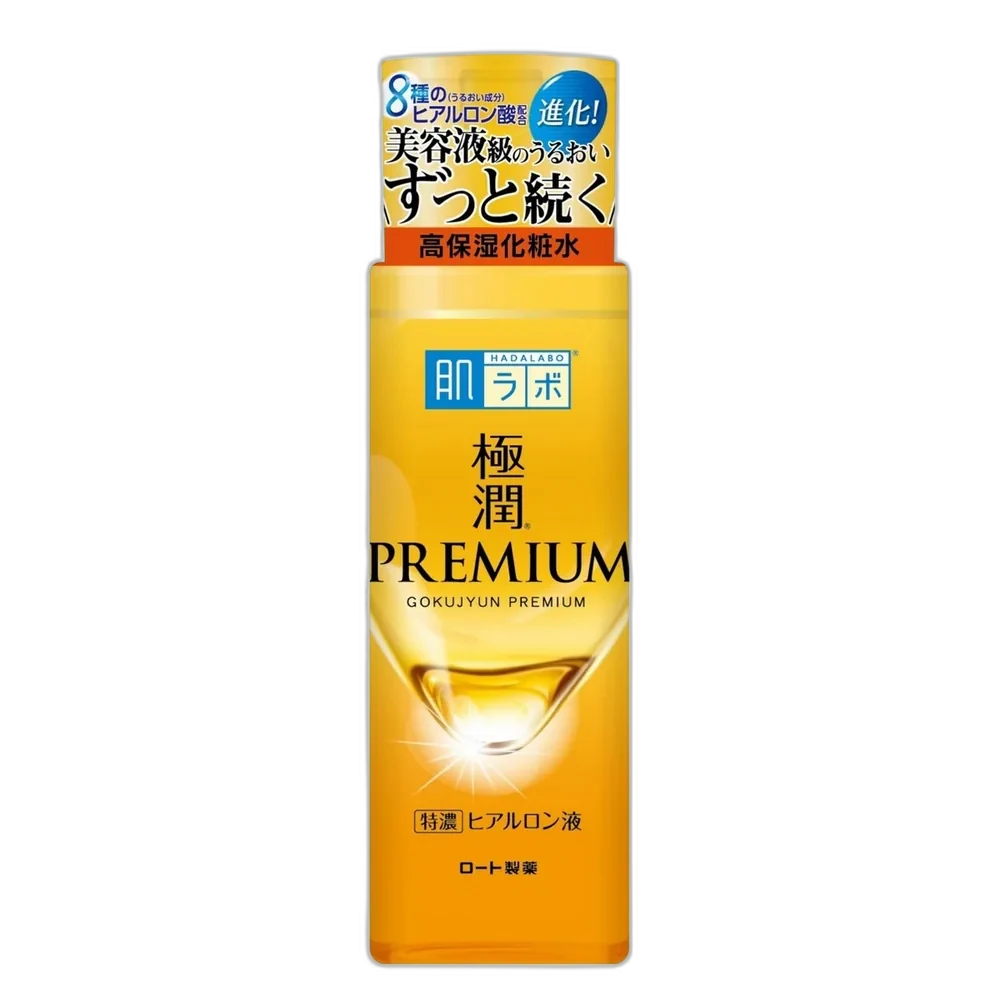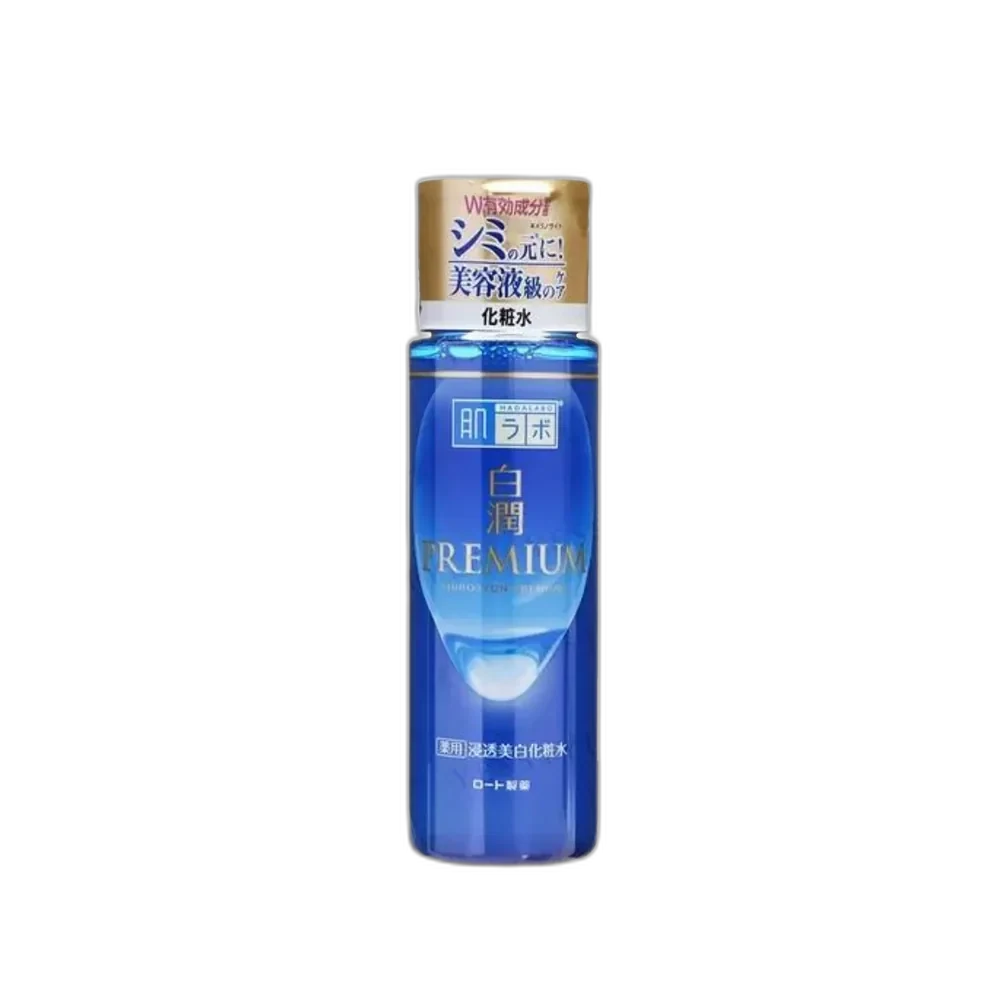
Shirojyun Premium Whitening Lotion
Budget Brightening Hero
 Verified reviewer
Pros & cons.
- +Triple-mechanism brightening with tranexamic acid, licorice root, and vitamin C
- +Japanese quasi-drug designation confirms regulated active ingredient efficacy
- +Completely fragrance-free, alcohol-free, paraben-free, and oil-free formula
- +Fungal acne safe — suitable for even the most restricted skincare routines
- +Dual hyaluronic acid provides genuine hydration alongside brightening treatment
- +Extraordinary value at ~$16 for 170mL lasting 3-4 months
- +Gentle enough for sensitive skin — tranexamic acid is inherently anti-inflammatory
- −Brightening results require 4-8 weeks of consistent daily use and sunscreen
- −Slightly viscous texture may feel too thick for some users in humid climates
- −'Whitening' terminology is a translation issue that can be off-putting in Western markets
- −Availability is inconsistent outside Asian beauty retailers and online shops
- −No larger or refill sizes widely available internationally
The full review.
The Asian beauty market knows the Gokujyun Premium Lotion well. It is the gateway product and the toner that launched many skincare routines. Its sibling in the Shirojyun line gets less attention, but Hada Labo uses brightening actives here as impressively as they use hyaluronic acid—and these may serve more skincare concerns.
The Shirojyun Premium Whitening Lotion uses three brightening mechanisms in one toner. Tranexamic acid, the regulated quasi-drug active, blocks plasmin-mediated melanocyte stimulation and inhibits melanin package transfer to the skin surface. Dipotassium glycyrrhizate, from licorice root, calms UV-induced inflammation to address pigmentation at its inflammatory source. Magnesium ascorbyl phosphate, a stable vitamin C derivative, inhibits tyrosinase, the enzyme that catalyzes melanin synthesis. Three ingredients hit three biological targets in one sixteen-dollar bottle.
Dermatologists recommend this multi-pathway approach for stubborn hyperpigmentation. Melanin overproduction involves inflammatory triggers, enzymatic synthesis, and cellular transfer. Targeting only one step leaves others unchecked. By hitting all three, this toner creates a blockade more effective than any single ingredient alone.
The 2021 reformulation is much cleaner. It lacks parabens and mineral oil. The lean 20-ingredient list includes the three brightening actives, dual hyaluronic acid for hydration, glycerin as a humectant, vitamin E as an antioxidant, and functional ingredients. It is fragrance-free, alcohol-free, oil-free, silicone-free, and paraben-free. It is fungal acne safe and works for every skin type.
The texture is between a watery toner and the thick Gokujyun Premium. This clear, slightly viscous liquid pours easily and absorbs within twenty to thirty seconds on damp skin. You can apply two to three layers for enhanced delivery; it layers without pilling or stickiness. The finish is dewy and luminous.
Consistent use builds gradual, genuine results. Within two to three weeks, most users see more even, luminous skin tone. Dark spots improve around the four-to-six-week mark, with more fading at eight weeks. Post-inflammatory hyperpigmentation from old blemishes responds well, likely because the licorice root addresses residual inflammation.
Daily sunscreen is required. Tranexamic acid, vitamin C, and licorice root fight melanin-stimulating UV exposure. Without sun protection, UV doses trigger new melanin production that outpaces the brightening actives. The Gokujjun UV White Gel is a logical SPF partner.
The Shirojyun Premium Lotion avoids common trade-offs. Brightening products are often drying, irritating, or fragranced, but this formula is gentle, hydrating, and effective. Tranexamic acid is anti-inflammatory and the licorice root is soothing. Dual HA and glycerin provide substantial hydration. Even sensitive and reactive skin types can use this comfortably, which matters because post-inflammatory hyperpigmentation is common in sensitive skin.
The value is high. At approximately sixteen dollars for 170mL, one bottle lasts three to four months with twice-daily use. For that price, you get three clinically-backed brightening actives, dual hyaluronic acid, and a clean formula. Western brightening toners with one active ingredient—usually niacinamide or glycolic acid—often cost twice as much. Products containing tranexamic acid at this price point are almost nonexistent.
Hada Labo avoids luxury branding or influencer campaigns. A pharmaceutical company in Osaka makes effective skincare at prices that undercut industry markups. The Shirojyun Premium Whitening Lotion shows what happens when pharmaceutical rigor meets consumer-friendly pricing: an affordable, high-quality product.
Ingredient analysis.
Full INCI list
Tranexamic Acid, Dipotassium Glycyrrhizate, Water, Butylene Glycol, Glycerin, Hydrolyzed Hyaluronic Acid, Sodium Hyaluronate, Magnesium Ascorbyl Phosphate, Tocopherol, Diglycerin, Pentylene Glycol, Dipropylene Glycol, PEG-30, PEG-8, Hydrogenated Lecithin, Citric Acid, Disodium EDTA, Styrene/VP Copolymer, Polysorbate 20, Phenoxyethanol
Skin match.
The science.
The Science
This toner uses a three-active brightening approach to target distinct steps in the melanogenesis pathway. Tranexamic acid works well: a 2012 randomized controlled trial in the British Journal of Dermatology showed significant melanin index reduction in melasma patients after 12 weeks of topical application. It works by inhibiting the plasmin/plasminogen system, which normally triggers melanocyte activity via arachidonic acid and prostaglandin pathways.
Dipotassium glycyrrhizate (licorice root derivative) targets the inflammatory trigger for melanogenesis. Research in the Journal of Cosmetic Dermatology shows licorice-derived compounds inhibit tyrosinase activity and prostaglandin E2 production—a key inflammatory mediator that stimulates melanocyte activity. A 2019 review in the International Journal of Molecular Sciences confirms glabridin (a licorice active) is one of the most effective natural melanogenesis inhibitors.
Magnesium ascorbyl phosphate inhibits tyrosinase through a mechanism different from the licorice derivative. Studies in the Journal of the American Academy of Dermatology show MAP reduces melanin formation by interrupting the enzymatic conversion of tyrosine to melanin.
This multi-target strategy mirrors clinical dermatological approaches to melasma treatment. A 2020 review in Dermatologic Therapy concluded that combination topical therapies targeting multiple steps of the melanogenesis pathway consistently outperform monotherapy, supporting the rationale for this three-active formula.
Dermatologist Perspective
Dermatologists increasingly recommend tranexamic acid as a first-line topical treatment for hyperpigmentation, especially melasma. Board-certified dermatologists note that combining tranexamic acid with an anti-inflammatory (licorice root) and a tyrosinase inhibitor (vitamin C) in this toner is a rational, multi-target approach consistent with clinical best practices. The gentle, non-irritating profile helps patients with post-inflammatory hyperpigmentation, where treatment irritation can worsen the condition. Dermatologists emphasize that users must use daily sunscreen to achieve meaningful results.
Where it fits in your routine.
Apply to damp skin right after cleansing. Dispense a coin-sized amount into your palms and pat it onto the face and neck; do not rub. For more brightening, apply 2-3 layers, waiting 20-30 seconds between each for absorption. Follow with a serum if desired, then moisturizer. In the morning, finish with broad-spectrum sunscreen SPF 30+. Use twice daily.
At about $16 for 170mL, this is likely the best-value tranexamic acid brightening toner globally. Using 2-3 layers twice daily makes one bottle last 3-4 months, costing roughly $0.09-0.18 per use. Western brightening toners usually cost $25-45 for similar volumes and often have only one brightening active. Products that combine tranexamic acid with vitamin C and licorice root at this price point rarely exist outside of J-beauty. Rohto manufacturing's pharmaceutical-scale efficiency enables this pricing.
Use this for hyperpigmentation, dark spots, post-acne marks, melasma, or general dullness. It suits budget-conscious consumers wanting clinical brightening actives without luxury markups. It works for sensitive skin types needing gentle brightening without irritation. It fits J-beauty routines focused on even-toned, luminous skin.
Those needing immediate, dramatic brightening will wait; results take weeks of consistent use. People who skip daily sunscreen use will not see results from brightening products. Users who prefer thin, watery toners and dislike slightly viscous textures will find this uncomfortable.
Product details.
Slightly viscous, clear to slightly cloudy liquid — thicker than a typical Western toner but thinner than the Gokujyun Premium Lotion. Absorbs quickly when patted onto damp skin.
Completely fragrance-free — no scent at all
A white plastic bottle uses a small opening to control dispensing. It has the blue Shirojyun Premium branding. The design is simple, functional, and minimizes waste.
The liquid is slightly viscous and feels lightweight on the palm. Pat it onto damp skin; it absorbs in 20-30 seconds and leaves skin dewier and softer. The actives cause no stinging or irritation. You can apply multiple layers without heaviness or stickiness.
3-4 months with twice-daily use of 2-3 layers
12 months
All Year
The backstory.
The Shirojyun Premium line is Hada Labo's answer to the most common Japanese skincare concern after hydration: uneven skin tone. The lotion (toner) version was designed as the first treatment step — applying brightening actives to freshly cleansed, damp skin maximizes absorption before other products are layered. The 2021 reformulation refined the formula to remove parabens while maintaining the three-active brightening system.
About Hada Labo
Established Brand (5–20 years)Rohto Pharmaceutical, a Japanese pharmaceutical company founded in 1899, created Hada Labo in 2004. The Shirojyun Premium line uses tranexamic acid as a quasi-drug active ingredient. This meets Japan's regulatory standards for efficacy against hyperpigmentation.
Common myths.
Brightening toners are marketing — actives must stay on skin longer to work.
Pat this toner in and leave it on; do not rinse it off. Applying 2-3 layers to damp skin gives the actives full contact time. The toner format maximizes penetration. This watery vehicle carries tranexamic acid and vitamin C into the skin better than a thick cream, and damp skin increases absorption.
Prescription-strength products deliver real brightening results.
Published studies show Tranexamic acid works at cosmetic concentrations. This formula combines licorice root and vitamin C to target pigmentation via three biological pathways at once—the same approach dermatologists use in clinical settings. Over-the-counter does not mean under-effective.
FAQ.
Is this a toner or a moisturizer?
Despite the 'lotion' name, this is a hydrating toner in Japanese skincare terminology. Apply this liquid treatment after cleansing and before serums and moisturizer. It provides hydration and brightening actives, but requires a moisturizer to seal everything in.
How is this different from the Shirojyun Premium Whitening Cream?
The lotion (toner) uses a light, liquid format. Apply it first to damp skin to maximize active ingredient absorption. The cream is a thicker moisturizer step. Both contain tranexamic acid and vitamin C, but the lotion adds dipotassium glycyrrhizate (licorice root) as a third brightening active. Use both together for a complete brightening routine.
Is this toner fungal acne safe?
Yes — the formula contains no oils, fatty acids, fatty alcohols, or esters that feed Malassezia yeast. The 2021 reformulation is one of the cleanest brightening toners for people managing fungal acne and hyperpigmentation.
Can I use this with vitamin C serum?
Yes — the magnesium ascorbyl phosphate in this toner is a stable derivative. It does not cause pH conflicts with other vitamin C forms. Layering this toner with a dedicated vitamin C serum provides brightening at different concentrations and depths.
Is this product paraben-free?
Yes — the 2021 reformulation removed parabens and uses phenoxyethanol as the sole preservative. The previous formula contained parabens. Check that you buy the updated version if you want a paraben-free formula.
How long until I see brightening results?
Luminosity improves within 2-3 weeks. Dark spots fade after 6-8 weeks of consistent twice-daily use. Use daily sunscreen SPF 30+; UV exposure triggers new melanin production that counteracts the brightening actives.
Community
What the community says.
"Visible brightening and evening of skin tone within weeks"
"Incredibly hydrating for a brightening product"
"Gentle enough for daily use on sensitive skin"
"Clean formula — fragrance-free, alcohol-free, paraben-free"
"Exceptional value for tranexamic acid + vitamin C actives"
"Brightening results require patience and consistent use"
"Slightly viscous texture may feel too thick for some oily skin types"
"The 'whitening' branding can be off-putting despite being a translation issue"
"Availability outside Asian retailers can be inconsistent"