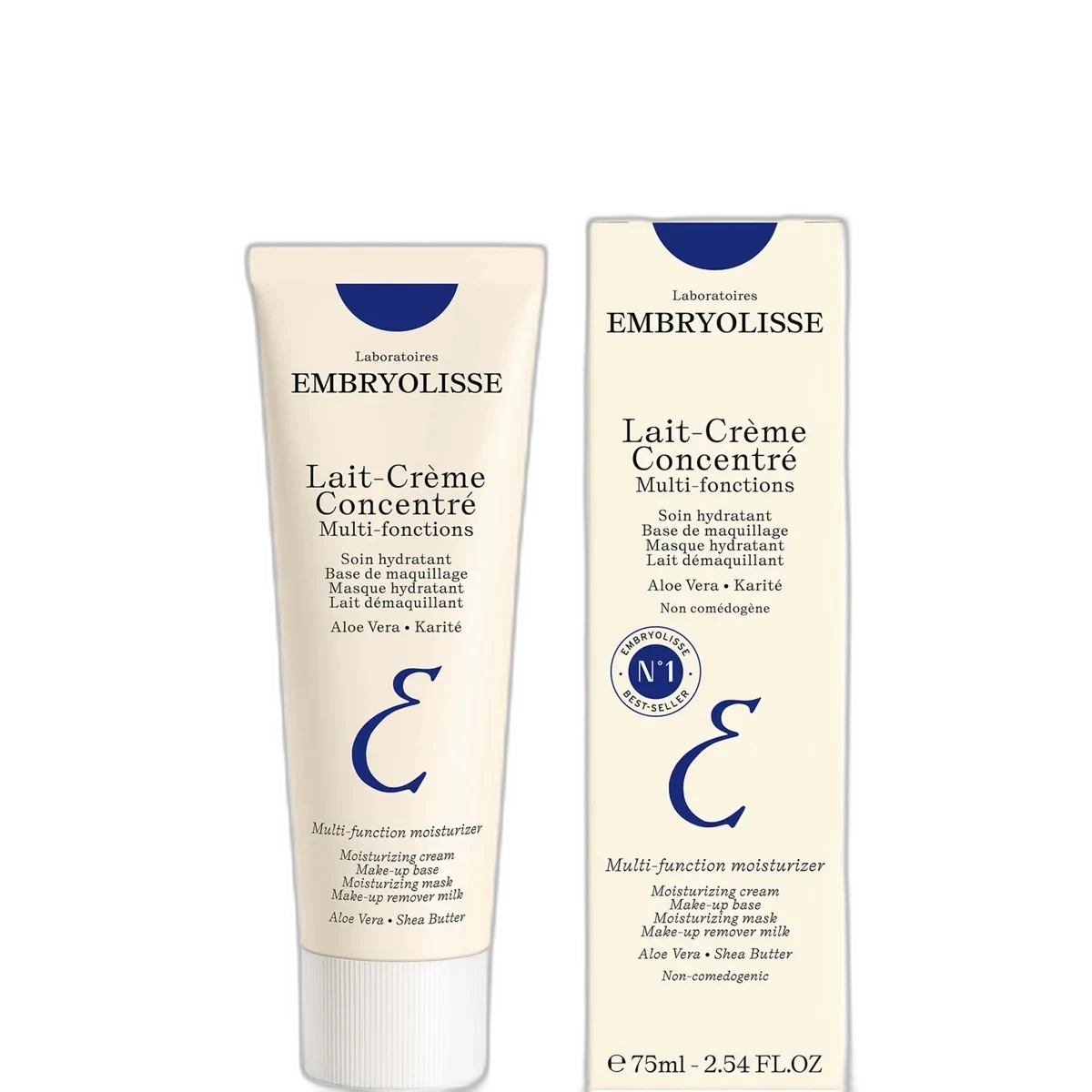
Lait-Crème Concentré
French Pharmacy Icon
 Verified reviewer
Pros & cons.
- +Seventy-five years of continuous use without reformulation proves the base formula works
- +Rich shea butter and beeswax backbone genuinely repairs dry, compromised skin
- +Doubles as an exceptional makeup primer with a glowy, natural foundation finish
- +Multi-use versatility as hand cream, lip mask, post-shave balm, and body treatment
- +Pregnancy-safe and gentle enough for most skin types except oily
- +Excellent per-unit value, especially in the larger 175ml size
- +Backed by decades of dermatological and professional makeup artist validation
- +Simple INCI list without fillers or marketing-driven additions
- −Contains parabens that many modern users prefer to avoid
- −Fragrance rules it out for sensitized, rosacea-prone, or reactive skin
- −Too rich for full-face use on oily skin types
- −Classic powdery scent feels dated to some users
- −Not fungal-acne safe due to almond and soybean oils
The full review.
Anyone who visits a French pharmacy recognizes its specific smell—soft, soapy, and faintly powdery. Lait-Crème Concentré has remained unchanged since 1950, when Dr. Tiriau formulated it for dry-skinned patients at his Neuilly-sur-Seine maternity ward. He did not aim to build a global beauty brand; he wanted to solve barrier problems for new mothers with chapped, stressed skin. His small white tube ended up in makeup artist kits from New York to Seoul by accident.
The formula is simple, and its longevity proves its quality. Water, stearic acid, glycerin, isopropyl palmitate, beeswax, aloe vera, shea butter, sweet almond oil, soybean oil, castor oil, and allantoin make up the base. A few peptides and parabens complete it. It is a classic emollient cream rather than a modern multi-peptide delivery system. It works because the core lipid phase is correct. Shea butter and beeswax form the occlusive-emollient backbone to lock in moisture; almond and soybean oils soften the texture and deliver fatty acids to upper skin layers; aloe vera soothes the water-phase; allantoin calms and smooths. This engineering concept is hard to improve.
The cream feels dense and thick when squeezed from the tube, but it melts thin once pressed into the skin. Within a minute, skin looks softer, slightly dewy, and comfortable. It does not sit on top of the face or feel like petroleum jelly. It feels like a nourishing French moisturizer. The scent is soapy, clean, and faintly floral; older users find it comforting, while younger users may find it dated. If fragrance is a dealbreaker, the Sensitive version exists.
Its reputation as a primer is accurate. Apply a pea-sized amount after serums, wait one minute, and foundation melts into it to make skin look like skin. This is not a blurring silicone primer or a mattifying silica primer. It is a hydrating emollient canvas that lets foundation wear naturally with a dewy softness. Professionals keep using it because it works, not because of marketing.
As a moisturizer for dry or compromised-barrier skin, it performs as a well-constructed emollient cream should. Dry patches calm within one or two days. The barrier-stripped feeling after retinol disappears, and skin feels plumper by morning. It also works as a hand cream, post-shave balm, elbow salve, and emergency lip mask. Its versatility justifies the shelf space.
The preservative system shows the formula’s age. Methylparaben, ethylparaben, and propylparaben are safe at cosmetic concentrations according to the FDA and the EU. There is no dermatological reason to avoid them, but many modern consumers avoid parabens, and Embryolisse has not reformulated the original. The fragrance also makes this product a poor fit for sensitized, reactive, or rosacea-prone skin. The brand offers the Sensitive version to address this. If you want the classic experience, the parabens and fragrance remain in the formula.
The formula is also too rich for most oily skin. Some oily-skin users use it as a targeted primer on dry zones, but it feels heavy when applied full-face to those with high sebum production. It is not fungal-acne safe because of the sweet almond oil and soybean oil. It works for combination skin if applied selectively. For purely oily skin, the Hydra-Mat Emulsion from the same brand is the better choice.
At $32 for 75ml, the value is excellent. A larger 175ml size exists for heavy users, which lowers the per-unit price. Compared to prestige French skincare creams that cost $80-120 for similar formulas, this is an honestly priced derm-developed classic. It earns its reputation.
Ingredient analysis.
Full INCI list
Aqua (Water), Stearic Acid, Glycerin, Isopropyl Palmitate, Beeswax, Aloe Barbadensis Leaf Juice, Butyrospermum Parkii (Shea) Butter, Prunus Amygdalus Dulcis (Sweet Almond) Oil, Triethanolamine, Soybean Oil, Camellia Sinensis Leaf Extract, Ricinus Communis (Castor) Seed Oil, Magnesium Aluminum Silicate, Cetyl Alcohol, Allantoin, Silica, Sodium Methylparaben, Methylparaben, Ethylparaben, Propylparaben, Fragrance (Parfum), Acetyl Hexapeptide-8, Palmitoyl Pentapeptide-4
Skin match.
The science.
The Science
From a formulation-science perspective, Lait-Crème Concentré is a textbook emollient cream rather than a vehicle for a single hero active. The lipid phase does the work. Shea butter (Butyrospermum parkii) is one of the most researched natural emollients in cosmetic literature; its oleic, stearic, and linoleic fatty acids support barrier repair by mimicking the skin's intercellular lipid matrix. Beeswax creates a semi-occlusive film that reduces transepidermal water loss without the total occlusion of petrolatum, so skin feels breathable. Sweet almond oil adds linoleic and oleic acids with a smaller molecular profile that penetrates the upper stratum corneum more easily. Allantoin has documented soothing and keratolytic effects at topical concentrations. The aloe vera juice provides polysaccharides that help hold water at the skin's surface. By modern standards, the formula lacks a meaningful active delivery system—no peptides in clinically relevant concentrations, no ceramides, no niacinamide, and no vitamin C. The tiny amounts of acetyl hexapeptide-8 and palmitoyl pentapeptide-4 at the end of the INCI list are too low to drive anti-aging outcomes. This is a design choice. Lait-Crème Concentré does what it was designed to do in 1950—restore a compromised lipid barrier—and leaves active-driven concerns to other routine steps.
Dermatologist Perspective
Dermatologists frequently recommend Embryolisse Lait-Crème Concentré for patients with dry skin, eczema-adjacent conditions, and barrier dysfunction—especially during pregnancy when retinoid-free options are scarce. The thick emollient base is a simple, supportive moisturizer that performs well in maternity and postpartum clinical settings, matching the product's original development environment. Board-certified dermatologists note the classic formula is not ideal for rosacea, active acne, or fragrance-sensitive skin, and they typically redirect those patients to the Sensitive version or other formulas. For everyone else, this is a reliable, well-tolerated moisturizer backed by decades of clinical observation, even if the formulation is older than most current derm practice.
Where it fits in your routine.
Apply a pea-to-almond-sized amount to clean, slightly damp skin as your last moisturizing step in the AM or PM. Press and smooth the thick emollient base instead of rubbing to help it absorb. Use as a primer by applying after serums, waiting 60-90 seconds, then applying foundation. Use as a mask by applying a thicker layer, leaving for 10 minutes, and tissuing off excess. For dry body areas — elbows, knees, hands — massage in a dime-sized amount. Safe for use during pregnancy and nursing. Avoid heavy layers on oily or fungal-acne-prone zones.
At $32 for the standard 75ml tube, this sits in the upper-drugstore to lower-prestige range and offers strong value. A 175ml size exists for heavy users and has better per-unit pricing — choose this if you use it full-face daily or as a multi-use cream for hands and body. Lait-Crème Concentré delivers the same core performance as prestige emollient creams at $80-120 that use similar base ingredients in fancier packaging, but at a fraction of the cost. Its seventy-five years of continuous market presence validates it: a product that did not earn its price would not survive this long in the skeptical French pharmacy ecosystem.
Dry, normal, or slightly combination skin needs a nourishing, barrier-supporting moisturizer with French pharmacy heritage. Makeup users want a natural, dewy canvas under foundation. Pregnant users need a simple, retinoid-free cream with decades of safety history.
Oily or acne-prone skin will find this too thick. People with fragrance or paraben sensitivity should use the Sensitive version. Fungal-acne sufferers should avoid it because of the almond and soybean oils. Those wanting active-driven anti-aging effects should layer it over a dedicated treatment.
Product details.
Rich, thick white cream that melts into a softening film upon application
Classic soft powdery-soap scent — clean, nostalgic, distinctly French pharmacy
White aluminum tube with the brand's signature blue and white label
Expect a dense cream that feels heavy in the tube but spreads thinner than expected on skin. First-time users are often surprised that a cream this rich absorbs without leaving a slick layer. Over the first week, dry skin typically calms noticeably.
Apply to the face twice daily for 3-4 months, or longer if used primarily as a primer
12 months
All Year
The backstory.
Developed in 1950 by Dr. Tiriau in Neuilly-sur-Seine as a simple hydrating cream for the maternity ward he oversaw. It spread through French pharmacies by word of mouth, then became a backstage essential when makeup artists discovered it doubled as the best primer they'd ever used. It has since become the rare example of a medical-pharmacy formula that crossed into global beauty culture without being reformulated into irrelevance.
About Embryolisse
Legacy Brand (20+ years)A Parisian dermatologist founded Embryolisse in 1950. Lait-Crème Concentré is the brand's original formulation—a multi-purpose cream that has stayed in French pharmacies and backstage makeup kits for over seven decades.
Common myths.
Lait-Crème Concentré is only a makeup primer.
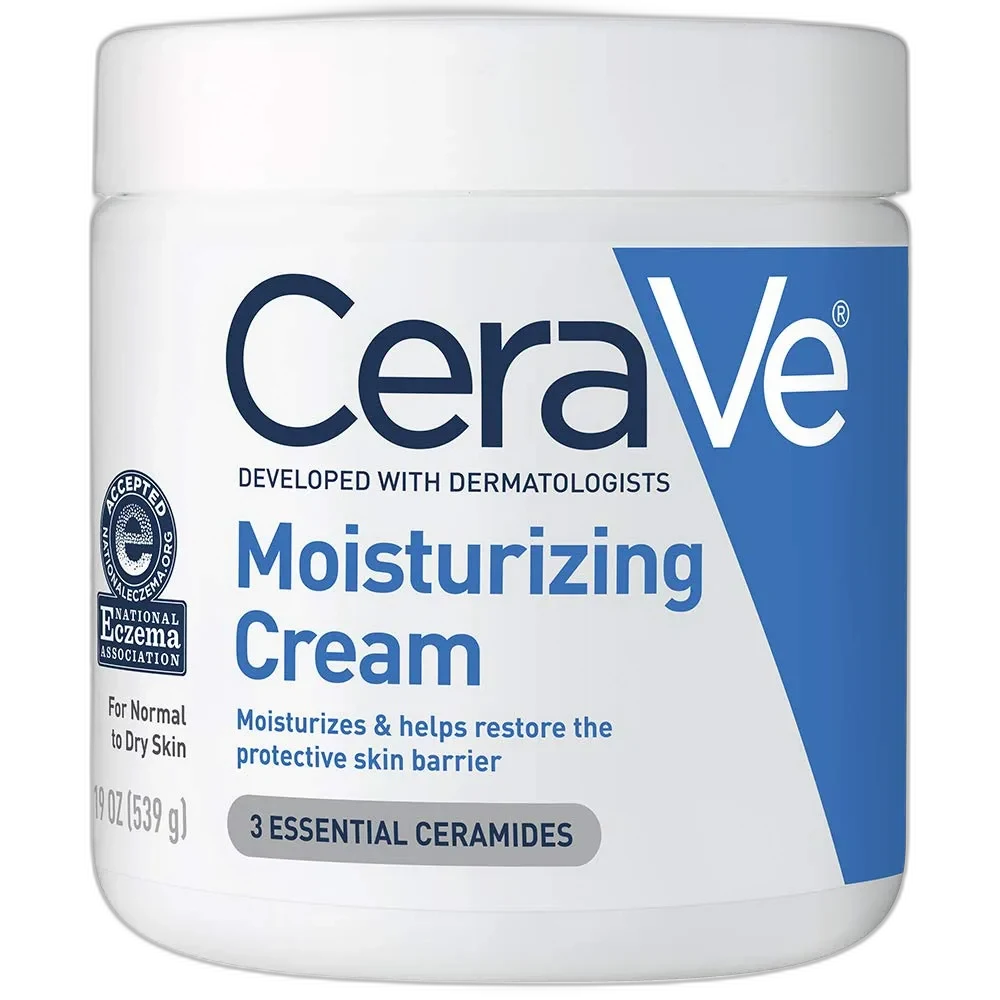
It is a complete moisturizer first. Its reputation as a primer arrived decades after it launched as a hospital skincare staple. The CeraVe Moisturizing Cream treats barrier dysfunction and dryness when used as a moisturizer.
It's too heavy to wear during the day.
It melts thinner than it looks and layers well under sunscreen and foundation. Makeup artists have used it as the first step of daytime routines for decades.
FAQ.
Is Embryolisse Lait-Crème Concentré a moisturizer or primer?
This thick moisturizer also works as a popular makeup primer due to its shea butter and beeswax base. The original formulation was made for dry skin in a maternity hospital; makeup artists later turned it into a primer.
Does it have parabens?
Yes — this product uses methylparaben, ethylparaben, and propylparaben as preservatives, a legacy of the 1950 formulation. The FDA and the EU approve parabens at these concentrations. If you prefer paraben-free skincare, this won't match your preference.
Can I use this on my face if I have oily skin?
The texture is too thick for oily skin all over, but some oily-skin users use a small amount as a targeted primer on drier zones. For combination skin, use it on dry areas and skip the T-zone.
Is this the same as the Lait-Crème Sensitive version?
No — the Sensitive version is fragrance-free, paraben-free, and reformulated for reactive skin. The original Concentré uses the classic formula. Choose Sensitive if fragrance or parabens are concerns.
How do I use it as a primer?
Apply a pea-sized amount after your serum. Let it absorb for 1-2 minutes, then apply foundation as normal. It gives foundation a glowy, skin-like finish that looks natural instead of applied.
Is it safe during pregnancy?
Yes — the formula lacks retinoids, salicylic acid, or hydroquinone. Its simple, nourishing profile makes it a frequent recommendation for pregnant and nursing women.
Community
What the community says.
"multi-use versatility"
"nourishing without greasiness"
"excellent makeup primer"
"softens dry skin fast"
"contains parabens and fragrance"
"too rich for oily skin"
"classic formulation feels dated"