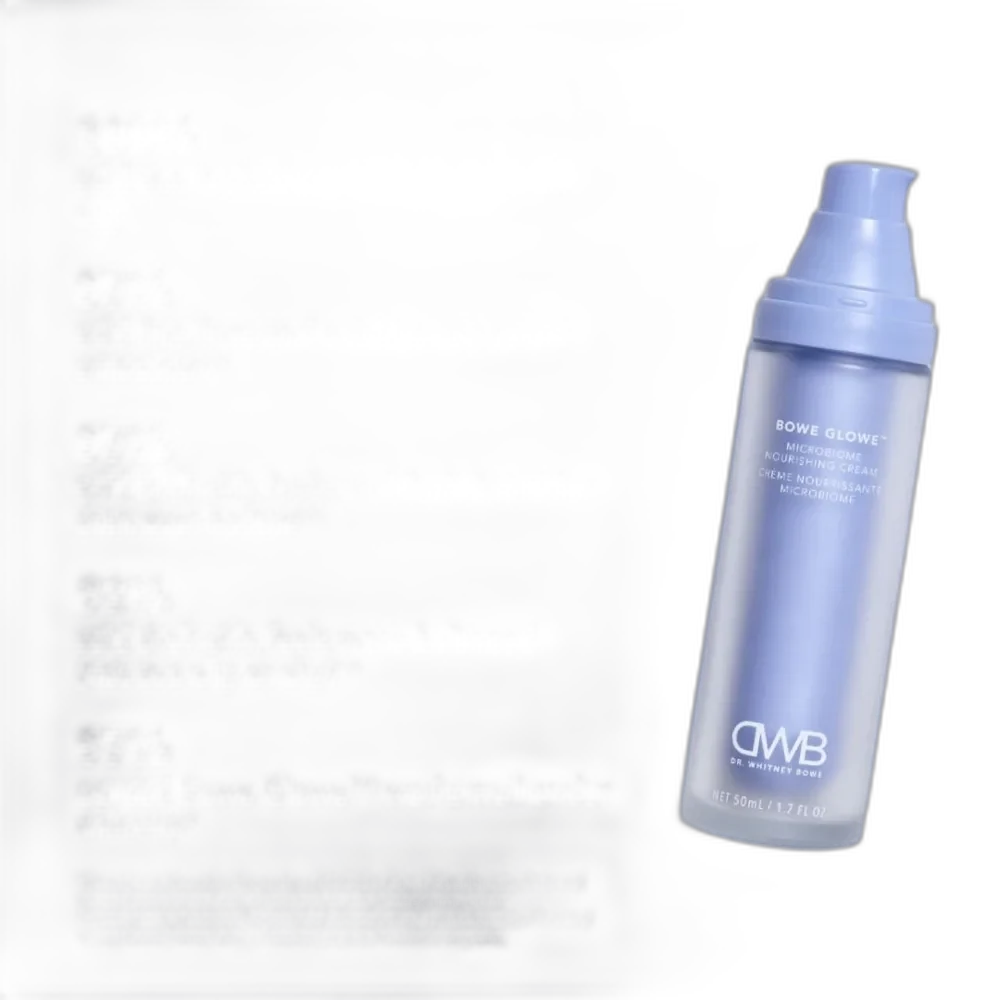
Biome Barrier Calming Cream
Microbiome-Focused Barrier Repair
 Verified reviewer
Pros & cons.
- +Biomimetic three-ceramide ratio with cholesterol delivers genuine barrier repair
- +Probiotic ferment complex is the evidence-backed version of microbiome skincare
- +Colloidal oatmeal and madecassoside provide meaningful anti-inflammatory action
- +Fragrance-free and gentle enough for eczema-prone and reactive skin
- +Visible redness reduction within 2-4 weeks of consistent use
- +Layers well over retinol as a buffering final step
- +Dermatologist-developed with a clear clinical formulation rationale
- −Premium price compared to established barrier-repair creams with similar core ingredients
- −Rich texture may feel heavy on oily or combination skin in warm weather
- −Shea butter content may not suit severely acne-prone users
- −Limited independent clinical validation as a newer brand launch
The full review.
Dr. Whitney Bowe discussed the skin microbiome for fifteen years before the skincare industry recognized it as a clinical reality. A Mount Sinai-trained dermatologist with a New York practice, she wrote a book on the gut-skin axis when peers viewed the term as wellness “woo.” Her postbiotics research predates the TikTok probiotic-skincare trend by nearly a decade. When she launched her namesake beauty line in 2023, the question was not her expertise, but if her research would translate into a retail product.
This Biome Barrier Calming Cream provides a convincing answer. The formula uses her ‘three-phase’ approach to barrier care: calm inflammation, rebuild the lipid matrix, and support the microbial layer. Each phase contains active ingredients. While most barrier creams target one pillar, this one addresses all three. This results in a longer INCI list that reads like a researcher’s work rather than a brand manager’s.
The rebuild phase uses a three-ceramide complex (NP, AP, EOP) with cholesterol and phytosphingosine. This specific combination matters. Research from Elias and colleagues in the 1990s shows that a biomimetic ratio of ceramides to cholesterol to free fatty acids repairs the barrier faster than any single lipid. Most drugstore ceramide creams use a single ceramide type and occlusives, which work adequately but fail to fix genuinely compromised skin. This formula follows the research ratio, and compromised skin responds within the first two weeks.
The calming phase uses colloidal oatmeal, madecassoside, centella, bisabolol, and allantoin. These are functional concentrations, not just soothing extracts—it is the full eczema-cream toolkit. Colloidal oatmeal is a drug monograph anti-itch ingredient. When paired with the triterpene fraction of centella (madecassoside) and whole cica extract, it provides symptom relief and inflammation modulation. Niacinamide in the formula reinforces this by signaling the skin to synthesize its own ceramides, teaching the barrier to repair itself instead of just applying a patch.
The microbiome phase requires scrutiny. Live probiotic bacteria do not survive in a cream jar due to thermodynamics and preservation chemistry. Instead, this formula uses the ferment approach: Lactobacillus ferment, Lactobacillus-soybean ferment extract, and Bifida ferment lysate. These postbiotic metabolites—peptides, organic acids, and polysaccharides from bacterial fermentation—associate with improved skin barrier function and microbial balance. The evidence base is smaller than for ceramides, but it is real and provides a mechanistic version of ‘probiotic skincare.’
The texture matches the formulation. This thick, cushiony cream spreads easily, absorbs to a soft satin finish without residue, and does not pill under sunscreen. It provides immediate relief, quieting reactive skin within the first minute like a good colloidal oatmeal formula. After two to four weeks of consistent use, users with compromised barriers report less redness and less reactivity to previously intolerable actives. The cream passes this test.
The caveats are honest. At $68 for 1.7 fluid ounces, the price is premium. Legacy barrier creams like La Roche-Posay Toleriane, Avène Tolerance Control, and CeraVe PM cost much less and include many of the same core ingredients, excluding the probiotic ferments and specific cica complex. Whether the ingredient sophistication and microbiome-research-backed philosophy justify the cost is a personal choice. For users with chronic sensitivity or compromised barriers who have plateaued on basic ceramide creams, the upgrade is often worth it. For users with mild dryness, the math is harder to defend.
Dr. Whitney Bowe Beauty launched in 2023 and lacks the decades of independent clinical validation found in La Roche-Posay or CeraVe. The founder’s credentials are impeccable and the formulation logic is sound, but long-term real-world data is still accumulating. Early users report strong results and the ingredient list justifies the premium, but this is a ‘trust the researcher’ purchase rather than a ‘trust the track record’ purchase. For users who need a more comprehensive formulation than standard barrier creams, this cream earns its place. The science shows up in the bottle.
Ingredient analysis.
Full INCI list · pH 5.5
Water/Aqua/Eau, Glycerin, Caprylic/Capric Triglyceride, Dimethicone, Cetearyl Alcohol, Butyrospermum Parkii (Shea) Butter, Squalane, Niacinamide, Cetearyl Glucoside, Panthenol, Lactobacillus Ferment, Lactobacillus/Soybean Ferment Extract, Bifida Ferment Lysate, Ceramide NP, Ceramide AP, Ceramide EOP, Cholesterol, Phytosphingosine, Sodium Hyaluronate, Colloidal Oatmeal, Allantoin, Bisabolol, Madecassoside, Centella Asiatica Extract, Beta-Glucan, Tocopherol, Glyceryl Stearate, PEG-100 Stearate, Xanthan Gum, Carbomer, Sodium Hydroxide, Disodium EDTA, Caprylyl Glycol, Phenoxyethanol, Ethylhexylglycerin
Skin match.
The science.
The Science
The ceramide-cholesterol-fatty acid complex in this cream uses decades of barrier lipid research. Elias and colleagues showed that properly ratioed skin lipids produce faster barrier recovery than single-lipid formulations. A 1995 paper in the Journal of Clinical Investigation established that a biomimetic mixture of ceramides, cholesterol, and free fatty acids normalizes barrier repair in compromised skin, but inverted ratios slow recovery. Using three ceramide types (NP, AP, EOP) addresses how different ceramide subtypes perform distinct functions in the lipid bilayer organization. Probiotic ferment components add more evidence: controlled studies show Lactobacillus and Bifida ferment lysates improve skin barrier function markers, and a 2019 review in the International Journal of Women's Dermatology summarized evidence for topical postbiotics in supporting the skin microbiome. Colloidal oatmeal is an FDA-recognized skin protectant; peer-reviewed literature documents its anti-inflammatory activity—mediated primarily through avenanthramides—for itch relief and barrier support in eczema. Madecassoside, the purified triterpene from Centella Asiatica, affects wound healing and collagen modulation, with a 2008 paper in the Journal of Dermatological Science showing measurable effects on fibroblast activity. Multiple controlled clinical studies confirm niacinamide stimulates endogenous ceramide synthesis and improves barrier function. This ingredient roster follows an evidence-aligned approach to barrier restoration.
Dermatologist Perspective
Dermatologists emphasize that repairing a compromised skin barrier requires more than occlusion. It requires replacing depleted lipid components, controlling the inflammatory response from barrier dysfunction, and supporting the skin's natural microbial balance. This cream's formulation strategy follows all three principles, aligning with how board-certified dermatologists counsel patients with chronic sensitivity, eczema, or post-procedure skin. The biomimetic ceramide ratio is notable, as it uses the formulation approach most supported by barrier research. This formulation is appropriate for patients recovering from aggressive cosmetic procedures, those with chronic rosacea or eczema, and those with barriers compromised by over-exfoliation. Users with oily or highly acne-prone skin may find the thick texture too heavy.
Where it fits in your routine.
Apply morning and evening as the final hydration step, after serums and treatments but before sunscreen. Scoop a small amount (about a pea to almond size) and warm between fingertips, then press into the face and neck. It works best on damp skin to lock in hydration from preceding layers. At night, layer over retinol to buffer and reduce irritation. Apply more generously during active barrier recovery or post-procedure. It is safe for morning use under sunscreen and makeup.
At $68 for 1.7 ounces, the price is premium. Compare it to barrier-repair creams like La Roche-Posay Toleriane Double Repair, Avène Tolerance Control, or CeraVe PM; these cost less and use many same core ingredients. The higher price pays for the biomimetic lipid ratio, the probiotic ferment complex, the cica layer, and specific derm-research backing. This upgrade works for users with compromised barriers who plateaued on standard ceramide creams. Users with mild dryness seeking a first good moisturizer should start with a less expensive option. No larger size exists, which lowers the value at this price point.
This works for users with compromised barriers, chronic sensitivity, eczema-prone dry skin, or post-procedure healing needs who find basic ceramide creams insufficient. It also suits retinol users needing a buffering moisturizer and those wanting microbiome-focused skincare from a credentialed source.
Oily or very acne-prone skin types may find the thicker emollients too heavy. Budget-conscious shoppers get comparable barrier support from established drugstore brands for less. Those preferring long-established clinical track records over newer brands may wait for more real-world data.
Product details.
Rich, cushiony cream with a slight satin finish
Fragrance-free
Frosted glass jar with metallic lid
Expect immediate relief and hydration, especially on compromised or reactive skin. First-time users often find the cream absorbs more fully than its thick texture suggests. There is no tingling or adjustment period — this formula calms rather than stimulates.
About 2-3 months with twice-daily face and neck application
12 months
All Year
The backstory.
Dr. Whitney Bowe has spent more than a decade researching the gut-skin axis and skin microbiome, and she launched her namesake line in 2023 after years of developing and testing formulas with patients in her New York practice. This cream was designed as the flagship of her 'three-phase' philosophy — calm, rebuild, protect — and the ingredient list reflects that clinical specificity rather than a generic barrier-cream template.
About Dr. Whitney Bowe Beauty
New Brand (<2 years)Dr. Whitney Bowe Beauty launched in 2023. Dr. Whitney Bowe is a board-certified dermatologist in private practice in New York and a clinical assistant professor at Mount Sinai. The brand uses her microbiome research and three-phase skincare philosophy, but as a new line, it has a shorter independent track record than established derm brands.
Common myths.
Probiotic skincare is just marketing — microbes can't survive in a cream
Live probiotics usually fail, but fermentation byproducts (postbiotics) from Lactobacillus and Bifida species contain metabolites and peptides. These have documented effects on skin microbial balance and barrier function. This cream uses the ferment approach, which has the evidence.
All ceramide creams are essentially the same
The ratio of ceramides to cholesterol to free fatty acids matters. Barrier research shows a 3:1:1 biomimetic ratio repairs skin faster than any single lipid alone. This cream uses that specific ratio, so it works differently than drugstore ceramide creams with a single ceramide type.
FAQ.
Can I use this cream if I have eczema?
Yes — this is one of the formula's target use cases. The colloidal oatmeal, ceramide complex, and madecassoside address the barrier dysfunction and inflammation seen in eczema. If you have an acute eczema flare, consult your dermatologist before starting any new product.
Is this cream good for use after retinol?
It layers well as a buffer over retinol treatments. The ceramides and probiotic ferments offset the barrier compromise retinol causes, and the colloidal oatmeal calms retinol-associated redness. Apply it as the final layer on nights you use retinol.
Will this cream clog pores or cause breakouts?
It contains shea butter and other thick emollients that may not suit very oily or acne-prone skin. The formula is non-fragranced and lacks most common comedogens. Patch test on the jawline for a week if you have acne-prone skin.
How does Dr. Whitney Bowe Beauty differ from other dermatologist brands?
Dr. Bowe's research into the skin microbiome and the gut-skin axis drives this line. These formulas use probiotic ferments and standard barrier-repair ingredients. As a newer brand, independent validation is still accumulating.
Does this replace my regular moisturizer or layer with it?
Use this instead of your moisturizer, not with one. It provides full hydration, barrier-repair, and calming functions. Layering another thick cream on top causes pilling.
Is this cream safe to use during pregnancy?
Yes — the formula lacks retinoids, salicylic acid, hydroquinone, or other ingredients typically restricted during pregnancy. It works well for pregnancy-related sensitivity, but always confirm with your OB before introducing new products.
What the community says.
"Deeply calming on reactive skin"
"Fragrance-free and gentle"
"Visibly reduces redness"
"Works well over retinoids"
"Expensive for the size"
"Can feel too rich for oily skin"
"Limited availability outside brand site"