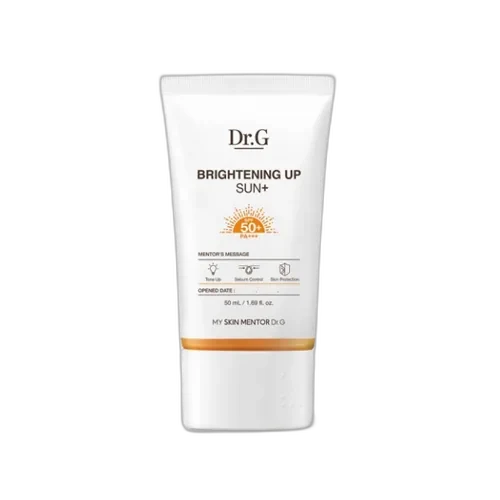
Brightening Up Sun SPF 50+
K-Beauty Tone-Up Staple
 Verified reviewer
Pros & cons.
- +Peach-toned tint effectively neutralizes dullness and sallowness instantly
- +Silicone-based finish is smooth and non-greasy under makeup
- +Hybrid filter system achieves SPF 50+ at a cosmetically elegant thickness
- +Niacinamide works on pigmentation beneath the cosmetic tone-up
- +Centella asiatica adds a soothing note to the base
- +Broad-spectrum UVA/UVB coverage with zinc oxide and titanium dioxide
- +Doubles effectively as a makeup primer
- −Contains added fragrance, ruling it out for reactive skin
- −Contains alcohol denat., which some users find drying
- −Tint reads ashy or pink on medium-tan and deeper skin tones
- −Octinoxate content is not reef-safe for travel
- −50ml tube empties quickly at correct application doses
The full review.
Formula
The tone-up sunscreen category is a niche K-beauty segment. The idea is that sunscreen provides a brightening effect simultaneously. This is technically true, but relies on a cosmetic trick: peach or pink-toned pigments neutralize sallowness like color-correcting primers. Most tone-up sunscreens leave your skin looking the same once removed. Dr.G’s Brightening Up Sun does more. It contains niacinamide at a functional concentration, layered under peach pigments and a hybrid UV filter system. The tint provides visible brightening while the vitamin B3 works on melanin transfer. Consistent use for a few months yields actual long-term tone improvement, not just a pretty base for foundation. The formula uses a silicone backbone—cyclopentasiloxane and cyclohexasiloxane are the second and fifth ingredients—which creates the glassy slip and non-greasy finish that feels more like a primer than a traditional sunscreen. The UV filter system is a hybrid: zinc oxide and titanium dioxide provide the broad-spectrum base, while ethylhexyl methoxycinnamate and ethylhexyl salicylate boost UVB efficiency. This allows an SPF 50+ rating without a chalky texture. This is a smart architectural decision for a cosmetically elegant sunscreen at this price. A mineral-only formula at this rating would feel much heavier. On application, the product looks alarming in the tube—the saturated peach tint reads almost orange on the back of your hand. Don’t panic. Rubbed into skin, it blurs into a soft, natural-looking brightening veil within seconds, leaving a satin finish between dewy and matte. The silicones create a smooth layer without rolling or pilling, and it works under both cream and powder foundations. Where it fails is the supporting cast. The formula contains fragrance (near the end of the list) and alcohol denat., which do not belong in a sunscreen marketed to sensitive skin. Dr.G built its reputation on calming formulations for reactive Korean consumers, so it is frustrating that this popular sunscreen includes two ingredients sensitive skin should avoid. Rosacea, active eczema, or a compromised barrier? This isn’t your sunscreen. It also isn’t reef-safe—octinoxate is banned in Hawaii and several reef-protected regions, so it is not the travel option. For the intended audience—normal, combination, or oily skin with mild-to-medium pigmentation concerns who want a brightening base—it is a genuine workhorse. The peach tint works well for fair-to-medium skin tones; deeper complexions will find it looks ashy, a common critique of Korean tone-up products. Value is reasonable for a K-beauty sunscreen at this level, though the 50ml tube runs out faster than larger Western bottles if you apply the proper two-finger-length dose for the face and neck.
Ingredient analysis.
Full INCI list
Water, Cyclopentasiloxane, Ethylhexyl Methoxycinnamate, Zinc Oxide, Cyclohexasiloxane, Ethylhexyl Salicylate, Butylene Glycol, Methyl Methacrylate Crosspolymer, Polyglyceryl-3 Polydimethylsiloxyethyl Dimethicone, Titanium Dioxide, Dipropylene Glycol, Ethylhexyl Palmitate, Niacinamide, Cetyl PEG/PPG-10/1 Dimethicone, Sodium Chloride, Disteardimonium Hectorite, Alcohol, Aluminum Hydroxide, Stearic Acid, Centella Asiatica Extract, Aloe Barbadensis Leaf Extract, Camellia Sinensis Leaf Extract, Glycerin, Fragrance, Disodium EDTA, Phenoxyethanol
Skin match.
The science.
The Science
The hybrid sunscreen architecture in this formula reflects contemporary photoprotection research showing that combining physical and chemical filters typically yields better cosmetic elegance at a given SPF than either category alone. Zinc oxide covers a broad UVA-UVB range, and its inclusion here provides the UVA1 protection (340-400nm) that organic filters struggle to reach efficiently. Titanium dioxide adds UVB depth. Ethylhexyl methoxycinnamate and ethylhexyl salicylate are added as UVB-dominant organic filters, reducing the mineral percentage needed to hit SPF 50+ and therefore reducing the visible white cast that pure mineral formulas produce. Niacinamide's role in this sunscreen is interesting because it's not just cosmetic filler. Research on niacinamide at 2-5% has shown modest but measurable effects on pigmentation through inhibition of melanosome transfer from melanocytes to keratinocytes, with published work in the British Journal of Dermatology documenting visible improvement in hyperpigmentation over 8-12 weeks of consistent use. Paired with daily broad-spectrum SPF — which is itself the single most effective intervention for photoaging and pigmentation — this combination is mechanistically sound. Centella asiatica extract is included as a soothing agent, and while the full phytochemistry is complex, the triterpenoid compounds (asiaticoside, madecassoside) have documented anti-inflammatory effects on skin, though the low position of centella in this ingredient list means its contribution is more gestural than clinically meaningful. The fragrance and alcohol in the formula are worth noting from a safety perspective: neither is inherently harmful for most people, but both are documented triggers for contact dermatitis in sensitive populations.
Dermatologist Perspective
Board-certified dermatologists generally regard daily broad-spectrum SPF 30+ as the single highest-impact intervention for preventing photoaging and managing hyperpigmentation, and a well-formulated tone-up sunscreen like this can increase compliance for patients who dislike the cosmetic feel of traditional suncare. Dermatologists frequently note that hybrid filter systems offer a reasonable middle ground for patients whose skin tolerates neither heavy mineral formulas nor pure chemical sunscreens. However, clinicians managing rosacea, active eczema, or compromised barriers typically steer these patients toward fragrance-free and alcohol-free sunscreens, and this product's inclusion of both ingredients makes it a poor fit for that cohort. For patients with early melasma or post-inflammatory hyperpigmentation on normal-to-combination skin, dermatologists often consider niacinamide-containing sunscreens a useful addition to a broader pigmentation protocol that includes topical brighteners and rigorous photoprotection.
Where it fits in your routine.
Apply this as your final morning step, after moisturizer and before makeup. Use two finger-lengths for the face and neck to get the labeled SPF 50+ protection. Dot the product on your forehead, cheeks, nose, and chin, then blend upward. Wait one minute for the tint to settle into a smooth veil before applying foundation or powder. Reapply every two hours of sun exposure; a mist or stick works best over makeup. Ensure your moisturizer is fully absorbed first for an even tint.
At around $22 for 50ml, this sunscreen sits in the mid-range for imported K-beauty suncare and delivers a competitive amount of ingredient engineering for the price — hybrid filter systems, functional niacinamide, and soothing botanicals all in one tube. It's not the cheapest tone-up sunscreen on the market but it's meaningfully more thoughtful than the TikTok-driven budget options. The 50ml size is standard for Korean sunscreen packaging; no larger refill is offered, which is a slight drawback since proper daily facial application will empty the tube in roughly two months. For users who care about the combined brightening-plus-SPF use case, the cost is justified by the dual function — effectively two products in one.
Fair-to-medium skin types with normal, combination, or oily skin can use this daily sunscreen as a brightening makeup primer. It works for people with mild dullness, early hyperpigmentation, or photoaging who use fragrance and want a lightweight K-beauty finish.
Skip this if you have rosacea, eczema, a compromised barrier, or fragrance sensitivity because it contains fragrance and alcohol denat. Avoid it if you have deep skin tones (the peach tint looks ashy) or need reef-safe suncare for travel, as the formula contains octinoxate.
Product details.
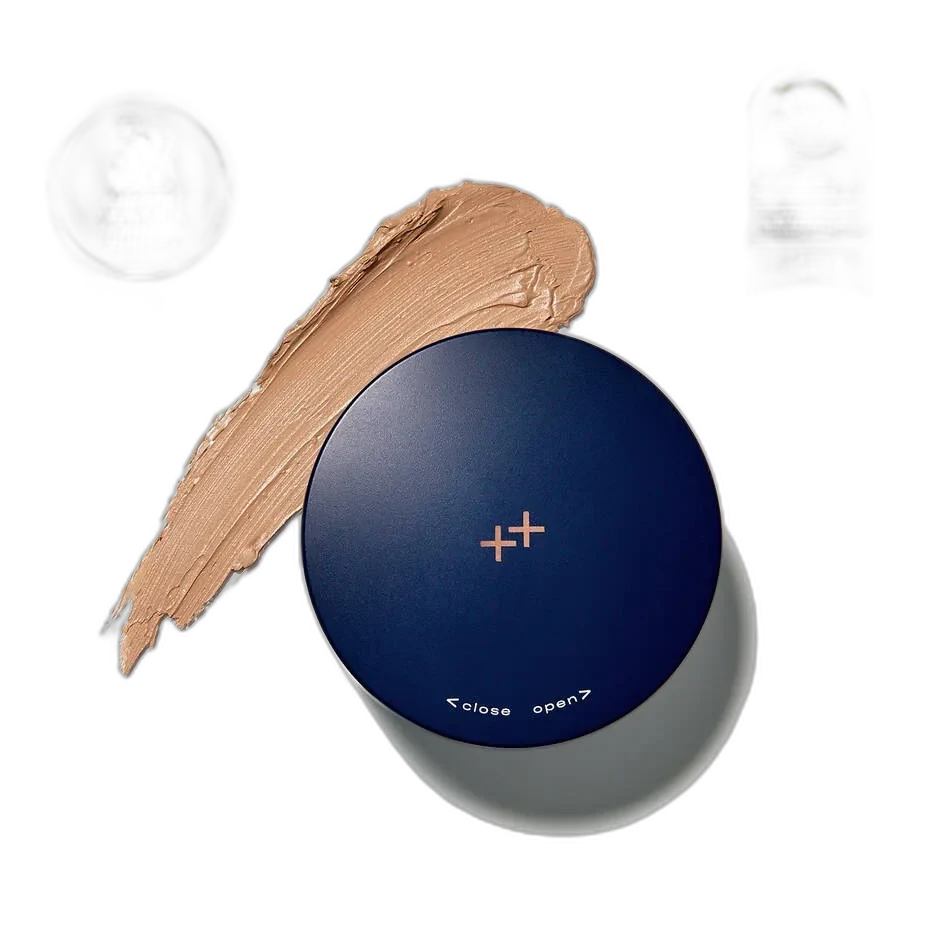
Lightweight silicone-emollient cream with a subtle peach tint that blurs on application
Light floral fragrance typical of K-beauty suncare
Squeeze tube with a narrow nozzle for controlled dosing
The peach tint looks orange in the tube at first, but it blurs into a natural brightening veil on the skin within seconds. The formula has a slight silicone slip for the first minute before the finish settles into satin.
About 2 months with daily two-finger-length facial application
12 months
All Year
The backstory.
Dr.G built its reputation in Korea on dermatologist-developed sensitive-skin care, and the Brightening Up Sun was developed for consumers who wanted the brand's signature soothing base married to the tone-up aesthetic dominating Korean suncare in the late 2010s. It became a gateway Dr.G product for international K-beauty shoppers.
About Dr.G
Established Brand (5–20 years)Dr. Ahn Gun-Young, a Korean dermatologist, founded Dr.G in 2003. This dermatologist-developed K-beauty brand focuses on sensitive skin. In-vivo hypoallergenic testing backs the line, and Korean derm channels distribute it widely.
Common myths.
A tone-up sunscreen replaces foundation or color correction.
Peach pigments in this product neutralize dullness but do not cover acne, redness, or hyperpigmentation like a true foundation. It is a base, not a finish.
Mineral-only formulas work better than hybrid sunscreens.
The chemical filters in this formula extend UVB efficiency. This allows an SPF 50+ rating at a cosmetically wearable thickness; a mineral-only formula with the same rating feels much heavier.
FAQ.
Does Dr.G Brightening Up Sun leave a white cast?
No — the peach-toned pigments in this formula neutralize the grey cast zinc oxide and titanium dioxide normally produce. On medium-tan to deeper skin tones, you may see a slight ashy or pink-peach finish because the tint targets fair-to-medium Korean skin tones.
Is this sunscreen reef-safe?
No. This formula contains ethylhexyl methoxycinnamate (octinoxate), which several reef-protected regions like Hawaii ban. Use a mineral-only alternative for beach travel.
Can I wear makeup over it?
Yes, and it works as a makeup primer. The silicone base creates a smooth canvas and the tint reduces foundation use. Let it set for about a minute before layering.
Is Dr.G Brightening Up Sun good for oily skin?
The silicone-dominated base creates a lightweight, non-greasy finish for normal-to-oily skin. Very oily skin may need a light powder to set it, as the finish is satin rather than matte.
Does it sting sensitive skin?
Despite Dr.G's sensitive-skin positioning, this specific formula contains fragrance and alcohol, so reactive or rosacea-prone skin may experience stinging. Patch test before committing to daily use.
How much should I apply for adequate sun protection?
Use roughly two finger-lengths (about 1/4 teaspoon) on the face to get the labeled SPF 50+. Applying less reduces protection proportionally, even with the tone-up effect.
Does it help fade dark spots?
Yes, over time — the niacinamide component mildly interferes with melanin transfer, and daily SPF use is the most impactful pigmentation intervention. Use it daily for 8-12 weeks to see visible improvement.
Community
What the community says.
"Effective peach-toned tone-up effect"
"Silicone-smooth finish"
"Doesn't feel heavy under makeup"
"Fragrance bothers some users"
"Tint can look ashy on deeper skin tones"
"Contains alcohol"
Featured in.
People also looked at.