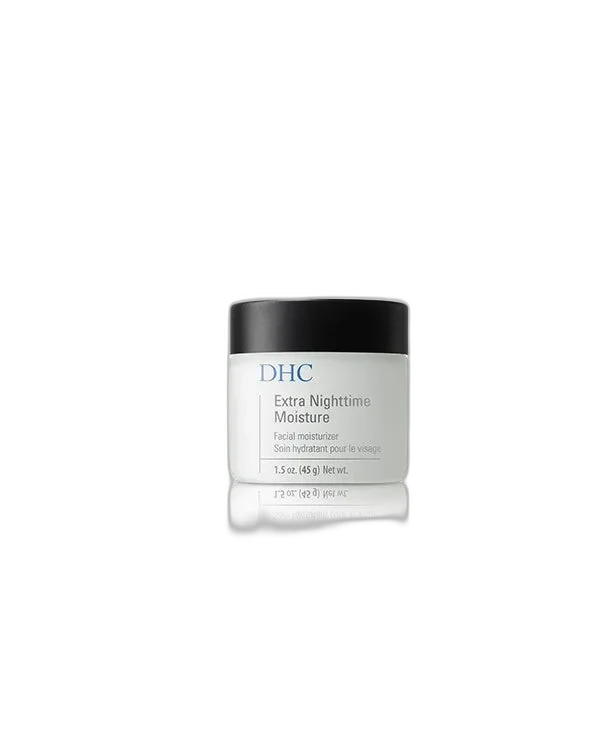
Extra Nighttime Moisture
J-Beauty Night Cream Staple
 Verified reviewer
Pros & cons.
- +Fragrance-free in a category dominated by scented options
- +Olive oil and squalane lead the barrier-support layer
- +Willow bark and licorice root provide gentle overnight soothing
- +Rich but silky texture that's immediately nourishing
- +Layers cleanly over retinol and prescription actives
- +A little goes a long way with the concentrated formula
- +Pregnancy-safe with no retinoids or high-strength actives
- +DHC's 30+ years of olive oil formulation expertise
- −Expensive at $39 for 1.5 oz compared to barrier cream alternatives
- −Too rich for oily or acne-prone skin
- −Contains isostearoyl hydrolyzed collagen — not vegan
- −Jar packaging not ideal for light-sensitive ingredients
- −Not cruelty-free certified in all markets
- −Formulation is less ambitious than DHC's own Q10 line
The full review.
Skincare brands must decide which products are stars and which are supporting actors. For DHC, the Q10 line and the Astaxanthin line are the antioxidant-heavy anti-aging heroes with premium prices and cult followings. The Extra line differs. It is the brand’s restrained, barrier-focused, everyday moisturizer range—less ambitious and more focused on basic moisturizer functions. Extra Nighttime Moisture follows this philosophy; understand this intent before comparing it to DHC’s louder products. This is not a night cream competing with retinol. It is a night cream designed to sit on top of retinol, cushion the barrier, lock in overnight hydration, and stay out of the way. That restraint makes it useful. The formula leads with water, butylene glycol, cetyl ethylhexanoate, triethylhexanoin, and glycerin—standard emollient esters and humectants—before the defining ingredients. Olive fruit oil is seventh on the INCI, the expected DHC signature ingredient. Squalane is immediately below it. These two lipid ingredients form the barrier-support core, delivering squalene, oleic acid, and a stable emollient layer that mimics skin sebum composition. For dry or mature skin at night, when transepidermal water loss peaks and the barrier repairs, this lipid support matters. The soothing layer is more interesting. Willow bark extract provides natural salicin—a mild keratolytic that smooths overnight without the sting of synthetic BHA treatments. Dipotassium glycyrrhizate, a water-soluble form of licorice’s anti-inflammatory glycyrrhetinic acid, adds a calming effect. Isostearoyl hydrolyzed collagen sits lower on the list; it does not rebuild collagen because the molecule is too large to reach dermal collagen, but it acts as a fatty-acid-conjugated film-former for a smooth overnight finish. Radish root ferment filtrate provides natural antimicrobial support, reflecting the clean-beauty hybrid direction DHC has taken recently. Tocopherol completes the antioxidant layer. These ingredients are not groundbreaking, but the combination is cohesive. The experience is subjective. It is a thick but silky cream that melts on application without tingle or fragrance, absorbs within about a minute, and leaves a soft velvety cushion instead of a greasy film. By morning, skin feels softer and plumper. Dry and mature skin users often like it. Users with oily or acne-prone skin are less enthusiastic—the olive oil and hydrogenated palm oil base is thicker than they want, and olive oil’s high oleic content can be comedogenic for some. Now, the caveats. At $39 for 1.5 ounces, this is premium pricing for a night cream that a simpler, more affordable barrier cream could approximate based on ingredient cost. You pay for the j-beauty formulation philosophy—fragrance-free, restrained, olive-oil-forward, and thoughtfully soothed—which is hard to find in Western brands. Whether this philosophy justifies the premium is up to you. If you want maximum ingredient ambition per dollar, other options exist. If you want a simple, well-built overnight barrier cream that pairs with retinol or other prescription actives, this works. The cream is not vegan because of the isostearoyl hydrolyzed collagen, and DHC’s cruelty-free status varies by market. The 1.5 ounce size is small for the price, but the cream is concentrated; a pea-sized amount covers the face. A jar lasts 2-3 months with nightly use. The jar packaging matches DHC’s premium aesthetic but is not airless, a drawback since tocopherol and olive oil phenolics are light-sensitive. For those shopping j-beauty night creams in the affordable-premium bracket, this is a reasonable choice that does what it intends to do.
Ingredient analysis.
Full INCI list
Water/Aqua/Eau, Butylene Glycol, Cetyl Ethylhexanoate, Triethylhexanoin, Glycerin, Hydrogenated Palm Oil, Olea Europaea (Olive) Fruit Oil, Squalane, Stearic Acid, Behenyl Alcohol, Pentylene Glycol, Polysorbate 60, Glyceryl Stearate, PEG-100 Stearate, Isostearic Acid, Leuconostoc/Radish Root Ferment Filtrate, Carbomer, Salix Alba (Willow) Bark Extract, Serine, Dipotassium Glycyrrhizate, Potassium Hydroxide, Tocopherol, Sodium Hyaluronate, Isostearoyl Hydrolyzed Collagen, Phenoxyethanol
Skin match.
The science.
The Science
This night cream uses an olive oil and squalane emollient system backed by published barrier-repair literature. Olive fruit oil contains about 55-83% oleic acid, 5-20% linoleic acid, and polyphenolic antioxidants like oleuropein, hydroxytyrosol, and squalene. Topical studies show olive oil helps lipid barrier function in dry and compromised skin, but its high oleic acid content increases comedogenic potential for acne-prone users. Squalane, the saturated and stable form of squalene, is a well-characterized emollient in cosmetic literature; evidence shows it supports barrier function and reduces transepidermal water loss without clogging pores. The willow bark extract contains salicin, a natural precursor to salicylic acid, and studies show its mild keratolytic and anti-inflammatory effects in cosmetics. At typical soothing-positioned night cream concentrations, it smooths skin gently without the sting of a dedicated BHA treatment. Dipotassium glycyrrhizate is a water-soluble form of glycyrrhetinic acid from licorice root and has studied anti-inflammatory effects on irritated and sensitive skin. This supports the formula's use with retinol or other irritating actives. The isostearoyl hydrolyzed collagen is lipophilic, not water-soluble, and works as an emollient film-former rather than a dermally-penetrating active; it primarily smooths the surface and texture. Leuconostoc/Radish Root Ferment Filtrate provides natural antimicrobial support and fits the clean-beauty hybrid positioning DHC uses. The formula's strategy—barrier lipids, soothing botanicals, and mild keratolytic support—matches dermatological understanding of overnight barrier repair, when skin's natural lipid synthesis and water loss peak and external support is most useful.
Dermatologist Perspective
Dermatologists often recommend olive oil and squalane-based night creams for patients with dry, mature, or barrier-compromised skin, especially those using retinol or prescription actives who need overnight cushioning. Board-certified dermatologists note that fragrance-free, simple emollient night creams often outperform ingredient-heavy products for patients focused on dryness and barrier repair, as fewer ingredients reduce irritation risks. This cream is frequently suggested for patients rebuilding routines after over-exfoliating, those combining it with tretinoin or adapalene to improve tolerability, and dry-skinned patients in winter. Dermatologists typically advise oily or acne-prone patients to use lighter gel-creams or lotions, noting that olive oil's comedogenic potential varies by individual—patch-testing on the jawline before full-face use is a reasonable precaution for anyone prone to clogged pores.
Where it fits in your routine.
Apply at night after cleansing, toning, and any treatment serums or retinoids. Put a pea-sized amount on your fingertips, warm it between your hands, and press it into the face and neck with gentle upward motions. Wait 1-2 minutes for absorption before bed to stop product transfer to pillowcases. For very dry or winter-parched skin, apply a hydrating face oil underneath first. Do not use as a day cream — the thick format works better for overnight repair than under sunscreen and makeup. Store the jar away from direct sunlight and close the lid firmly between uses.
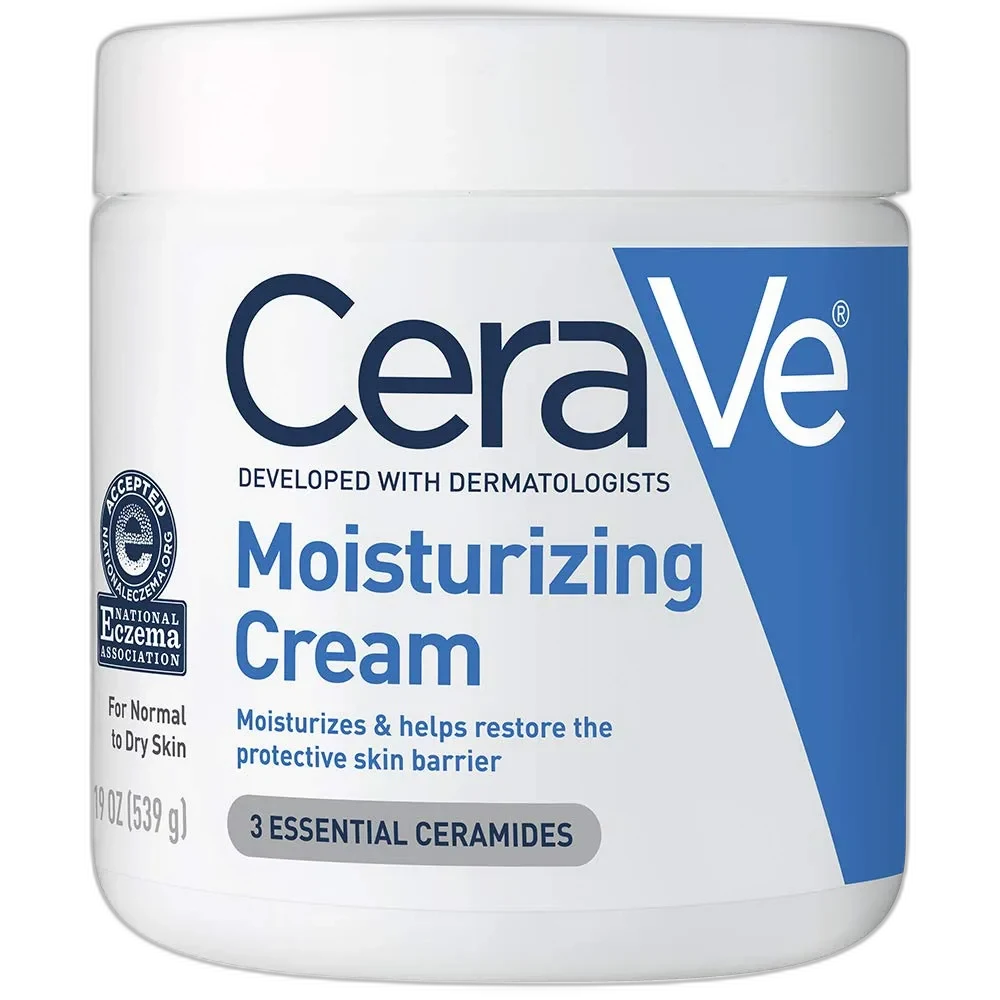
At $39 for 1.5 oz, this cream sits in the affordable-premium j-beauty range. It costs more than drugstore barrier creams like CeraVe PM or Cetaphil, but less than prestige options like Shiseido or SK-II. The value comes from the fragrance-free formulation, the olive oil and squalane quality, and the consistent j-beauty formulation philosophy, which drugstore prices rarely match. The 1.5 oz size is small, but the cream's concentration makes a jar last 2-3 months with nightly use. Each use costs about 40-50 cents, which is lower than the upfront sticker price. Budget-conscious shoppers can get similar barrier-support value from CeraVe PM Facial Moisturizing Lotion for less, though the formulation personality differs. This cream is a fair purchase for users wanting the j-beauty approach.
Users with dry, normal, or mildly combination skin want a fragrance-free j-beauty night cream that works with retinol and other actives. This formula suits users in their thirties and beyond who prioritize reliable barrier repair over ingredient-heavy marketing claims.
Oily or acne-prone skin types should avoid this; the olive oil and hydrogenated palm oil base is thick and potentially comedogenic. Vegan users and those seeking certified cruelty-free products need other options. Budget-conscious shoppers can find similar barrier support in drugstore options like CeraVe PM for less.
Product details.
Rich but silky cream that melts into skin on contact with minimal effort.
Virtually fragrance-free with a faint neutral undertone from the plant oils.
Small frosted jar with twist-off lid. Visually premium but not airless.
One overnight use leaves skin softer by morning without tightness or residue. Application causes no tingling or stinging. Dry and mature skin users often report an 'I can feel this working' sensation during the first week.
Approximately 2-3 months with nightly face application.
6 months
All Year
The backstory.
The Extra line has been one of DHC's core everyday moisturizer ranges for over 15 years, positioned between the drugstore-tier Mild line and the premium Q10 line. Extra Nighttime Moisture was developed as a barrier-focused PM counterpart to the Daytime Protection cream, aimed at users who wanted DHC's olive oil formulation philosophy in a dedicated overnight format.
About DHC
Legacy Brand (20+ years)DHC has been a flagship Japanese skincare brand since the 1990s. For over 15 years, its Extra line has functioned as a mid-tier pillar focused on olive oil-centric daily moisturizing. Extra Nighttime Moisture is the PM counterpart to DHC's Extra Daytime Protection cream; it uses olive oil, squalane, and hydrolyzed collagen for overnight barrier repair.
Common myths.
You need a separate night cream
Not everyone needs one. If your daytime moisturizer works and your skin isn't dry or mature, a separate night cream is optional. PM creams work best for people who want thicker emollient support at night than they can tolerate under sunscreen during the day.
Topical collagen creams rebuild collagen in the skin
Hydrolyzed collagen molecules are too large to reach the dermal layers where structural collagen lives. In this formula, the isostearoyl hydrolyzed collagen works as a fatty-acid-conjugated emollient film-former. It makes skin feel smoother and more supple, but does not rebuild structural collagen.
FAQ.
Is DHC Extra Nighttime Moisture fragrance-free?
Yes. The formula has no added fragrance or essential oils. This works for fragrance-averse or sensitive users.
Is this cream too rich for combination or oily skin?
Most combination skin tolerates this at night when the skin's barrier repair cycle is most active. The olive oil and palm oil base feels too heavy for oily or acne-prone skin; a lighter gel-cream works better.
Can I use it with retinol or prescription actives?
Yes. The fragrance-free formula uses barrier-supporting oils to cushion potential retinol irritation. Apply your retinol or prescription first. Let it absorb, then layer this cream on top.
Is it vegan or cruelty-free?
No. The formula uses isostearoyl hydrolyzed collagen, an animal-derived ingredient. DHC lacks cruelty-free certification in all markets.
How does it compare to DHC's Q10 Cream?
The Q10 Cream is more actively antioxidant-focused with ubiquinone and tocotrienols, while this Extra Nighttime cream is more barrier-repair focused with willow bark and licorice root supporting a simpler olive oil and squalane base. They serve different purposes.
Is it safe during pregnancy?
Yes. The formula has no retinoids, salicylic acid (willow bark is a mild natural source but at cosmetic levels is generally pregnancy-safe), or hormone-active botanicals. Pregnant users sensitive to salicylate derivatives should consult a physician first.
What the community says.
"nourishing without feeling heavy"
"fragrance-free"
"wake up with plump skin"
"soothes winter dryness"
"layers well under other products"
"small 1.5 oz size"
"expensive relative to drugstore"
"olive oil too rich for acne-prone skin"
"contains animal-derived collagen"