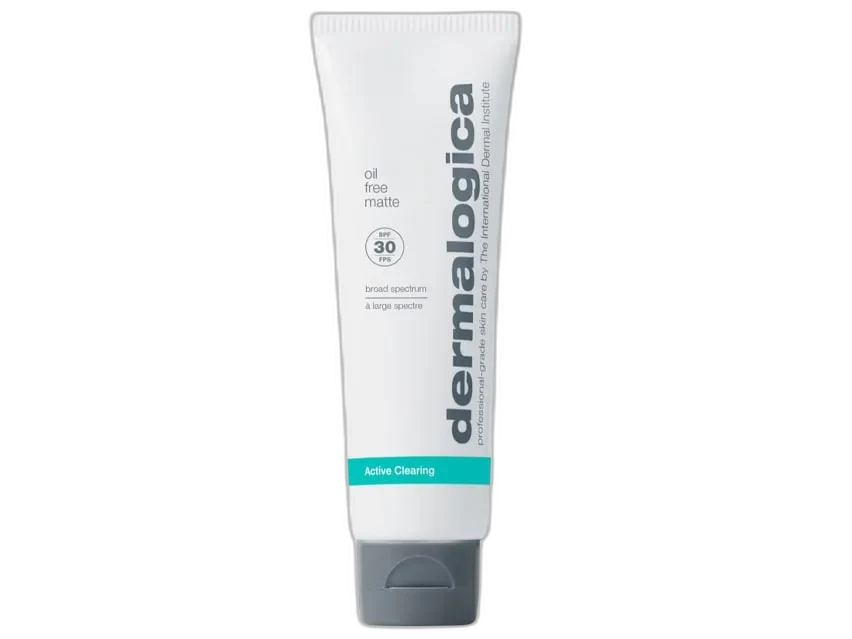
Oil Free Matte SPF 30
Oil Control SPF Specialist
 Verified reviewer
Pros & cons.
- +Genuinely effective matte finish with dual oil-control approach: physical absorbers plus sebum-regulating niacinamide
- +Lightweight texture absorbs in seconds with zero greasy residue or white cast
- +Four-filter broad-spectrum SPF 30 provides robust UVA and UVB protection
- +Can replace both moisturizer and sunscreen for oily skin, simplifying AM routine
- +Zinc gluconate and green tea provide anti-inflammatory support for acne-prone skin
- +Elegant enough to double as a mattifying makeup primer
- −Contains oxybenzone — a systemically absorbed UV filter with endocrine disruption concerns
- −Grapefruit peel oil introduces limonene, a known fragrance allergen, into a product for reactive skin
- −Premium $58 price tag for 1.7 oz of conventional chemical sunscreen is hard to justify
- −Too drying for combination-to-dry skin types — narrow audience despite the price
- −Matte finish lasts only 3-4 hours on very oily skin before breakthrough shine
- −Not safe during pregnancy due to oxybenzone and homosalate
The full review.
Oily-skinned people know the resignation of applying morning sunscreen and watching their face turn freshly glazed. Dermalogica’s Oil Free Matte SPF 30, from the Active Clearing line, prevents that moment. It largely succeeds, though it has baggage.
The concept is smart. This formula embeds sebum-regulating actives directly into the SPF instead of treating sun protection and oil control as separate steps. Niacinamide reduces sebum production over time at the cellular level, while zinc gluconate provides anti-inflammatory and antimicrobial support for breakout-prone skin. Additionally, physical oil absorbers — nylon-12 and aluminum starch octenylsuccinate — soak up surface oil for immediate mattifying results. It uses a dual-timeline approach: instant cosmetic gratification plus long-term sebum management.
The texture is impressive for a product with this much functionality. It spreads like a lightweight lotion, absorbs within seconds, and leaves a velvety, powder-soft finish. It feels nothing like the thick, tacky chemical sunscreens that give the category a bad name. For oily and combination skin types, it works as both moisturizer and sunscreen in one step, streamlining the morning routine and reducing the product load on congested skin.
The four-filter UV system provides broad-spectrum protection. Homosalate at 8% handles UVB defense, while avobenzone at 3% covers UVA1 rays. Octisalate provides supplementary UVB coverage, and oxybenzone fills the UVA2 gap while photostabilizing the unstable avobenzone. From a sun protection standpoint, it works.
But we must address the oxybenzone. In 2026, including oxybenzone in a premium, professionally-positioned sunscreen invites scrutiny. A 2020 JAMA study showed that oxybenzone is systemically absorbed through the skin at concentrations exceeding the FDA’s threshold of concern, reaching plasma levels of 85-94 ng/mL after one application. It is a potential endocrine disruptor, detected in breast milk and fetal blood, and is banned in Hawaii and Key West due to its impact on coral reefs. For a brand that prides itself on science, this formulation decision hasn’t kept up with the conversation.
The grapefruit peel oil inclusion is also puzzling. It introduces limonene, a known fragrance allergen, into a product designed for reactive, acne-prone skin. Despite being marketed for problem skin, the formula contains two ingredients dermatologists increasingly advise against for that skin type.
The matte finish delivers solidly but not perfectly. On moderately oily skin, expect 4-6 hours of shine control before breakthrough. Very oily skin types — those who need this most — report closer to 3-4 hours before needing a midday blotting paper. It is good, but “all-day matte control” is a generous description.
At fifty-eight dollars for 1.7 ounces, the pricing requires scrutiny. This is a chemical sunscreen with conventional UV filters at a price point suggesting premium formulation. The skincare actives (niacinamide, zinc gluconate, caffeine, green tea) are thoughtful additions, but they don’t justify a nearly sixty-dollar price tag for less than two ounces of product requiring daily reapplication. The annual cost math gets uncomfortable quickly.
Green tea extract and vitamin E derivatives provide antioxidant backup, mopping up free radicals the UV filters miss — a useful inclusion that adds value to a sunscreen formula. Caffeine offers mild vasoconstrictive and anti-inflammatory effects. These are smart supporting players that show formulation thought beyond mixing UV filters with mattifying powders.
For the target user — oily, acne-prone skin needing mattifying sun protection with blemish-fighting ingredients — it accomplishes its mission. The texture is excellent, the oil control is real, and the lack of white cast works on all skin tones. However, the oxybenzone, fragrance allergens, and premium pricing create barriers for many who would benefit most. In a rapidly evolving category, this formula feels like it is still answering last decade’s questions.
Formula
Ingredient analysis.
Full INCI list
Active Ingredients: Avobenzone 3.00%, Homosalate 8.00%, Octisalate 4.00%, Oxybenzone 5.00%. Inactive Ingredients: Water/Aqua/Eau, Homosalate, Benzophenone-3, Ethylhexyl Salicylate, Butyl Methoxydibenzoylmethane, PPG-3 Benzyl Ether Ethylhexanoate, Butylene Glycol, Nylon-12, Aluminum Starch Octenylsuccinate, Arachidyl Alcohol, Stearic Acid, Polysorbate 80, Leuconostoc/Radish Root Ferment Filtrate, Enantia Chlorantha Bark Extract, Camellia Sinensis Leaf Extract, Oleanolic Acid, Niacinamide, Yeast Extract, Aesculus Hippocastanum (Horse Chestnut) Seed Extract, Ammonium Glycyrrhizate, Panthenol, Zinc Gluconate, Caffeine, Biotin, Ascorbyl Tetraisopalmitate, Sodium DNA, Tocopherol, Caprylic/Capric Triglyceride, Carbomer, Carthamus Tinctorius (Safflower) Oleosomes, Citrus Grandis (Grapefruit) Peel Oil, Limonene, Tocopheryl Acetate, Behenyl Alcohol, Arachidyl Glucoside, Cetyl Alcohol, Glyceryl Stearate SE, Sorbitan Stearate, Vinyl Dimethicone/Methicone Silsesquioxane Crosspolymer, Hydroxyethyl Acrylate/Sodium Acryloyldimethyl Taurate Copolymer, Isohexadecane, Polysorbate 60, Acrylates/C10-30 Alkyl Acrylate Crosspolymer, Xanthan Gum, Sodium Benzoate, Potassium Sorbate, Sodium Hydroxide, Disodium EDTA
Skin match.
The science.
The Science
This formula uses a four-filter UV system with avobenzone (3%), homosalate (8%), octisalate (4%), and oxybenzone (5%) for broad-spectrum UVA and UVB coverage. Avobenzone is the gold standard for UVA1 protection but degrades fast under UV exposure—losing 50-60% of its protection within 60 minutes alone. The oxybenzone in this formula has two roles: it absorbs UVA2 and short UVB radiation and photostabilizes the avobenzone to keep protection active.
However, a 2020 randomized clinical trial in JAMA by Matta et al. shows that all six tested chemical UV filters—including the four in this product—reach systemic absorption levels above the FDA's 0.5 ng/mL threshold after one application. Oxybenzone reached the highest plasma concentrations at 85-94 ng/mL, and researchers are still investigating the effects of chronic exposure.
The sebum-regulating approach has more evidence. A 2006 study by Draelos et al. in the Journal of Cosmetic and Laser Therapy shows that 2% topical niacinamide significantly reduced facial sebum excretion rate in Japanese and Caucasian subjects over four weeks. Niacinamide works by reducing triglyceride and fatty acid synthesis in sebocytes. Combined with the anti-inflammatory and antimicrobial properties of zinc gluconate—well-documented in acne literature—this formula manages oil through multiple pathways rather than just cosmetic mattifying.
The green tea extract (Camellia sinensis) provides EGCG polyphenols. Multiple studies show these polyphenols have photoprotective activity, acting as a secondary antioxidant defense layer behind the UV filters.
References
- Effect of Sunscreen Application on Plasma Concentration of Sunscreen Active Ingredients: A Randomized Clinical Trial — JAMA (2020)
- The effect of 2% niacinamide on facial sebum production — Journal of Cosmetic and Laser Therapy (2006)
Dermatologist Perspective
Dermatologists in the Active Clearing treatment protocol recommend this SPF for acne-prone patients who need daily sun protection without more breakouts. Board-certified dermatologists note that the niacinamide and zinc gluconate combination addresses both the inflammatory and sebaceous components of acne, making this more therapeutically relevant than a simple mattifying sunscreen. However, more dermatologists now recommend that patients—especially pregnant individuals and those with endocrine sensitivities—avoid oxybenzone-containing products in favor of mineral or newer-generation chemical filters. The inclusion of grapefruit peel oil is also counterproductive for a formula targeting reactive, acne-prone skin.
Where it fits in your routine.
Apply a nickel-sized amount to clean, dry skin as your last morning skincare step. Wait 10-15 minutes before applying makeup to get the best mattifying results. Reapply every two hours during extended sun exposure. This can replace your morning moisturizer if you have oily skin. Double cleanse in the evening (oil cleanser followed by water-based cleanser) to remove all chemical UV filters.
At $58 for 1.7 oz, this is one of the more expensive chemical sunscreens available. The sebum-regulating actives (niacinamide, zinc gluconate) and antioxidant complex (green tea, vitamin C derivative) provide functional value beyond UV protection. However, the UV filter system uses conventional, inexpensive chemical filters, including the controversial oxybenzone. The Dermalogica brand name and professional-channel positioning drive much of the premium price. Oily-skinned consumers on a budget can find niacinamide-containing mattifying sunscreens for much less, though they may not match this specific texture and formulation elegance.
Oily and combination skin types want sebum-regulating actives in their sun protection to stop sunscreen-induced shine. This works for acne-prone individuals who need a mattifying SPF without adding more products.
Avoid this if pregnant or trying to conceive (contains oxybenzone and homosalate). Dry and sensitive skin types will find this too drying and irritating. Consumers avoiding oxybenzone for health or environmental reasons should use mineral or newer-generation chemical sunscreens.
Product details.
This lightweight, ultra-sheer lotion spreads easily and absorbs in seconds. The nylon-12 and aluminum starch octenylsuccinate leave a velvety, powder-soft finish without chalky residue.
Contains grapefruit peel oil, which gives a faint, clean citrus scent that fades fast. It is not fragrance-free, even without synthetic fragrances.
White squeeze tube with gray and green Dermalogica Active Clearing branding. Standard professional-line packaging. Hygienic tube format.
The product provides an immediate matte effect. Skin feels dry-to-the-touch within about 60 seconds. Most users feel no tingling, but those with sensitive skin may feel mild warmth from the chemical UV filters. The oil-absorbing effect shows from first use.
2-3 months with daily AM application to face
12 months
spring summer
The backstory.
Part of Dermalogica's Active Clearing collection, this SPF was designed to solve a specific frustration for acne-prone skin: most sunscreens either break you out or make you shinier. By embedding sebum-regulating and anti-inflammatory actives directly into the sun protection step, Dermalogica aimed to eliminate a step from the acne-prone routine while keeping skin matte and protected.
About Dermalogica
Legacy Brand (20+ years)Jane Wurwand founded Dermalogica in 1986 with the International Dermal Institute, which trains more than 75,000 skin therapists every year. Professionals use the brand in treatment rooms, and dermatologist-curated retailers carry it.
Common myths.
Oil-free sunscreens provide less UV protection than richer formulas.
This formula uses a four-filter chemical system (avobenzone, homosalate, octisalate, oxybenzone) for SPF 30 broad-spectrum protection. The oil-free base changes texture but not UV-blocking efficacy when applied at the recommended amount.
Chemical sunscreens cause acne in oily skin types.
UV filters are not typically comedogenic. The breakout risk in this formula comes from ingredients like isohexadecane and the emulsifier system. Some chemical sunscreens work well for acne-prone skin; it depends on the full formulation, not the filter type.
FAQ.
Does Dermalogica Oil Free Matte SPF 30 contain oxybenzone?
Yes — oxybenzone (benzophenone-3) at 5% is one of four active UV filters in this formula. It absorbs UVA2/UVB and photostabilizes the avobenzone. Consumers avoiding oxybenzone because of endocrine disruption concerns or environmental impact should use mineral sunscreen alternatives.
Can I use Dermalogica Oil Free Matte SPF 30 as a moisturizer?
Oily skin types can use this as both sunscreen and moisturizer because it has niacinamide, panthenol, and a hydrating base. Dry and normal skin types need a separate moisturizer underneath, as the mattifying formula absorbs oil aggressively.
Is Dermalogica Oil Free Matte SPF 30 safe during pregnancy?
Do not use this product during pregnancy. It contains oxybenzone, which skin absorbs systemically and shows up in fetal blood. Dermatologists advise pregnant individuals to use mineral sunscreens (zinc oxide or titanium dioxide) instead of chemical filters like oxybenzone and homosalate.
Does Dermalogica Oil Free Matte SPF 30 leave a white cast?
No — this is a 100% chemical sunscreen with no mineral filters (no zinc oxide or titanium dioxide). It absorbs completely and leaves no white cast. It blends invisibly on all skin tones.
How long does the matte finish last?
Most users report a matte finish for 4-6 hours on moderately oily skin. Very oily skin types see shine after 3-4 hours. The formula uses physical oil absorbers (nylon-12, aluminum starch) and sebum-regulating actives (niacinamide, zinc gluconate) to control oil.
Community
What the community says.
"Effective matte finish that controls oil for most of the day"
"Lightweight texture absorbs quickly without greasy residue"
"No white cast — blends invisibly into all skin tones"
"Works well under makeup as a mattifying primer"
"Helps balance oily and acne-prone skin with regular use"
"Can be very drying for combination or normal skin types"
"Contains oxybenzone, which many consumers now prefer to avoid"
"Premium price of $58 for a 1.7 oz chemical sunscreen feels steep"
"Some users report breakouts including cystic acne"
"Matte finish may not last all day on extremely oily skin"
Featured in.
People also looked at.