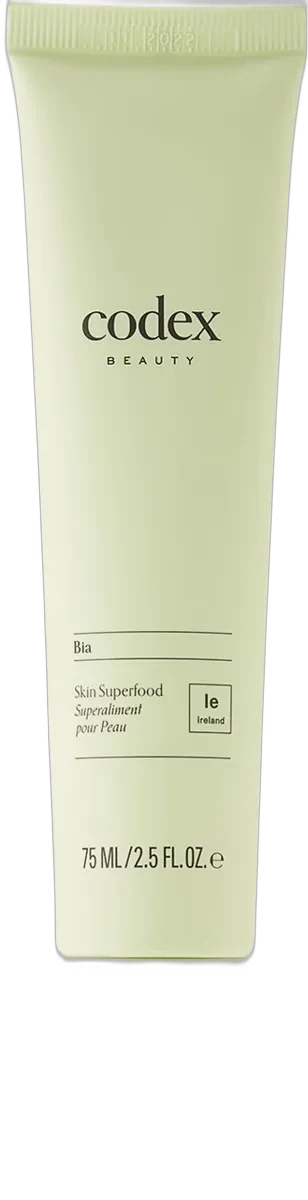
Bia Skin Superfood
Barrier-Repair Powerhouse
 Verified reviewer
Pros & cons.
- +Deliberately stacked omega-rich seed oil blend with rare inclusions like echium
- +Full biotech botanical calming complex (Acmella, Cassia alata, centella)
- +Shea butter provides occlusive comfort without feeling heavy
- +Panthenol, bisabolol, and allantoin reinforce the calming base
- +Published clinical validation on finished formula — unusual for clean beauty
- +Reactive and post-procedure skin tolerates it well
- +Genuine barrier improvement with 4-8 week consistent use
- −Premium pricing at $65 for 75ml
- −Too rich for oily skin and not fungal-acne-safe
- −Light fragrance limits use for fragrance-allergic skin
- −Glass jar packaging less elegant than brand's newer airless options
- −Ingredient complexity makes patch testing especially recommended
The full review.
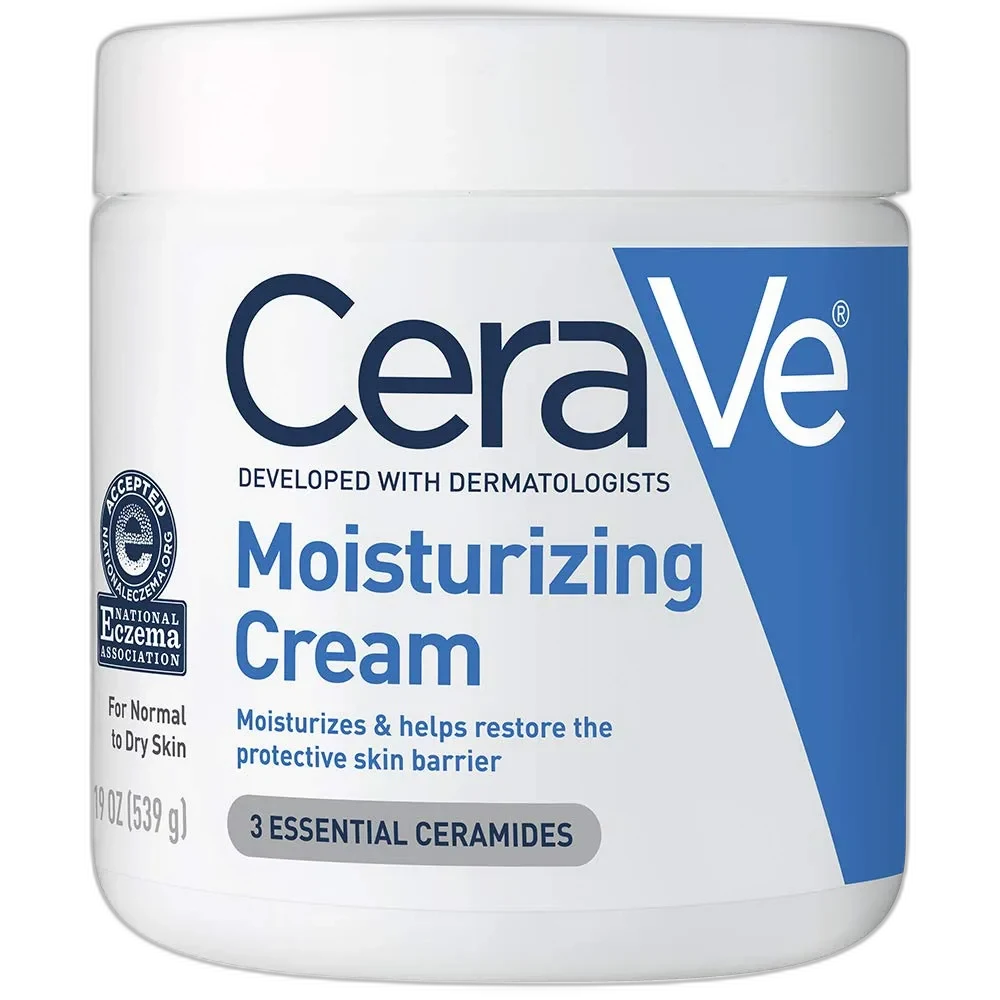
Most ‘omega-rich’ or ‘oil-blend-powered’ moisturizers use marketing rather than formulation logic. The oils in a formula matter less than their positioning in the copy; brands rarely discuss fatty acid ratios, which actually predict how a plant oil behaves on skin. Codex Labs takes fatty acid ratios seriously, and Bia Skin Superfood shows this most clearly. The seed oil blend in this cream is stacked, not random. It contains echium plantagineum seed oil, a rare commercial inclusion and one of the richest plant sources of stearidonic acid—a precursor to longer-chain omega-3 fatty acids like EPA. Sacha inchi (plukenetia volubilis) seed oil provides high levels of alpha-linolenic acid and linoleic acid, making it a top-tier balanced omega-3/omega-6 oil for cosmetics. Rosa canina (rosehip) fruit oil adds linoleic acid and natural trans-retinoic acid precursors. Vaccinium macrocarpon (cranberry) seed oil provides an almost ideal 1:1 ratio of omega-3 to omega-6 fatty acids, a ratio linked to anti-inflammatory signalling. Sunflower oil and jojoba oil add linoleic acid and a wax-ester structure similar to human sebum. This stacked blend works better for barrier-compromised or very dry skin than single-oil formulas. These fatty acids enter the barrier lipid synthesis pathway, providing raw material for ceramide precursors to restore barrier function over weeks of use. This is not pseudo-science; published dermatology research links linoleic acid deficiency to increased transepidermal water loss and barrier dysfunction, while topical linoleic-rich oils improve these parameters. This cream provides the raw material for skin to rebuild itself. Beyond the oils, the formula uses Codex’s standard toolkit: glycerin and sodium hyaluronate for humectant hydration, shea butter for occlusion, panthenol, bisabolol, and allantoin for calming, and Acmella oleracea, Cassia alata, and centella asiatica for the biotech botanical layer. The ingredient list resembles a prescription barrier repair cream more than a typical clean beauty moisturizer, but Codex uses published clinical testing on the finished product instead of just ingredient-level claims. The use experience matches the formulation. The cream is cushiony but not heavy, absorbs into a satin finish within a minute, and leaves skin softer and more resilient after one use. After two to four weeks of consistent use, dry skin users typically report better surface texture, less tightness, and better tolerance of other actives. This cream works as a rescue layer for post-retinol dryness, post-procedure recovery, and winter barrier stress. Specific caveats apply. This is not for oily skin; the seed oil blend and shea butter are richer than most oily users need, and daily layering under sunscreen may cause pilling. It is not fungal-acne-safe; the plant oils contain fatty acids that feed Malassezia, so users with Malassezia folliculitis should use simpler moisturizers without seed oils. The light fragrance, partly from the oils, requires patch testing for fragrance-reactive users. At $65 for 75ml, the price is premium. The per-ounce cost is roughly triple a drugstore barrier-repair cream like CeraVe Moisturizing Cream and higher than most clean beauty alternatives. Is the premium justified? For dry, barrier-compromised, or sensitive skin users who value the omega-rich oil blend, biotech botanicals, and published clinical validation, yes—the formulation depth is legitimate and the cream works. For users seeking a competent daily moisturizer without biotech-botanical positioning, cheaper options provide similar barrier support for less. Bia Skin Superfood is a specific tool for a specific buyer rather than a universal recommendation, and it is one of the most thoughtful formulations in premium clean beauty.
Ingredient analysis.
Full INCI list · pH 5.5
Water, Caprylic/Capric Triglyceride, Glycerin, Isostearyl Isostearate, Cetyl Alcohol, Glyceryl Stearate, Butyrospermum Parkii (Shea) Butter, Olea Europaea (Olive) Fruit Oil, Plukenetia Volubilis Seed Oil, Cetearyl Olivate, Sorbitan Olivate, Echium Plantagineum Seed Oil, Simmondsia Chinensis (Jojoba) Seed Oil, Rosa Canina Fruit Oil, Vaccinium Macrocarpon (Cranberry) Seed Oil, Helianthus Annuus (Sunflower) Seed Oil, Sodium Hyaluronate, Tocopherol, Panthenol, Allantoin, Bisabolol, Acmella Oleracea Flower Extract, Centella Asiatica Extract, Avena Sativa (Oat) Kernel Extract, Cassia Alata Leaf Extract, Camellia Sinensis Leaf Extract, Xanthan Gum, Glyceryl Caprylate, Phenethyl Alcohol, Caprylyl Glycol, Ethylhexylglycerin, Citric Acid, Parfum/Fragrance.
Skin match.
The science.
The Science
Topical fatty acids and barrier repair science is well-established. The stratum corneum barrier relies on a lipid matrix of ceramides, cholesterol, and free fatty acids; linoleic acid is a key precursor to ω-hydroxy ceramides. A 1978 study in the Journal of Investigative Dermatology shows that essential fatty acid deficiency increases transepidermal water loss and impairs barrier function, which justifies topical fatty acid supplementation. Later research shows topical linoleic-rich oils help restore these parameters in barrier-disrupted skin. The oil blend in Bia Skin Superfood follows this biology. Echium plantagineum seed oil contains about 13-14% stearidonic acid, an omega-3 that metabolizes into longer-chain omega-3s with higher biological activity—a rare trait compared to common plant oils. Sacha inchi oil contains approximately 48% alpha-linolenic acid and 36% linoleic acid, providing one of the best omega-3/omega-6 profiles in commercial plant oils. Cranberry seed oil has an unusual 1:1 omega ratio and some studies link it to anti-inflammatory activity. The calming botanical complex also has evidence. Centella asiatica's TECA fractions have clinical evidence for wound healing and anti-inflammatory effects. Bisabolol, from chamomile, has studied anti-erythema and anti-inflammatory actions. Panthenol's barrier support via pantothenic acid conversion is well-characterized. Acmella oleracea and Cassia alata enter less-established territory; both have in vitro and traditional-use evidence but lack large clinical datasets. Codex's published finished-product testing shows the overall formulation delivers measurable outcomes, even where individual novel ingredients lack standalone clinical data.
Dermatologist Perspective
Dermatologists generally support topical barrier repair using fatty acid supplementation and calming botanicals, and this formulation fits that logic. Board-certified dermatologists often recommend omega-rich moisturizers for patients with compromised barriers, chronic dryness, or recovery from retinoids or in-office procedures. The Codex brand's National Eczema Association Seal adds credibility for eczema-prone patients, though individual product recommendations must still account for specific fragrance content and oil profiles. For patients with oily, acne-prone, or fungal-acne-associated skin, dermatologists typically recommend simpler, lower-oil moisturizers instead of plant-oil blends.
Where it fits in your routine.
Apply to cleansed skin after your serum and before sunscreen or sleeping mask. Use a pea-to-almond-sized amount for the full face; warm it between fingers before pressing it into skin. For very dry skin or winter routines, layer it over a hydrating serum or under a thicker sleeping mask at night. Use twice daily. For combination skin, apply a thin layer to dry areas instead of a uniform application. People with confirmed fungal acne should choose a simpler alternative.
At $65 for 75ml, Bia Skin Superfood has premium pricing. It costs more than drugstore barrier-repair creams and most mid-tier clean beauty moisturizers. Marie Veronique, Josh Rosebrook, and True Botanicals offer comparable formulations in this price range. The formulation depth, published clinical validation, and biotech botanical inclusions justify the cost for users who value those features. A 15ml travel size costs roughly $25, allowing users to test the cream before buying the full size. The full size costs about $26/oz — premium, but standard for the clean beauty category.
Users with dry, normal, combination, compromised, or sensitive skin want an oil-rich barrier-support moisturizer with biotech botanical credentials and published clinical validation. It works well for post-procedure recovery, chronic dryness, winter barrier stress, and anyone seeking a clean beauty moisturizer with measurable outcomes.
Oily or acne-prone skin users need lighter alternatives; this cream is thicker than oily skin typically requires. Users with confirmed fungal acne should avoid this due to plant oil content. Fragrance-allergic users should patch test or select a fragrance-free alternative. Budget-focused buyers can find effective barrier-repair moisturizers for much less.
Product details.
Soft herbal-botanical with a faint nutty-oil note.
Frosted glass jar with airless pump inner chamber (varies by size).
The first use feels nourishing but not greasy. Skin absorbs the cream quickly, leaving a soft, dewy finish after five minutes instead of a heavy one. Most users feel immediate comfort on dry or post-procedure skin.
About 2.5-3 months with twice-daily full-face application from a 75ml jar.
12 months
All Year
The backstory.
Bia Skin Superfood was Codex Labs' launch product in 2018 and established the brand's formulation signature: biotech-supported botanical actives in a clinically tested finished product. It has held its flagship position in the brand's lineup ever since and is one of the most frequently cited Codex products in clean beauty reviews.
About Codex Labs
Emerging Brand (2–5 years)Codex Labs launched in 2018 in California. Its founding team includes biotech and pharma researchers, and the company has published clinical testing for several signature products. Bia Skin Superfood was the brand's launch SKU and remains its flagship moisturizer.
Common myths.
Plant oils are always comedogenic and bad for acne-prone skin.
Comedogenicity depends on specific ingredients and the formulation. Linoleic-acid-dominant oils like sunflower and sacha inchi work well for acne-prone skin, but oleic-acid-dominant oils like olive cause more issues. This formula uses both, so acne-prone users should patch test and consider lighter alternatives.
FAQ.
Is Bia Skin Superfood good for very dry skin?
Yes — shea butter, omega-rich seed oils, and glycerin create a nourishing cream that works well for very dry skin. For extreme dryness, layer a hydrating serum underneath or add a facial oil on top at night.
Can oily skin use it?
It works but is not ideal. The seed oil blend and shea butter make this cream thicker than most oily-skin moisturizers require. Oily users should choose lighter alternatives in the Codex lineup or elsewhere.
Is it safe for eczema or sensitive skin?
Codex Labs designs this formulation for sensitive and compromised skin and has a National Eczema Association Seal at the brand level. The centella, bisabolol, and panthenol calming base works for reactive skin, but the fragrance complex requires fragrance-allergic users to patch test first.
Does it work for fungal acne?
No — the plant oils in this formula are not fungal-acne-safe. If you have confirmed Malassezia-related folliculitis, use a simpler moisturizer without fatty acid-rich oils.
Is it pregnancy safe?
Yes — the formulation lacks actives that raise pregnancy concerns. Always check with your OB before adding new skincare during pregnancy.
What the community says.
"deeply nourishing"
"noticeable barrier repair"
"works through dry seasons"
"soothes post-retinol irritation"
"expensive"
"too rich for oily skin"
"fragrance"