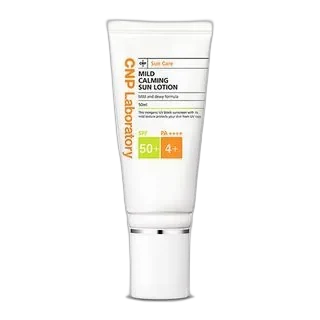
Mild Calming Suncream SPF 50+
Post-Procedure Pick
 Verified reviewer
Pros & cons.
- +Modern broad-spectrum filter stack with photostable ethylhexyl triazone
- +Full TECA centella complex with all four fractions separately listed
- +Niacinamide and panthenol support barrier through UV exposure
- +Lightweight cream texture with no white cast and satin finish
- +Gentle enough for post-procedure and sensitive-skin use
- +Clinic-validated through CNP's dermatology practice network
- −Contains octinoxate, which is restricted in some jurisdictions
- −Light fragrance limits it for truly fragrance-allergic users
- −Priced above cheaper K-beauty alternatives with similar positioning
- −50ml tube runs through quickly at full recommended doses
- −Can pill under certain silicone-heavy foundations
The full review.
About CNP Mild Calming Suncream
Most sunscreen brands ignore a specific need: UV protection for skin that is too fragile for normal sunscreen after a laser treatment, chemical peel, or acne intervention. CNP’s dermatology clinic network created the Mild Calming line, and this sunscreen specifically, to solve this. The formulation reflects this origin. The UV filter stack uses homosalate, octisalate, octinoxate, avobenzone, and ethylhexyl triazone. Ethylhexyl triazone (also called Uvinul T 150) is a highly photostable UVB filter. The FDA has not approved it in the US, but Korean and European sunscreens use it widely. It provides strong UVB protection and stabilizes avobenzone, which photodegrades easily when used alone. This filter stack delivers broad-spectrum coverage that lasts longer than older American-style chemical sunscreens. Octinoxate is a controversial filter restricted in Hawaii due to coral reef concerns, and newer Korean sunscreens often replace it with modern alternatives. However, the other filters are current-generation and UVB coverage is solid. The skincare base distinguishes this formula. Instead of a single ‘Centella asiatica extract’, the formula lists madecassoside, asiaticoside, asiatic acid, madecassic acid, and centella asiatica extract. These four TECA fractions appear individually, showing the brand uses a standardized TECA complex rather than a token extract drop-in. With niacinamide, panthenol, allantoin, and sodium hyaluronate, the sunscreen acts more like a calming essence with UV filters than a basic sun cream. On compromised skin, this matters; the calming actives offset the subtle barrier stress chemical filter penetration can cause in inflamed tissue.
Texture
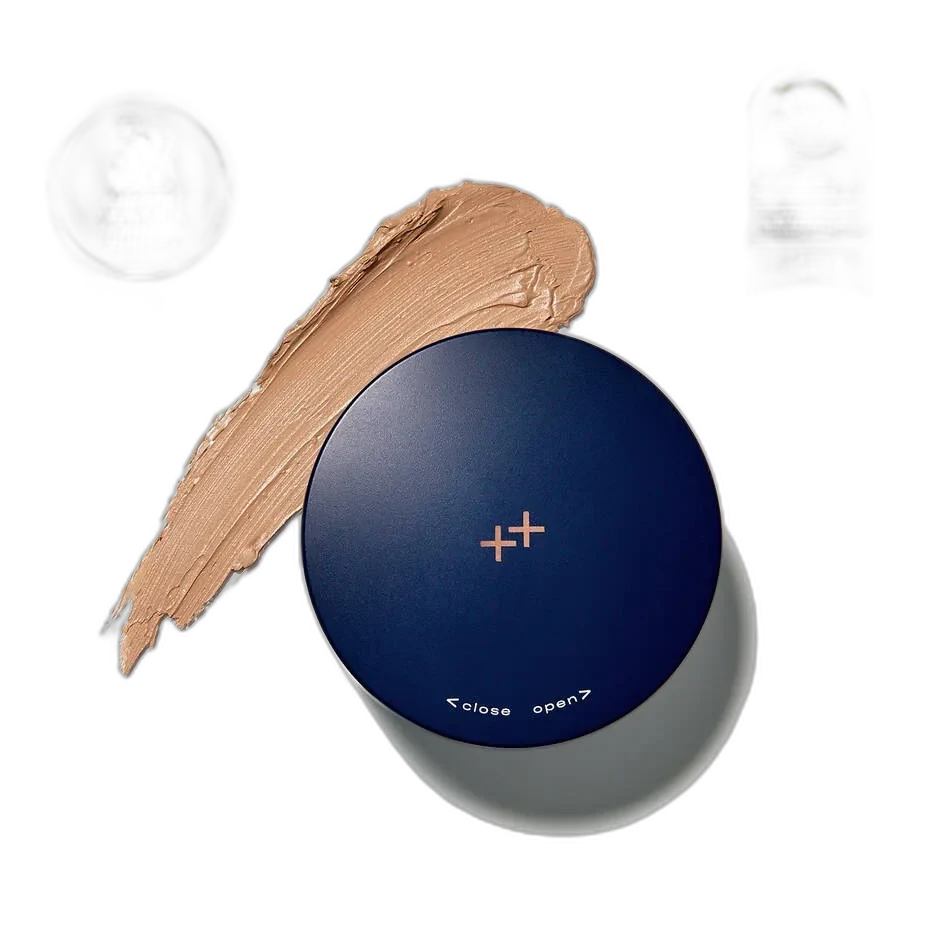
The cream applies easily without heavy rubbing, absorbs in under a minute, and leaves a slightly satin finish that sits comfortably under foundation.
Scent
The fragrance is light and clean, but fragrance-allergic users should patch test first.
How to Use
Reapplication is easy. The texture does not pill easily over most makeup and the satin finish refreshes without looking greasy.
Best for
At $26 for a 50ml tube, this sunscreen is a reasonable investment for reactive skin, post-procedure recovery, or rosacea management.
Works for
This is specialized sunscreen for people who need specialized sunscreen; for that audience, it is worth the price.
Not ideal for
Cheaper alternatives do the same job if you only want daily UV protection for healthy skin.
Pairs Well With
N/A
Conflicts With
N/A
Common Praise
No white cast, no heavy feel, and no stinging on freshly exfoliated or sunburn-sensitive skin.
Common Complaints
N/A
Myth
N/A
Reality
N/A
AM routine
N/A
PM routine
N/A
Packaging
N/A
Best Season
N/A
Ingredient analysis.
Full INCI list · pH 6
Water, Homosalate, Ethylhexyl Salicylate, Ethylhexyl Methoxycinnamate, Cyclopentasiloxane, Propanediol, Dipropylene Glycol, Butyl Methoxydibenzoylmethane, Niacinamide, Glycerin, Ethylhexyl Triazone, Silica, PEG-10 Dimethicone, Cetyl PEG/PPG-10/1 Dimethicone, Disteardimonium Hectorite, Stearyl Dimethicone, Madecassoside, Centella Asiatica Extract, Asiaticoside, Asiatic Acid, Madecassic Acid, Panthenol, Allantoin, Sodium Hyaluronate, Tocopheryl Acetate, Ethylhexylglycerin, 1,2-Hexanediol, Sodium Chloride, Disodium EDTA, Fragrance.
Skin match.
The science.
The Science
This sunscreen's filter stack uses modern Korean sunscreen design. Ethylhexyl triazone (Uvinul T 150) is a UVB filter with one of the highest molar extinction coefficients of any approved UV filter, providing strong UVB absorbance at low concentrations. Peer-reviewed formulation studies show it stabilizes avobenzone; this matters because avobenzone alone photodegrades by 36-50% within the first hour of sun exposure. Combined with octisalate and homosalate, which add UVB coverage and stabilization, the stack lasts through a typical day. The calming actives have evidence. Niacinamide at 2-5% concentrations has randomized controlled trial support for reducing erythema and improving barrier function, per the British Journal of Dermatology. Centella asiatica's TECA complex has clinical evidence for wound healing and anti-inflammatory effects—a 2019 review in Phytotherapy Research summarized this topical centella evidence. Panthenol supports the barrier by converting to pantothenic acid, a coenzyme A component that participates in lipid metabolism for stratum corneum lipid synthesis. This formulation is clever because it uses all three evidence-backed calming actives in a sunscreen base, so users do not need a separate calming serum. This integration helps post-procedure skin recovery protocols where minimizing product count is necessary. The formulation's limitation is the octinoxate inclusion; newer Korean sunscreens use alternatives like Uvinul A Plus (diethylamino hydroxybenzoyl hexyl benzoate), but CNP hasn't updated this formulation to match that standard.
Dermatologist Perspective
Dermatologists recommend centella-based sunscreens for sensitive, rosacea-prone, or post-procedure skin, and this formulation fits that profile. Board-certified dermatologists note that the full TECA centella complex, niacinamide, and panthenol create a base that reduces the mild barrier stress chemical sunscreen filters can trigger in reactive skin. Korean dermatology clinics use this product in laser and peel recovery protocols, though patients should follow direct clinician guidance for any post-procedure product use. The octinoxate content is a minor drawback in current dermatology sunscreen discussions, but it does not undermine the product's safety or effectiveness at standard use levels.
Where it fits in your routine.
Apply this as your final daytime skincare step, after moisturizer and before makeup. Use at least 1/4 teaspoon for the full face; under-dosing is the most common sunscreen mistake and lowers the SPF rating. Dot across cheeks, forehead, chin, and nose, then spread evenly. Let it settle for 60 seconds before applying makeup. Reapply every 2 hours if you have direct sun exposure or after swimming/sweating. For post-procedure use, follow your dermatologist's specific guidance for reintroducing sunscreen after your treatment.
At $26 for 50ml, this sunscreen is in the upper-mid K-beauty tier. Other sensitive-skin Korean sunscreens cost between $15 (Beauty of Joseon, Purito) and $35 (Dr Ceuracle, Atorrege). The formulation quality and clinic heritage justify the price for sensitive-skin users, though budget-focused buyers find nearly equivalent performance for less. A 50ml tube lasts 4-6 weeks at the recommended 1/4 teaspoon daily full-face dose. This makes the monthly cost similar to a mid-priced serum. No larger size exists, so users cannot optimize per-ounce value.
This chemical sunscreen calms sensitive, reactive, rosacea-prone, or post-procedure skin. It suits anyone wanting a K-beauty sunscreen with a skincare-forward base and extra calming actives. It works well under makeup.
People in Hawaii, Key West, or other reef-protected jurisdictions where octinoxate is restricted should use a mineral or newer-filter alternative. Fragrance-allergic users should patch test or skip. Budget buyers can find similar sensitive-skin Korean sunscreens for less money.
Product details.
Lightweight cream that spreads easily and dries to a slightly satin finish.
Subtle clean fragrance that fades on application.
White plastic squeeze tube with CNP branding.
The first use spreads easily without heavy rubbing. It absorbs in under a minute and leaves a comfortable hydrated-satin finish. It has no white cast, no tingling, and no heaviness. You can layer makeup on it immediately.
Apply to the full face daily for 4-6 weeks using a quarter-teaspoon dose.
12 months
All Year
The backstory.
CNP developed the Mild Calming line specifically for use in the brand's dermatology clinic network, where patients recovering from lasers, peels, and other procedures need sun protection that won't flare compromised skin. The Suncream SPF 50+ became the line's bestseller as clinic patients continued using it after their treatment cycles ended.
About CNP Laboratory
Established Brand (5–20 years)Korean dermatologists co-founded CNP Laboratory in 2000. The brand sells through Korean dermatology clinics and retail. The Mild Calming line targets sensitive, post-procedure skin and doctors often recommend it to patients after in-office treatments.
Common myths.
Mineral sunscreens work better for sensitive skin than chemical sunscreens.
Many people find this true, but modern chemical sunscreens using newer filters like ethylhexyl triazone and a calming base often feel better than zinc-and-titanium-only formulas that leave a heavy, drying finish. The right answer depends on the individual, not the category.
FAQ.
Is CNP Mild Calming Suncream good for sensitive skin?
Yes, the full centella TECA complex, niacinamide, and panthenol make it one of the better-tolerated chemical sunscreens for sensitive skin. The only caveat is the light fragrance — if you're fragrance-reactive, test a small area first.
Does it leave a white cast?
No — this is a chemical sunscreen, not a mineral one, so it lacks zinc or titanium to leave a white cast. The finish is a slightly satin, hydrated look that works for most skin tones.
Can you use it after a laser treatment?
This formulation targets this specific use case, but follow your dermatologist's post-procedure instructions. Most Korean clinics recommend reintroducing sunscreen on day 2-3 post-procedure once re-epithelializing begins.
Is it reef-safe?
No. The formula contains octinoxate, which Hawaii and some other areas restrict because of coral reef concerns. Use mineral-only alternatives if you need reef-safe sunscreen for ocean use.
How does it compare to Beauty of Joseon Relief Sun?
Relief Sun targets sensitive skin similarly but uses a different filter stack, is fragrance-free, and costs much less. CNP's version has a fuller centella complex and a more skincare-forward base, but costs more. Both work well for different priorities.
What the community says.
"comfortable on sensitive skin"
"no white cast"
"works under makeup"
"gentle even during laser recovery"
"slight fragrance smell"
"octinoxate inclusion"
"can pill under certain foundations"
"slightly shiny finish"
People also looked at.