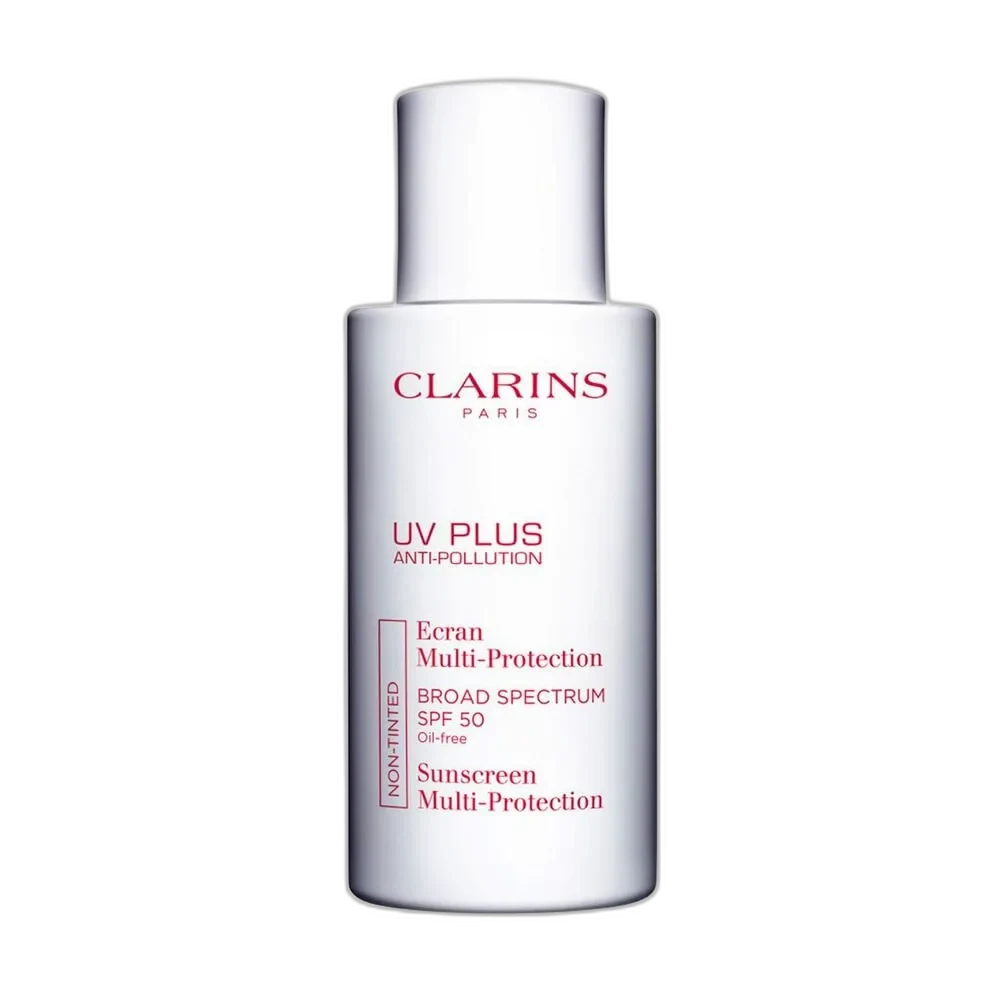
UV Plus Anti-Pollution Sunscreen Multi-Protection SPF 50
Luxury Anti-Pollution Shield
 Verified reviewer
Pros & cons.
- +Exceptionally lightweight silky texture that doubles as an excellent makeup primer
- +Hybrid mineral-chemical filter system provides broad-spectrum SPF 50 without heavy white cast
- +Oil-free formula particularly well-suited for oily and combination skin types
- +Genuine botanical antioxidant complex beyond basic UV filtration
- +Extremophile ferment is a novel and scientifically interesting anti-pollution ingredient
- +Quick absorption and non-greasy finish that holds up throughout the day
- +No flashback in photos despite mineral filter content
- −Contains oxybenzone which many consumers and environmental groups prefer to avoid
- −Fragrance and alcohol can be drying and irritating for sensitive or dry skin
- −Sodium lauryl sulfate presence is unusual and unwelcome in a leave-on product
- −Anti-pollution claims are difficult to verify despite reasonable ingredient basis
- −Premium pricing for a sunscreen with somewhat dated filter technology
The full review.
Clarins addressed pollution damage before it became a trend. While the sunscreen industry debated SPF numbers in the early 2010s, this French heritage brand built formulas for skin facing more than just ultraviolet radiation. The UV Plus range launched around 2015 with a new idea: shielding skin from the particulate matter, free radicals, and environmental toxins found in cities.
The science behind this claim is more nuanced than marketing, but it has merit. The formula uses Camellia sinensis (green tea) extract, a known source of EGCG with antioxidant activity. It also contains Thermus Thermophillus ferment from extremophile bacteria in volcanic hot springs—organisms with cellular defense mechanisms against environmental stress. Applying extremophile resilience to human skin is a leap, but it is more interesting than labeling a basic sunscreen as “anti-pollution” innovation.
The UV filter system is more complex. This hybrid formula combines 10.9% titanium dioxide with homosalate, octocrylene, and oxybenzone. The mineral component provides UVA protection, while chemical filters provide UVB coverage and a wearable texture. The result is a lightweight, silky, primer-like texture without the chalky heaviness typical of high-percentage titanium dioxide formulas.
But oxybenzone remains an issue. In 2026, its presence in a forty-eight-dollar sunscreen feels outdated. While the 1.5% concentration is low, oxybenzone is polarizing—banned in Hawaii and Key West due to reef toxicity concerns and flagged by environmental groups for potential endocrine disruption. Whether these concerns matter is a debate, but for a brand focused on environmental consciousness and plant-based innovation, the optics are awkward.
The base formula uses dimethicone and alcohol as the vehicle. This works well for oily and combination skin; alcohol aids quick absorption and the silicone leaves a smooth, matte-adjacent finish that works under makeup. Many users call it the best makeup primer they have used that also functions as a sunscreen. However, the alcohol-forward approach can strip dry or dehydrated skin, and the sodium hyaluronate near the bottom of the INCI list likely won’t compensate.
The product contains fragrance and sodium lauryl sulfate near the end of the ingredient list. SLS in a leave-on product is unusual and problematic for reactive skin, even if it is only present in trace levels as a processing aid.
Performance-wise, the sunscreen meets its core promise. The SPF 50 hybrid filter system provides robust protection, and the lightweight texture encourages reapplication. The oil-free formula does not break down under sweat like some elegant sunscreens, and it photographs without flashback.
The anti-pollution claims are harder to verify. You cannot see free radical neutralization like you can see a prevented sunburn. But the antioxidant ingredients are real, and evidence shows topical antioxidants provide measurable protection against pollution-induced skin damage when used consistently. Whether Clarins’ specific combination outperforms a simple vitamin C serum under SPF 50 is unknown.
At forty-eight dollars for 1.7 ounces, this is not cheap, but it fits the luxury segment. You pay for botanical complexity, French manufacturing, and an elegant texture. If Clarins reformulated the US version to remove oxybenzone—as they have in some international markets—this would be an easier recommendation. Currently, it is a well-made sunscreen with a thoughtful anti-pollution concept, limited by one ingredient choice that feels out of step with consumer expectations and the brand’s ethos.
Formula
Ingredient analysis.
Full INCI list
Active Ingredients: Homosalate 4%, Octocrylene 4%, Oxybenzone 1.5%, Titanium Dioxide 10.9%. Inactive Ingredients: Water, Dimethicone, Alcohol, Polyglyceryl-3 Polydimethylsiloxyethyl Dimethicone, Aluminum Hydroxide, Stearic Acid, Nylon-12, PEG-12 Dimethicone, Sodium Chloride, Phenoxyethanol, Fragrance, PEG/PPG-18/18 Dimethicone, Glycerin, Ethylhexylglycerin, Tocopheryl Acetate, Disodium EDTA, Sanicula Europaea Extract, Butylene Glycol, Sodium Hyaluronate, Hydroxypropyltrimonium Maltodextrin Crosspolymer, Thermus Thermophillus Ferment, Lapsana Communis Flower/Leaf/Stem Extract, Ribes Nigrum (Black Currant) Bud Extract, Potassium Sorbate, Citric Acid, Camellia Sinensis Leaf Extract, Cucumis Melo (Melon) Fruit Extract, Sodium Lauryl Sulfate
Skin match.
The science.
The Science
The UV filter system uses titanium dioxide (10.9%) alongside chemical absorbers homosalate (4%), octocrylene (4%), and oxybenzone (1.5%). Titanium dioxide is a well-studied UV filter that provides UVA protection via physical scattering and absorption. A review in the Journal of the American Academy of Dermatology shows that hybrid mineral-chemical formulations achieve better broad-spectrum protection than single-method approaches.
The anti-pollution component uses Camellia sinensis (green tea) leaf extract containing epigallocatechin gallate (EGCG). A Journal of Investigative Dermatology study shows topical EGCG reduces UV-induced oxidative stress and inflammation in human skin. Research in Free Radical Biology and Medicine shows green tea polyphenols neutralize reactive oxygen species from particulate matter exposure.
Thermus Thermophillus ferment comes from bacteria isolated from volcanic hot springs. These extremophile organisms produce enzymes and proteins that protect cellular structures from environmental stress. Clinical evidence for skin-applied extremophile ferments is limited, but the theoretical basis—using evolved stress-resistance mechanisms—is an innovative approach to environmental skin protection.
References
- Sunscreen: A comprehensive review on current available, global regulations, and challenges — Journal of the American Academy of Dermatology (2024)
Dermatologist Perspective
Dermatologists view hybrid sunscreen formulations as an effective way to get broad-spectrum protection with cosmetic elegance. The titanium dioxide provides reliable UVA coverage that chemical filters often lack, while the chemical components ensure a wearable texture that encourages daily use—the most important factor in sun protection, according to dermatologists. However, board-certified dermatologists note that oxybenzone faces ongoing regulatory scrutiny, and many recommend alternatives for concerned patients. The oil-free formulation works well for acne-prone patients who avoid sunscreen due to breakouts.
Where it fits in your routine.
Apply a generous amount to the face and neck as your last morning skincare step, at least 15 minutes before sun exposure. Use about a nickel-sized amount for the face. The silky texture spreads easily and sets fast, so it works well under makeup. Reapply every two hours during long outdoor exposure, or right after sweating or toweling off. Apply daily for anti-pollution benefits, as pollution occurs rain or shine.
At $48 for 1.7 oz, this facial sunscreen costs mid-luxury prices. French manufacturing, an elegant texture, and a botanical antioxidant complex beyond basic UV protection justify the price. However, pharmacy brands offer equal SPF 50 protection for much less. The value lies in the sensory experience, anti-pollution extras, and primer-like finish — not the UV filtration. Budget-conscious shoppers do not need this premium for core sun protection. For users who want sunscreen to feel like skincare, the price makes sense.
This SPF 50 works for oily to combination skin types wanting an oil-free formula that acts as a makeup primer. It suits urban professionals who commute outdoors and need environmental protection beyond UV defense. Users who like French botanical skincare and smooth textures will find it worthwhile.
People with sensitive, dry, or eczema-prone skin should use caution because of the alcohol, fragrance, and SLS. This is not the right choice if you avoid oxybenzone for environmental or personal health reasons. Budget-conscious shoppers can find comparable SPF 50 protection for less.
Product details.
Noticeable floral-herbal fragrance typical of the Clarins range
Clarins' signature packaging uses a squeeze tube with a flip-cap closure. This design dispenses the right amount easily.
It applies smoothly with a silky slip and absorbs quickly. The finish is lightweight for a product with over 10% titanium dioxide. Most skin tones show no immediate white cast. Some users notice the alcohol-driven quick-dry effect and feel slight tightness on dry skin.
2-3 months with daily face application
12 months
All Year
The backstory.
Clarins developed the UV Plus range as a response to growing research linking urban pollution to premature skin aging. The brand leveraged its decades of botanical expertise to create a sunscreen that goes beyond UV filtration, incorporating plant-based antioxidants and an extremophile ferment to address the broader spectrum of environmental skin damage that city dwellers face daily.
About Clarins
Legacy Brand (20+ years)Jacques Courtin-Clarins, a former medical student, founded Clarins in Paris in 1954 to pioneer plant-based skincare. The brand uses 70 years of expertise and manufactures all products in France, combining botanical innovation with rigorous clinical testing.
Common myths.
Mineral-chemical hybrid sunscreens work less effectively than pure mineral or pure chemical formulas
Hybrid formulations like this one offer broader-spectrum protection. They combine the UVA strengths of mineral filters with the UVB coverage and cosmetic elegance of chemical filters. The 10.9% titanium dioxide provides robust UVA protection, while the chemical filters keep the texture lightweight.
Anti-pollution sunscreens offer no real benefit and are just marketing hype
UV protection is the primary function, but research shows antioxidant-enriched sunscreens add defense against pollution-induced free radical damage. The green tea extract and extremophile ferment in this formula have documented antioxidant activity, though quantifying pollution-specific protection is harder than quantifying UV filtration.
FAQ.
Does Clarins UV Plus SPF 50 leave a white cast?
The silicone-based vehicle and hybrid formula minimize white cast for most skin tones despite the 10.9% titanium dioxide. The product blends to an invisible, silky finish. People with deeper skin tones may see a slight cast and can use the tinted versions Clarins offers in this range.
Is Clarins UV Plus SPF 50 good for oily skin?
Yes — the oil-free, dimethicone-based formula works well for oily and combination skin. It leaves a matte-to-satin finish that controls shine and works as an excellent makeup base. The lightweight texture does not clog pores or feel heavy.
Does Clarins UV Plus SPF 50 contain oxybenzone?
The current US formulation contains 1.5% oxybenzone. Some consumers avoid oxybenzone because of reef safety or potential endocrine disruption at high concentrations. Clarins offers reformulated versions in some markets using newer UV filter technologies.
Can I use Clarins UV Plus SPF 50 under makeup?
This sunscreen works well as a makeup base. The dimethicone formula creates a silky, primer-like canvas so foundation glides on smoothly. Wait 30 seconds for it to set before applying makeup to prevent pilling.
How does the anti-pollution feature work in this sunscreen?
Beyond UV filtration, the formula includes green tea extract, black currant bud extract, and an extremophile bacteria ferment (Thermus Thermophillus) that neutralize free radicals generated by environmental pollutants. This antioxidant complex helps protect skin from pollution-induced oxidative stress that contributes to premature aging.
Community
What the community says.
"Lightweight oil-free texture that works well under makeup"
"No white cast despite mineral filter content"
"Skin feels softer and more hydrated after use"
"Pleasant silky finish without greasiness"
"Contains oxybenzone which many consumers prefer to avoid"
"Alcohol content can feel drying on dry or dehydrated skin"
"Strong fragrance that some find overpowering"
"Expensive compared to equally effective drugstore SPF 50 options"
People also looked at.