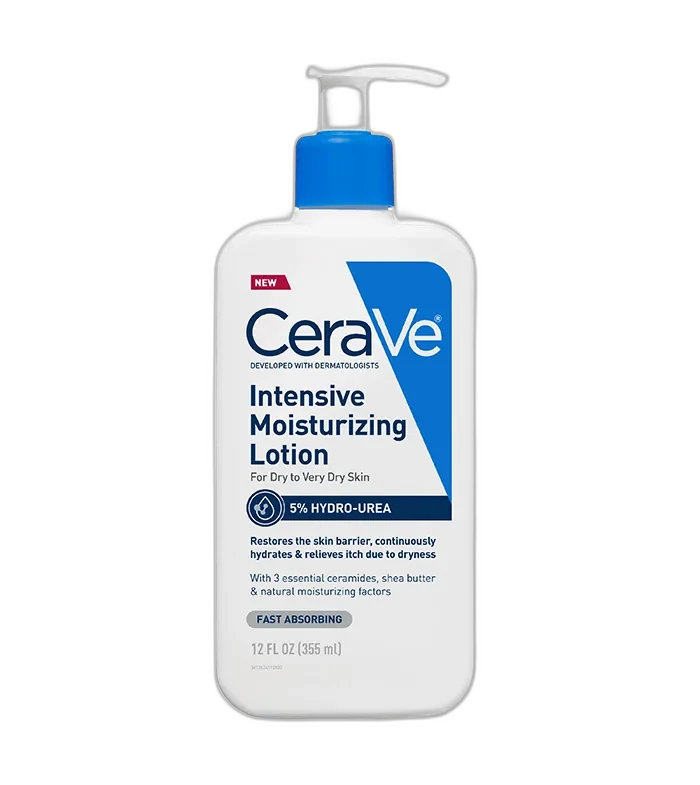
Intensive Moisturizing Lotion
Dry Skin Upgrade Pick
 Verified reviewer
Pros & cons.
- +5% Hydro-Urea complex replenishes Natural Moisturizing Factors at their source — not just surface hydration
- +MVE-delivered ceramides provide sustained 72-hour barrier support between applications
- +Rich shea butter base absorbs quickly without greasy residue or clothing transfer
- +Triple-humectant system (glycerin, HA, hydroxyethyl urea) provides overlapping hydration mechanisms
- +Fragrance-free and non-comedogenic for sensitive and eczema-prone skin
- +Addresses all five clinical signs of dry skin: itch, tightness, roughness, scaling, and redness
- +Petrolatum-free alternative to CeraVe Moisturizing Cream for those who find heavy occlusives uncomfortable
- −Higher price per ounce than CeraVe's Daily Moisturizing Lotion — buy the larger size for value
- −8 oz size depletes quickly when used as a full-body moisturizer twice daily
- −Hydroxyethyl urea may cause temporary stinging on actively broken or cracked skin
- −Thicker than expected for a lotion — may feel heavy for oily skin or warm climates
- −Too new to have long-term efficacy data or broad independent validation
The full review.
European pharmacists have used urea-based moisturizers for dry skin longer than most American skincare brands have existed. Urea is a top dermatological humectant. It is a natural part of the skin’s moisture-retention system. When urea is depleted, skin becomes dry, rough, and itchy at a level surface-level moisturizers cannot fix.
CeraVe launched the Intensive Moisturizing Lotion in August 2024 to add this approach to their lineup, marking a step forward for their body care. The star ingredient is 5% Hydro-Urea — CeraVe’s proprietary hydroxyethyl urea complex — with the brand’s signature three-ceramide MVE delivery system. This is the first CeraVe body lotion that replenishes Natural Moisturizing Factors at their source instead of just layering hydration on top of depleted skin.
The distinction matters. Most body lotions — including CeraVe’s own Daily Moisturizing Lotion — use humectants (glycerin, hyaluronic acid) and occlusives to attract and trap water on the skin’s surface. This works for maintenance-level dryness. However, for chronically dry skin where the stratum corneum has lost its ability to hold water, you must replenish the NMF components. Hydroxyethyl urea does this, targeting five signs of dry skin: itch, tightness, roughness, scaling, and redness.
The texture differs from the Daily Moisturizing Lotion. It is thicker — between a lotion and a cream — with a body suggesting shea butter (listed third in the formula, confirming a meaningful concentration). It spreads easily, absorbs within one to two minutes, and does not leave a greasy film that prevents dressing. The dimethicone creates a breathable protective layer that stays on the skin rather than transferring to clothes and bedsheets.
A triple-humectant system provides sustained hydration. Glycerin (listed second) provides immediate, broad-spectrum moisture attraction. Sodium hyaluronate binds water in the skin’s upper layers. Hydroxyethyl urea replenishes the NMF compounds that lock that water in place. Each humectant uses a different mechanism, creating more overlapping hydration coverage than a single humectant.
CeraVe’s MVE technology delivers the ceramides (NP, AP, EOP) gradually. This supports the 72-hour hydration claim, meaning skin stays hydrated between applications rather than following the boom-and-bust cycle of products that dump everything at once and leave skin dry by mid-afternoon. Cholesterol and phytosphingosine complete the lipid barrier support so the ceramides integrate into the skin’s barrier structure.
Results are measurable for dry-to-very-dry skin. Itching and flaking decrease within the first three to five days of twice-daily use. Roughness — especially on shins, elbows, and forearms — smooths over one to two weeks. Long-term use strengthens the barrier, creating a cycle where skin retains more of its own moisture and needs less topical supplementation.
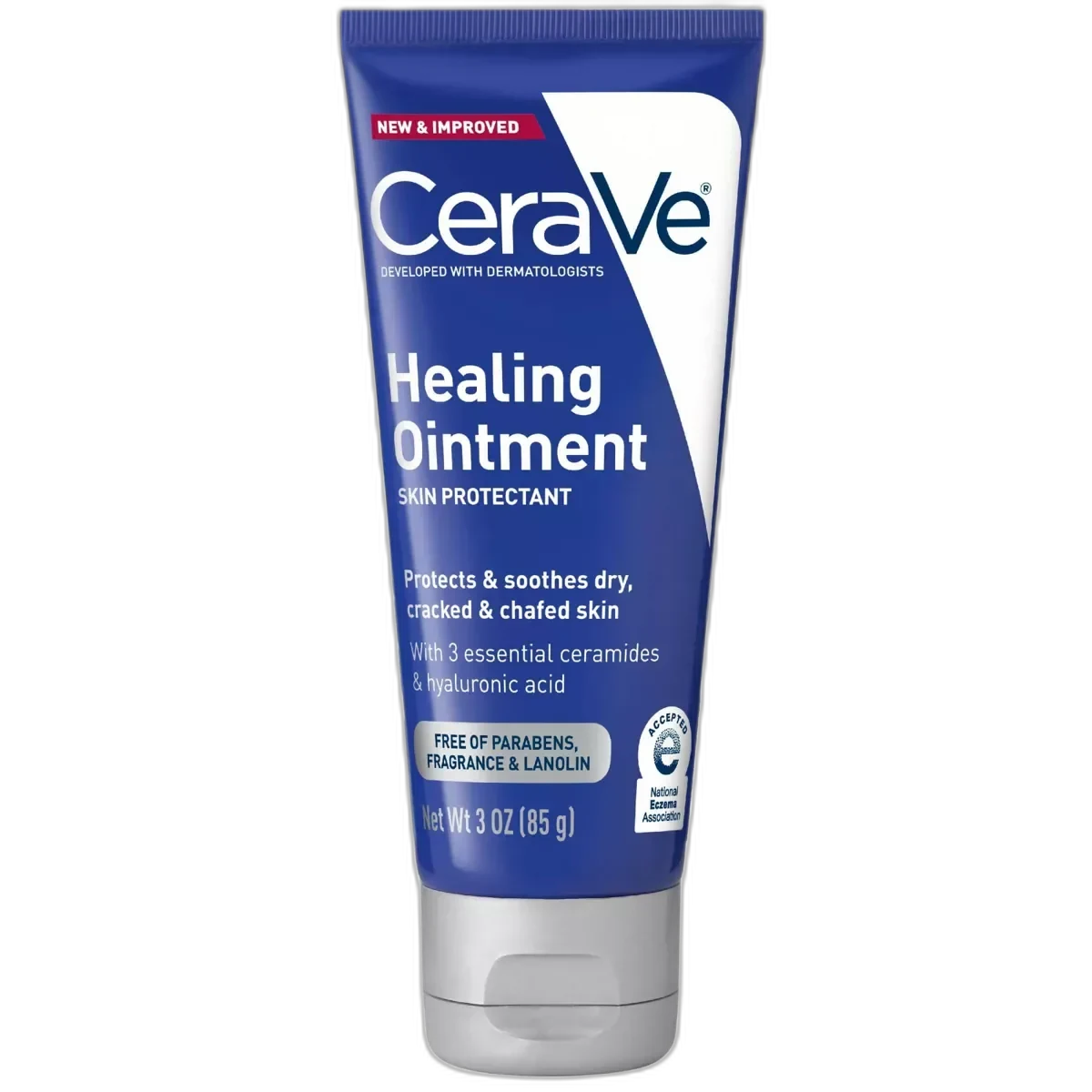
The fragrance-free formula and non-comedogenic designation suit sensitive skin and eczema-prone areas during non-flare periods. One caveat: hydroxyethyl urea, while gentler than standard urea, can cause temporary stinging on actively broken or cracked skin. This is the nature of urea derivatives on compromised skin. If you have an eczema flare with open fissures, use CeraVe’s Healing Ointment on those areas and introduce this lotion as the skin heals.
The upgrade from the Daily Moisturizing Lotion is tangible. The Daily version is a fine maintenance moisturizer for normal-to-dry skin, but it lacks the Hydro-Urea complex, the shea butter concentration, and the therapeutic targeting of NMF depletion. Use the Daily version for mild, seasonal dryness. If skin is persistently dry, flaky, or itchy despite regular moisturizing, the Intensive version addresses the underlying problem the Daily version only manages.
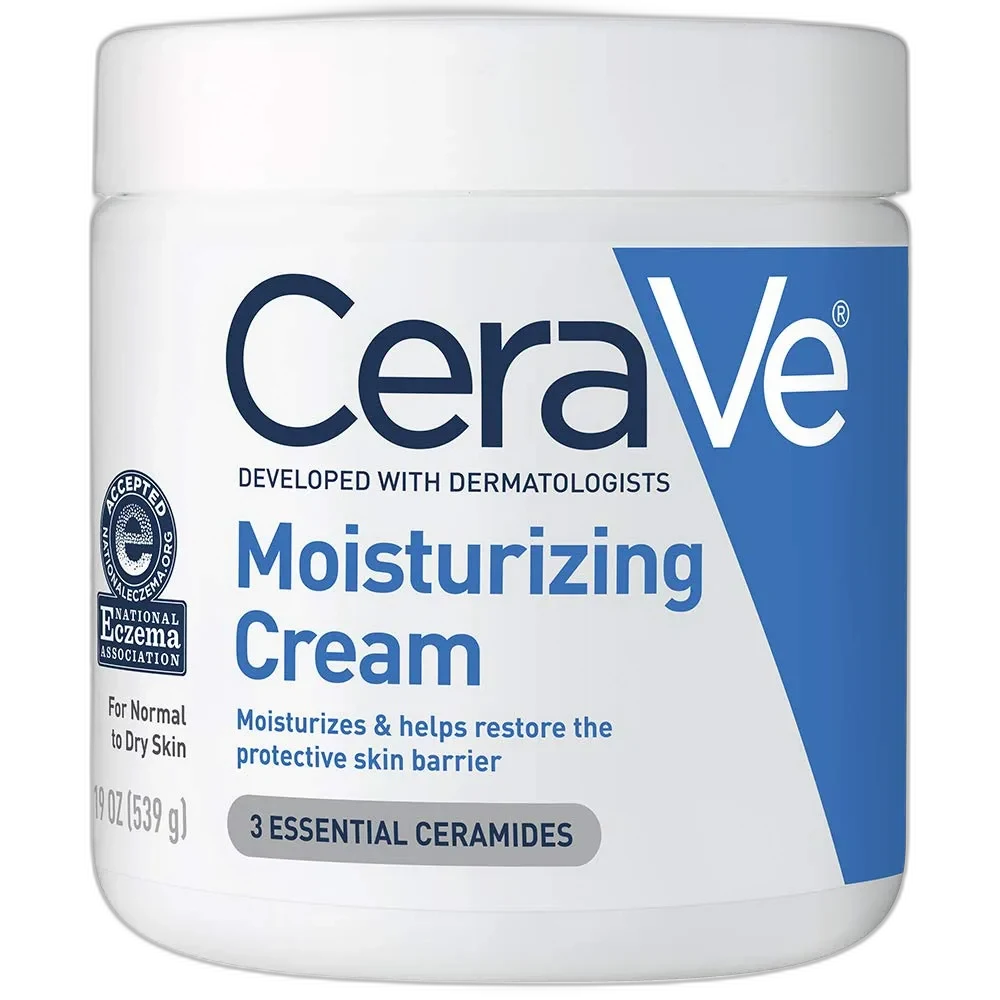
The Intensive Lotion takes a different approach than the Moisturizing Cream — CeraVe’s heaviest option. The Cream uses petrolatum as a heavy occlusive to trap moisture; the Intensive Lotion skips petrolatum for the Hydro-Urea NMF approach. For people who find petrolatum too heavy, the Intensive Lotion offers comparable hydration through a different mechanism.
The pricing requires assessment. At $17.99 for 8 ounces, this costs more per ounce than the Daily Moisturizing Lotion (which often runs under $12 for 12 ounces). The 16 oz size offers better value at approximately $21; for a full-body product, the larger size is the smarter buy. The Hydro-Urea technology and shea butter justify the premium, but budget-conscious shoppers should buy the larger size for better per-ounce economics.
As a 2024 launch, the Intensive Moisturizing Lotion is still establishing its track record. Early reviews are positive — 4.6 stars across major retailers with approximately 2,500 reviews — and the ingredient profile is sound. The question is whether the premium over CeraVe’s existing body lotions is justified for your dryness level. For chronic dry skin that has not responded to standard moisturizers, the answer is almost certainly yes.
Formula
Ingredient analysis.
Full INCI list
Aqua/Water/Eau, Glycerin, Butyrospermum Parkii Butter (Shea Butter), Hydroxyethyl Urea, Isopropyl Palmitate, Propanediol, Cetearyl Alcohol, Octyldodecanol, C15-19 Alkane, Glycine, Stearic Acid, Ceramide NP, Ceramide AP, Ceramide EOP, Sorbitan Tristearate, Sorbitan Oleate, Carbomer, Glyceryl Stearate, Dimethicone, Behentrimonium Methosulfate, Triethyl Citrate, Isohexadecane, Sodium PCA, Serine, Sodium Lauroyl Lactylate, Sodium Hydroxide, Myristic Acid, Sodium Hyaluronate, Cholesterol, Palmitic Acid, Alanine, Tocopherol, Hydroxyacetophenone, Caprylyl Glycol, Hydroxyethylpiperazine Ethane Sulfonic Acid, Trisodium Ethylenediamine Disuccinate, Xanthan Gum, Pentaerythrityl Tetra-Di-T-Butyl Hydroxyhydrocinnamate, Phytosphingosine, Acrylamide/Sodium Acryloyldimethyltaurate Copolymer, Acrylates/C10-30 Alkyl Acrylate Crosspolymer, Polysorbate 80, Benzoic Acid, PEG-100 Stearate, PEG-20 Methyl Glucose Sesquistearate
Skin match.
The science.
The Science
The Intensive Moisturizing Lotion uses established science to replenish Natural Moisturizing Factor and repair the ceramide barrier.
5% hydroxyethyl urea acts as a humectant that mimics the skin's endogenous NMF components. The skin's NMF — a mixture of amino acids, urea, lactate, PCA, and other hygroscopic molecules — binds water to maintain hydration in the stratum corneum. Research shows NMF levels drop significantly in chronically dry and eczema-prone skin (Rawlings and Harding, Dermatologic Therapy, 2004). While urea above 10% acts as a keratolytic exfoliant, hydroxyethyl urea provides humectant benefits without disrupting the stratum corneum, making it suitable for sensitive and compromised skin.
The ceramide delivery system uses Man et al.'s landmark finding (Journal of Investigative Dermatology, 1996) that equimolar mixtures of ceramides, cholesterol, and free fatty acids accelerate barrier repair. CeraVe's MVE technology encapsulates these lipids in layered vesicles for gradual release, extending hydration longer than conventional emulsion delivery. Zettersten et al. (Journal of the American Academy of Dermatology, 1997) showed that optimal lipid ratios improve barrier recovery in chronologically aged skin — a factor for older demographics with chronic body dryness.
Shea butter (Butyrospermum Parkii) provides fatty acids — including oleic, stearic, linoleic, and palmitic acids — and triterpene alcohols with documented anti-inflammatory properties. A study in the Journal of Clinical and Aesthetic Dermatology (2018) showed that shea butter-containing moisturizers improve clinical signs of dry skin and reduce transepidermal water loss.
The amino acid inclusion (glycine, serine, alanine) supplements the NMF alongside the hydroxyethyl urea. These complementary hygroscopic molecules support water retention in the stratum corneum through different binding mechanisms.
References
- Optimization of physiological lipid mixtures for barrier repair — Journal of Investigative Dermatology (1996)
- Optimal ratios of topical stratum corneum lipids improve barrier recovery in chronologically aged skin — Journal of the American Academy of Dermatology (1997)
Dermatologist Perspective
Dermatologists know chronic dry skin needs more than surface hydration; it needs to replenish the stratum corneum's intrinsic moisture-retention system. The Intensive Moisturizing Lotion combines hydroxyethyl urea with ceramide barrier repair to manage xerosis (dry skin) using evidence-based methods. Board-certified dermatologists note that 5-10% urea derivatives are among the most effective humectants. Including them in a ceramide-based formula addresses both the water-holding and lipid-barrier components of dry skin at once. Doctors often recommend this dual-mechanism approach for patients with persistent dryness, especially during winter or in low-humidity environments.
Where it fits in your routine.
Apply a generous amount to damp skin right after showering or bathing. This timing helps humectant ingredients work best. Massage with gentle, sweeping motions into dry areas: shins, elbows, forearms, hands, and rough patches. Use twice daily (morning and evening). For dry areas, layer CeraVe Healing Ointment on top as an occlusive seal. Do not apply to broken or bleeding skin until it heals.
At $17.99 for 8 ounces, the Intensive Moisturizing Lotion costs about 50% more per ounce than the Daily Moisturizing Lotion. This price adds 5% Hydro-Urea, high shea butter concentration, amino acids, and a therapeutically targeted formula — a real upgrade, not just repackaging. The 16 oz size at approximately $21 offers better value and is the recommended purchase for head-to-toe use. One application of a luxury body cream costs as much as weeks of this proven ceramide-urea therapy. CeraVe's dermatologist-developed pedigree means the price reflects formulation investment, not brand positioning.
Use this if regular body lotions fail your dry skin—especially if you have persistent itching, flaking, roughness, or winter-related dryness. It works for eczema-prone skin (during non-flare periods), keratosis pilaris, or mature skin that lacks moisture retention.
Oily or acne-prone body skin does not need this level of intervention; the Daily Moisturizing Lotion is a better match. People with active eczema flares and broken skin should use a gentler occlusive first, then introduce this lotion once the skin heals. For mild, seasonal dryness, the standard Daily Moisturizing Lotion works well at a lower price point.
Product details.
Richer and thicker than the Daily Moisturizing Lotion — closer to a cream consistency despite the lotion designation. Absorbs relatively quickly considering its richness, leaving skin feeling soft and coated without overt greasiness.
Fragrance-free with no discernible scent.
Standard CeraVe pump bottle in white with dark blue accents. Sizes include 3 oz, 8 oz, 12 oz, and 16 oz. The pump format allows one-handed dispensing and controls portion size.
The first application shows a lotion thicker than CeraVe's Daily Moisturizing Lotion — it has substance but isn't heavy. Skin feels coated in a protective, hydrating layer that absorbs within one or two minutes. Dry, itchy patches calm almost immediately. Most users feel no stinging, though hydroxyethyl urea causes a mild, temporary tingle on broken or cracked skin.
4-6 weeks with twice-daily full-body use (8 oz); 2-3 months (16 oz)
12 months
fall winter
The backstory.
CeraVe launched the Intensive Moisturizing Lotion in August 2024 as part of a therapeutic skincare expansion. It was designed for the substantial population of people whose dry skin isn't adequately managed by standard body lotions — including CeraVe's own Daily Moisturizing Lotion. The addition of 5% Hydro-Urea represents CeraVe's move toward more active body care, borrowing from the European pharmacy tradition where urea-based moisturizers have been a cornerstone of dry skin management for decades.
About CeraVe
Established Brand (5–20 years)Dermatologists helped develop CeraVe in 2005. It is the #1 dermatologist-recommended skincare brand in the U.S. Peer-reviewed research backs its formulations, and multiple products carry the National Eczema Association Seal of Acceptance.
Common myths.
Urea in moisturizers causes stinging and exfoliation, making it unsuitable for sensitive skin.
Hydroxyethyl urea is a urea derivative designed for gentleness. It provides humectant hydration without the keratolytic (exfoliating) effects of standard urea at concentrations above 10%. At 5%, this formula hydrates instead of exfoliates, though broken skin may feel mild temporary tingling.
Thick lotions feel greasy and transfer onto clothes and bedsheets.
This formula is thicker than typical lotions, but it absorbs within one to two minutes and does not transfer. Fast-absorbing emollients and dimethicone create a protective layer that stays on skin instead of migrating to fabrics.
FAQ.
What's the difference between CeraVe Intensive Moisturizing Lotion and Daily Moisturizing Lotion?
The Intensive version contains 5% Hydro-Urea—a urea derivative that replenishes Natural Moisturizing Factors—and high amounts of shea butter. The Daily version lacks both. The Intensive targets dry-to-very-dry skin with 72-hour hydration claims, whereas the Daily is a lighter formula for normal-to-dry skin. The Intensive is thicker, more therapeutic, and addresses the five signs of dry skin (itch, tightness, roughness, scaling, redness).
Can I use CeraVe Intensive Moisturizing Lotion on my face?
The formula is non-comedogenic, fragrance-free, and allergy-tested, making it safe for the face. But the thick texture and body-focused formulation may weigh down oily or acne-prone facial skin. CeraVe's dedicated facial moisturizers (PM Lotion, Moisturizing Cream) optimize for the thinner, more reactive skin on the face.
Is this lotion good for eczema?
The fragrance-free formula uses ceramides and NMF-replenishing Hydro-Urea, making it good for eczema-prone skin between flares. These barrier-strengthening ingredients fix the lipid deficiency common in eczema. But hydroxyethyl urea may sting temporarily on broken skin during active flares. In those cases, CeraVe's Itch Relief Moisturizing Cream or Healing Ointment works better.
How is hydroxyethyl urea different from regular urea?
Hydroxyethyl urea is a modified urea derivative. It provides humectant hydration without the keratolytic (exfoliating) effects of standard urea at higher concentrations. At 5% in this formula, it attracts and retains moisture and replenishes the skin's Natural Moisturizing Factors. It avoids the stinging, peeling, or pH challenges of traditional urea-based products.
Does this lotion really provide 72-hour hydration?
CeraVe uses MVE (MultiVesicular Emulsion) technology to back its 72-hour claim. This technology releases ceramides and moisturizing ingredients gradually instead of all at once. You get sustained hydration between uses, but most users still need twice-daily application—especially in dry climates or during winter. The 72-hour claim means the formula works long after application, not that you only apply it every three days.
Will this lotion help with keratosis pilaris (KP)?
The 5% hydroxyethyl urea acts as a gentle humectant to soften the rough, bumpy texture of KP. This is not a dedicated KP treatment, as those usually use higher-concentration urea or lactic acid. However, the combination of NMF replenishment and ceramide barrier support improves the appearance and texture of KP-affected skin after several weeks of consistent use.
What the community says.
"Deeply moisturizing without leaving a greasy or sticky finish"
"Fast-absorbing formula that doesn't transfer onto clothing"
"Eliminates ashiness and keeps skin hydrated throughout the entire day"
"Effective relief for dry, itchy, flaky skin within days of use"
"Fragrance-free and gentle enough for sensitive skin"
"Noticeably more effective than CeraVe's standard body lotions for severe dryness"
"8 oz size depletes quickly when used as a full-body lotion"
"Thicker than expected for a product labeled as a lotion"
"Occasional stinging on very compromised or broken skin from the urea component"
"Higher price per ounce compared to the classic Daily Moisturizing Lotion"