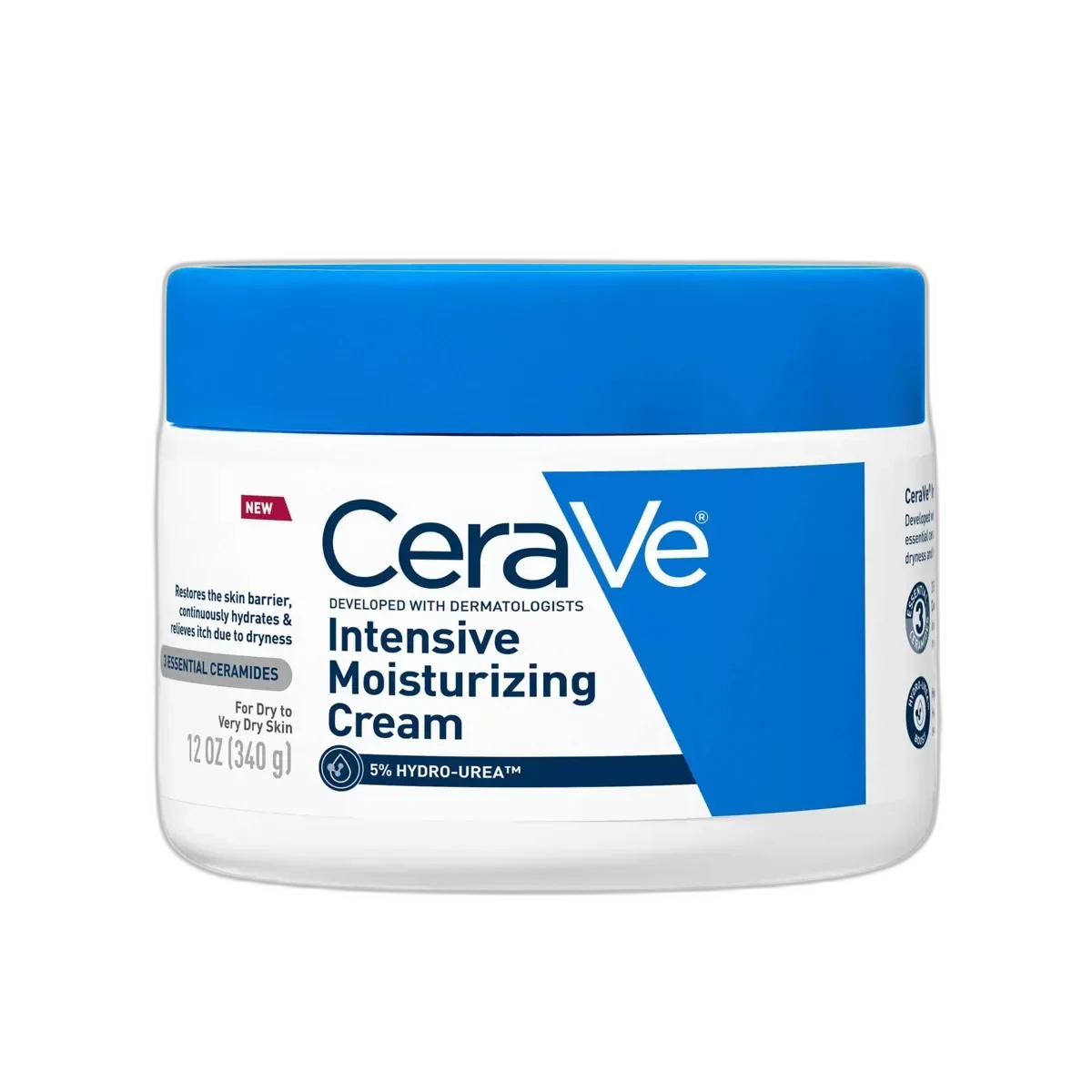
Intensive Moisturizing Cream
Extreme Dryness Rescue
 Verified reviewer
Pros & cons.
- +5% hydroxyethyl urea provides pharmaceutical-grade humectancy without irritation or odor
- +Amino acid NMF complex restores the skin's intrinsic moisture-holding capacity
- +Shea butter delivers rich emollience with anti-inflammatory triterpenes
- +Clinical study shows 98% elimination of flaking and 59% barrier strengthening in one week
- +Multi-depth hydration system targets surface, mid-layer, and deep stratum corneum moisture
- +Paraben-free modern preservation system
- +Excellent value at under eighteen dollars for twelve ounces
- +Three ceramides with cholesterol seal moisture pulled in by the humectant complex
- −Too heavy for oily or acne-prone skin types
- −Contains isopropyl palmitate and myristyl myristate with moderate comedogenic potential
- −Rich texture can sit heavily under sunscreen in warm, humid conditions
- −Clinical studies are manufacturer-sponsored with limited independent validation
- −May feel unnecessary for moderately dry skin already served by the standard cream
The full review.
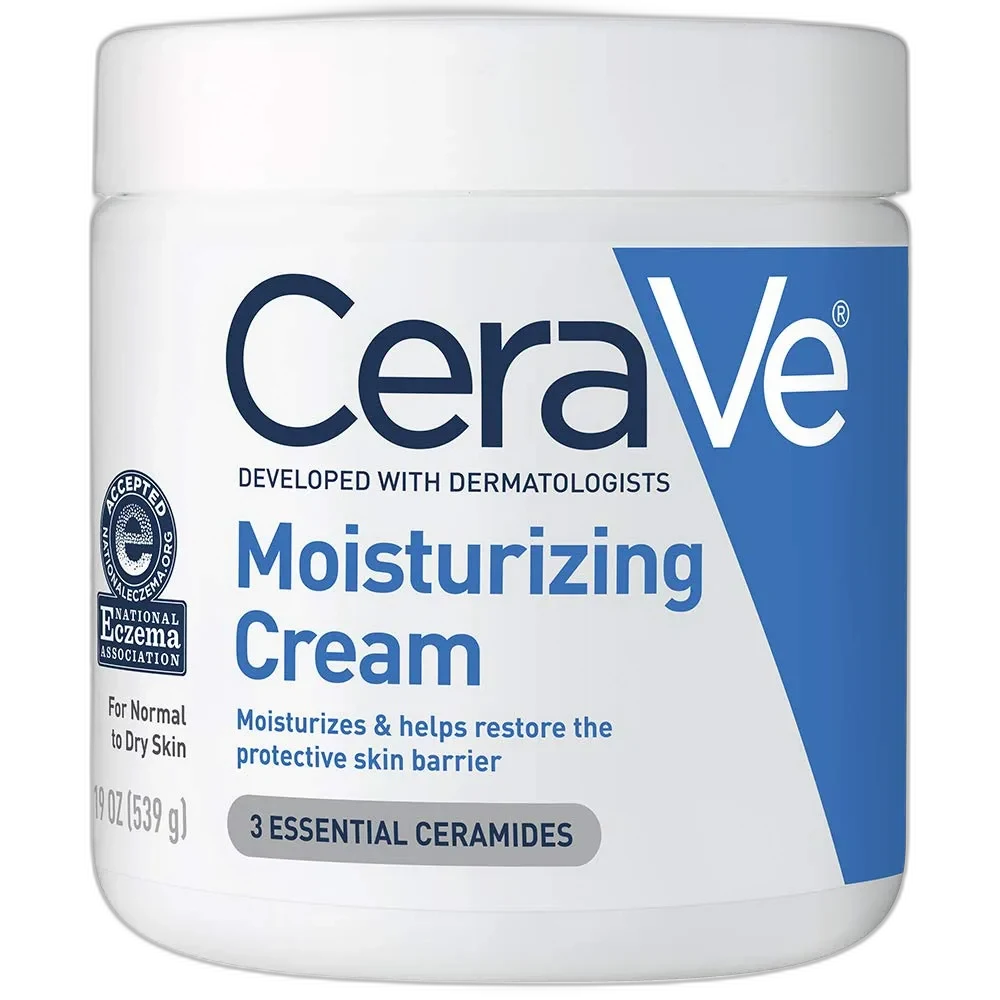
Most skincare brands have a flagship moisturizer and a heavier version for users the flagship fails to help. CeraVe’s original Moisturizing Cream is likely the most successful drugstore moisturizer of the twenty-first century—a ceramide-rich, barrier-repairing cream that efficiently handles most dry skin concerns. The Intensive Moisturizing Cream exists because many people used that cream and still woke up with tight, flaking skin.
The key difference is 5% hydroxyethyl urea, marketed as CeraVe’s proprietary Hydro-Urea. Urea has a long history in dermatology; doctors have used it in prescription formulations for decades to treat xerosis, keratosis pilaris, and psoriatic scaling. But traditional urea has drawbacks: it can sting, it smells, and at high concentrations, it acts as a keratolytic to exfoliate the skin. Hydroxyethyl urea is a gentler derivative. It keeps urea’s humectant properties—the ability to draw water into the stratum corneum—without the exfoliation, sting, or smell. At 5%, it improves hydration while remaining comfortable for facial use on sensitive skin.
This formula uses multi-depth hydration. Glycerin works at the surface to draw water into the upper stratum corneum. Sodium hyaluronate holds moisture in the mid-layers. Hydroxyethyl urea reaches deeper to pull water into the corneocytes. Finally, the amino acid complex—glycine, serine, alanine, and sodium PCA—mimics the skin’s natural moisturizing factor to restore depleted hygroscopic compounds. This four-tiered approach operates at different depths, resulting in the 72-hour hydration claim CeraVe backs with clinical study data.
Shea butter is third in the INCI list and present in significant concentration. It provides an emollient layer of fatty acids, vitamins A and E, and anti-inflammatory triterpenes to smooth rough, flaking skin. Unlike the petrolatum used in the standard CeraVe Moisturizing Cream for occlusion, shea butter has biological activity; it is an active contributor to skin conditioning, not just a barrier. Practically, this cream feels buttery without the petroleum-jelly heaviness some users dislike.
The ceramide complex—NP, AP, and EOP—works with cholesterol and phytosphingosine to repair the barrier, but here they sit downstream of the intensive humectant system. The logic is simple: pulling moisture into the skin is useless if the barrier cannot keep it there. Hydroxyethyl urea and amino acids pull moisture in, while ceramides seal the exits.
Clinical testing on 89 subjects over one week showed: 96% improvement in skin radiance, 96% reduction in roughness, 98% elimination of flaking, 99% relief from dryness-related itchiness, and a 59% increase in barrier strength. These manufacturer-sponsored results require standard caveats regarding study design and measurement, but the consistency of the numbers—nearly all above 95%—suggests the formula delivers rapid relief for severely dry skin.
In daily use, the cream applies thicker than the standard CeraVe Moisturizing Cream. The shea butter creates a dense, balm-like feel that transitions to a smooth, absorbed finish within two to three minutes. For daytime facial use, use a thin layer so it does not sit heavily under sunscreen. For nighttime, a generous application can replace both a moisturizer and a sleeping mask to provide intensive overnight repair.
The formula is paraben-free, fragrance-free, and uses hydroxyacetophenone, caprylyl glycol, and benzoic acid for preservation. This modern system avoids the parabens found in some older CeraVe formulations. This evolution may attract paraben-averse consumers.
The cream’s richness is a limitation. Oily and acne-prone skin types will find this formula too heavy. The presence of isopropyl palmitate and myristyl myristate—both moderate on the comedogenicity scale—adds a breakout risk for sensitive, clog-prone skin. This is not an every-skin-type product. It is a specialist tool for severe, persistent dryness that resists conventional moisturizers.
At $17.99 for twelve ounces, the value is excellent for a moisturizer containing hydroxyethyl urea, shea butter, ceramides, amino acids, and hyaluronic acid. Comparable dermatological brands often cost three to five times more for less than half the volume. For those who have exhausted basic moisturizers and need clinical-grade hydration technology, this cream provides that capability at a practical price.
The CeraVe Intensive Moisturizing Cream does not replace the original Moisturizing Cream; it serves those the original could not fully help. If your skin is moderately dry and well-maintained, the classic version is the smarter daily choice. But if your skin flakes, tightens, itches, and resists every cream, this formula was built for that problem.
Formula
Ingredient analysis.
Full INCI list
Aqua/Water/Eau, Glycerin, Butyrospermum Parkii Butter (Shea Butter), Hydroxyethyl Urea, Propanediol, Isopropyl Palmitate, Caprylic/Capric Triglyceride, Cetyl Alcohol, Myristyl Myristate, Glyceryl Stearate, Glycine, PEG-100 Stearate, Steareth-20, Ceramide NP, Ceramide AP, Ceramide EOP, Carbomer, Cetearyl Alcohol, Dimethicone, Behentrimonium Methosulfate, Triethyl Citrate, Sodium Polyacrylate, Sodium PCA, Serine, Sodium Lauroyl Lactylate, Sodium Hyaluronate, Cholesterol, Alanine, Hydroxyacetophenone, Caprylyl Glycol, Hydroxyethylpiperazine Ethane Sulfonic Acid, Citric Acid, Xanthan Gum, Pentaerythrityl Tetra-Di-T-Butyl Hydroxyhydrocinnamate, Phytosphingosine, Benzoic Acid
Skin match.
The science.
The Science
The CeraVe Intensive Moisturizing Cream uses 5% hydroxyethyl urea (marketed as Hydro-Urea). This urea derivative provides humectant activity without the keratolytic effects of traditional urea. Research in the International Journal of Cosmetic Science shows hydroxyethyl urea increases stratum corneum hydration differently than glycerin. It penetrates the corneocyte interior to draw water into the cell, while glycerin works primarily in the intercellular space. This dual action enables the formula's multi-depth hydration.
The amino acid complex — glycine, serine, alanine, and sodium PCA — replaces natural moisturizing factor (NMF). NMF is the hygroscopic matrix within corneocytes made of amino acids, PCA, lactate, and urea derivatives. Rawlings and Harding's research in Dermatologic Therapy shows NMF depletion characterizes severely dry skin and atopic dermatitis, and that topical NMF replacement improves hydration and barrier function. Combining NMF amino acids with hydroxyethyl urea restores the corneocyte's water-holding machinery.
The ceramide complex (NP, AP, EOP) with cholesterol and phytosphingosine repairs the intercellular lipid matrix to prevent transepidermal water loss. Severely dry skin lacks both intracellular NMF and the intercellular lipid barrier. This formula fixes both deficits at once — NMF replacement via amino acids and hydroxyethyl urea, and barrier repair via ceramides — providing a more complete approach than products targeting only one part of the dryness cascade.
Shea butter provides oleic acid, stearic acid, and linoleic acid plus anti-inflammatory triterpenes (lupeol, alpha-amyrin). Research in the Journal of Oleo Science shows shea butter has anti-inflammatory and anti-edema properties, adding skin-soothing activity to the barrier-repair and hydration functions.
References
- The Importance of a Healthy Skin Barrier From the Cradle to the Grave Using Ceramide-Containing Cleansers and Moisturizers: A Review and Consensus — Journal of Drugs in Dermatology (2023)
Dermatologist Perspective
Dermatologists recommend the CeraVe Intensive Moisturizing Cream as a step-up for patients who have plateaued on standard moisturizers. Board-certified dermatologists note that the hydroxyethyl urea and amino acid NMF complex targets the two main deficits in severely dry skin — depleted intracellular moisture reserves and compromised intercellular lipid barriers — making it a comprehensive treatment, not just a simple moisturizer. Doctors often recommend the formula for chronic xerosis, cold-weather skin damage, and eczema management protocols requiring aggressive hydration alongside prescription anti-inflammatory treatments.
Guidance
Where it fits in your routine.
Apply a thick layer to dry face and body areas after cleansing. For facial use, spread a thin, even layer and wait two to three minutes to absorb before applying sunscreen in the morning. For nighttime use, apply a thick layer as your final routine step. For body use, apply to damp skin after showering to lock in moisture. Focus on dry spots like elbows, knees, shins, and hands. Reapply to exposed areas as needed during extreme dryness episodes.
At $17.99 for twelve ounces, this cream offers high value for an intensive-level moisturizer. Similar formulations with urea derivatives, ceramides, amino acids, and shea butter from dermatological brands usually cost $35-65 for six to eight ounces. The twelve-ounce size lasts three to four months if used on the face twice daily, or four to six weeks for full-body application. This price removes economic barriers to treating severe dryness consistently with pharmaceutical-grade hydration technology from the number-one dermatologist-recommended brand.
Use this if your skin stays dry, flaky, or tight despite standard moisturizers. It works for chronic xerosis, winter skin rescue, eczema maintenance, and post-procedure barrier recovery. It also suits anyone who finds the regular CeraVe Moisturizing Cream insufficient for their dryness.
Oily or acne-prone skin types may breakout because the thick formula contains isopropyl palmitate. People with normal or mildly dry skin do not need this; lighter moisturizers work fine. This is a specialist product for specialist-level dryness.
Product details.
Thick, dense cream with a buttery feel from the shea butter. It is thicker than the standard CeraVe Moisturizing Cream but absorbs faster than its weight suggests. It leaves skin soft and moisturized without a heavy, greasy layer.
Fragrance-free with a faint, neutral cream base scent. The formula has no discernible shea butter odor.
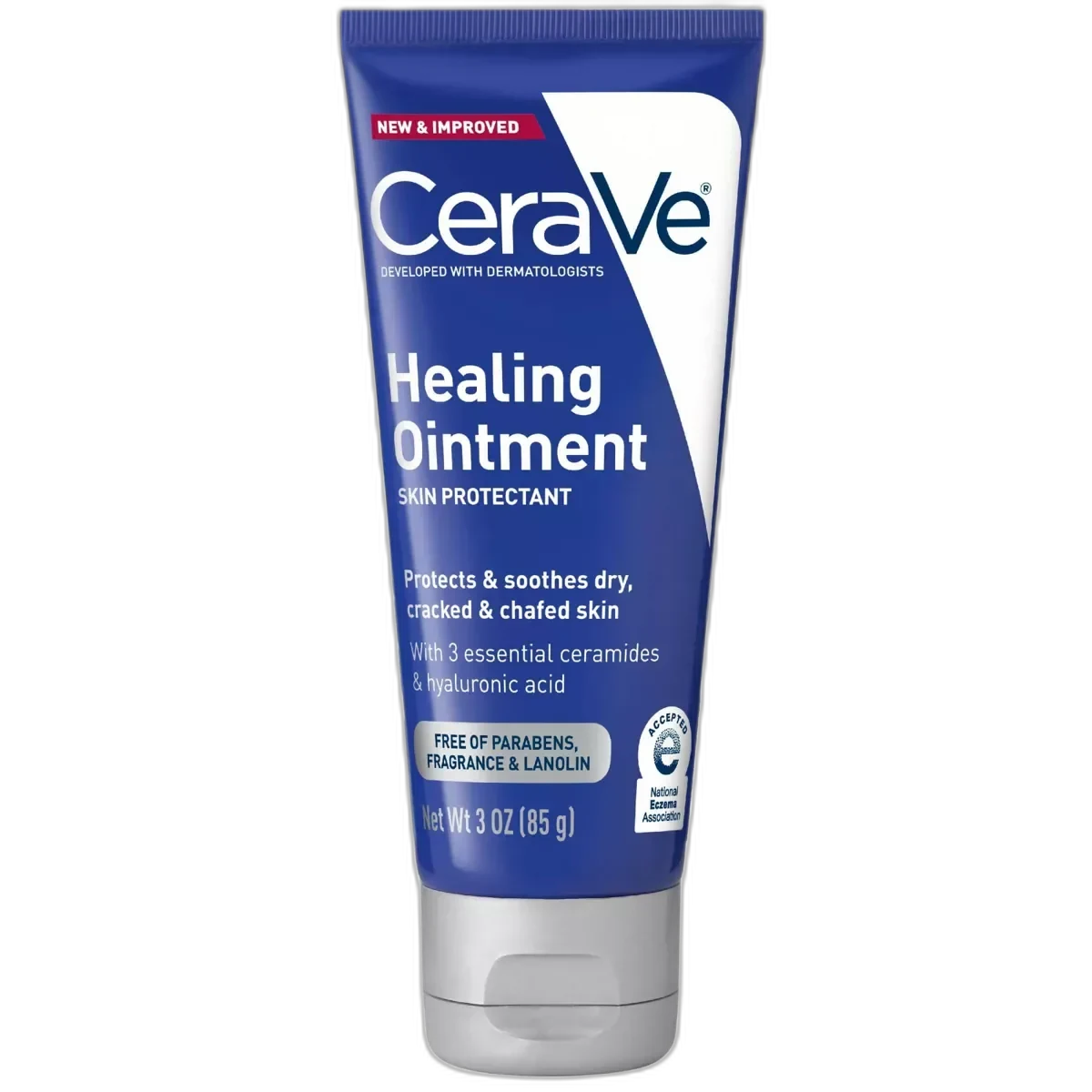
Large white jar or tube with CeraVe's signature blue and green labeling. The 12 oz size costs less for full-body use.
The first application feels thicker than the standard CeraVe Moisturizing Cream. The shea butter gives it a balm-like feel that turns into a smooth, absorbed finish within two to three minutes. Dry, flaking skin shows visible improvement within the first day — rough patches smooth out and the tight, uncomfortable feeling goes away.
3-4 months with twice-daily facial use; 4-6 weeks with full-body use
12 months
fall winter
The backstory.
CeraVe developed the Intensive Moisturizing Cream to serve patients whose dryness exceeded what the original Moisturizing Cream could address — chronic dry skin, seasonal extremes, and barrier conditions like eczema that deplete not just surface moisture but the skin's own natural moisturizing factors. The addition of hydroxyethyl urea and amino acids represents CeraVe's pharmaceutical heritage applied to over-the-counter moisturization.
About CeraVe
Legacy Brand (20+ years)Dermatologists helped develop CeraVe in 2005. It is the number-one dermatologist-recommended skincare brand in the U.S. Peer-reviewed clinical research supports its ceramide-based formulations, and the brand has multiple National Eczema Association seals of acceptance.
Common myths.
Urea in skincare always stings and only works for feet.
Hydroxyethyl urea differs from the traditional urea used in foot creams. It acts as a humectant without the keratolytic (exfoliating) action of regular urea. It does not sting or tingle like higher-concentration urea products. At 5%, it is gentle enough for facial use on sensitive skin.
Heavy creams always clog pores.
This formula is tested and labeled non-comedogenic. It contains ingredients with moderate comedogenic potential (isopropyl palmitate), but the formulation avoids pore congestion. Acne-prone individuals should patch-test because skin responses vary.
FAQ.
What is the difference between CeraVe Intensive Moisturizing Cream and regular Moisturizing Cream?
The Intensive version adds 5% hydroxyethyl urea (Hydro-Urea), shea butter, and amino acid NMF components (glycine, serine, alanine, sodium PCA) not found in the regular version. These ingredients provide deeper, longer-lasting hydration and NMF restoration for skin that the standard cream cannot fully satisfy. The Intensive version is thick for very dry skin, while the regular Moisturizing Cream is a lighter, more versatile daily moisturizer.
Is CeraVe Intensive Moisturizing Cream good for eczema?
Yes — ceramide barrier repair, hydroxyethyl urea for deep hydration, and amino acid NMF restoration make this cream ideal for eczema-prone skin. The fragrance-free, paraben-free formula avoids common eczema triggers. Clinical studies show it eliminates 98% of flaking within one week.
Can I use CeraVe Intensive Moisturizing Cream on my face?
Yes — the formula is non-comedogenic and works for both face and body. For facial use, apply a thin layer so it does not feel heavy under sunscreen. If you have oily or acne-prone skin, use this cream only at night or on dry areas, as the thick formula feels heavy on oily skin.
What is Hydro-Urea in CeraVe Intensive Moisturizing Cream?
Hydro-Urea is CeraVe's name for 5% hydroxyethyl urea. Traditional urea has keratolytic (exfoliating) properties, but hydroxyethyl urea is a humectant. It draws water into the stratum corneum without the stinging or exfoliating effects of regular urea. It is gentle enough for sensitive skin on the face.
Does CeraVe Intensive Moisturizing Cream really provide 72-hour hydration?
CeraVe's clinical study data supports the 72-hour hydration claim. A multi-humectant system (hydroxyethyl urea, glycerin, hyaluronic acid, amino acids) and ceramide barrier repair prevent moisture escape. Real-world results vary by skin condition, climate, and other routine products, but the sustained hydration is a real formulation achievement.
What the community says.
"Dramatically reduces dryness and flaking within days"
"Rich texture that absorbs better than expected"
"Noticeable improvement in skin radiance and smoothness"
"Fragrance-free and gentle for sensitive skin"
"Excellent for winter skin rescue"
"Too heavy for oily or acne-prone skin"
"Contains isopropyl palmitate which may cause breakouts for some"
"Rich texture can feel heavy under sunscreen in humid weather"
"Some users prefer the classic Moisturizing Cream for everyday use"