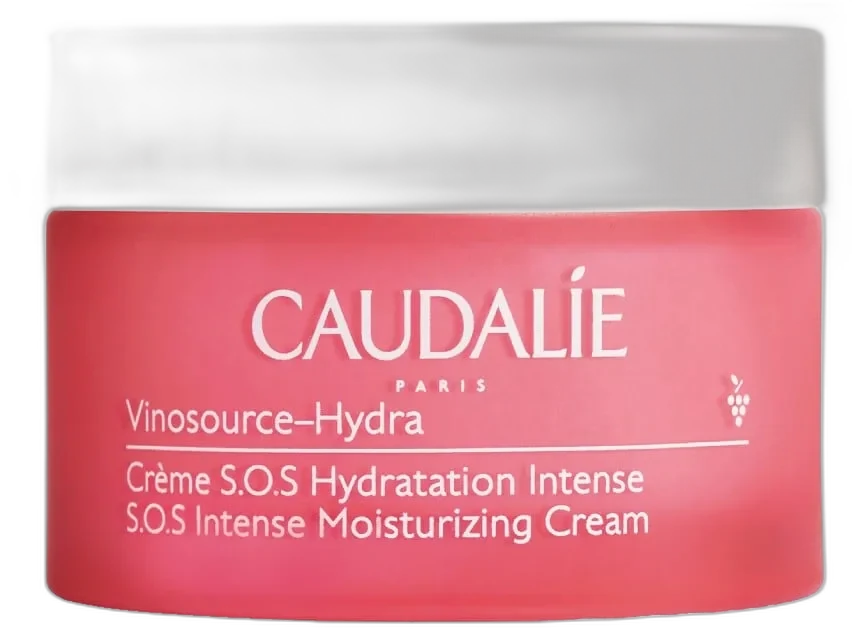
Vinosource-Hydra S.O.S Intense Moisturizing Cream
Sensitive Skin Barrier Rescue
 Verified reviewer
Pros & cons.
- +Fragrance-free formulation is safe for sensitive and reactive skin
- +Borage oil addresses barrier repair from a different angle than typical ceramide creams
- +Rich but non-greasy texture layers cleanly under SPF and makeup
- +Immediate relief from tightness and reactive irritation
- +Pregnancy-safe with no retinoids or pregnancy-flagged actives
- +One of the more reasonably priced options in the Caudalie catalog
- −Not rich enough on its own for very dry skin in harsh winter climates
- −40ml jar runs out relatively quickly with twice-daily use
- −Jar packaging exposes the cream to air with each use
- −Richness level too high for oily or acne-prone skin
The full review.
Caudalie products usually have a scent. Grapefruit, rosemary, rose, and fig make every Caudalie counter smell like a Provencal cottage. This is part of the brand’s charm and part of the problem for some skin types. The Vinosource-Hydra SOS cream is an interesting exception. This is the fragrance-free Caudalie. It has no essential oils, no citrus top notes, and no botanical complex. It is a quiet, clean cream for skin that cannot handle the brand’s usual flourishes. It feels like a different company made it, which makes sense because the target users differ from the typical Caudalie customer. The formula centers on borage oil. Borage is one of the richest natural sources of gamma-linolenic acid, an omega-6 fatty acid. Skin uses this to rebuild its lipid barrier after cold weather, over-exfoliation, retinoid irritation, or post-procedure stress. Most barrier creams use ceramides, petrolatum, or heavy shea butter. These work, but they address the problem differently. Borage oil works on the metabolic side: it gives the skin a building block it needs to repair itself rather than just providing a physical seal to stop water loss. Caudalie pairs borage oil with olive-derived squalane, a light shea extract instead of full shea butter, and Vinolevure — the brand’s grape ferment active marketed as a moisture reservoir reinforcer. This combination gives the cream its character: it is thick enough to feel substantial, but lacks the waxy heaviness that makes traditional repair creams difficult to wear under makeup or during the day. It leaves a velvety satin finish instead of a greasy gloss and absorbs within a minute. The effect on compromised skin proves the product’s value. Apply it to a face that is tight, flaking, and stinging from winter or over-actives, and the tightness disappears in seconds. After a few days of twice-daily use, visible barrier damage recedes — redness calms, flaking lifts, and the skin stops feeling like it will crack. This responsiveness justifies the SOS name and explains why it appears in routines for users who have damaged their barriers with retinoids or acids. The cream is less perfect regarding richness. Despite the SOS name, some users in very dry climates or northern mid-winter find it is not heavy enough alone. In those cases, the cream layers well under a facial oil or over a hyaluronic acid serum; Caudalie designed it to pair with the Vinosource Overnight Recovery Oil. The 40ml jar is small for this category — at twice-daily use on the full face, one jar lasts about two months. This is not ungenerous, but not exceptional. The jar packaging instead of an airless pump is another minor issue; it is fine for a cream with no sensitive actives, but you should keep it out of direct sunlight. The big picture: for a brand known for its aromatic French pharmacy aesthetic, this is a disciplined product. Caudalie built this for sensitive-skin users, not as a de-scented version of the Vinoperfect range. If the Vinopure serum’s essential oil complex or the Premier Cru cream’s fragrance caused issues, this is the Caudalie you need.
Ingredient analysis.
Full INCI list · pH 5.5
Aqua/Water/Eau, Coco-Caprylate/Caprate, Glycerin, Vitis Vinifera (Grape) Fruit Water, Squalane, Hydrogenated Ethylhexyl Olivate, Cetearyl Alcohol, Polyglyceryl-6 Stearate, Borago Officinalis Seed Oil, Polyglyceryl-6 Behenate, Butyrospermum Parkii (Shea) Butter Extract, Hydrogenated Olive Oil Unsaponifiables, Pentylene Glycol, Saccharomyces/Grape Ferment Extract, Vitis Vinifera (Grape) Leaf Extract, Vitis Vinifera (Grape) Seed Extract, Glyceryl Stearate, Xanthan Gum, Tocopherol, Caprylyl Glycol, Phenoxyethanol, Citric Acid
Skin match.
The science.
The Science
The formulation uses three studied mechanisms to restore barrier-compromised skin. First is the borage oil component. Borage seed oil is a top commercial botanical source of GLA (gamma-linolenic acid). Topical GLA helps skin lipid metabolism and barrier repair, especially in atopic and eczema-prone skin. Dermatological journal research shows that oral and topical GLA use in patients with impaired barrier function improves transepidermal water loss measurements and reduces inflammation markers compared to placebo. Second, the combination of olive-derived squalane and lighter shea extract replenishes lipids without the occlusive burden of heavier plant butters or petrolatum. Squalane is a skin-compatible emollient that reduces transepidermal water loss and improves stratum corneum flexibility. This olive-derived form is bioidentical to human sebum, so it integrates without feeling heavy. Third, the grape ferment — Caudalie's proprietary Vinolevure — supports the skin's natural water reserves according to the brand's internal research. Independent validation of fermented grape extracts in cosmetics is more limited than the other actives, but early evidence suggests yeast-fermented botanicals provide beta-glucans and amino acids that support hydration retention. The fragrance-free design is the formula's most important safety feature. By omitting essential oils, limonene, linalool, and other common sensitizers, the cream avoids the primary irritation pathway found in the rest of the Caudalie catalog.
Dermatologist Perspective
Dermatologists often recommend barrier repair creams for patients with compromised skin from retinoid use, post-procedure recovery, harsh weather, or conditions like atopic dermatitis. Fragrance-free formulations are the standard for sensitive skin. Because this cream omits essential oils, it is one of the few Caudalie products board-certified dermatologists would comfortably recommend to patients with eczema-prone or reactive skin. The dermatological community views borage oil as a reasonable emollient, though dermatologists note that ceramide-focused formulations with proven ratios of ceramides, cholesterol, and fatty acids remain the gold-standard for severe barrier disruption. This product is a suitable option for patients with milder sensitivity or those seeking a clean-beauty alternative to pharmacy-brand barrier creams.
Where it fits in your routine.
Press a pea-sized amount into clean, serum-prepped skin on the face and neck morning and night until absorbed. For very dehydrated skin, apply over a damp hyaluronic acid serum to lock in water. Always follow with broad-spectrum SPF in the morning. If the cream feels too thin during harsh weather, layer one to two drops of a facial oil on top as the final step. Do not apply directly to active breakouts or fungal acne patches — the thickness can increase congestion in those areas.
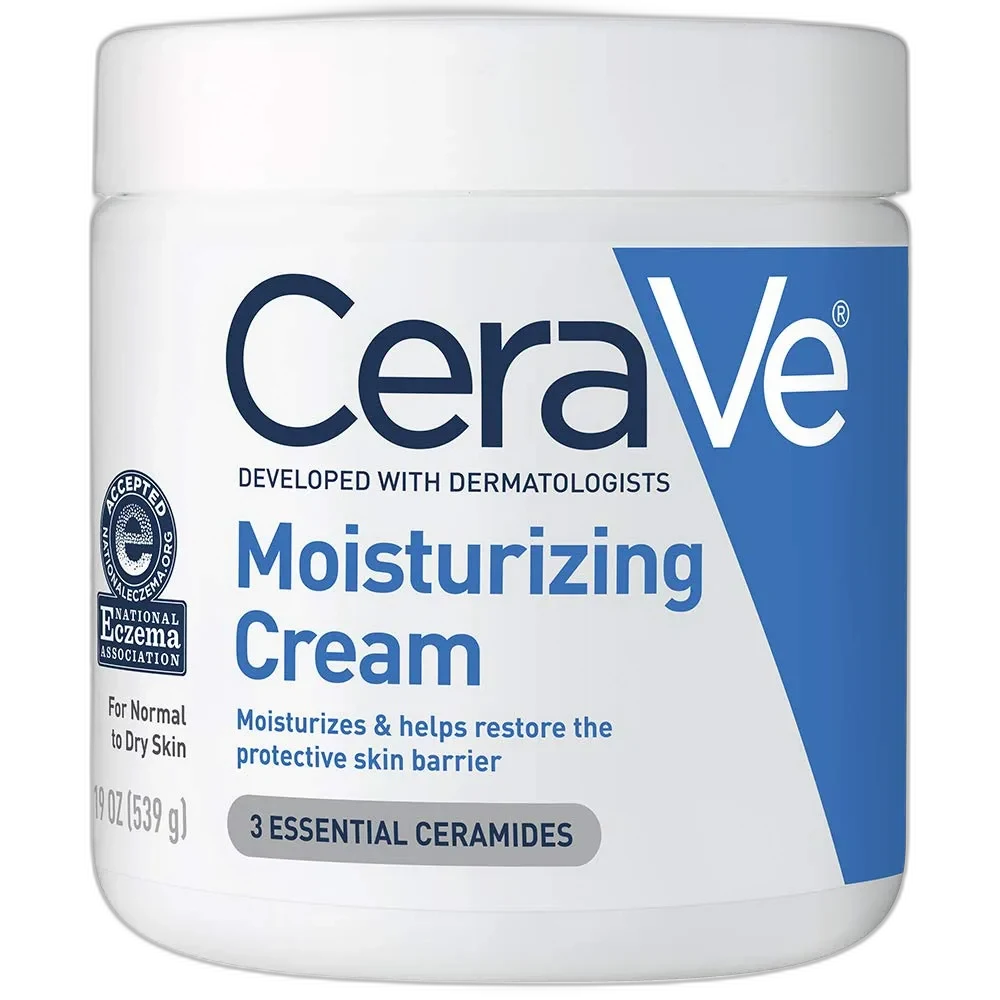
At $45 for 40ml, this cream sits in the middle of the barrier-repair moisturizer market. It is affordable compared to luxury options like La Mer or SkinCeuticals Triple Lipid Restore, but premium compared to drugstore ceramide creams from CeraVe or La Roche-Posay. The price reflects the fragrance-free formulation, clean-beauty positioning, and borage oil focus — drugstore alternatives lack this ingredient story. Caudalie doesn't offer a larger size of this product, which limits long-term value. The verdict: the price is fair, though CeraVe Moisturizing Cream delivers ninety percent of the barrier benefit for much less if you don't need the Vinolevure story.
Sensitive, dry, or dehydrated skin types with barrier compromise, tightness, flaking, or reactive episodes. It works well for users recovering from over-exfoliation, retinoid irritation, or post-procedure sensitivity. Pregnant users find it a good fit for a thick, safe, fragrance-free cream from a clean-beauty brand.
Oily, combination, or acne-prone skin types need a lighter Vinosource option or a different product; the thickness causes congestion. Skip this if you live in a very dry climate and need stronger occlusive creams, unless you layer an oil on top. Skip this if you want fragranced products and the Caudalie aromatic signature.
Product details.
Rich cushiony cream that softens on contact and absorbs without greasiness
Fragrance-free with a faint natural oil note
Frosted glass jar with screw-top lid, standard Vinosource styling
Immediate relief — the cream melts into dehydrated skin and tightness disappears within seconds. First-time users often apply too much; a pea-sized amount covers the full face. The finish is slightly velvet, not the dewy glow of a hyaluronic-focused cream.
About 2 months with twice-daily facial application
6 months
All Year
The backstory.
The original Vinosource line was Caudalie's dedicated dry-skin range for over a decade. In 2019, the brand overhauled the line into Vinosource-Hydra, replacing older ingredients with a clean, fragrance-free formulation designed specifically for sensitive and compromised skin. This SOS cream is the richest member of the reformulated line.
About Caudalie
Established Brand (5–20 years)Caudalie launched in 1995 in Bordeaux, based on grape-derived polyphenol research with the University of Bordeaux pharmacy school. The Vinosource line focuses on barrier and hydration; the brand updated it to the Vinosource-Hydra iteration in 2019 to modernize the ingredients.
Common myths.
Dry skin and dehydrated skin are the same thing.
Dry skin lacks lipids (oil); dehydrated skin lacks water. This cream addresses both — the borage oil and shea butter extract replenish lipids, while the grape ferment and glycerin pull water into the skin. Treating the wrong deficit won't solve the problem.
Fragrance-free means it has no scent at all.
This cream has a faint natural oil scent from botanical ingredients, but contains no added synthetic or natural fragrance compounds. This distinction matters for sensitive skin — the subtle scent is not a sensitizing fragrance complex.
FAQ.
Can I use this if I'm acne-prone?
Use caution. The borage oil and shea butter make this cream thicker than acne-prone skin usually tolerates. If you have dehydrated acne-prone skin, apply it to the jaw and cheeks only, avoiding the forehead and T-zone.
How does this compare to the Vinosource Moisturizing Sorbet?
The sorbet is a light gel-cream for normal to combination skin. This SOS cream is the thickest option in the line for very dry or compromised skin. Use them based on skin type; they are not interchangeable.
Is this safe for pregnancy?
Yes — the formulation lacks retinoids, high-dose salicylic acid, and known pregnancy flags. It is a top choice for pregnancy-related skin sensitivity.
Can I use this around my eyes?
Yes, gently. The fragrance-free formulation and gentle ingredient list make it safe for the orbital bone area. Do not apply it directly to the eyelid or tear trough — use a dedicated eye cream for those areas if you have concerns.
Will this cream clog my pores?
The formulation avoids known comedogenic ingredients for most skin types. However, the texture is thicker than what oily or congestion-prone skin typically tolerates, so use it cautiously if you are in that group.
What the community says.
"Immediate relief from tightness"
"Comfortable on reactive skin"
"No fragrance or irritation"
"Rich but not greasy texture"
"Works as rescue cream during harsh weather"
"Small 40ml size"
"Not hydrating enough for very dry skin in winter"
"Jar packaging not airless"
"Doesn't absorb as quickly as lighter creams"