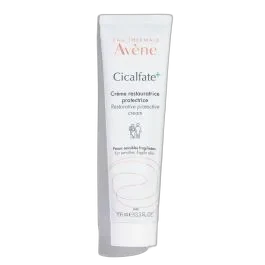
Cicalfate+ Restorative Protective Cream
Post-Procedure Powerhouse
 Verified reviewer
Pros & cons.
- +Patented C+-Restore postbiotic actively accelerates skin healing beyond passive occlusion
- +Sterile preservative-free D.E.F.I. packaging eliminates irritation risk on compromised skin
- +National Eczema Association Seal of Acceptance and Oncology Safe — genuine clinical certifications
- +Validated across 45 clinical indications from post-laser recovery to infant eczema
- +Copper-zinc mineral complex provides antimicrobial protection without traditional preservatives
- +Available in three sizes including a 100 mL value option for frequent users
- +Safe for infants, pregnant women, and oncology patients — truly universal barrier repair
- −Thick paste-like texture is not cosmetically elegant and requires effort to blend
- −Can leave a noticeable white cast from zinc oxide, especially on deeper skin tones
- −Too heavy and occlusive for oily skin types — may contribute to congestion
- −Product separation issue reported by multiple users — liquid dispensing before cream
- −Six-month post-opening shelf life is shorter than most skincare products
The full review.
French pharmacies have a product category Americans are just discovering: the everything cream. It is not a moisturizer or a medication, but a middle ground—a cream for when skin is damaged and needs rapid repair. Avène Cicalfate+ leads this category, and its reputation comes from results, not Instagram aesthetics.
The product began with a thermal spring in southern France that has treated skin since the 18th century. Pierre Fabre bought the spring in 1975 and launched the Avène skincare line in 1990. The original Cicalfate launched around 2001 and became a French pharmacy staple—the cream mothers kept for everything from scraped knees to eczema flares. The 2019 reformulation as Cicalfate+ added an innovation that moved it beyond a standard barrier cream.
That innovation is C+-Restore, a patented postbiotic from Aquaphilus dolomiae—a bacterium found only in the Avène thermal spring. This is not marketing. Scientists identified and cultured the organism, finding its ferment filtrate stimulates keratinocyte migration and fibroblast proliferation—the two most critical processes for skin healing. While most barrier repair creams work by sealing damaged skin with an occlusive layer, Cicalfate+ actively accelerates the body’s repair process from the outside.
A 2024 real-world study in Dermatology and Therapy followed 1,317 subjects across seven countries using the cream. Dermatologists rated its effectiveness at 93.8% and rated tolerability as very good or good in 98.5% of cases. Objective clinical signs improved by 79% after an average of 17 days. These numbers are unusually strong for a cosmetic product, matching data from pharmaceutical trials rather than creams sold near lipstick.
The copper sulfate and zinc sulfate complex is the formula’s second pillar. This is traditional wound care chemistry—copper drives collagen synthesis and healing, while zinc provides anti-inflammatory protection and supports cell proliferation. Together, they create an environment on compromised skin that resists bacteria and favors repair. Zinc oxide adds a physical protective barrier, while mineral oil and beeswax provide the occlusion that keeps the formula sealed and working.
The packaging is an underappreciated feature. Cicalfate+ uses Avène’s D.E.F.I. sterile packaging system—a sealed airless tube that dispenses product without letting air back in. This allows the formula to contain zero preservatives. None. For post-procedure skin from lasers, peels, or microneedling, the lack of preservatives matters. It is the difference between a cream that helps healing and one that stings on contact.
Texture
The texture is immediate. This is a thick, opaque, paste-like cream that requires warming between your fingers to spread. It is not elegant. You do not apply it before a date for its slip. You apply it at ten o’clock at night when eczema flares and you need improvement by morning. It usually works.
Common Complaints
That thickness is both a strength and the most common complaint. The white cast from zinc oxide takes a minute to absorb. The formula feels heavy on oily skin and may cause congestion for acne-prone users—the mineral oil is thoroughly non-comedogenic in clinical testing, but heavy occlusives can still bother those with oily pores. Frequent reports of product separation, where liquid dispenses before cream, suggest a packaging quality control issue rather than isolated incidents.
Works for
The cream is highly versatile. Dermatologists prescribe it for post-laser recovery, post-surgical healing, radiation dermatitis, eczema, and contact dermatitis. Parents use it for diaper rash, cradle cap, and playground scrapes. Adults use it for sunburns, tattoos, and aggressive retinol use. It holds the National Eczema Association Seal of Acceptance and an Oncology Safe designation—certifications requiring clinical evidence, not just a clean ingredient list.
Price
At twenty-six dollars for the standard 40 mL tube, it is a reasonable middle ground—not drugstore cheap, but not luxury. The 100 mL tube at forty dollars offers better value for frequent users. The six-month shelf life after opening (due to the preservative-free formula) means you should use it consistently rather than saving it for emergencies.
Cicalfate+ is not a daily moisturizer. It is not cosmetically beautiful. It does not use frosted glass jars or ocean plastic droppers. It heals damaged skin with the efficiency of a product designed in a dermatological research center, not a branding studio. For skin compromised by a procedure, a condition, or a harsh winter, this cream does what it promises, backed by evidence most skincare brands cannot claim.
Ingredient analysis.
Full INCI list
Avene Thermal Spring Water (Avene Aqua), Caprylic/Capric Triglyceride, Mineral Oil (Paraffinum Liquidum), Glycerin, Hydrogenated Vegetable Oil, Zinc Oxide, Propylene Glycol, Polyglyceryl-2 Sesquiisostearate, PEG-22/Dodecyl Glycol Copolymer, Aluminum Stearate, Aquaphilus Dolomiae Ferment Filtrate, Arginine, Beeswax (Cera Alba), Copper Sulfate, Magnesium Stearate, Magnesium Sulfate, Microcrystalline Wax (Cera Microcristallina), Tromethamine, Zinc Sulfate
Skin match.
The science.
The Science
The scientific case for Cicalfate+ rests on three evidence pillars. The first and most novel is the C+-Restore postbiotic — Aquaphilus Dolomiae Ferment Filtrate — derived from a bacterium endemic to the Avène thermal spring. A 2016 study published in PMC demonstrated that this extract exhibits anti-inflammatory properties and reduces itching in in vitro models. More compellingly, a 2024 real-world study in Dermatology and Therapy by Shi, Lain, and colleagues followed 1,317 subjects across seven countries using the cream. Dermatologists rated effectiveness at 93.8%, with objective clinical signs improving by 79% after approximately 17 days. Tolerability was rated very good or good in 98.5% of cases — an unusually high real-world performance metric.
The copper-zinc sulfate complex draws on decades of wound care research. A 2010 review in Recent Patents on Inflammation & Allergy Drug Discovery examined sucralfate (the predecessor ingredient in the original Cicalfate) and documented its wound healing mechanisms: hemostasis, anti-inflammatory action, cell proliferation stimulation, and tissue remodeling. While the Cicalfate+ reformulation replaced sucralfate with the C+-Restore postbiotic, the copper-zinc mineral complex retained in the formula provides complementary antimicrobial and healing-promoting effects. A 2018 study on ResearchGate specifically validated the combination of thermal spring water, sucralfate, copper sulfate, and zinc sulfate for managing hand eczema.
The Avène Thermal Spring Water base is supported by over 150 published studies. A 2011 study in JEADV confirmed anti-inflammatory, anti-radical, and immunomodulatory properties, while a 2020 study documented protective effects on skin biomechanical and ultrastructural parameters. The sterile D.E.F.I. packaging ensures this clinically active base reaches compromised skin without preservative interference — a meaningful consideration given that compromised skin barriers are more susceptible to preservative-induced irritation.
References
- The Real-World Effectiveness and Tolerability of a Soothing Cream Containing the Postbiotic Aquaphilus dolomiae Extract-G2 for Skin Healing — Dermatology and Therapy (2024)
- Topical use of sucralfate in epithelial wound healing: clinical evidences and molecular mechanisms of action — Recent Patents on Inflammation & Allergy Drug Discovery (2010)
- Anti-inflammatory and immunomodulatory effects of Aquaphilus dolomiae extract on in vitro models — PMC (2016)
- Avene Thermal Spring Water: an active component with specific properties — Journal of the European Academy of Dermatology and Venereology (2011)
Dermatologist Perspective
Board-certified dermatologists consistently rank Cicalfate+ among their top recommendations for post-procedure recovery and compromised skin management. Dermatologists note that the sterile, preservative-free formulation is particularly valuable for freshly treated skin after laser resurfacing, chemical peels, and microneedling — procedures where the stratum corneum has been deliberately disrupted and preservative exposure should be minimized. The postbiotic C+-Restore ingredient is recognized by dermatologists as a meaningful innovation over purely occlusive barrier creams, as it provides active wound healing support rather than passive protection. The copper-zinc mineral complex is a familiar tool in dermatological wound care, and its presence in an OTC formulation gives clinicians confidence in recommending it for home use between office visits.
Where it fits in your routine.
Apply to clean skin as your final routine step. For post-procedure recovery, apply a thin, even layer to the treated area without serums or toners underneath. For eczema flares or irritated patches, apply a thick layer to the affected area as needed. Warm a small amount between fingertips to spread it easily. Use two to three times daily during acute skin compromise. For general barrier maintenance, use once or twice daily. A few drops of liquid may exit on first opening; this is normal for the sterile packaging.
At $26 for the standard 40 mL tube, Cicalfate+ is an accessible medical-grade skincare option. The $40 100 mL tube has better per-ounce value and suits regular users of the product for eczema or ongoing skin sensitivity. Avène's price reflects research investment, not brand premium, backed by 45 validated indications, a 2024 real-world study with over 1,300 subjects, and multiple dermatologist endorsements. The sterile preservative-free packaging increases manufacturing costs compared to cheaper barrier creams. For targeted, as-needed use, the standard tube lasts two to three months, making the per-application cost well under a dollar.
This works for compromised, damaged, or post-procedure skin needing active barrier repair, not just occlusion. It is ideal for eczema sufferers, people recovering from laser treatments or chemical peels, parents needing one reliable cream for family skin emergencies, and anyone whose sensitive skin routinely exceeds its comfort zone.
If you have oily, acne-prone skin and want a daily moisturizer, skip this cream's thick, occlusive texture. Skip Cicalfate+ if you want a cosmetically elegant product for daytime wear under makeup; Cicalfate+ prioritizes healing efficacy over aesthetic appeal. If mineral oil is a dealbreaker regardless of clinical evidence, look elsewhere.
Product details.
Thick, dense, opaque white cream with a paste-like consistency. It needs warming between fingers to spread. The formula absorbs without a greasy film, leaving a matte protective layer.
Fragrance-free. The thermal spring water and zinc oxide create a faint, clinical, slightly mineral smell that dissipates quickly.
White squeeze tube with blue and orange Avène branding comes in 15 mL, 40 mL, and 100 mL sizes. It uses Avène's D.E.F.I. (Device for Exclusive Formula Integrity) sterile packaging. This sealed airless tube system keeps the preservative-free formula sterile by preventing air from re-entering the tube.
The thick cream feels denser than most moisturizers and takes time to blend. It provides an immediate soothing, protective sensation on compromised skin. Sterile packaging means a few drops of liquid may come out on first opening. Irritated or post-procedure skin shows visible calming within 48 hours.
Use on compromised areas for 2-3 months; apply full-face twice daily for 4-6 weeks
6 months
All Year
The backstory.
The original Cicalfate launched around 2001 and quickly became a staple in French pharmacies and dermatology offices for everything from post-surgical recovery to infant eczema. The 2019 reformulation as Cicalfate+ introduced the C+-Restore postbiotic — derived from Aquaphilus dolomiae, a bacterium discovered in the Avène thermal spring — along with the sterile D.E.F.I. packaging that eliminated the need for preservatives entirely. It has since been validated across 45 clinical indications, from radiation dermatitis to diaper rash.
About Avène
Established Brand (5–20 years)Avène launched in 1990 under Laboratoires Pierre Fabre. Laboratoires Pierre Fabre acquired the Avène thermal spring in 1975, which the French National Academy of Medicine has recognized since 1874. A dedicated dermatological research center in Toulouse develops the brand's formulations. The Cicalfate line uses a thermal spring water base and has 150+ published studies validating it across 45 clinical indications.
Common myths.
Barrier repair creams are just thick moisturizers — any heavy cream works the same way.
Cicalfate+ does more than passive occlusion. Its postbiotic ingredient stimulates keratinocyte migration and fibroblast proliferation to speed re-epithelialization, while the copper-zinc sulfate complex provides antimicrobial protection. A standard thick moisturizer seals in moisture; this formula promotes tissue repair.
Products with mineral oil clog pores and are bad for skin.
Mineral oil is a highly studied occlusive in dermatology and tests as non-comedogenic. This preservative-free sterile formula uses it as a stable, non-sensitizing occlusive to protect compromised skin—the exact environment where ingredient reactivity matters most.
FAQ.
Can I use Avène Cicalfate+ after laser treatments and chemical peels?
Yes — this is one of Cicalfate+'s most validated uses. Dermatologists often recommend it for post-procedure recovery. The preservative-free sterile formula minimizes irritation risk on freshly treated skin, while the postbiotic C+-Restore and copper-zinc complex support healing. Clinical data shows visible improvement in post-laser skin within 48 hours.
Is Avène Cicalfate+ safe for babies and infants?
Yes, Cicalfate+ is safe for infants and children. Its sterile, preservative-free, fragrance-free formula works for diaper rash, cradle cap irritation, and minor skin irritations. The National Eczema Association Seal of Acceptance and clinical testing across pediatric indications show it is safe for the youngest skin.
Why does liquid come out of the tube when I first open it?
This is normal for Avène's D.E.F.I. sterile packaging system. A few liquid drops may dispense on first use; squeeze these out before your first application. The sealed airless tube design keeps air out, which maintains the preservative-free formula's sterility throughout its use life.
Can Cicalfate+ be used on open wounds or broken skin?
Cicalfate+ works on compromised and damaged skin, including minor cuts, burns, and post-surgical skin. The sterile packaging and preservative-free formula allow use near healing wounds. Seek medical attention for deep or actively bleeding wounds. Apply to clean skin once initial bleeding stops.
Is Avène Cicalfate+ safe during pregnancy?
Yes, Cicalfate+ is pregnancy-safe. The formula lacks retinoids, high-concentration salicylic acid, or other pregnancy-contraindicated ingredients. Multiple dermatologists recommend Cicalfate+ for pregnancy-safe skincare. Consult your healthcare provider if you have specific concerns during pregnancy.
How long does a tube of Cicalfate+ last?
The standard 40 mL tube lasts 2-3 months if you apply it to compromised areas. Using it on the full face twice daily lasts 4-6 weeks. The larger 100 mL tube has better per-ounce value for frequent users. Use the sterile formula within 6 months of opening.
What the community says.
"Heals dry, irritated, and eczema-prone skin rapidly — often within days"
"Excellent post-procedure recovery cream after lasers, peels, and microneedling"
"Safe for the whole family including infants — used for diaper rash and cuts"
"Holy grail status for sensitive skin — many call it irreplaceable"
"Rich and nourishing without causing breakouts despite thick texture"
"Versatile enough for cuts, burns, bug bites, chapped skin, and tattoo aftercare"
"Thick paste-like texture requires effort to blend and can leave a white cast"
"Product separation reported in some tubes — liquid comes out instead of cream"
"Too heavy and occlusive for oily skin — some report clogged pores"
"Contains mineral oil which some users prefer to avoid"
"Small 40 mL tube runs out quickly given the thick dispensing"
People also looked at.