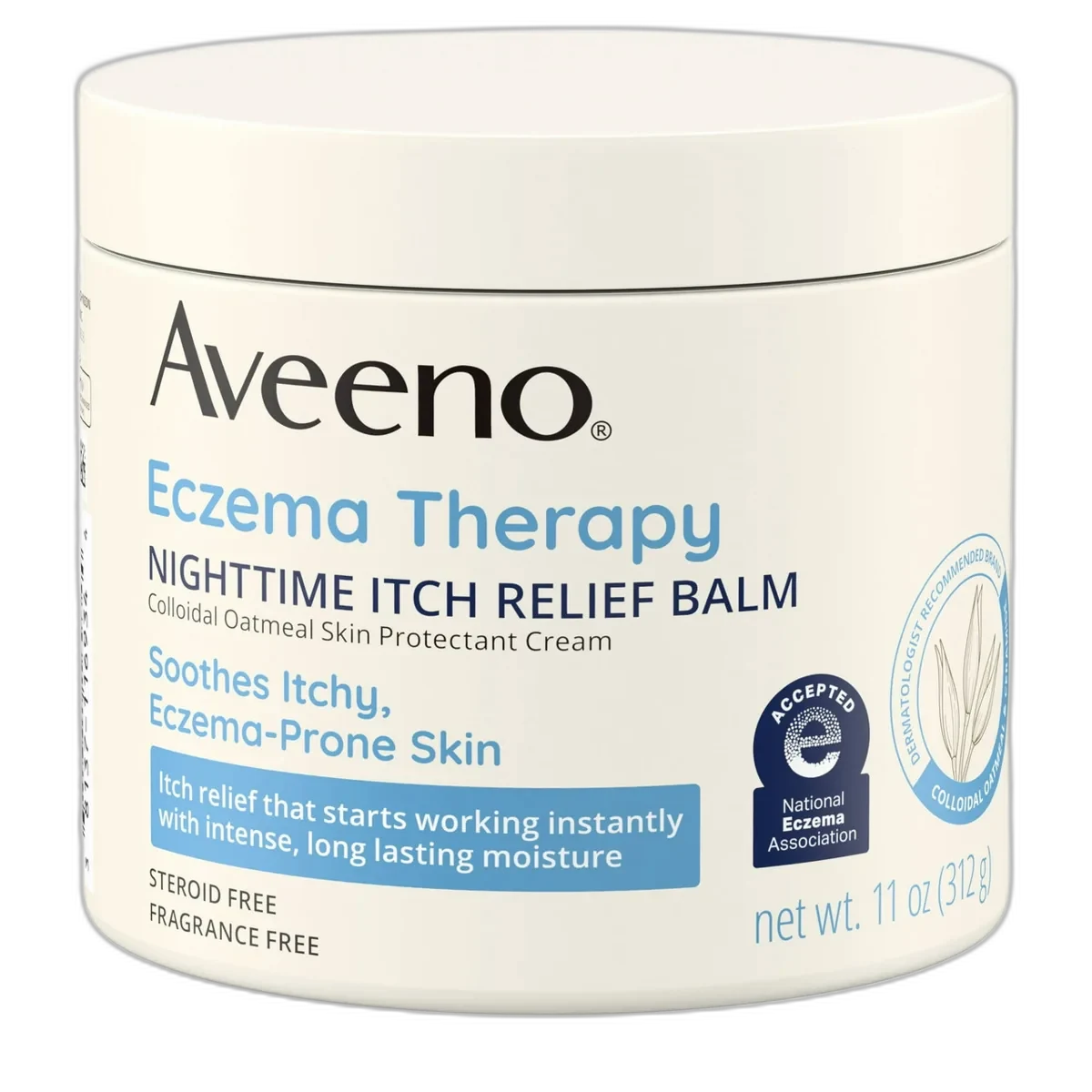
Eczema Therapy Rescue Balm
Eczema Warrior Essential
 Verified reviewer
Pros & cons.
- +FDA-registered OTC drug with 1% colloidal oatmeal active ingredient
- +Ceramide NP plus oat kernel oil provides dual-pathway barrier repair
- +National Eczema Association Seal of Acceptance earned through rigorous review
- +Immediate itch relief reported consistently across 15,000+ reviews
- +Steroid-free alternative avoids risks of long-term corticosteroid use
- +Generous 11 oz size at approximately $23 offers strong value
- +Fragrance-free, paraben-free, and gentle enough for children
- −Thick sticky texture requires adjustment and absorbs slowly
- −Jar packaging is unhygienic for eczema skin prone to bacterial colonization
- −Too occlusive and heavy for daytime use or facial application
- −Small minority experience stinging on actively broken skin
- −Cetearyl and isocetyl alcohols are not fungal acne safe
The full review.
Eczema requires a forensic relationship with moisturizers. You learn which ingredients trigger flares, which textures work, and which products are worth repurchasing. After trial and error, skepticism toward product claims is common. Thus, Aveeno’s Eczema Therapy Rescue Balm’s 4.7-star average across over fifteen thousand reviews is notable. In a community often burned by false promises, this consensus means something.
The formula’s credibility starts with its regulatory status. This is not a cosmetic moisturizer with eczema-friendly marketing—it is an FDA-registered OTC drug product. It lists one percent colloidal oatmeal as the active skin protectant ingredient. This distinction matters because FDA efficacy standards govern OTC drug products, not just cosmetic marketing regulations. When the jar claims it relieves itch associated with eczema, a regulatory body evaluated that claim, not just a marketing team.
Colloidal oatmeal earned its FDA skin protectant status in 2003, and supporting research has grown since. Clinical studies show one percent colloidal oatmeal can reduce eczema severity scores by over fifty percent within two weeks. The mechanism is multifaceted: oat avenanthramides inhibit NF-kappaB-driven inflammatory pathways, oat beta-glucans form a moisture-retaining film, and oat lipids help rebuild the compromised intercellular matrix. One ingredient performs the work of three, which is why Aveeno built a brand around it.
The formula includes more than oatmeal. Ceramide NP is included for pharmacological reasons. Eczema is a barrier disease; patients show measurable ceramide deficiency in the stratum corneum. This creates gaps in the lipid matrix that cause water loss and allergen penetration. Supplementing ceramides addresses this deficiency directly. Additionally, the oat kernel oil in the formula stimulates the skin’s own ceramide production via PPAR pathway activation. You get both direct ceramide supplementation and endogenous ceramide stimulation—a dual approach to barrier repair.
Opinions on the balm texture diverge. It is thick and occlusive. It sits on the skin persistently. For eczema sufferers who know occlusion is the goal—sealing the broken barrier while repairs happen underneath—this texture is right. For those expecting a lightweight, fast-absorbing cream, it feels excessive. The balm is designed for nighttime use, applied generously to affected areas. By morning, the skin should feel calmer and more hydrated.
Users most consistently cite immediate itch relief. Eczema itch is relentless and often worst at night. Multiple reviews say the balm provides near-instant relief upon application, which matches the rapid anti-inflammatory action of oat avenanthramides. For parents applying it to children with eczema, this immediate calming effect can help a child sleep through the night. This practical impact is significant.
The jar format deserves criticism for this audience. Eczema-affected skin often has compromised barrier function and increased bacterial colonization, especially Staphylococcus aureus. Dipping fingers into a jar introduces bacteria into the product. A tube or pump format would be more hygienic, as is standard for most pharmaceutical eczema treatments. At eleven ounces, the jar is generous and offers excellent value, but the hygiene trade-off exists.
At roughly twenty-three dollars for eleven ounces, the value is strong. Most prescription eczema treatments cost more. Over-the-counter steroid creams at similar prices carry risks from prolonged corticosteroid use, such as skin thinning, tachyphylaxis, and rebound flaring. A steroid-free alternative that works at this price point is a meaningful option for eczema management.
The National Eczema Association Seal of Acceptance is the final credibility marker. The NEA’s review process evaluates ingredients, formulation, and clinical evidence. You do not buy this certification; a product earns it. For consumers navigating many products claiming to help eczema, the NEA seal provides a reliable signal.
This product will not impress you with texture or sensory experience. It makes eczema-affected skin feel better reliably, affordably, and without the risks of chronic steroid use. In the eczema community, this combination of efficacy, safety, and accessibility has earned a reputation no marketing budget could buy—the word-of-mouth endorsement of people who found something that works.
Formula
Ingredient analysis.
Full INCI list
Active Ingredient: Colloidal Oatmeal 1% (Skin Protectant). Inactive Ingredients: Glycerin, Water, Cetearyl Alcohol, Isocetyl Alcohol, Dimethicone, Cetyl Alcohol, Benzyl Alcohol, Ethylhexylglycerin, Sodium Cetearyl Sulfate, Benzoic Acid, Stearic Acid, Dipotassium Phosphate, Potassium Phosphate, P-Anisic Acid, Caprylic/Capric Triglyceride, Sodium Hydroxide, Avena Sativa (Oat) Kernel Oil, Ceramide NP, Citric Acid, Avena Sativa (Oat) Kernel Extract
Skin match.
The science.
The Science
This balm uses one percent colloidal oatmeal, an FDA skin protectant under the 2003 Final Monograph. This monograph recognizes oatmeal's efficacy for protecting and soothing minor skin irritation and itching from eczema. A 2017 study by Lisante et al. shows that a one percent colloidal oatmeal cream reduced Eczema Area and Severity Index (EASI) scores by 51% and Atopic Dermatitis Severity Index (ADSI) scores by 54% at 14 days in patients with mild to moderate atopic dermatitis.
Capone et al. published a 2020 study in the Journal of Drugs in Dermatology on how colloidal oatmeal formulations affect the skin barrier and skin microbiome. The study found improvements in transepidermal water loss, skin hydration, and skin pH at day 14, plus beneficial shifts in the skin microbiome. This matters for eczema, where Staphylococcus aureus overgrowth drives flare severity.
A 2023 study evaluated one percent colloidal oatmeal cream in Black and African American children with mild to moderate atopic dermatitis, showing clinical efficacy in a population historically underrepresented in dermatological research.
The ceramide NP component addresses a known eczema pathology: ceramide deficiency in the stratum corneum. Eczema patients have lower levels of ceramides, specifically ceramide NP and ceramide AP, in affected skin. Topical ceramide supplementation improves barrier function and reduces transepidermal water loss. The formula's oat kernel oil adds ceramide support by activating the peroxisome proliferator-activated receptor (PPAR) pathway. This upregulates endogenous ceramide synthesis in keratinocytes—a different pharmacological mechanism than direct ceramide supplementation.
Criado et al. published a 2020 double-blind study in Clinical, Cosmetic and Investigational Dermatology evaluating one percent colloidal oatmeal as add-on therapy for chronic irritant hand eczema. It showed benefit even as a supplementary treatment alongside existing therapy.
References
- A 1% Colloidal Oatmeal Cream Alone is Effective in Reducing Symptoms of Mild to Moderate Atopic Dermatitis — Journal of Drugs in Dermatology (2017)
- Effects of Colloidal Oatmeal Topical Atopic Dermatitis Cream on Skin Microbiome and Skin Barrier Properties — Journal of Drugs in Dermatology (2020)
- The Efficacy of Colloidal Oatmeal Cream 1% as Add-on Therapy in the Management of Chronic Irritant Hand Eczema — Clinical, Cosmetic and Investigational Dermatology (2020)
- A 1% colloidal oatmeal OTC cream is clinically effective for the management of mild to moderate atopic dermatitis in Black or African American children — Journal of Drugs in Dermatology (2023)
Dermatologist Perspective
Dermatologists often recommend colloidal oatmeal-based products as first-line moisturizers for atopic dermatitis management. Board-certified dermatologists note that this balm's combination of FDA-active colloidal oatmeal and ceramide NP follows current treatment guidelines that prioritize barrier repair for eczema therapy. Dermatologists often prescribe this as a steroid-sparing maintenance product between flares to reduce dependence on topical corticosteroids. The National Eczema Association's endorsement provides additional validation that dermatologists use when recommending the product to patients. For moderate to severe eczema, dermatologists note this balm works best within a comprehensive treatment plan rather than as a standalone intervention, complementing prescription therapies when needed.
Where it fits in your routine.
Apply a generous amount to affected areas as your last evening skincare step. For best results, apply to slightly damp skin after bathing to lock in moisture. Warm a small amount between fingertips before spreading it over eczema-prone areas. During active flares, apply liberally and let the balm absorb overnight. For maintenance, apply nightly to areas prone to flares even when skin looks clear. Do not apply to actively weeping or open wounds to avoid stinging.
At approximately $23 for 11 ounces, this balm offers exceptional value in the eczema treatment category. Prescription eczema treatments like tacrolimus ointment or crisaborole can cost significantly more even with insurance, and OTC hydrocortisone creams that compete at similar prices carry the long-term risks of steroid use. The generous jar size means the product lasts six to eight weeks with regular nighttime use, bringing the cost-per-week well under five dollars. The HSA and FSA eligibility further improves value for those with qualifying accounts. Given the FDA OTC drug status, the NEA Seal of Acceptance, and the 4.7-star consumer consensus, this is one of the strongest value propositions in drugstore eczema care.
Essential for managing mild to moderate eczema with a reliable, steroid-free nighttime treatment. It works well for parents of children with eczema, adults reducing corticosteroid dependence, and anyone with eczema flares during dry winter months. The formula also helps those with severely dry, barrier-compromised skin even without an eczema diagnosis.
This formula is not for oily or acne-prone skin because the heavy occlusive texture clogs pores. Skip this if you want lightweight moisturizers or need a product for daytime use under clothing. People with confirmed oat allergies should avoid it entirely. The fatty alcohols in this formula may cause issues if you have fungal acne.
Product details.
Fragrance-free. It has a faint natural oat scent that most users call subtle and pleasant.
11 oz screw-top jar. The size is functional and generous, but the jar format raises hygiene concerns for eczema skin where bacterial colonization is a concern. A tube or pump format works better for this population.
Most users feel itch relief within minutes of the first application. The balm feels thick and occlusive, so users accustomed to lighter moisturizers may need to adjust. Some users report mild stinging on broken or weeping skin, but this usually subsides quickly. By morning, skin feels calmer and more hydrated. ***
Apply nightly to affected areas for 6-8 weeks; use longer if only during flares.
12 months ***
fall winter ***
The backstory.
Born from Aveeno's 80-year relationship with oat-based skincare and backed by the FDA's 2003 recognition of colloidal oatmeal as a skin protectant, this balm represents the brand's most targeted eczema intervention. Developed as a steroid-free nighttime treatment, it fills the gap between basic moisturizers and prescription medications — a space where millions of eczema sufferers spend years searching for something that works.
About Aveeno
Legacy Brand (20+ years)Aveeno launched in 1945 with the Mayo Clinic and has dermatologist-recommended status for over 80 years. The brand pioneered colloidal oat skincare and has the National Eczema Association Seal of Acceptance on multiple products. Aveeno's research helped the FDA grant colloidal oatmeal skin protectant status in 2003.
Common myths.
OTC eczema products lack the efficacy of prescription treatments.
Severe eczema may need prescription intervention, but clinical research shows 1% colloidal oatmeal reduces EASI scores by 51% and ADSI scores by 54% within 14 days. For mild to moderate eczema, well-formulated OTC products like this balm provide relief and reduce dependence on topical corticosteroids.
The sticky texture means the product does not absorb properly.
The balm's occlusive film is intentional. This layer prevents transepidermal water loss overnight for eczema-prone skin with compromised barrier function, allowing ceramides and oat lipids to integrate into the damaged lipid matrix. The sticky feeling shows the product works as a barrier sealant.
FAQ.
Can I use this eczema balm on my face?
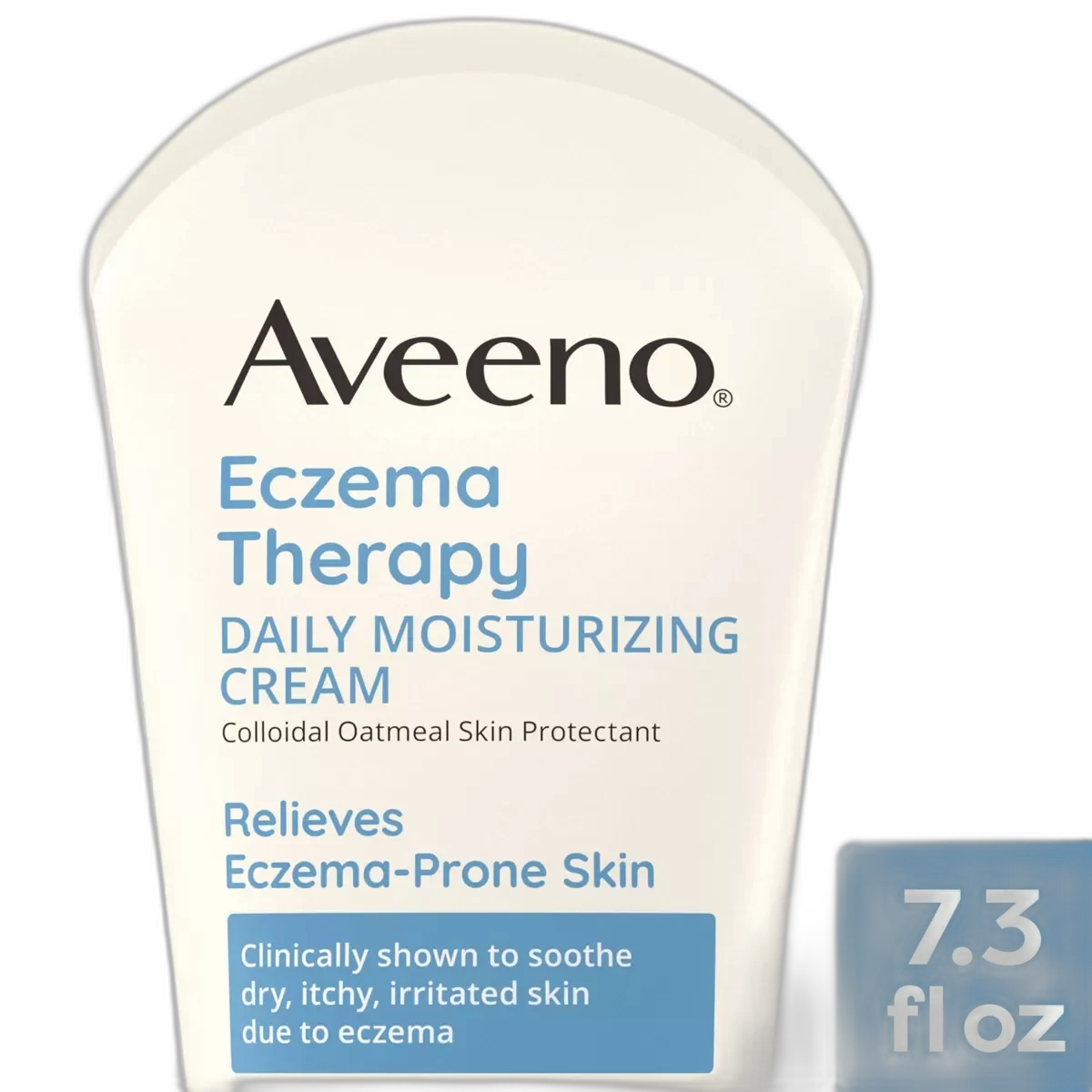
The formula is gentle enough for the face, but its thick, occlusive texture targets the body. You can apply it to specific facial eczema flare patches overnight, but using it as a full-face moisturizer feels heavy and may clog pores on non-eczema facial skin. Aveeno's Eczema Therapy Moisturizing Cream is a lighter alternative for broader facial application.
Is this balm safe for babies and children with eczema?
This balm is fragrance-free, steroid-free, and hypoallergenic, so children with eczema can use it. Clinical studies show the colloidal oatmeal active ingredient works in pediatric populations; a 2023 study shows efficacy for mild to moderate atopic dermatitis in Black and African American children. Consult your pediatrician before using any new product on infants.
How is this different from the Aveeno Eczema Therapy Moisturizing Cream?
The Rescue Balm has a thick, occlusive formula for nighttime use and active flares. It uses ceramide NP and oat kernel oil to repair the barrier, and the balm texture creates a stronger protective seal. The Moisturizing Cream is lighter, absorbs faster, and works better for daily all-over use, including under clothing during the day.
Can I use this balm instead of steroid creams for eczema?
This balm works as a steroid-free alternative for mild to moderate eczema flares. Clinical studies show 1% colloidal oatmeal reduces eczema severity scores within 14 days. Severe or persistent eczema may still require prescription treatments. This balm works well for maintenance between flares and reduces steroid use frequency. Consult your dermatologist before replacing prescription treatments.
Why does this balm sting when I apply it to my eczema?
A small percentage of users report mild stinging on application, typically on broken, cracked, or weeping skin. The benzyl alcohol preservative causes this stinging when it contacts open skin. The sensation usually subsides within a few minutes. If stinging persists or worsens, stop use and consult your dermatologist. The product is generally well-tolerated once the acute skin break heals.
Is the Aveeno Eczema Therapy Rescue Balm covered by HSA or FSA?
Yes, this product is HSA and FSA eligible. It is an FDA-registered OTC drug product that uses 1% colloidal oatmeal as its active skin protectant ingredient. You can use health savings or flexible spending account funds to buy it at participating retailers.
What the community says.
"Provides immediate and noticeable itch relief overnight"
"Heals eczema flare-ups faster than many prescription alternatives"
"Fragrance-free and gentle enough for children and babies"
"Generous 11 oz size offers excellent value for daily use"
"Non-steroidal formula avoids the risks of long-term corticosteroid use"
"Thick sticky texture feels like petroleum jelly on some skin"
"Can feel greasy and takes time to fully absorb"
"Jar packaging is less hygienic than a tube for eczema use"
"A small minority report stinging or burning on application"
"Too heavy and occlusive for facial use on non-eczema skin"
People also looked at.