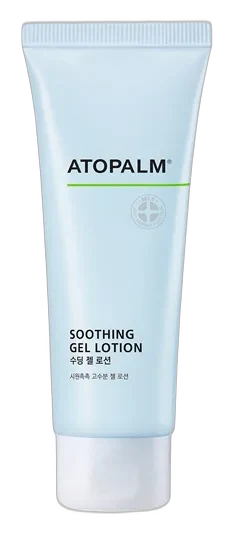
Soothing Gel Lotion
Sensitive-Skin Cooler
 Verified reviewer
Pros & cons.
- +Bamboo water as base instead of plain water
- +Layered calming package — centella, bisabolol, licorice, allantoin
- +Six-oil lipid blend delivers fatty acids without weight
- +Genuinely cooling, lightweight gel texture
- +Fragrance-free and well-tolerated on reactive skin
- +Vegan, alcohol-free and sulfate-free
- +Excellent post-sun and post-procedure recovery option
- −Not moisturizing enough alone for very dry or winter skin
- −Witch hazel water may concern witch-hazel-sensitive users
- −Plant oils make it not reliably fungal-acne safe
- −Pump bottle dispenses unevenly toward the end
- −Scent-free profile feels clinical to some users
The full review.
For most of its 22-year history, Atopalm has been associated with one specific format: rich barrier creams built around the brand’s patented multi-lamellar lipid structure, designed for the kind of dry, atopic, eczema-prone skin that needs lipids the way a desert needs rain. The Soothing Gel Lotion is the brand’s quiet acknowledgment that not all sensitive skin is dry sensitive skin. Some sensitive skin is combination or oily, runs warm, reacts to heat, flushes easily, and would rather not have a barrier cream sitting on top of it at all. This gel lotion is what happens when the same lipid scientists ask whether they can deliver the calming and barrier-supporting parts of their work in a format that absorbs in seconds and leaves no trace. The first ingredient is bamboo water, which is one of those structural choices that signals the brand thought about the formula in layers rather than just throwing actives at the wall. Bamboo water is silica-rich plant water with a faintly cooling character — it does what aloe juice does in other gentle formulas, providing humectancy and a botanical signature instead of plain distilled water as the base. The brand follows it with butylene glycol and pentylene glycol, both lightweight humectants that deepen the hydration without adding any oily feel. Then comes a small dose of ethylhexyl palmitate to give the formula its silky slip, witch hazel water for trace astringency, and lotus flower water for additional botanical character. None of these ingredients are particularly load-bearing on their own, but the cumulative effect is a base that feels like a thoughtful spa lotion rather than a generic emulsion. The actual calming work is done by a stack of well-known anti-inflammatory ingredients, layered rather than relying on any single hero. Centella asiatica extract — the asiaticoside and madecassoside source that’s become the K-beauty standard for soothing — sits in the middle of the list. Alpha-bisabolol, the chamomile-derived terpene with established anti-inflammatory effects, appears below it. Dipotassium glycyrrhizate, the licorice-root derivative that’s been used in dermatological cosmetics for decades, anchors the calming package further down. Allantoin and portulaca oleracea extract round out the supporting cast. This is what a properly built sensitive-skin formula looks like — not one calming ingredient at a marketing-friendly percentage, but four or five ingredients working together at lower individual doses, which is how anti-inflammation actually works in skin. The lipid phase is where the formula shows its Atopalm DNA. Six plant oils — grape seed, safflower, camellia, evening primrose, jojoba, sunflower — carry the emollient and barrier-supporting load, in a quantity small enough that none of them feel oily on the skin but large enough collectively to deliver essential fatty acids that complement the skin’s own lipids. Six oils is more than necessary if you’re just looking for slip; it’s exactly right if you’re trying to mimic the diversity of fatty acids in healthy stratum corneum without using a heavy butter or a single dominant oil. A small amount of hydrogenated olive oil unsaponifiables sits at the very end as a final lipid touch. The texture, when you actually use it, is the real selling point. The lotion comes out of the pump as a clear-to-milky gel that feels almost like a thick essence, spreads thin under the fingertips, and absorbs in under five seconds to a cool, almost weightless finish. There is no tack, no slick, no time spent waiting for it to settle in before you can move on with the rest of your routine. For users with heat-prone skin or those who live in humid climates, the cooling sensation is the part that turns a daily moisturizer into a daily relief. After sun exposure, after a workout, after a hot shower, this is the kind of lotion that makes you exhale. The honest limitations are mostly about positioning. The lotion is genuinely lightweight, which means for very dry skin or winter conditions it isn’t enough on its own — you’ll need a richer cream layered over the top, or you’ll need to use Atopalm’s own MLE Cream as a second moisturizer. For users who specifically want a heavy occlusive feel, this isn’t the format. The witch hazel water is the one ingredient with a mild reservation: at the level used here it’s not the irritating astringent form, but if your skin is specifically witch-hazel-reactive, the inclusion isn’t ideal. The plant oils mean it isn’t reliably fungal-acne safe — if you have confirmed Malassezia folliculitis, this isn’t the right product. And the fragrance-free, scent-neutral profile that’s a feature for sensitive skin can feel clinical to users who want their skincare to smell like something. Where the formula is genuinely outstanding is for sensitive skin that needs a lightweight daily moisturizer with real calming actives and a quality lipid backbone, particularly in summer, in humid weather, or as a layering step under richer products. It’s also one of the few gel lotions on the market that can handle post-procedure skin, post-sun skin, or sensitized skin coming back from an over-active routine. At around $24 for 120ml, the per-ml cost is reasonable for the formulation quality, and the brand’s 160ml version offers slightly better value for users who go through it quickly. Atopalm’s reputation is built on barrier creams, but this gel lotion proves the brand can do lightweight just as well as it does rich. For sensitive skin that doesn’t need a lipid blanket — and for the months of the year when even atopic skin would rather not wear one — this is one of the more thoughtfully built calming moisturizers in the K-beauty mid-range.
Ingredient analysis.
Full INCI list · pH 5.5
Bambusa Vulgaris Water, Butylene Glycol, Ethylhexyl Palmitate, Pentylene Glycol, Hamamelis Virginiana (Witch Hazel) Leaf Water, Nelumbo Nucifera Flower Water, 1,2-Hexanediol, Cetearyl Alcohol, Centella Asiatica Extract, Vitis Vinifera (Grape) Seed Oil, Carthamus Tinctorius (Safflower) Seed Oil, Camellia Sinensis Seed Oil, Oenothera Biennis (Evening Primrose) Oil, Simmondsia Chinensis (Jojoba) Seed Oil, Helianthus Annuus (Sunflower) Seed Oil, Coco-Caprylate/Caprate, Acrylates/C10-30 Alkyl Acrylate Crosspolymer, Glycerin, Sodium Acrylic Acid/MA Copolymer, Alpha-Bisabolol, Sorbitan Stearate, Potassium Cetyl Phosphate, Stearic Acid, Sorbitan Laurate, Hydrogenated Olive Oil Unsaponifiables, Sodium Phytate, Dipotassium Glycyrrhizate, Portulaca Oleracea Extract, Sodium Hyaluronate, Allantoin, Tocopheryl Acetate, Caprylyl Glycol, Disodium EDTA, Phenoxyethanol
Skin match.
The science.
The Science
This formula uses established cosmetic chemistry instead of novel ingredients to calm skin. Centella asiatica contains two key compounds — asiaticoside and madecassoside — which research shows aid wound healing and inflammation. A 2012 paper in the Journal of Ethnopharmacology by Bylka and colleagues reviewed centella in dermatological applications, finding consistent anti-inflammatory and collagen-supporting effects in animal and human studies. Bisabolol, a chamomile-derived terpene, has decades of cosmetic chemistry support. A 2014 review in Skin Pharmacology and Physiology summarized bisabolol's anti-inflammatory effects in topical formulations, noting it inhibits prostaglandin synthesis at low cosmetic concentrations. Dipotassium glycyrrhizate, a licorice root derivative, has been used in dermatology for over fifty years; research from the 1960s supports its anti-inflammatory and mildly tyrosinase-inhibiting effects. These three ingredients work together to calm reactive skin; no single ingredient suffices, but together they create a multi-pathway anti-inflammatory effect similar to dermatological treatments. The plant oil blend uses different evidence: lipid chemistry literature characterizes each of the six oils by its fatty acid profile. The diversity of fatty acids — linoleic, oleic, gamma-linolenic, palmitic — supports stratum corneum lipid composition. This follows the principle of Atopalm's MLE technology in a lighter format. The formula calms sensitive and reactive skin through well-understood combinations of calming actives and a lightweight lipid system, not a single hero ingredient.
References
- Centella asiatica in cosmetology — Postepy Dermatologii i Alergologii (2013)
- α-Bisabolol, a dermatologically active sesquiterpene alcohol: a review — Pharmaceutical Biology (2018)
Dermatologist Perspective
Dermatologists view this lightweight, fragrance-free gel lotion as a useful daily moisturizer for sensitive, rosacea-prone, and combination skin. Board-certified dermatologists note the layered anti-inflammatory package — centella, bisabolol, and licorice root — calms reactive skin without relying on a single ingredient at marketing-driven concentrations. The cooling gel texture helps patients with heat-triggered rosacea flares or post-sun discomfort. Patients with confirmed fungal acne should use care, as the plant oil blend may be problematic. For active inflammatory skin conditions, dermatologists emphasize that calming moisturizers like this one support recovery and reduce discomfort rather than providing therapy; actual treatment requires prescription topicals or oral therapies.
Where it fits in your routine.
Apply to clean, damp skin after toner and serums, morning and night. One to two pumps cover the full face; the gel spreads easily and absorbs fast. Press the lotion into the skin instead of rubbing. In the morning, apply sunscreen once the lotion absorbs (under a minute). For dry skin or winter, layer a thick cream on top. Use the lotion on the body too, especially on heat-irritated or post-sun skin.
At about $24 for 120ml, this lotion is a mid-range K-beauty sensitive-skin moisturizer. It costs more than COSRX or Innisfree equivalents but less than Western dermatologist-developed brands like La Roche-Posay or Avène's calming gels. The 160ml version has better per-ml value for heavy users. Atopalm's scientific pedigree, formulation quality, and layered calming actives justify the price for the target audience. Using the 120ml twice daily on the face lasts about two months, making the monthly cost reasonable.
Sensitive, combination, normal, or oily skin types want a lightweight calming moisturizer with real anti-inflammatory ingredients. It works well for rosacea-prone skin, heat-reactive skin, and post-sun recovery. It also works as the daily moisturizer step for users with a more active routine.
Users with very dry or winter-skin needing a thicker primary moisturizer, anyone with confirmed fungal acne, witch-hazel-sensitive users, and people who prefer scented or sensorial skincare. For dry atopic skin, Atopalm's own MLE Cream is the better fit.
Product details.
Lightweight clear-to-milky gel spreads thin and absorbs almost instantly for a cool, refreshing finish
It is fragrance-free with a faint, clean botanical note from the plant waters.
Clean white pump bottle — hygienic and practical, but the pump dispenses unevenly near the end
The first application feels like a cooling toner turned moisturizer. The gel sinks in within seconds and leaves skin calmer and more comfortable. For reactive or heat-prone skin, this relief sells the formula. It has no tackiness and no settling-in period.
About 2 months with twice-daily face use
12 months
spring summer
The backstory.
Atopalm's broader catalog has historically focused on heavy-duty barrier creams built around the brand's MLE lipid-structure technology. The Soothing Gel Lotion was developed as the lightweight counterpart for sensitive-skin users who needed daily hydration without the weight of a cream — particularly in summer, in humid climates, or for skin types prone to heat reactivity. It quickly became one of the brand's most-recommended products for adult sensitive skin and pediatric dermatitis maintenance.
About Atopalm
Established Brand (5–20 years)Dr. Raymond Park, a Korean lipid scientist, founded Atopalm in 2003. His patented Multi-Lamellar Emulsion (MLE) lipid-structure technology is the subject of clinical research, including a 2019 UCSF collaboration on barrier lipid ratios. Atopalm has more scientific grounding than most K-beauty barrier-care lines.
Common myths.
Sensitive skin needs heavy creams to feel calm.
Heavy creams suit dry sensitive skin, but lightweight gel lotions with calming actives work better for normal or combination sensitive skin. Atopalm's gel lotion proves this—bamboo water, centella, bisabolol and licorice root soothe without the lipid load that feels suffocating on reactive skin.
Witch hazel is always too irritating for sensitive skin.
Distilled witch hazel water is low on the ingredient list. This distance from alcohol-heavy astringent products prevents the irritation witch hazel often causes. At this gel lotion's concentration, it works as a mild plant water instead of an active astringent.
FAQ.
Is this baby-safe?
The brand markets the lotion for adult and pediatric use. The formula is fragrance-free, alcohol-free, and uses well-tolerated calming ingredients. Consult a pediatrician for infants under 6 months; for older babies and children, it works for daily moisturizing.
Is it moisturizing enough on its own?
This works for normal, combination, oily, or sensitive skin in warm weather. For dry skin or winter conditions, layer it under a thicker cream or use Atopalm's MLE Cream as a second moisturizer step on top.
Will the witch hazel irritate sensitive skin?
Witch hazel water is low on the ingredient list. It is not the alcohol-based astringent form that gives witch hazel its reputation. This gel lotion targets sensitive skin and is generally well-tolerated. If your skin reacts to witch hazel, a fully witch-hazel-free option is safer.
Can I use it after sun exposure?
Yes — the cooling gel texture and centella, bisabolol, and licorice root calm sun-stressed skin, making it a good post-sun moisturizer. Apply liberally to the affected area after a cool shower.
Does it work for rosacea?
This is a reasonable daily moisturizer for rosacea-prone skin. It uses calming actives and lacks fragrance and alcohol. It does not replace prescription rosacea treatments, but it works well with them as the moisturizing step.
How is this different from Atopalm MLE Cream?
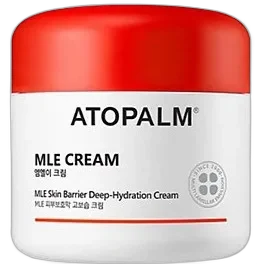
MLE Cream is a thick, lipid-rich barrier moisturizer using the brand's patented multi-lamellar lipid structure — best for compromised, dry, or atopic skin. The Soothing Gel Lotion is a lightweight calming moisturizer that targets anti-inflammation and absorbs fast — best for sensitive normal-to-combination skin and warmer weather.
Is it fungal-acne safe?
Not reliably — plant oils in the formula can trigger Malassezia in sensitive users. If you have confirmed fungal acne, use a moisturizer formulated without fatty alcohols and certain plant oils.
What the community says.
"genuinely cooling on irritated skin"
"fragrance-free and well-tolerated"
"lightweight enough for oily skin"
"calms heat rash and post-sun redness"
"not moisturizing enough alone for very dry winter skin"
"pump bottle dispenses unevenly"
"scent-neutral feels clinical to some users"