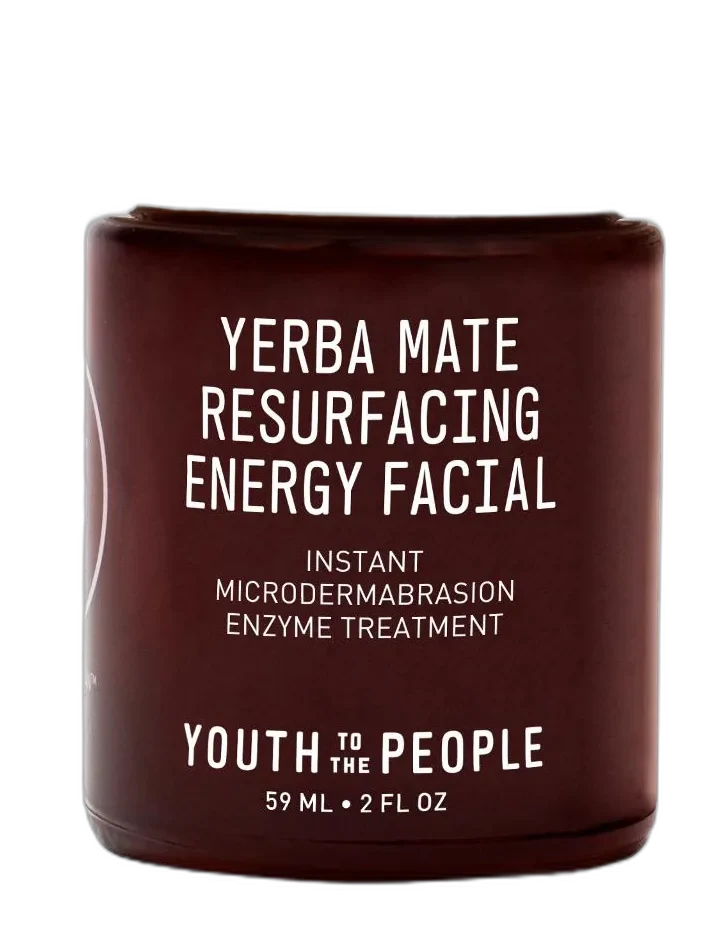
Yerba Mate Resurfacing Energy Facial
Triple-Action Exfoliator
 Verified reviewer
Pros & cons.
- +Triple-action exfoliation combines physical, chemical, and enzyme mechanisms gently
- +Bamboo and diatomaceous earth particles are finely milled and non-abrasive
- +Lactic acid percentage is moderate enough to avoid post-treatment sensitivity
- +Niacinamide buffer reduces redness and supports barrier recovery
- +Visible immediate smoothing and polish after a single use
- +Fragrance-free formulation outside the natural ginger note
- +Vegan, cruelty-free, full INCI transparency from the brand
- +Three to four months of use per tube at twice-weekly application
- −Lactic acid plus ginger oil disqualifies it for very sensitive or rosacea-prone skin
- −Cannot be layered with retinoids or other AHAs/BHAs the same night
- −Forty-eight dollars for two ounces is steep upfront
- −Some users find the ginger warming sensation too intense
- −Not appropriate for active acne flares or compromised barriers
The full review.
Exfoliation used to be binary. You chose a physical scrub—often crushed walnut shells or apricot pits—or an acid that caused tingling and burning. That thinking has changed. Modern resurfacing uses physical, chemical, and enzymatic exfoliation on different parts of the dead-skin-cell removal process. Combining them at lower doses is gentler than using one high-strength method. The Yerba Mate Resurfacing Energy Facial follows this philosophy on the mass market.
The physical layer shows the formulation craft. Bamboo stem extract is second on the INCI, providing finely milled silica particles that polish without scratching. Diatomaceous earth—fossilized algae—adds smooth, round microspheres that roll across skin instead of dragging. Together, they replace rough grit with a feel like a fine clay massage. Apply it to damp skin and massage in circles for sixty seconds; the particles work without the scratchy, abrasive sensation of old scrubs. This mechanical action also lifts surface debris so the chemistry reaches the skin underneath.
The chemical layer uses lactic acid at a moderate position on the INCI—likely under 5%, which is mild for an AHA. This is intentional. Combined with physical particles and enzymes, you do not need high-strength acid for results. The lactic acid loosens corneocyte bonds while bromelain and papain (from pineapple and papaya) break down the protein structures of dead cells. Three mechanisms working at low strength means lower irritation than a 10% glycolic peel, yet the resurfacing effect is visible after one use. Skin looks more polished, luminous, and even-toned within a minute of rinsing. Niacinamide sits in the middle of the INCI to buffer the formula, supporting barrier recovery and reducing the post-exfoliation flush some users get from acids.
Sensory experience is part of the pitch. Ginger root oil creates a subtle warming; some users like this, while others find it intense. It is the only fragrance-adjacent ingredient in an otherwise unscented formula and adds a noticeable note. Yerba mate and guayusa extracts provide the superfood narrative and caffeine. Caffeine has mild vasoconstrictive properties, which may explain the temporary depuffed look after rinsing. In a 90-second wash-off, caffeine does not do significant biological work, but it works as a sensory and brand element. The product feels like an in-spa treatment.
Limitations exist. This is not for very sensitive skin or rosacea; the combination of physical exfoliation, lactic acid, and ginger oil adds up even at gentle doses. Users with a compromised barrier should use enzyme-only options instead. Do not stack this on top of a retinoid routine the same night. Use one resurfacing modality per evening; alternate nights between this and your retinol. The price-to-size ratio is also a factor. Forty-eight dollars for two ounces is mid-luxury. While the tube lasts three to four months with twice-weekly use, the upfront cost is high for budget shoppers. Simpler enzyme masks and acid toners at half the price handle the basics; you are paying for multi-mechanism integration and the brand experience.
The formulation shows discipline. The lab could have used a 10% glycolic peel or more aggressive physical scrubbers for dramatic sensation. Instead, they lowered every individual mechanism and let the combination do the work. The result is a rare resurfacing product that delivers immediate visible payoff without next-day sensitivity.
Ingredient analysis.
Full INCI list
Water/Aqua/Eau, Bambusa Arundinacea (Bamboo) Stem Extract, Diatomaceous Earth, Carthamus Tinctorius (Safflower) Seed Oil, Propanediol, Aloe Barbadensis Leaf Juice, Cetyl Alcohol, Glyceryl Stearate SE, Glycerin, Lactic Acid, Sodium Acrylate/Sodium Acryloyldimethyl Taurate Copolymer, Niacinamide, C15-19 Alkane, Ilex Paraguariensis (Yerba Mate) Leaf Extract, Ilex Guayusa Leaf Extract, Potassium Sorbate, Polyglyceryl-6 Laurate, Tocopherol, Ethylhexylglycerin, Bromelain, Sodium Phytate, Papain, Polyglycerin-6, Zingiber Officinale (Ginger) Root Oil, Passiflora Edulis (Passion Fruit) Extract, Xanthan Gum, Curcuma Longa (Turmeric) Root Powder, Hylocereus Undatus (Dragon Fruit) Fruit Extract, Sorbitan Oleate, Helianthus Annuus (Sunflower) Seed Oil, Sorbitan Isostearate, Phenoxyethanol, Sodium Benzoate.
Skin match.
The science.
The Science
This product uses a multi-mechanism resurfacing philosophy, combining physical, chemical, and enzymatic exfoliation at lower individual doses. This approach targets different aspects of corneocyte removal: physical exfoliants mechanically dislodge surface debris and superficial dead cells, alpha hydroxy acids like lactic acid disrupt the calcium-dependent corneodesmosome bonds, and proteolytic enzymes like papain and bromelain cleave protein bonds within the keratinaceous matrix. Because these mechanisms differ, they do not compound irritation like stacking three high-strength acids.
Lactic acid has a well-established research base in dermatology. It works as both an exfoliant and a humectant, as the lactate ion is a natural moisturizing factor component. Clinical studies on topical lactic acid show measurable benefits in stratum corneum hydration, skin smoothness, and pigmentation evenness. The percentage in this formula is lower than therapeutic peel concentrations; it works synergistically with other exfoliating mechanisms rather than as a standalone treatment.
The enzymatic actives — papain from papaya and bromelain from pineapple — have a longer history of use than rigorous topical evidence. Both are proteolytic enzymes that cleave peptide bonds and show measurable keratolytic effects in cosmetic studies. Topical enzymes face stability challenges; they require specific pH and formulation environments to remain active, though the cosmetic industry now delivers them more effectively. Niacinamide provides essential support. Topical niacinamide has robust research for ceramide synthesis, barrier function, and reduced inflammatory response — the right backup for a multi-mechanism exfoliator that risks barrier challenge if used too aggressively.
The yerba mate and guayusa extracts are primarily marketing-driven. Both contain caffeine and polyphenols; research shows topical caffeine has mild vasoconstrictive and antioxidant activity. In a wash-off context, short dwell time limits significant absorption, so the biological contribution is modest even if the sensory-and-storytelling contribution is real.
Dermatologist Perspective
Dermatologists generally support multi-mechanism exfoliation as a gentler alternative to single high-strength approaches, and this product fits that framework. Board-certified dermatologists note that physical exfoliation has been unfairly stigmatized by older, harsh scrubs — finely milled bamboo and diatomaceous earth particles differ mechanically from walnut shells and do not carry the same micro-tear risk. The combination of lactic acid plus enzymes is the type of resurfacing approach often suggested for patients who want visible texture improvement but cannot tolerate stronger acid peels. Dermatologists caution against stacking this with other resurfacing actives on the same night. Patients with rosacea, eczema, or compromised barriers typically use gentler enzyme-only or hydrating-mask alternatives.
Where it fits in your routine.
Use one to two times per week as an evening treatment. Cleanse first, then apply an almond-sized amount to damp skin. Massage in circular motions for 60 seconds, focusing on the T-zone and chin where texture and congestion occur. Leave on for 1-2 minutes so the enzymes and lactic acid work, then rinse with lukewarm water. Follow with a hydrating serum and moisturizer — do not add retinol, glycolic acid, or salicylic acid tonight. Wear sunscreen the next morning because exfoliation increases UV sensitivity. Use it once a week if you are new to resurfacing or have a history of sensitivity.
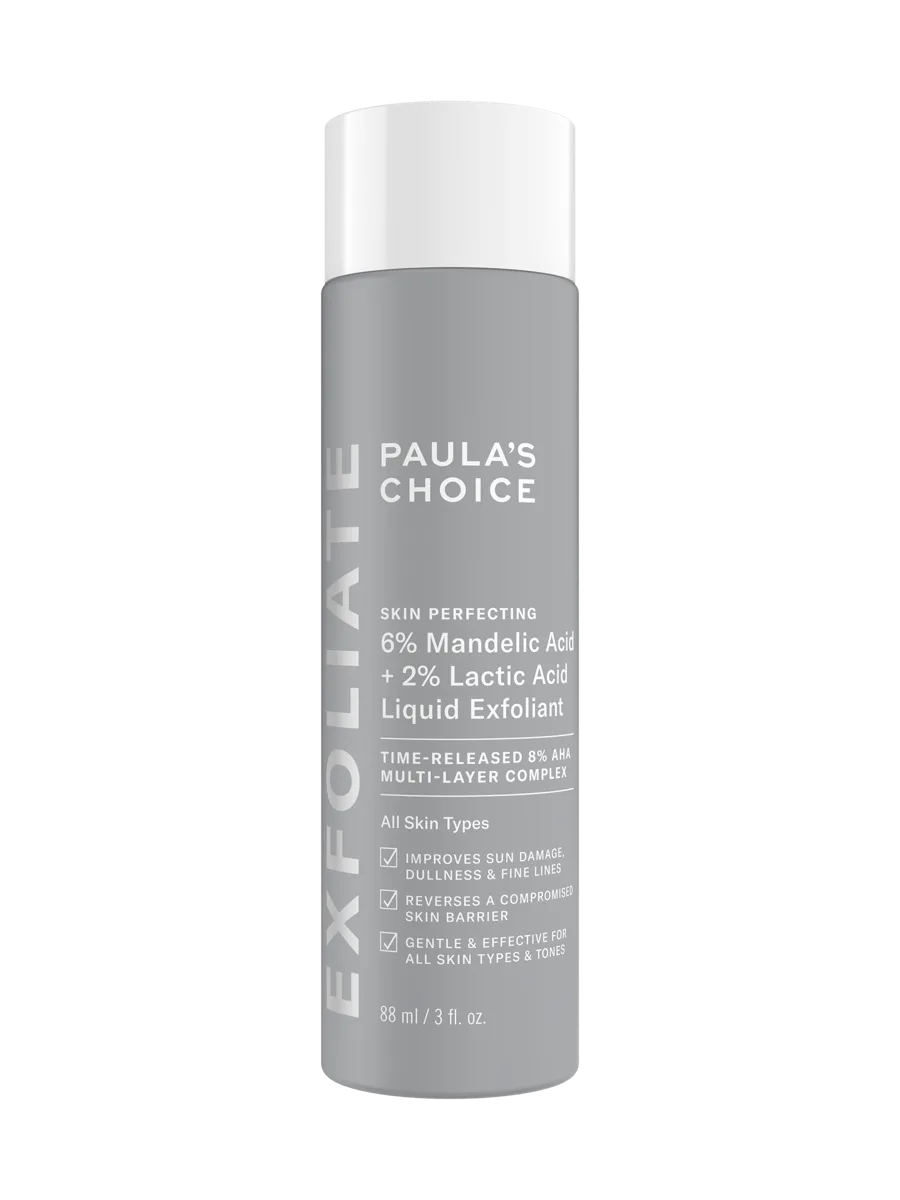
At $48 for 2 oz, this sits in mid-luxury. The per-ounce price is high, but most users apply it twice weekly, and one tube lasts three to four months. This makes the per-use cost reasonable for an at-home spa-level resurfacing treatment. A 0.5 oz mini costs around $16 and works well to test compatibility before buying more. Simpler single-mechanism exfoliators (Pixi Glow Tonic, The Ordinary lactic acid, Paula's Choice 8% AHA Gel) cost $15-$30 and provide effective chemical exfoliation without physical or enzyme components. You pay a premium for multi-mechanism integration and the brand experience.
Normal, combination, and oily skin types can use this at-home resurfacing treatment for visible smoothing without the sting of a stronger acid peel. It works well as a gentler alternative to professional microdermabrasion or for those who want a multi-sensory exfoliation experience.
Fragrance-free enzyme-only options work better for sensitive, rosacea-prone, or eczema-affected skin. People with an active acne flare or a compromised barrier must repair first before adding resurfacing. Budget-focused shoppers find effective single-mechanism exfoliators for half the price.
Product details.
Cream-gel with finely embedded gritty particles that activate during massage
Subtle warm ginger, fragrance-free formulation
Squeeze tube with narrow nozzle, recyclable
The first use feels gentle. The particles are finer than expected and do not sting; the ginger oil only provides a subtle warming. Skin looks more polished and slightly brighter after one rinse. Some users feel a mild tingling from the lactic acid, which is normal.
About 3-4 months with use 1-2 times per week
12 months
All Year
The backstory.
Released in 2021, this was Youth to the People's first major foray into the resurfacing category and represented a deliberate departure from the harsh sugar-and-walnut scrubs that dominated the early 2010s. The yerba mate and guayusa branding tied into the brand's broader 'superfood' identity while the formulation underneath was a genuine multi-mechanism exfoliator built for sensitive Sephora-shopper expectations.
About Youth to the People
Established Brand (5–20 years)Youth to the People launched in 2015 and sells plant-forward, transparent formulations through Sephora. L'Oréal has owned the brand since 2021, but Youth to the People still publishes full INCI lists and keeps its clean-beauty positioning.
Common myths.
Physical exfoliation always damages skin.
Old harsh scrubs used apricot pits and walnut shells to cause micro-tears in skin. The bamboo and diatomaceous earth in this formula are finely milled, smooth, and gentle. Used correctly, these modern physical exfoliants do not cause the damage older scrubs did.
Combining three types of exfoliation is too aggressive.
That only works if each is at full strength. The triple-action design uses lower percentages of each mechanism to layer instead of compound. This makes the result gentler than a single high-strength acid peel.
FAQ.
How often should I use this?
Most skin types work best with one to two uses per week. If you have sensitive skin or are new to exfoliation, start once a week and assess. Using it more than twice weekly usually overdoes it, even for oily skin.
Can I use this with retinol?
Don't use them on the same night. Lactic acid, enzymes, and physical exfoliation resurface skin enough on their own — adding a retinoid that same evening risks barrier disruption. Alternate nights work after you use each separately for a few weeks.
Is this gentle enough for sensitive skin?
It is gentler than most resurfacing products, but lactic acid and ginger oil make it unsuitable for very sensitive or rosacea-prone skin. Patch test on the jaw before full face application.
Does it actually work as well as a microdermabrasion treatment?
Not quite — in-office microdermabrasion uses higher-energy mechanical action to reach deeper. But for an at-home treatment combining physical, chemical, and enzymatic action, this shows more visible results than most single-mechanism scrubs.
Will it cause purging?
Unlikely. Most users see improvement immediately instead of a purge phase. Breakouts in the first week usually mean irritation rather than purging — use it once a week if that happens.
Is it pregnancy-safe?
Yes. The lactic acid percentage is low, and the other actives (niacinamide, enzymes, physical exfoliants) are pregnancy-compatible. It contains no retinoids or salicylates.
Why is it $48 for two ounces?
Brand cachet, formulation complexity (three exfoliation mechanisms are harder to formulate than one), and the Sephora premium drive the price. Using it twice a week makes the tube last 3-4 months. This keeps the per-use cost reasonable despite the high upfront price.
Community
What the community says.
"Immediate smoothing effect"
"Doesn't sting like acid peels"
"Gentle enough for weekly use"
"Visible glow after rinsing"
"Pricey for a wash-off treatment"
"Tube nearly empty fast"
"Ginger scent bothers some users"
People also looked at.