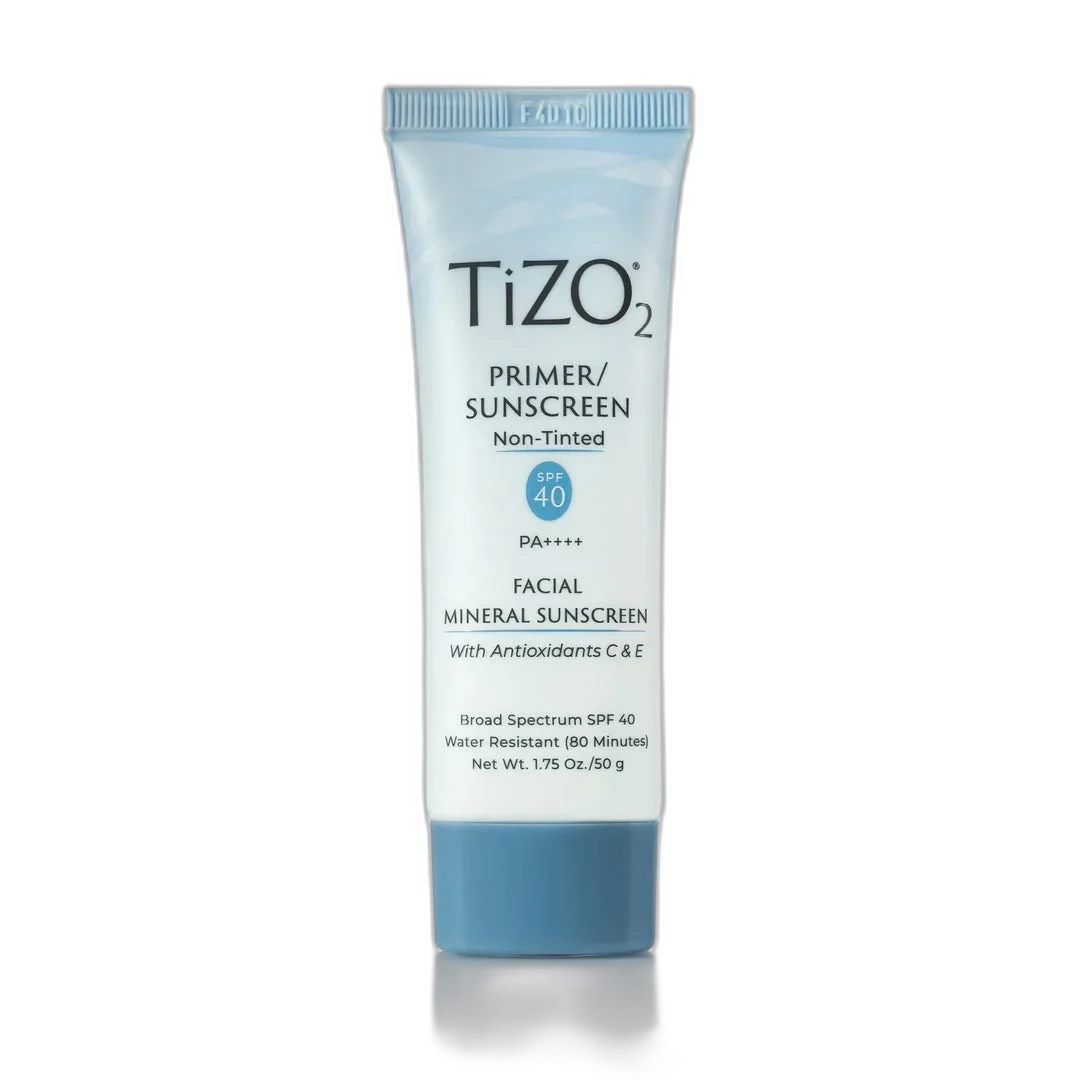
2 Facial Mineral Sunscreen SPF 40 Non-Tinted
Derm Office Staple
 Verified reviewer
Pros & cons.
- +Silicone elastomer base creates a true matte dry-down
- +Doubles as a makeup primer, blurring pores under foundation
- +Stable tetrahexyldecyl ascorbate plus vitamin E antioxidant support
- +Fragrance-free, alcohol-free, and tolerated by sensitive and post-procedure skin
- +Dermatologist-office staple with nearly two decades of clinical use
- +Holds up under makeup without sliding or oxidizing
- +Skin Cancer Foundation Seal of Recommendation
- −Premium $47 price for a 1.75-ounce tube
- −Matte finish reads dry on already-dehydrated skin
- −Can pill when layered over silicone-heavy foundations
- −No iron oxides — leaves a faint cast on deeper skin tones
- −Zinc percentage is modest compared to some competitors
The full review.
Most mineral sunscreens start with zinc and titanium and try to figure out how to make them tolerable. TiZO 2 inverts that logic. It’s built around a silicone elastomer matrix — cyclopentasiloxane, dimethicone crosspolymer, lauryl PEG/PPG-18/18 methicone, the whole family — and the mineral filters are suspended in that matrix rather than the matrix being shoehorned around them. When you squeeze it out of the tube, you’re handling something that feels much more like a high-end silicone primer than a sunscreen, and that’s not an accident of formulation. It’s the entire design philosophy.
About BrandName
The brand itself is the Pennsylvania sun-protection company Fallene, which has been making mineral sunscreens for dermatology and plastic surgery offices since the mid-1990s. TiZO 2 arrived in the late 2000s, aimed specifically at the post-procedure patient — the person whose face had just been resurfaced, peeled, or lasered, and who needed serious mineral protection that wouldn’t sit greasy on raw skin. The silicone elastomer base was the answer. It lets the minerals disperse evenly across a sheet that dries down powdery-matte within a minute, which is why TiZO 2 became a derm-office fixture and still is.
Reality
The active load is 8% titanium dioxide and 3.8% zinc oxide. That’s a respectable combination but not the maximal mineral loading some competitors chase — EltaMD UV Pure runs higher on zinc, for instance. TiZO’s bet is that the evenness of the film matters more than the raw percentage, since a perfectly distributed 8/3.8 film outperforms a patchy 12/8 one. In practice that trade-off reads well: the protection is solid, and the wearability is the best-in-class feature that keeps people applying enough of it to actually get the labeled SPF.
The antioxidant additions are the quiet sophistication. Tetrahexyldecyl ascorbate is a stable, lipid-soluble vitamin C ester that tucks neatly into the silicone phase, sitting in the matrix as a second line of defense against any UV or visible light that penetrates. Paired with tocopheryl acetate — vitamin E — it forms the now-classic vitamin C/E photoprotective couple that regenerates itself in the skin. This was a forward-thinking inclusion when TiZO 2 launched; it’s become something of a standard now, and the formula has aged well because of it.
Texture
Texturally, this is where TiZO 2 earns its primer reputation. The silicone elastomer matrix creates a blurred, soft-focus finish that absorbs surface shine and gives foundation a flawless bed to sit on. For oily and combination skin, it’s often the moment someone realizes they didn’t actually need a separate primer step. For normal skin, it still works, though the dry-down can read a touch powdery if your skin leans anywhere toward dehydrated. For genuinely dry skin, this is probably not your sunscreen — the matte finish will accentuate any dryness rather than hide it.
Common Complaints
The limitations worth naming are honest. Without iron oxides, there’s no visible-light protection and no tint to mask residual cast on deeper skin tones — if either of those matters, TiZO 3 is the pick. The silicone elastomer that gives TiZO 2 its magic can pill if you rub it aggressively or layer it under a heavy silicone foundation, so press-and-pat application is the move. And the 1.75-ounce tube at $47 is genuinely expensive for a daily-use product. Mineral SPF as a category has gotten cheaper and better over the last decade, so the premium TiZO commands is really a premium on the specific silicone-primer experience and the dermatology-office track record, neither of which you’ll find in the $20 alternatives.
Who Should Buy
Where the value tilts in TiZO 2’s favor is the primer-replacement math. If you already spend $30-40 on a silicone primer, adding matte mineral SPF to that role starts to justify the price. If you’re buying this purely as sunscreen and don’t care about the finish, there are less expensive options that protect just as well. The formula has earned its dermatology-office reputation, though — nearly two decades of provider trust isn’t nothing — and for post-procedure, rosacea, and oily-sensitive skin, the combination of tolerability and wearability is hard to match.
Ingredient analysis.
Full INCI list
Active Ingredients: Titanium Dioxide 8%, Zinc Oxide 3.8%. Inactive Ingredients: Alumina, Cyclohexasiloxane, Cyclopentasiloxane, Dimethicone, Dimethicone Crosspolymer, Dimethicone/Vinyl Dimethicone Crosspolymer, Dimethiconol, Lauryl PEG/PPG-18/18 Methicone, Hydrogen Dimethicone, PEG-10 Dimethicone, Tetrahexyldecyl Ascorbate, Tocopheryl Acetate
Skin match.
The science.
The Science
TiZO 2 uses a specific formulation strategy: film evenness matters more than raw active percentages for mineral sunscreens. Titanium dioxide at 8% works across UVB and short UVA, while zinc oxide at 3.8% extends protection into UVA1 (340-400nm), the wavelength range linked to photoaging and pigmentation. Both actives stay within the FDA monograph permitted range. The SPF 40 rating comes from efficient dispersion through the silicone elastomer matrix as much as filter concentration.
The silicone elastomer base — made from cyclopentasiloxane, dimethicone, dimethicone crosspolymer, and dimethicone/vinyl dimethicone crosspolymer — forms a uniform film on the skin. This prevents the gaps and clumps that cause many mineral sunscreens to underperform. Research on sunscreen film formation shows that uneven application, not low filter concentration, is the main reason sunscreens fail to hit their labeled SPF in practice.
The antioxidant combination in TiZO 2 is notable. Tetrahexyldecyl ascorbate is a lipid-soluble vitamin C derivative that is more stable in anhydrous formulas than L-ascorbic acid. It converts to active ascorbate in the skin and scavenges free radicals without the stability issues of vitamin C. Research on combined topical vitamin C and vitamin E shows each regenerates the other in the skin, extending antioxidant activity. For photoprotection, this creates a two-layer defense: mineral filters block most radiation, and antioxidants catch free radicals from what gets through.
The silicone elastomer matrix does more than change texture. Microscopic surface irregularities in the elastomer network scatter visible light to create a soft-focus optical effect. This creates a blurred finish; the light that would highlight fine lines and pores instead diffuses across the surface. This cosmetic benefit has no direct photoprotective value, but it helps users comply with daily reapplication more easily than with traditional mineral sunscreens.
Dermatologist Perspective
Dermatologists often recommend TiZO 2 for patients who cannot tolerate chemical sunscreens or need a mineral option for use under makeup. It is a frequent suggestion for rosacea, post-procedure recovery, and oily, acne-prone skin where dewy mineral creams cause breakouts or slide off. Board-certified dermatologists note the silicone elastomer base solves the wearability problem that stops patients from using mineral SPF. This matters because daily compliance is the biggest factor in real-world sun protection. The fragrance-free, alcohol-free formulation is a safe default for compromised skin barriers, keeping it a fixture in dermatology and plastic surgery offices.
Where it fits in your routine.
Apply this as your final morning step over moisturizer. Use about a quarter-teaspoon for the face and another quarter-teaspoon for the neck and chest. Press and pat the product into the skin instead of rubbing to keep the silicone elastomer film intact and prevent pilling. Wait about a minute for the base to set into its matte finish before you apply makeup. Reapply every two hours of sun exposure or after swimming and sweating. A mineral powder reapplication tool works over the matte finish without disrupting it.
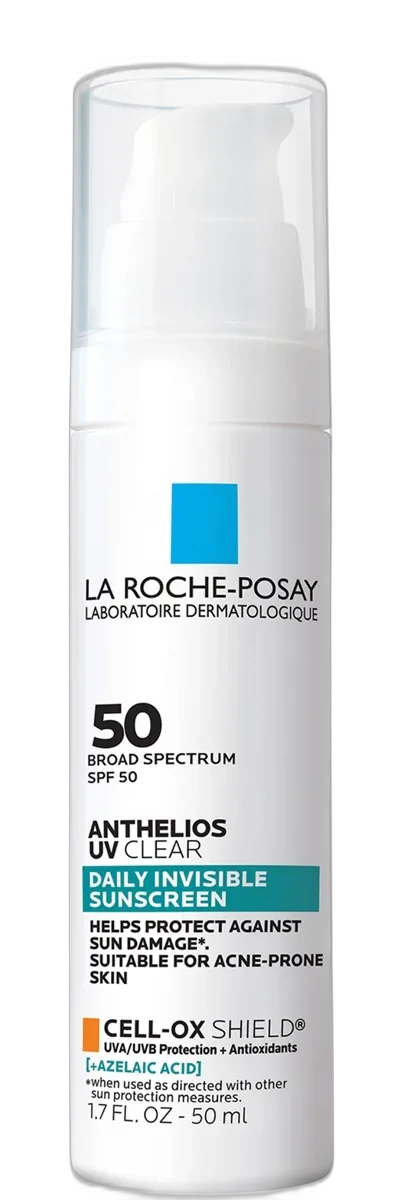
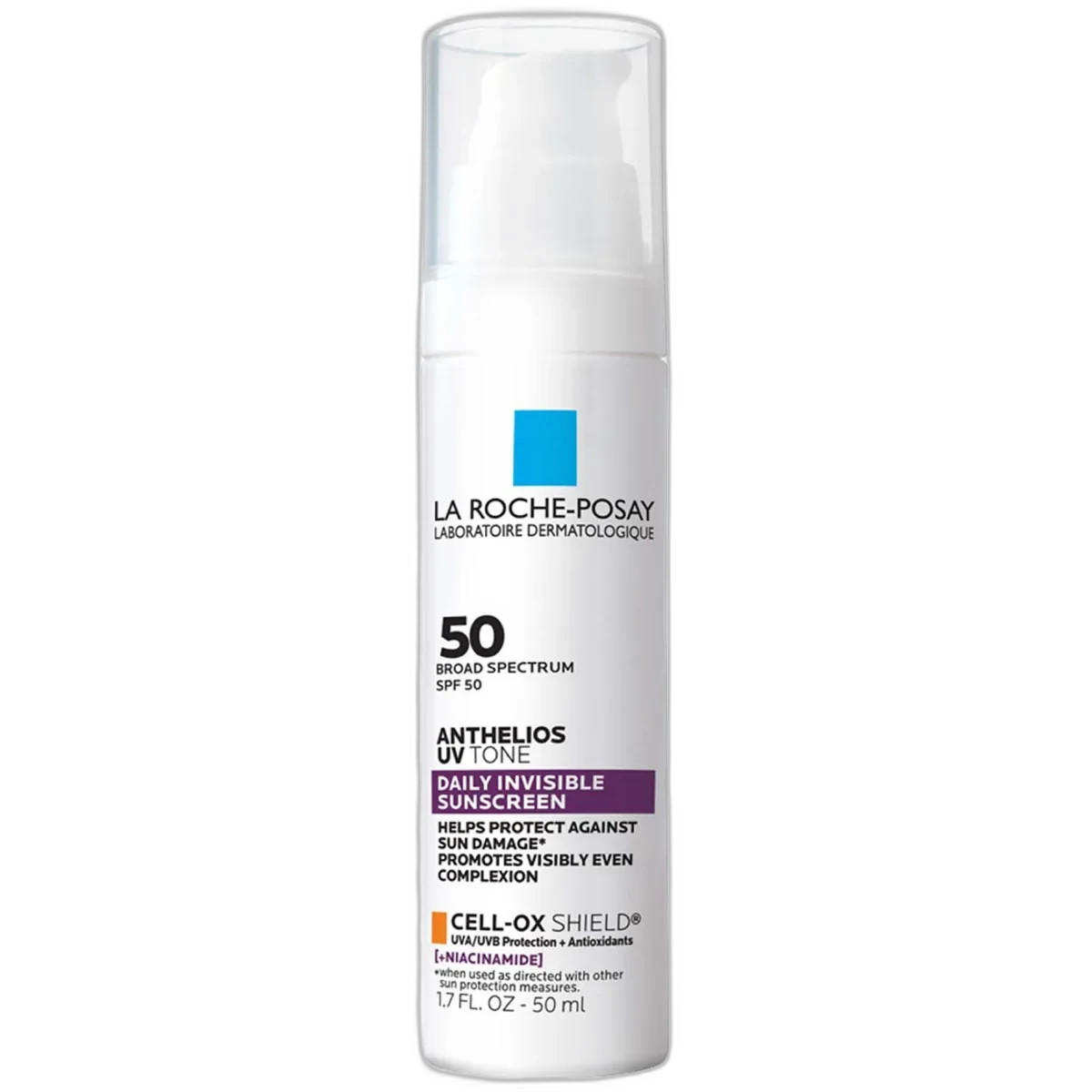
At $47 for 1.75 ounces, TiZO 2 costs more than EltaMD UV Clear or La Roche-Posay Anthelios mineral options. The price covers the specific silicone elastomer feel and the dermatology-office track record, which $20 mineral sunscreens lack. TiZO 2 offers better value if you buy a separate primer or manage post-procedure or oily-sensitive skin where alternatives fail. For casual daily use on skin without specific concerns, the alternatives perform the same tasks, making TiZO 2 a luxury rather than a necessity.
Oily, combination, and acne-prone skin types seeking a mineral sunscreen that stays matte. It works well for rosacea, post-procedure recovery, and compromised barriers needing fragrance-free, low-irritant protection. It also works for makeup wearers who skip primer.
Dry or dehydrated skin shows more flakes and tightness with this matte finish — use TiZO 3 or a more emollient mineral SPF instead. Deep skin tones may prefer the tinted version to prevent a residual cast. Budget-conscious buyers can find similar protection for less, though the primer-like finish differs.
Product details.
Lightweight silicone cream that dries to a powdery, blurred matte finish.
Essentially scentless.
Squeeze tube with a flip cap, hygienic and travel-friendly.
The first application feels silicone-slick, then sets fast to a dry, blurred finish. It has no sting, no fragrance, and no shine — it acts more like a primer than a traditional sunscreen. The silicone elastomer base pills briefly if you rub it aggressively; press and pat instead.
Used daily on the face and neck for about 2 months at the recommended quarter-teaspoon dose.
12 months
All Year
The backstory.
TiZO is the consumer line from Fallene, a Pennsylvania sun-protection company that spent years quietly supplying products to dermatology and plastic surgery offices before building out the TiZO range. TiZO 2 was designed specifically for the post-procedure patient — someone whose skin couldn't tolerate greasy sunscreens after a chemical peel or laser treatment but needed serious mineral protection. The silicone elastomer base was the answer.
About TiZO
Established Brand (5–20 years)TiZO is a dermatologist-recommended mineral sunscreen line from Fallene, a Pennsylvania sun protection company founded in 1995. The brand has occupied US dermatology and plastic surgery offices for nearly two decades and has the Skin Cancer Foundation Seal of Recommendation.
Common myths.
Mineral sunscreens always leave a white cast.
The silicone elastomer matrix in TiZO 2 spreads mineral particles evenly, so most light-to-medium tones show no residue. Deeper skin tones may see a faint cast because TiZO 2 lacks tinted pigment — TiZO 3 is the tinted alternative.
SPF 40 isn't strong enough — you need SPF 50+.
SPF 40 blocks about 97.5% of UVB, while SPF 50 blocks 98%. You cannot measure this difference in daily life. Application thickness and reapplication matter more than chasing a higher number on the bottle.
FAQ.
Does TiZO 2 leave a white cast?
On light to medium skin tones, usually no — the silicone elastomer matrix spreads the titanium and zinc particles evenly for a neutral finish. On deeper skin tones, a faint cast occurs because it lacks the tinted pigment found in TiZO 3, so most deeper-tone users choose the tinted version instead.
Is TiZO 2 good for oily skin?
Yes — this mineral sunscreen works well for oily and combination skin. The silicone elastomer base leaves a powdery-matte finish that absorbs shine and stays under makeup. Dermatology offices often recommend it for acne-prone patients who cannot tolerate dewier mineral options.
Can I use TiZO 2 after a chemical peel or laser?
People often recommend it for this specific use. The fragrance-free, alcohol-free formulation works well on compromised skin, and the absence of chemical filters reduces stinging on resurfaced areas. Always check with your provider before applying anything to freshly treated skin.
Does TiZO 2 work as a makeup primer?
Yes, people use it this way often. The silicone elastomer matrix blurs pores and helps foundation grip the skin. This is why many users skip primer when wearing it.
What's the difference between TiZO 2 and TiZO 3?
Both use 8% titanium dioxide and 3.8% zinc oxide active loads. TiZO 2 is non-tinted and dries to a flatter matte. TiZO 3 adds iron oxides for a universal tint and visible-light protection. It has a more emollient satin finish, which works better for normal-to-combination skin and melasma patients.
Is TiZO 2 fragrance-free?
It is fragrance-free, alcohol-free, and lacks common irritants. This makes it a standard recommendation for rosacea, eczema, and post-procedure patients.
How much should I apply?
Use about a quarter-teaspoon (two finger-lengths) on the face and another quarter-teaspoon on the neck and chest. Underapplication most often causes mineral sunscreens to miss their SPF rating.
What the community says.
"Truly matte finish unusual for mineral SPF"
"Doubles as a makeup primer"
"No fragrance, no sting"
"Tolerated by post-procedure and rosacea-prone skin"
"Pairs well with foundation"
"Premium price for the small tube"
"Can pill if layered over silicone-heavy makeup"
"Matte finish reads dry on already-dry skin"
"Modest zinc percentage compared to competitors"
Featured in.
People also looked at.