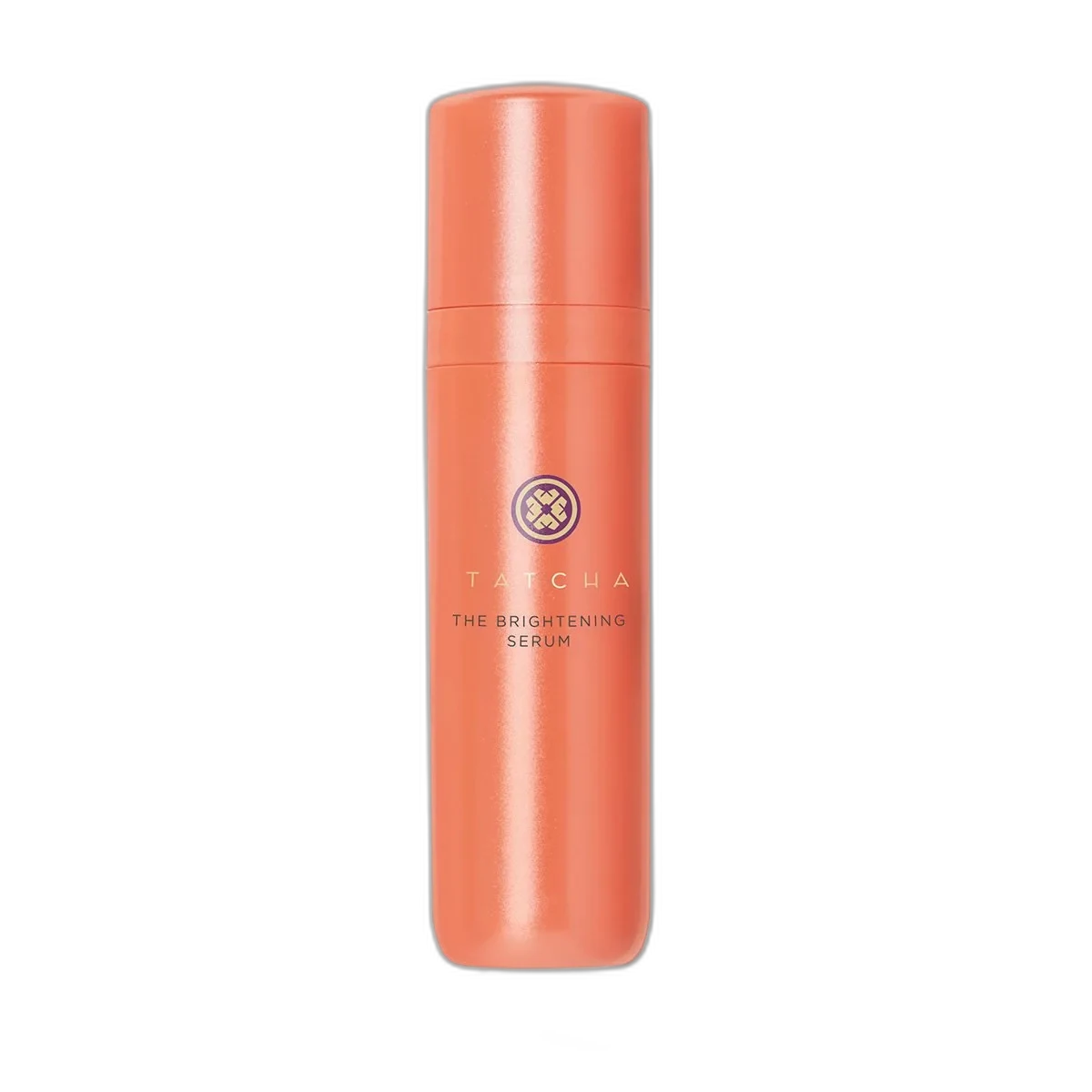
Violet-C Brightening Serum 20% Vitamin C + 10% AHA
Dual-Path Brightening Powerhouse
 Verified reviewer
Pros & cons.
- +Dual water-soluble and oil-soluble vitamin C targets both skin phases simultaneously
- +Three-pronged brightening: vitamin C inhibition, AHA exfoliation, and tyrosinase blocking
- +Remarkably gentle for a serum with 20% vitamin C and 10% AHA combined
- +Fragrance-free, silicone-free, oil-free — unusually clean for a luxury serum
- +Lightweight watery texture absorbs instantly with no sticky or greasy residue
- +Ascorbyl tetraisopalmitate backed by clinical research for anti-pigmentation efficacy
- +Licorice root and mulberry root provide additional evidence-based brightening
- −At 8 per ounce, significantly more expensive than comparable vitamin C serums
- −Citrus juices (lemon, lime, grapefruit) add unnecessary irritation and photosensitivity risk
- −Now discontinued — replacement formula has different actives and adds fragrance
- −Derivative vitamin C forms are less potent per percentage than pure L-ascorbic acid
- −Results require 6-8 weeks of consistent use — not for those seeking immediate impact
- −The 10% AHA content limits use for sensitive or eczema-prone skin types
The full review.
Most vitamin C serums use only one language: L-ascorbic acid. Tatcha’s Violet-C launched in January 2019 with a different strategy. It uses two vitamin C derivatives that work in different chemical environments and pairs them with 10% AHA to target dullness and dark spots from multiple angles.
The dual vitamin C concept drives this serum. Bis-glyceryl ascorbate, the second ingredient in the INCI, works in the skin’s aqueous phase—the spaces between cells where hydrophilic molecules move. Ascorbyl tetraisopalmitate, the oil-soluble partner, enters the lipid matrix of cellular membranes to reach melanocytes where pigment forms. A 2006 study in the Journal of Dermatological Science shows that three percent ascorbyl tetraisopalmitate suppresses UVB-induced pigmentation via antioxidant and anti-inflammatory mechanisms. At a twenty percent combined concentration, the potential is significant.
The ten percent AHA blend adds exfoliation. Lactic acid leads the blend, alongside fruit acids from apple, grapefruit, orange, lemon, and lime. While ingredient purists may debate the citrus component, these fruit acids provide malic and citric acid for a broader AHA profile. The strategy works: vitamin C derivatives prevent new pigment, while AHAs shed cells that already carry excess melanin. The C blocks and the acid clears.
Tatcha added licorice root extract and its derivative dipotassium glycyrrhizate to the brightening arsenal. This direct tyrosinase inhibitor attacks the enzymatic pathway for melanin production. Combined with mulberry root extract and scutellaria root, the botanical suite uses traditional East Asian ingredients for even-toned skin. This creates a three-pronged approach: inhibit oxidation (vitamin C), exfoliate pigmented cells (AHA), and block the enzyme that makes pigment (licorice root).
The Hadasei-3 ferment filtrate is third in the ingredient list, indicating a high concentration. In a serum with active acids and vitamin C, this fermented blend of green tea, rice, and algae provides amino acids and polyphenols to help maintain barrier integrity during exfoliation.
Texture
The texture is a strength of the Violet-C. The watery-to-gel consistency absorbs fast, leaves no sticky residue, and goes on clear despite the purple branding. Users expecting the tingling burn of L-ascorbic acid serums often find this gentle. These vitamin C derivatives do not require the low pH that makes pure ascorbic acid irritating. This allows Tatcha to combine them with AHAs without attacking the skin barrier.
Common Praise
Brightening results require patience and consistency. Most users saw improved radiance within two to four weeks, while dark spots faded more significantly around six to eight weeks. A double-blind placebo-controlled study of sixty participants in Photochemistry and Photobiology confirmed that daily ascorbyl tetraisopalmitate application improved skin hydration, reduced hyperpigmentation, and enhanced cell turnover.
Common Complaints
The limitations are threefold. First, the price: eighty-eight dollars for one ounce puts this in luxury territory, competing with serums that have stronger actives for half the cost. Second, the citrus juices—lemon, lime, grapefruit, and orange—add potential irritants and photosensitizers to a formula already using ten percent AHA. This is an unnecessary risk in an otherwise thoughtful formula. Third, these vitamin C derivatives are less potent per percentage than pure L-ascorbic acid. Users wanting maximum brightening intensity may find the effects too slow.
Conflicts With
The fragrance-free, silicone-free, oil-free formulation was a strength Tatcha did not keep in the replacement product, which adds bergamot, lemon, eucalyptus, lavender, and cedarwood oils. For those who liked the clean original formula, the reformulation is a step backward.
About
The Violet-C Brightening Serum used an intelligent approach to vitamin C skincare by prioritizing delivery chemistry over raw concentration. It was not the most powerful brightening serum available, but it was one of the most thoughtfully designed. Tatcha’s decision to discontinue this formula for something different suggests the market prefers potency over elegance. The original deserved better.
Ingredient analysis.
Full INCI list
Water, Bis-Glyceryl Ascorbate, Saccharomyces/Camellia Sinensis Leaf/Cladosiphon Okamuranus/Rice Ferment Filtrate, Propanediol, Butylene Glycol, Glycerin, Ascorbyl Tetraisopalmitate, Angelica Acutiloba Root Extract, Callicarpa Japonica Fruit Extract, Prunus Mume Fruit Extract, Crataegus Cuneata Fruit Extract, Pyrus Malus (Apple) Fruit Extract, Citrus Paradisi (Grapefruit) Fruit Extract, Citrus Aurantium Dulcis (Orange) Juice, Citrus Limon (Lemon) Juice, Citrus Aurantifolia (Lime) Juice, Glycyrrhiza Glabra (Licorice) Root Extract, Scutellaria Baicalensis Root Extract, Artemisia Capillaris Flower Extract, Morus Alba Root Extract, Ziziphus Jujuba Fruit Extract, Sodium Hyaluronate, Lactic Acid, Sodium Citrate, Dipotassium Glycyrrhizate, Ammonium Acryloyldimethyltaurate/Carboxyethyl Acrylate Crosspolymer, Disodium EDTA, PPG-6-Decyltetradeceth-30, Ethylhexylglycerin, Phenoxyethanol
Skin match.
The science.
The Science
The formula uses the oil-soluble vitamin C derivative ascorbyl tetraisopalmitate (VC-IP), which has strong evidence. A 2006 study in the Journal of Dermatological Science by Ochiai et al. shows that a 3% VC-IP cream applied for three weeks suppresses UVB-induced pigmentation via antioxidant and anti-inflammatory mechanisms, lowering IL-1alpha and PGE2 production. A 2021 double-blind, randomized, placebo-controlled clinical study in Photochemistry and Photobiology by Shirata and Maia Campos confirms that daily ascorbyl tetraisopalmitate use in 60 female participants improved skin hydration, reduced hyperpigmentation, and increased cell turnover.
Decades of AHA research support the lactic acid component. A 2024 review in Clinical, Cosmetic and Investigational Dermatology documented lactic acid's efficacy in clinical peeling, reporting an 87.2% reduction in papules and 80.4% effectiveness against melasma — beating glycolic acid at 67.5% — with lower irritation. At the 10% concentration in this serum, exfoliation is gentler than clinical peels but still enhances cell turnover.
The formula uses a dual-phase vitamin C approach. The water-soluble bis-glyceryl ascorbate works in the intercellular aqueous environment, while ascorbyl tetraisopalmitate integrates into lipid membranes. Pharmaceutical literature supports this theoretical advantage of targeting both phases through the differing penetration profiles of hydrophilic and lipophilic vitamin C derivatives, though no published study has tested this specific combination.
References
- A new lipophilic pro-vitamin C, tetra-isopalmitoyl ascorbic acid (VC-IP), prevents UV-induced skin pigmentation through its anti-oxidative properties — Journal of Dermatological Science (2006)
- Sunscreens and Cosmetic Formulations Containing Ascorbyl Tetraisopalmitate and Rice Peptides for the Improvement of Skin Photoaging — Photochemistry and Photobiology (2021)
- Lactic Acid Chemical Peeling in Skin Disorders — Clinical, Cosmetic and Investigational Dermatology (2024)
Dermatologist Perspective
Board-certified dermatologists value combining vitamin C with alpha-hydroxy acids for hyperpigmentation if the formulation manages irritation. Using stable, pH-independent vitamin C derivatives instead of pure L-ascorbic acid lets this combination work without the extreme acidity that causes sensitivity. Dermatologists note the triple mechanism — antioxidant protection, chemical exfoliation, and tyrosinase inhibition — provides a comprehensive approach to treating discoloration. However, dermatologists caution that the citrus juice components increase photosensitizing potential, so daily sunscreen use is required when using this product.
Where it fits in your routine.
Apply 2-3 drops to clean, dry skin at night. Press it into the face and neck, but avoid the immediate eye area. Do not use other exfoliating acids or retinol on the same evening. Use a hydrating moisturizer afterward to support the barrier during exfoliation. Apply broad-spectrum SPF 30+ every morning because the AHA content increases UV sensitivity. If you are new to AHA exfoliation, start with every other night and increase to nightly use as tolerated.
At 8 for 30 ml, this was one of the most expensive vitamin C serums — about .93 per ml versus /bin/bash.50-1.50 per ml for respected alternatives with similar or stronger actives. A 4 for 10 ml mini size existed. The dual vitamin C approach and 10% AHA combination showed sophisticated formulation, but the vitamin C derivative forms are less potent per percentage than L-ascorbic acid, lowering the value at this price. Now discontinued, the original formula costs even more on resale platforms.
This serum works for stubborn hyperpigmentation, post-acne marks, or sun-induced dark spots. It uses a multi-mechanism approach without the harshness of pure L-ascorbic acid. Normal to combination skin types seeking a fragrance-free brightening treatment benefit most.
Avoid this formula if you have sensitive skin, active eczema, rosacea, or citrus sensitivities. Pure L-ascorbic acid serums provide higher vitamin C potency and lower prices. Since this is discontinued, new buyers should look at the replacement formula.
Product details.
This ultra-light, watery-to-gel serum absorbs rapidly. It goes on clear despite the violet-themed branding. The formula is non-sticky and lightweight enough to layer under moisturizer without heaviness.
Fragrance-free with no added parfum. Botanical extracts leave a faint, barely detectable natural scent upon application.
A purple-tinted glass bottle uses a dropper dispenser in Tatcha's signature Japanese aesthetic. The dropper enables precise 2-3 drop application. Glass protects the vitamin C derivatives from light degradation.
The serum feels silky and lightweight on first application and does not sting — unlike pure L-ascorbic acid serums that often tingle. The AHA component shows a subtle glow within minutes. Some users feel mild warmth from the acid content, but this is gentle and brief. Most skin types need no adjustment period.
2-3 months with nightly use of 2-3 drops
12 months
All Year
The backstory.
Launched in January 2019 as Tatcha's answer to the growing demand for effective vitamin C serums that do not irritate or oxidize. The formula drew on Japanese botanical tradition — incorporating beautyberry, angelica root, and morus alba alongside modern vitamin C chemistry. After roughly six years on the market, the formula was discontinued and replaced by The Brightening Serum, which uses a different vitamin C derivative and adds fragrance — a notable departure from the original's clean profile.
About Tatcha
Established Brand (5–20 years). Vicky Tsai founded Tatcha in 2009, and Unilever acquired it in 2019. The brand formulates in Japan and has PETA cruelty-free certification. Note: This original Violet-C formula is discontinued and replaced by The Brightening Serum with a different formulation.
Common myths.
Vitamin C serums use pure L-ascorbic acid to work.
Ascorbyl tetraisopalmitate, one of the two vitamin C forms in this serum, penetrates skin about three times more effectively than L-ascorbic acid at the same concentration. Different derivatives have different stability, penetration, and irritation profiles — potency is not exclusive to the pure form.
You cannot combine vitamin C and AHA in the same product
Concerns about this combination stem from pure L-ascorbic acid, which needs a low pH that increases irritation. This formula uses pH-independent vitamin C derivatives. These stay effective without the pH 2.5-3.5 range required by L-ascorbic acid, so the combination with lactic acid is stable and well-tolerated.
FAQ.
Is the Tatcha Violet-C Serum discontinued?
Yes — the original Violet-C Brightening Serum with 20% vitamin C + 10% AHA is discontinued. The Brightening Serum replaces it. The replacement uses ascorbyl glucoside instead of the original's dual vitamin C system and adds fragrance, which the original did not have.
What type of vitamin C is in the Tatcha Violet-C Serum?
The original formula uses two vitamin C derivatives: bis-glyceryl ascorbate (water-soluble) and ascorbyl tetraisopalmitate (oil-soluble). Neither is pure L-ascorbic acid. Both are more stable and less irritating than L-AA, and research shows ascorbyl tetraisopalmitate penetrates skin approximately three times better than L-ascorbic acid at equal concentrations.
Can I use the Tatcha Violet-C Serum with retinol?
Do not use them on the same night. The 10% AHA content and retinol together cause excessive exfoliation, irritation, and barrier compromise. Alternate nights — use this serum one evening and retinol the next — or use retinol in the evening and this serum in the morning if your skin tolerates it.
Will this serum make my skin more sensitive to the sun?
Yes — the 10% AHA (lactic acid and fruit acids) increases photosensitivity by thinning the stratum corneum. Daily SPF 30+ sunscreen is essential when using this product. The vitamin C components provide some antioxidant UV defense, but they do not replace sunscreen protection.
Is the Tatcha Violet-C Serum safe during pregnancy?
A 10% AHA concentration is near the upper limit most dermatologists suggest during pregnancy. Lactic acid is the gentlest AHA, but this formula also uses multiple citrus juices. Ask your healthcare provider before use during pregnancy or breastfeeding.
What the community says.
"Noticeable brightening and glow within the first month of consistent use"
"Gentle enough for regular use despite combining vitamin C and AHAs"
"Lightweight non-sticky texture absorbs quickly without residue"
"Fragrance-free and silicone-free formula with a clean ingredient list"
"Effective at fading post-acne marks and sun spots over time"
"Goes on clear with no orange or yellow cast on skin"
"At 8 for 1 oz, one of the most expensive vitamin C serums on the market"
"Some users saw no visible brightening results even after weeks of use"
"Contains citrus juices that can be irritating and photosensitizing"
"Not as immediately potent as pure L-ascorbic acid serums"
"Now discontinued and replaced with a reformulated version"
"Can feel slightly drying with daily use during winter months"
People also looked at.