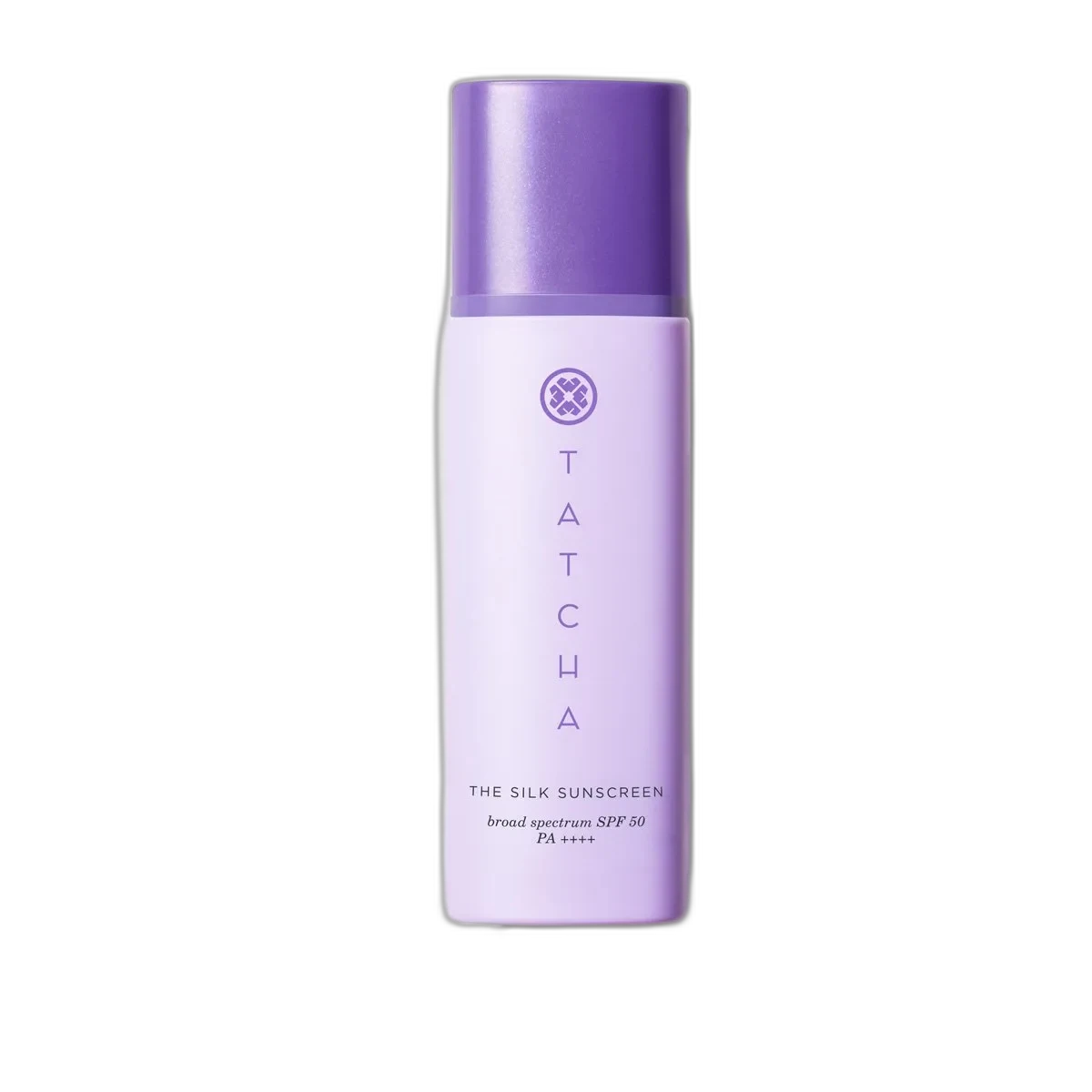
The Silk Sunscreen SPF 50
Luxury Mineral SPF Primer
 Verified reviewer
Pros & cons.
- +Weightless, serum-like texture that redefines what mineral sunscreen can feel like
- +Hydrolyzed silk creates a genuine primer finish that improves makeup application
- +Fragrance-free formula with minimal irritation risk for sensitive and reactive skin
- +Iron oxides provide visible light protection and help neutralize white cast
- +Niacinamide adds evidence-backed DNA repair and brightening benefits beyond SPF
- +Pregnancy-safe and reef-safe with a single mineral UV filter
- +Multi-layered skincare ingredients turn the sunscreen step into genuine treatment
- −At 4 for 50 ml, this is among the most expensive daily sunscreens on the market
- −Can still leave a noticeable white or ashy cast on deeper skin tones
- −Squeeze bottle requires excessive force to dispense the product
- −Dewy luminous finish is not ideal for oily skin types who need matte control
- −Small bottle size runs out quickly with proper daily application
- −Not vegan due to hydrolyzed silk — a dealbreaker for some consumers
The full review.
Most people switch from mineral sunscreen to chemical formulas for a reason. The white cast, thick paste, and mask-like sensation persist because decades of formulation advances only partially solve the zinc oxide image problem. In 2022, Tatcha addressed this by asking if they could make it feel like silk.
This sunscreen delivers. Hydrolyzed silk proteins create a film-forming layer that changes how zinc oxide particles interact with the skin’s surface. Instead of a visible white layer, the formula melts into the skin like a serum. Within sixty seconds, the zinc oxide leaves a luminous, glassy finish. For those used to chalky mineral sunscreens, this feels like liberation.
The formula uses a single UV filter—ten percent zinc oxide—for broad-spectrum UVA and UVB protection. A 2016 study in Photodermatology, Photoimmunology and Photomedicine confirmed that zinc oxide protects through absorption, not the reflection often claimed in marketing. Iron oxides provide a subtle universal tint to minimize white cast and deliver clinically documented protection against visible light and high-energy blue light wavelengths.
A skincare stack elevates this beyond a standard sunscreen. Niacinamide enhances DNA repair and reduces UV-induced immunosuppression; a 2019 review in Experimental Dermatology documented its ability to reduce new non-melanoma skin cancers in high-risk individuals. Squalane provides barrier-reinforcing moisture without greasiness. The Hadasei-3 ferment complex and green tea extract add antioxidant defense, while sodium hyaluronate draws moisture in. This sunscreen treats your preceding cleansing-toning-seruming-moisturizing ritual as a foundation.
The texture justifies Tatcha’s luxury positioning. The formula is weightless—lighter than most mineral sunscreens and most skincare products. It glides on, absorbs without greasiness, and leaves a luminous, primer-like finish that helps foundation sit better. On lighter skin tones, the iron oxide tint manages the white cast well.
The white cast caveat remains. On deeper skin tones, some users report an ashy or ghostly quality despite the iron oxide tint. Cosmetic chemist Esther Olu has documented this limitation. Tatcha has made progress compared to most mineral sunscreens, but the problem is not fully solved for all complexions.
The price is a factor. Sixty-four dollars for fifty milliliters of sunscreen requires generous application and reapplication every two hours during sun exposure. At recommended usage, one bottle lasts two to three months of daily morning application, and less during beach or outdoor days. This is a steep ongoing cost; the mini size at twenty-five dollars for fifteen milliliters offers even worse per-unit value.
The squeeze bottle packaging is functional but frustrating. Multiple reviewers report needing considerable force to dispense the product, a design flaw that contradicts the luxury experience Tatcha cultivates. When paying this premium, small things matter.
Tatcha made this fragrance-free, which is rare for luxury sunscreens that often use scent to mask mineral bases. The formula is PETA cruelty-free, reef-safe, and pregnancy-safe. Note that the hydrolyzed silk makes it non-vegan.
This is one of the most cosmetically elegant mineral sunscreens available. If you prioritize SPF aesthetics, want a sunscreen that functions as a primer, or prefer a luminous finish, Tatcha made something special. The price requires you to value that elegance highly; the trade-off depends on your budget and priorities. The zinc oxide protects your skin regardless—the silk just makes the process enjoyable.
Formula
Ingredient analysis.
Full INCI list
Active Ingredient: Zinc Oxide 10%. Inactive Ingredients: Aqua/Water/Eau, C12-15 Alkyl Benzoate, Caprylic/Capric Triglyceride, Lauryl PEG-8 Dimethicone, Dimethicone, Isododecane, Tridecyl Salicylate, HDI/Trimethylol Hexyllactone Crosspolymer, Propanediol, Caprylyl Methicone, Polymethylsilsesquioxane, Niacinamide, Saccharomyces/Rice Ferment Filtrate, Silica, Squalane, Camellia Sinensis Leaf Extract, Cladosiphon Okamuranus Extract, Hydrolyzed Silk, Bisabolol, Allantoin, Tocopherol, Theobroma Cacao (Cocoa) Seed Extract, Arctium Lappa Root Extract, Kappaphycus Alvarezii Extract, Sodium Hyaluronate, Lecithin, Caesalpinia Spinosa Fruit Extract, Lactobacillus, Maltodextrin, Caprylyl Glycol, Dimethicone Crosspolymer, Hydrogenated Lecithin, Tetrasodium Glutamate Diacetate, PEG-10, Polyglyceryl-2 Dipolyhydroxystearate, Propylene Glycol, Lauryl PEG-10 Tris(Trimethylsiloxy)silylethyl Dimethicone, Polyglyceryl-4 Diisostearate/Polyhydroxystearate/Sebacate, Butylene Glycol, Phosphoric Acid, Sodium Hydroxide, Sodium Chloride, Hexylene Glycol, Ethylhexylglycerin, Phenoxyethanol, Iron Oxides (CI 77491, 77492, 77499)
Skin match.
The science.
The Science
Zinc oxide is the most extensively studied mineral UV filter in dermatology. A 2019 review in Photodermatology, Photoimmunology and Photomedicine by Cole et al. confirmed its broad-spectrum UVA/UVB absorption and safety. A 2016 study by Diffey and Osterwalder in the same journal shows zinc oxide and titanium dioxide protect via UV absorption, not reflection or scattering, which debunks a common sunscreen marketing myth.
Niacinamide is well-supported for sunscreen use. A 2019 review in Experimental Dermatology by Damian examined nicotinamide's photoprotective mechanisms and found it increases cellular energy production after UV exposure, improves DNA repair, and reduces UV-induced immunosuppression. In the ONTRAC clinical trial, oral nicotinamide reduced new non-melanoma skin cancer rates by 23% in high-risk patients. Topical delivery differs from oral supplementation, but the ingredient's photobiological activity works synergistically with the zinc oxide UV shield.
Iron oxides are also important. Research shows mineral UV filters alone do not protect enough against visible light, which penetrates deeper and drives pigment darkening in darker skin tones. The iron oxides in this formula fill this gap, providing protection in the 400-700 nm visible light range. This makes the formula useful for those managing melasma and post-inflammatory hyperpigmentation.
References
- Metal oxide sunscreens protect skin by absorption, not by reflection or scattering — Photodermatology, Photoimmunology & Photomedicine (2016)
- Nicotinamide for photoprotection and skin cancer chemoprevention: A review of efficacy and safety — Experimental Dermatology (2019)
- A review of inorganic UV filters zinc oxide and titanium dioxide — Photodermatology, Photoimmunology & Photomedicine (2019)
Dermatologist Perspective
Board-certified dermatologists recommend mineral sunscreens as the gold standard for sensitive, reactive, and pregnancy-safe protection. The zinc oxide-only formula in this product follows dermatological guidance for broad-spectrum protection with low irritation risk. Dermatologists note that niacinamide is a smart addition because it enhances DNA repair after UV exposure. Dermatologists also recognize the iron oxide tint provides visible light protection, which helps patients with melasma or hyperpigmentation-prone skin. However, dermatologists emphasize that the 50 ml size requires disciplined application to reach the labeled SPF, and reapplication every two hours during direct sun exposure is essential regardless of the formula's elegance.
Where it fits in your routine.
Apply two finger-lengths to your whole face as the last step in your morning skincare routine, after moisturizer. Spread it evenly and wait 1-2 minutes to absorb before applying makeup. Reapply every two hours during extended sun exposure, or immediately after swimming or toweling off. For best results, apply to clean, moisturized skin and cover the face, ears, and neck completely.
At 4 for 50 ml, this costs roughly .28 per ml, placing it in luxury territory compared to /bin/bash.15-0.30 per ml for effective drugstore mineral sunscreens. The 5 for 15 ml mini is less cost-efficient at .67 per ml. The fragrance-free formulation, skincare ingredients, cosmetic elegance, and primer-like finish justify part of the premium. However, sunscreen requires generous, daily application, making the ongoing cost significant. Tatcha has been an established brand since 2009, but the price reflects luxury positioning and silk marketing as much as ingredient innovation.
This works for anyone wanting mineral sunscreen safety without losing cosmetic elegance. It suits daily makeup users who want their SPF to act as a primer, sensitive skin types needing fragrance-free protection, and pregnant individuals seeking a dermatologist-recommended mineral formula.
Skip this if a deeper skin tone causes white cast concerns — test the mini first. Users with very oily skin needing matte control will find the dewy finish too luminous. If you dislike spending 4 on a sunscreen that lasts 2-3 months, excellent mineral alternatives cost much less.
Product details.
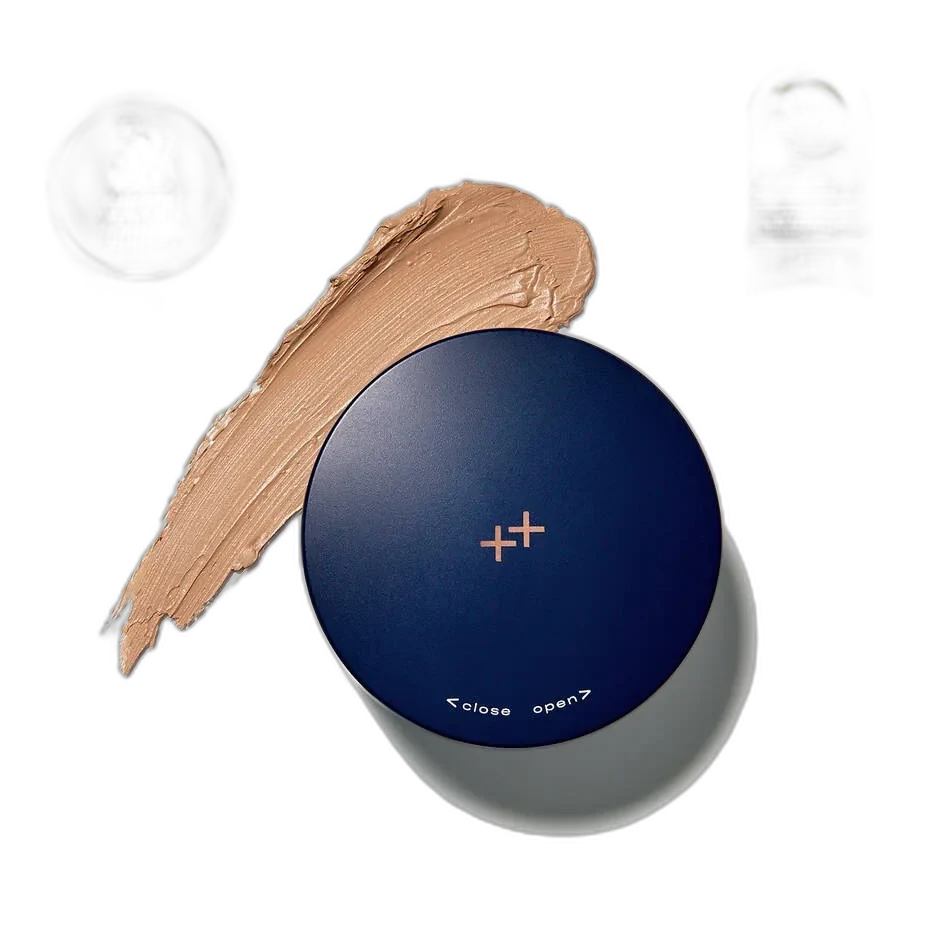
This mineral sunscreen is lightweight and fluid. It glides on with a silky, serum-like consistency despite the zinc oxide base. It absorbs quickly and lacks the thick, pasty feel of most mineral formulas.
Fragrance-free. A faint mineral scent exists during application but disappears within seconds.
Sleek matte-finish squeeze tube uses Tatcha's signature purple and gold design. It comes in full-size (50 ml) and mini (15 ml) sizes. The squeeze bottle looks good but users criticize the difficult dispensing, which often requires firm two-handed pressure.
The weightless texture is striking on first application. The formula spreads easily and absorbs in 30-60 seconds, leaving a luminous, dewy glow. It leaves no white cast on lighter skin tones. The primer-like finish makes skin look smooth and radiant. It causes no stinging, burning, or irritation, even on sensitive skin.
Apply once daily to the face for 2-3 months. Use more often if you reapply during extended sun exposure.
12 months
All Year
The backstory.
Launched in 2022 to address the most common complaint about mineral sunscreens — that they feel heavy, chalky, and leave a white cast. Tatcha leveraged its silk protein expertise to create a formula that maintains the safety profile of zinc oxide while delivering the cosmetic elegance of a luxury primer. The product quickly became one of the brand's bestsellers and has been reformulated with improved packaging since its debut.
About Tatcha
Established Brand (5–20 years)Vicky Tsai founded Tatcha in 2009, inspired by traditional Japanese beauty rituals. Unilever owns the brand now. Tatcha is PETA cruelty-free certified and has Clean at Sephora designation, but this particular product is made in the United States instead of Japan.
Common myths.
Mineral sunscreens work by reflecting UV rays like a mirror
A 2016 study in Photodermatology, Photoimmunology & Photomedicine shows zinc oxide and titanium dioxide protect skin by absorbing UV, not by reflection or scattering. The term physical sunscreen is a misnomer — mineral filters absorb UV photons just like chemical filters.
10% zinc oxide is not enough for adequate sun protection
Standardized testing determines the SPF rating, not just ingredient concentration. This formula provides SPF 50 broad-spectrum protection using 10% zinc oxide, iron oxides, and specific particle size and dispersion technology. The formulation matters as much as the percentage.
FAQ.
Does the Tatcha Silk Sunscreen leave a white cast?
The iron oxide tint neutralizes the 10% zinc oxide white cast on fair to medium skin tones. Some white cast remains visible on deeper skin tones despite the tint. If you have a deeper complexion, test the mini size at 5 before buying the full-size bottle.
Is the Tatcha Silk Sunscreen safe during pregnancy?
Yes — this is a 100% mineral sunscreen. It uses only zinc oxide as the UV filter, the type dermatologists most recommend during pregnancy. It has no chemical UV filters, retinoids, or salicylic acid.
Can I use the Tatcha Silk Sunscreen as a primer?
Yes — the hydrolyzed silk and silicone-based formula creates a smooth, luminous base that works well as a makeup primer. Many users say this is the only sunscreen that improves how their foundation sits. Wait 1-2 minutes for full absorption before applying makeup.
Is 10% zinc oxide enough for SPF 50 protection?
Yes — the SPF rating comes from standardized clinical testing, not just ingredient concentration. This formula uses specific zinc oxide particle size, dispersion technology, and complementary iron oxides to reach SPF 50 broad-spectrum protection. FDA-registered testing confirms the SPF 50 claim.
Is the Tatcha Silk Sunscreen reef-safe?
Yes — it uses only zinc oxide as the UV filter. It contains no oxybenzone or octinoxate, the two ingredients most linked to coral reef damage. Zinc oxide is the most reef-friendly UV filter available.
Why is the Tatcha Silk Sunscreen not vegan?
The formula contains hydrolyzed silk from silkworm cocoons. This animal-derived ingredient gives the product its weightless, primer-like texture. Tatcha is PETA cruelty-free certified (no animal testing), but the silk content makes it non-vegan.
How often should I reapply the Tatcha Silk Sunscreen?
Reapply all sunscreens every two hours during extended sun exposure, or right after swimming, sweating, or towel-drying. One morning application provides adequate protection for most people on indoor/office days with minimal sun exposure.
What the community says.
"Weightless silky texture that feels nothing like a typical mineral sunscreen"
"Beautiful luminous finish that doubles as a makeup primer"
"No white cast on fair to medium skin tones thanks to iron oxide tint"
"Fragrance-free formula suitable for sensitive and reactive skin"
"Hydrating enough to replace moisturizer for normal skin on lighter days"
"Pregnancy-safe mineral-only formula with genuine skincare benefits"
"At 4 for 50 ml, the price is steep and the bottle runs out quickly"
"Squeeze bottle packaging is difficult to dispense from"
"Can leave a noticeable white cast on deeper skin tones despite the tint"
"Dewy luminous finish may be too glowy for those who prefer matte"
"Only 10% zinc oxide — some users question the protection level"
"Not vegan due to hydrolyzed silk content"
People also looked at.