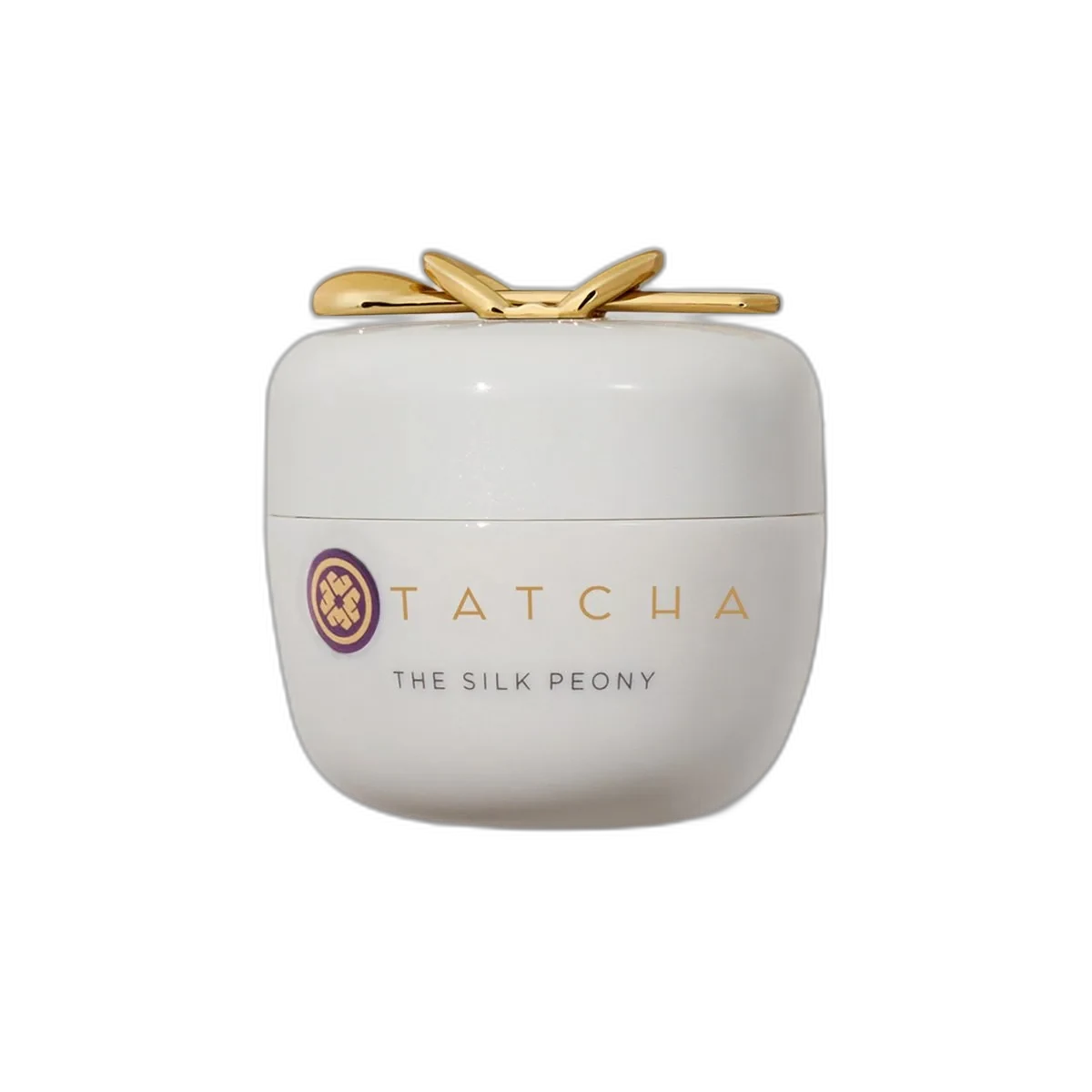
The Silk Peony Melting Eye Cream
Luxury Silk-Melt Eye Treatment
 Verified reviewer
Pros & cons.
- +Genuinely unique melting texture that transforms from balm to silk on contact
- +Dual silk proteins deliver immediate visible smoothing of fine lines
- +Exceptional primer-like base that prevents concealer from creasing or settling
- +Hadasei-3 ferment filtrate as the first ingredient shows formula intentionality
- +Sericin has clinical backing for sustained moisture retention and TEWL reduction
- +Multi-layered hydration system with squalane, hyaluronic acid, and glycerin
- +Peony extract contributes evidence-backed brightening via tyrosinase inhibition
- −At 9 for 0.5 oz, the price is steep for an eye cream without retinoids or peptides
- −Contains fragrance and fragrance allergens in a product for the delicate eye area
- −Anti-aging benefits are primarily hydration-based with limited collagen-stimulating actives
- −Jar packaging allows air exposure that degrades antioxidant ingredients over time
- −Not vegan due to beeswax and silk-derived ingredients
- −Can feel too rich and transfer to eyelashes in warm or humid conditions
The full review.
Texture
The texture story is the product’s strongest selling point, and it genuinely delivers. The phase-change formulation — achieved through a careful balance of beeswax, fatty alcohols, and silica — creates something that exists in its own textural category. It is neither the thick balms that sit on the surface nor the watery gels that absorb and disappear. The melt is the experience, and it deposits a thin film of hydrolyzed silk and sericin that immediately smooths and softens the look of fine lines. Beneath concealer, this is exceptional. The silk proteins create a primer-like canvas that prevents creasing, settling, and that telltale crepey look that foundation can emphasize around the eyes.
Scent
The fragrance inclusion is the other notable limitation. Parfum plus citral, limonene, and linalool in a product designed for the thinnest, most reactive skin on the face is a choice that prioritizes experience over sensitivity. Tatcha states it is less than one percent and the product is ophthalmologist-tested, which is reassuring, but anyone with periorbital eczema or fragrance sensitivity should proceed with caution.
Packaging
The jar packaging looks beautiful but is functionally suboptimal. Air exposure with every opening accelerates the degradation of the antioxidant ingredients, and the included spatula — while a nice touch — is one more step between you and your evening. A tube or airless pump would preserve the formula better.
Best for
What the Silk Peony does exceptionally well is turn a mundane step into something you look forward to. The melt, the smoothness, the way concealer glides on afterward — these are real, tangible pleasures. It hydrates beautifully, it sits under makeup flawlessly, and the silk proteins deliver a visible soft-focus effect that lasts through the day. Whether that experience and those results are worth sixty-nine dollars depends entirely on how you value the ritual of skincare versus the raw efficacy of what you are putting on your face.
Ingredient analysis.
Full INCI list
Saccharomyces/Camellia Sinensis Leaf/Cladosiphon Okamuranus/Rice Ferment Filtrate, Aqua/Water/Eau, Glycerin, Squalane, Propanediol, Dimethicone, Behenyl Alcohol, Myristyl Myristate, Glyceryl Stearate SE, Beeswax, Paeonia Albiflora Flower Extract, Hydrolyzed Silk, Sericin, Geranium Robertianum Extract, Chondrus Crispus Extract, Yeast Ferment Extract, Sargassum Vulgare Extract, Sodium Hyaluronate, Inositol, Isostearic Acid, Sodium Stearoyl Glutamate, Silica, Sodium Polyacrylate Starch, Stearyl Alcohol, Caprylic/Capric/Myristic/Stearic Triglyceride, Tocopheryl Acetate, Disodium EDTA, Sodium Acrylate/Acryloyldimethyltaurate/Dimethylacrylamide Crosspolymer, Caprylyl Glycol, Butylene Glycol, Ethylhexylglycerin, Parfum/Fragrance, Phenoxyethanol, Mica (CI 77019), Titanium Dioxide (CI 77891), Tin Oxide (CI 77861)
Skin match.
The science.
The Science
This formula's silk protein system uses research on sericin's dermatological applications. A 2005 study in the Journal of Cosmetic Dermatology by Padamwar et al. tested sericin's moisturizing effects in vivo. It found significant reductions in transepidermal water loss and restored skin amino acids, showing sericin does more than act as a cosmetic film-former. The protein's amino acid profile matches the skin's natural moisturizing factors (NMFs), explaining its compatibility and efficacy in barrier-compromised areas like the eye contour.
Peony extract has its own evidence. Research in the International Journal of Cosmetic Science in 2016 by Qiu et al. first showed paeoniflorin's depigmenting potential, with a 23-30% reduction in melanin content in reconstructed human epidermis models. A 2023 study in Heliyon confirmed peony flower extracts inhibit tyrosinase, cyclooxygenase-2, and collagenase, with antioxidant potency higher than the standard control Trolox.
Squalane is one of the most well-documented emollients in dermatological literature. A review in Molecules confirmed its antioxidant, emollient, and barrier-reinforcing properties and excellent biocompatibility. In this formula, squalane acts as the primary lipid layer that locks in moisture from sodium hyaluronate and glycerin, providing sustained hydration instead of a fleeting surface moisture boost.
References
- Silk sericin as a moisturizer: an in vivo study — Journal of Cosmetic Dermatology (2005)
- The skin-depigmenting potential of Paeonia lactiflora root extract and paeoniflorin — International Journal of Cosmetic Science (2016)
- Skin health properties of Paeonia lactiflora flower extracts and tyrosinase inhibitors — Heliyon (2023)
Dermatologist Perspective
Board-certified dermatologists recommend dedicated hydration for the eye area because it has a thinner stratum corneum and lower sebaceous gland density. The silk protein and squalane combination in this formula follows dermatological guidance for gentle, occlusive hydration around the eyes. Ophthalmologist testing adds assurance for periorbital use. However, dermatologists note that the lack of retinoids, peptides, or stable vitamin C limits the anti-aging profile to hydration and temporary optical smoothing. For patients wanting measurable improvement in wrinkle depth or dark circles, dermatologists typically recommend eye creams with retinol or caffeine alongside this type of hydrating formula.
Where it fits in your routine.
Scoop a rice-grain sized amount for each eye using the included spatula. Warm the product between your ring fingers to melt it. Pat gently from the inner corner outward along the orbital bone, but avoid the lash line. Apply morning and evening after serums and before moisturizer. Wait 1-2 minutes for absorption before applying concealer or sunscreen for the best makeup results.
At 9 for 15 ml, this eye cream costs about .60 per ml, while effective drugstore alternatives cost -2 per ml. A 9 for 5 ml travel size exists, but the per-ml cost is higher. Tatcha has used Japanese manufacturing and ophthalmologist testing since its 2009 launch. The formula uses quality ingredients and has a texture different from lower-priced options. However, the active profile focuses on hydration and smoothing, lacking the retinoids or peptides in comparably priced competitors. You pay for the experience and the silk-melt ritual.
This works for dry or normal skin needing an eye cream that also acts as a concealer primer. It addresses dehydration lines, dull under-eyes, and concealer that creases by noon. The texture suits those who value their skincare ritual.
Skip this if you want aggressive anti-aging actives like retinol or peptides for established wrinkles. People with oily skin, fragrance sensitivities, or fungal acne should avoid it. If $9 for a primarily hydrating eye cream is too much, cheaper alternatives exist.
Product details.
Light, delicate floral fragrance that fades fast. It contains less than 1% synthetic fragrance with citrus-floral notes from limonene, linalool, and citral components.
Frosted glass jar with a weighted gold-toned metal lid and included spatula for hygienic application. Minimalist Japanese-inspired design in Tatcha's signature purple and gold. Elegant but jar format is not ideal for product stability or portability.
The solid cream liquefies into a liquid as you pat it onto the skin. Silk proteins and mica provide instant smoothing and brightening. Most users experience no stinging or irritation. The eye area feels plumped and hydrated within minutes.
3-4 months with twice-daily use, applying a rice-grain amount to each eye
12 months
All Year
The backstory.
Launched in 2019 as part of Tatcha's Silk line, this eye cream was inspired by the luminous, poreless appearance of silk itself. Tatcha sourced Japanese white peony — a flower revered in Japanese culture for beauty and grace — as the signature botanical. The melting texture was engineered to mimic the sensation of silk dissolving against skin, turning the twice-daily eye cream step into a sensory ritual.
About Tatcha
Established Brand (5–20 years)Vicky Tsai founded Tatcha in 2009, using traditional Japanese beauty rituals. Unilever acquired the brand. Tatcha manufactures in Japan and is ophthalmologist- and dermatologist-tested, but its independent clinical research base is smaller than legacy derm-developed brands.
Common myths.
Eye creams are just expensive moisturizers in smaller jars
This formula targets the thinner, more delicate eye area. Silk proteins form a smoothing film for fine lines instead of deep wrinkles, and the fragrance concentration stays under 1% for eye-area compatibility. However, the active ingredient profile is modest for the price.
Silk ingredients provide only cosmetic effects and offer no actual skin benefits
Sericin has clinical backing. A 2005 study in the Journal of Cosmetic Dermatology shows it increases in vivo moisture, reduces TEWL, and restores skin amino acids. The protein's amino acid profile matches human skin's natural moisturizing factors.
FAQ.
Does the Tatcha Silk Peony Eye Cream help with dark circles?
Peony extract inhibits tyrosinase to reduce hyperpigmentation-related dark circles over time. Mica and tin oxide provide immediate, subtle luminosity to optically brighten the under-eye area. However, dark circles from thin skin or vascular issues show limited improvement.
Can I wear concealer over the Tatcha Silk Peony Eye Cream?
Yes — this is a strength. The silk proteins create a smooth, primed surface. This helps concealer glide on evenly without creasing or settling into fine lines. Wait 1-2 minutes for the eye cream to absorb before applying concealer for the best results.
Is the Tatcha Silk Peony Eye Cream worth the price?
At 9 for 0.5 oz, value depends on your priorities. The melting texture is unique, the hydration is excellent, and the silk proteins smooth visible lines. However, the anti-aging actives are modest — there are no retinoids, peptides, or vitamin C. For aggressive anti-aging, your money goes further elsewhere.
Why does this eye cream melt when I apply it?
Beeswax, fatty alcohols, and silica create a phase-change texture through a specific formulation technique. The solid balm turns to liquid at skin temperature (around 98.6°F) to release active ingredients. This is a cosmetic engineering choice, not a chemical reaction.
Is the Tatcha Silk Peony Eye Cream vegan?
No. This product uses beeswax (Cera Alba) and silk-derived ingredients (Hydrolyzed Silk and Sericin), which come from animals. It is PETA cruelty-free certified and not tested on animals, but it is not vegan.
Can I use this eye cream if I have sensitive skin?
Ophthalmologists tested the formula, but it contains fragrance and EU-regulated fragrance allergens (citral, limonene, linalool). If your eye area is sensitive or reactive, patch test on your inner wrist. Watch for redness or irritation before applying near the eyes.
How is the Hadasei-3 complex different from regular fermented ingredients?
Hadasei-3 is Tatcha's proprietary blend of three fermented Japanese botanicals: green tea, rice, and Okinawa mozuku algae. Tatcha ferments these as one complex instead of separate ingredients. This combined fermentation process produces a broader spectrum of amino acids and antioxidants than individual ferments, though Tatcha has not published independent clinical data on the specific complex.
Community
What the community says.
"Unique melting texture feels luxurious and silky during application"
"Deeply hydrating without feeling heavy or greasy under the eyes"
"Creates a smooth, primed canvas for concealer and under-eye makeup"
"Visible reduction in morning puffiness and dehydration lines"
"Elegant packaging with spatula maintains hygienic application"
"Subtle luminous finish brightens the eye area immediately"
"At 9 for 0.5 oz, this is among the most expensive eye creams on the market"
"Anti-aging benefits beyond hydration and temporary line-smoothing are minimal"
"Contains fragrance and fragrance allergens in a product meant for the eye area"
"Jar packaging exposes the formula to air and bacteria with each use"
"Can feel too rich for oily skin types especially in warm weather"
"Some users report product transfers to eyelashes and weighs them down"
People also looked at.