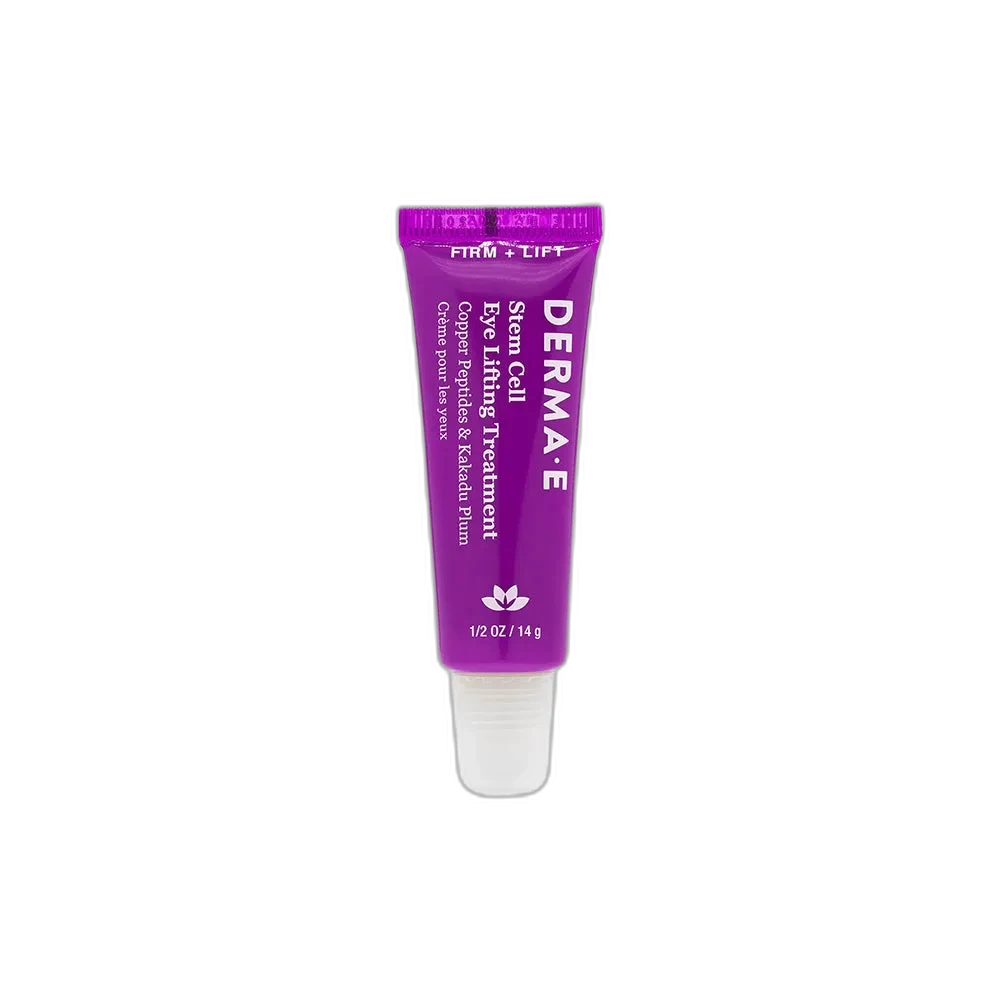
Firming DMAE Eye Lift Cream
Budget Holy Grail
 Verified reviewer
Pros & cons.
- +Unusually dense ingredient list for the price — DMAE, peptides, niacinamide, caffeine, alpha-lipoic acid
- +Niacinamide in third INCI position is therapeutic-range concentration
- +Dual peptide approach combines Matrixyl Synthe'6 and Argireline
- +Immediate firming and depuffing effect from DMAE and caffeine
- +Fragrance-free, vegan, and cruelty-free formulation
- +Excellent value at roughly $4.50 per month of twice-daily use
- +Lightweight texture layers cleanly under concealer and sunscreen
- −0.5 oz tube is small compared to competing eye creams
- −DMAE long-term safety has been debated in dermatology circles
- −Firming effect is visually temporary rather than structural
- −Contains witch hazel which can be mildly irritating for very sensitive skin
- −Dated packaging doesn't signal premium positioning
The full review.
Most twenty-dollar eye creams are simple: caffeine for puffiness, hyaluronic acid for hydration, and a vague ‘peptide complex’ at the end of the list. Most budget products prioritize price over efficacy. Derma E’s Firming DMAE Eye Lift Cream ignores this trend. The ingredient list contains DMAE, niacinamide at the third position, Palmitoyl Tripeptide-38 (Matrixyl Synthe’6), Acetyl Hexapeptide-8 (Argireline), caffeine, and alpha-lipoic acid. This formulation resembles a $70 dermatologist-developed eye cream more than a health food store product. It is one of the densest budget-tier skincare products on the market.
About BrandName
DMAE is the headline ingredient and the basis for the branding, but it is not the most interesting part of the formula. DMAE provides documented short-term tightening when applied topically—a mild, visible firming that appears within fifteen to thirty minutes and fades over several hours. Research suggests a membrane-stabilizing effect on skin cells that produces temporary visual improvement without long-term structural change. This works well in a morning eye cream for a rested look before meetings; it is a top ‘instant lift’ ingredient in cosmetic chemistry. However, the peptides and niacinamide do more of the sustained work.
Niacinamide sits in the third position on the ingredient list. This suggests a concentration around 3-5%, the therapeutic range where studies show improvements in skin barrier function, pigmentation, and yellowness reduction. For under-eye dark circles with a pigmentation component—which describes most cases—this concentration of niacinamide does more useful work than almost any other single ingredient. It is unusual to see it this prominent in a budget eye cream.
The peptide selection is also notable. Palmitoyl Tripeptide-38, sold as Matrixyl Synthe’6, is a well-studied signaling peptide with evidence for stimulating collagen, laminin, and hyaluronic acid production in the dermis. Pairing it with Acetyl Hexapeptide-8 (Argireline)—which has evidence for mild expression-line relaxation—targets two distinct peptide mechanisms. Neither replicates an injectable, but the combination uses the same multi-mechanism approach found in expensive peptide eye creams from Paula’s Choice, Medik8, or Drunk Elephant.
The formula includes caffeine for vasoconstriction and puffiness, alpha-lipoic acid for dual-phase antioxidant activity, ascorbyl palmitate as a gentle vitamin C derivative, sodium hyaluronate for hydration, panthenol for barrier support, and goji fruit extract. This is a complete under-eye treatment. The ingredients are not filler; each performs a specific function for anti-aging and depuffing.
Texture
The cream is lightweight and absorbs quickly without residue. The texture is closer to a modern silicone-free eye serum than waxy, heavy creams. A pea-sized amount covers both eyes without greasiness, and the cream layers cleanly under concealer and sunscreen. Most users see immediate tightening from the DMAE and subtle depuffing from the caffeine within fifteen minutes. This is useful for pre-makeup prep. The cumulative benefits from the peptides and niacinamide take longer: users typically notice improvements in fine lines and tone after six to eight weeks of twice-daily use. Consistency is vital. Patient users report genuine improvements, while impatient users call it ‘just okay.‘
Common Complaints
The DMAE controversy is the main concern. Some dermatology-adjacent voices have raised concerns about DMAE based on animal studies suggesting theoretical cellular effects at high concentrations. These concerns have not led to regulatory action—DMAE is legal in cosmetic products in the EU, US, and most other markets—but the conversation exists. Users avoiding contested ingredients may prefer a different eye cream. For most, the real-world safety record of DMAE at cosmetic concentrations is reassuring.
Value
The cream excels in value. At around $22 for a 0.5 oz tube, it lasts four to five months with twice-daily use, costing about $4.50 per month. Compared to Drunk Elephant Shaba Complex at $64, SkinCeuticals AOX Eye Gel at $115, or luxury eye creams at $100-200, this delivers comparable or better ingredient density at a tenth of the price. Compared to budget drugstore brands, the ingredient list is more sophisticated than CeraVe, Olay, or Neutrogena equivalents, which rely on one or two actives rather than a multi-mechanism formula.
Best for
This is a highly defensible budget eye cream purchase. The ingredient list beats most products costing three times as much. The formulation is fragrance-free and compatible with sensitive skin. The dual short-term and long-term benefit profile provides immediate visual improvement and gradual structural changes. The 0.5 oz size is the main logistical issue, as tubes disappear quickly, but the value makes buying two tubes at once reasonable. It belongs at the top of the list for anyone seeking a serious multi-active eye cream without luxury prices.
Ingredient analysis.
Full INCI list
Purified Water, Caprylic/Capric Triglyceride, Niacinamide, Coco-Caprylate, Stearyl Alcohol, Glycerin, Propanediol, Lycium Barbarum (Goji) Fruit Extract, Glyceryl Stearate, Hamamelis Virginiana (Witch Hazel) Extract, Diheptyl Succinate, Capryloyl Glycerin/Sebacic Acid Copolymer, Copernicia Cerifera (Carnauba) Wax, Dimethyl MEA (DMAE), Hydroxypropyl Cyclodextrin, Palmitoyl Tripeptide-38, Acetyl Hexapeptide-8, Sodium Hyaluronate, Thioctic (Alpha-Lipoic) Acid, Panthenol, Ascorbyl Palmitate, Organic Simmondsia Chinensis (Jojoba) Seed Oil, Caffeine, Allantoin, Xanthan Gum, Glyceryl Stearate Citrate, Phenoxyethanol, Ethylhexylglycerin
Skin match.
The science.
The Science
The clinical case for this cream is built on several well-studied actives. Niacinamide has one of the strongest evidence bases in topical skincare, with published work from Procter and Gamble, independent labs, and dermatology journals documenting its effects on barrier function, pigmentation, yellowness, and skin elasticity at 2-5% concentrations. For under-eye application specifically, a 2005 study published in Dermatologic Surgery showed topical niacinamide reduced the appearance of hyperpigmentation over 8 weeks — directly relevant to the dark circle claim.
Palmitoyl Tripeptide-38 (Matrixyl Synthe'6) has been validated in cosmetic chemistry research for stimulating dermal collagen and glycosaminoglycan production. In vivo and in vitro studies have shown measurable increases in laminin V, fibrillin-1, and hyaluronic acid synthesis at concentrations typically used in finished products. The evidence is strong enough that Matrixyl Synthe'6 is a standard peptide in dermatology-developed products.
Acetyl Hexapeptide-8 (Argireline) has a smaller but published evidence base. A 2002 study introduced it as an inhibitor of SNARE protein complex formation at neuromuscular junctions, with the theoretical effect of reducing expression lines. Subsequent studies have shown modest effects on wrinkle depth over 4-8 weeks of twice-daily use. The magnitude is nowhere near injectable botulinum toxin — the 'topical Botox' marketing is overblown — but the ingredient does have real supporting data at cosmetic concentrations.
DMAE's evidence base is more contested. A 2002 study in the Journal of Cosmetic Dermatology showed topical 3% DMAE produced visible firming of the jawline and under-eye area over 16 weeks. Subsequent concerns from animal studies raised theoretical long-term cellular safety questions, but these haven't been substantiated in human epidemiological data and DMAE remains legally approved in all major cosmetic markets. The practical read is that short-term benefits are documented and real, while long-term structural claims are less certain.
Caffeine's vasoconstrictor effect on periorbital skin is well-established and explains the immediate depuffing most users notice. Alpha-lipoic acid has antioxidant evidence in both water-soluble and lipid-soluble phases, supporting its role in this formula's protection against oxidative aging.
Dermatologist Perspective
Dermatologists assessing budget eye creams with multi-active formulations generally take a straightforward view: if the ingredient list contains well-studied actives at reasonable concentrations, the product is worth considering regardless of price. Board-certified dermatologists note that niacinamide at therapeutic doses, Matrixyl Synthe'6, and caffeine are all defensible inclusions in an under-eye product, and the combination in this cream is better than many dermatologist-developed eye creams at three times the cost. The DMAE question is one that divides dermatology opinion — some practitioners are enthusiastic about the ingredient for its visible firming effect, others are cautious about long-term use. For most patients seeking an affordable, well-rounded eye cream, this product is commonly cited as a value pick and a reasonable alternative to higher-priced peptide eye creams.
Where it fits in your routine.
Apply morning and night after cleansing. Put a small amount on your ring finger (the weakest finger, to minimize pressure) and pat it around the orbital bone, not directly on the lash line. Work from the outer corner inward to cover both under-eye and upper eyelid areas. Wait 30 seconds for the cream to absorb, then apply your regular face moisturizer and sunscreen in the morning. It layers well under makeup and works as a base for concealer. At night, use it before your face moisturizer. You can use it with retinol applied to other parts of the face, but avoid retinol in the immediate eye area at the same time.
At around $22 for a 0.5 oz tube, this eye cream lasts four to five months with twice-daily use, putting monthly cost at roughly $4.50 — one of the best price-per-month ratios in any category with this ingredient sophistication. Compared to multi-active eye creams from Drunk Elephant ($64), SkinCeuticals ($115), or Paula's Choice ($30-40), Derma E is delivering comparable or better ingredient density at a fraction of the cost. The small tube size is worth noting — you'll cycle through them faster than a larger jar — but even accounting for repurchase frequency, the annual cost stays under $60, which is unreasonable value for a peptide-and-niacinamide eye cream. The brand isn't charging a premium for packaging or marketing, and the savings are passed to the buyer.
Budget-conscious buyers want a sophisticated multi-active eye cream without paying $50+ per tube. This works for anyone using niacinamide and peptides on the eye area, users with dark circles and mild puffiness, and people frustrated by underperforming drugstore eye creams.
Skip this if you oppose DMAE because of long-term safety debates, or if you prefer larger eye creams and dislike frequent tube replacements. Also skip if a well-tolerated dedicated retinol eye treatment works for you and you do not need an extra peptide layer.
Product details.
Lightweight cream that absorbs quickly without residue
Unscented
Small tube with pointed applicator — travel-friendly
The cream feels lightweight and absorbs in about 30 seconds. DMAE and caffeine provide a tightened, firmer feeling within minutes for most users. It has no tingling or scent. Makeup layers cleanly on top. Cumulative benefits show after several weeks.
4-5 months with twice-daily use around both eyes
12 months
All Year
The backstory.
Derma E reformulated its DMAE eye cream line in the mid-2010s to expand the peptide content beyond the original DMAE-only version. The current formulation adds Matrixyl Synthe'6, Argireline, niacinamide, and alpha-lipoic acid to the original DMAE base — essentially rebuilding it as a more sophisticated multi-mechanism eye treatment while keeping the price in budget territory.
About Derma E
Legacy Brand (20+ years)Derma E has been a natural-skincare brand since 1984. This eye cream combines budget-tier pricing with well-studied actives: DMAE, niacinamide, and two validated peptides (Matrixyl Synthe'6 and Argireline). The ingredient list is ambitious for this price point.
Common myths.
DMAE is dangerous and has been banned in Europe
DMAE is not banned in Europe; the EU legally sells it in cosmetic products. Some animal studies raised theoretical concerns about long-term cellular effects, but topical DMAE in finished cosmetic products has a strong safety record. Most dermatologists consider it safe for short-to-medium-term use.
Argireline is topical Botox
It's not. Argireline is a peptide with documented but modest effects on expression-line relaxation — nowhere near the magnitude of actual Botox injections. The marketing comparison oversells it, but the ingredient does have real published evidence for mild visual improvement.
FAQ.
What does DMAE actually do in an eye cream?
DMAE is a compound that creates a temporary visible firming effect. Researchers believe it works by subtly stabilizing skin cell membranes. This short-term effect is well-documented; mild tightening shows within 15-30 minutes of application. Long-term benefits are less clear, so DMAE acts as a visual-effect ingredient rather than a structural anti-aging one.
Is DMAE safe for the eye area?
DMAE has a long safety record at cosmetic concentrations in finished products. It is approved in all major cosmetic markets, including the EU. Do not apply DMAE directly to the lash line or inside the eye. For under-eye and upper orbital use, DMAE is safe for most skin types.
Will this actually replace a more expensive eye cream?
It depends on your goals. If you want immediate firming, temporary depuffing, and a low-priced multi-peptide anti-aging base, this cream competes with much more expensive options. It does not match retinoid-level wrinkle reduction or brand-specific luxury formulations.
Can I use it with retinol?
Yes — use retinol on your face; use this cream as a peptide-and-DMAE substitute on your eye area. The two products do not conflict. Some users find a gentler peptide cream around the eyes buffers the effects of retinol on adjacent facial skin.
Is it pregnancy-safe?
Yes — the formula lacks retinoids, salicylic acid, or other pregnancy-flagged actives. DMAE, peptides, niacinamide, and caffeine are safe during pregnancy at cosmetic concentrations.
Why is it so affordable compared to other eye creams with these ingredients?
Derma E has always positioned itself as a natural skincare brand selling through health food stores and online retailers rather than department store counters. Their pricing reflects lower marketing spend and distribution costs, not inferior formulation. The ingredient list speaks for itself.
Community
What the community says.
"immediate firming effect"
"depuffs under eyes"
"layers well under makeup"
"fragrance-free formulation"
"small tube"
"DMAE long-term safety is contested"
"firming effect is temporary"
Featured in.
People also looked at.