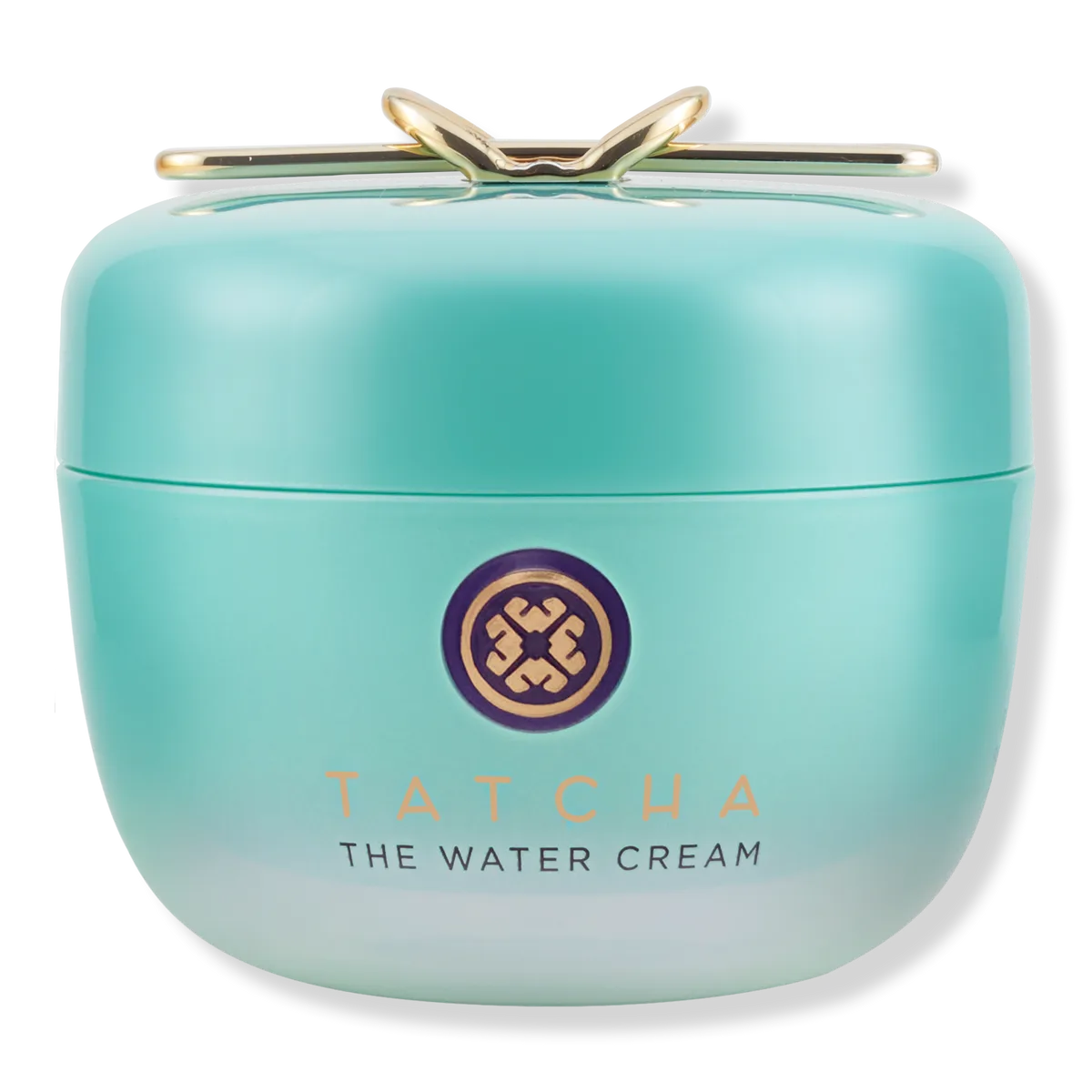
Pore Perfecting Sunscreen SPF 35
Luxury Pore-Blurring SPF
 Verified reviewer
Pros & cons.
- +Best-in-class pore-blurring, matte finish that rivals dedicated makeup primers
- +Hybrid zinc oxide + octisalate formula achieves SPF 35 without heavy white cast
- +Iron oxides provide additional visible light protection beyond standard UV blocking
- +Japanese botanicals (wild rose, licorice, mastic gum) add genuine skincare benefits
- +Generous 2 oz tube size lasts 2-3 months — reasonable for a prestige sunscreen
- +Made in Japan at the Tatcha Institute with quality Japanese formulation standards
- −Luxury price of $72 for SPF 35 — competitors offer SPF 50 at lower price points
- −Contains fragrance and alcohol — unnecessary additions for a daily facial sunscreen
- −Not 100% mineral — the octisalate chemical filter may concern some consumers
- −Not cruelty-free at the parent company level (Unilever ownership)
- −Matte finish may be too drying for very dry skin types
- −SPF 35 is lower than the SPF 50 increasingly expected at this price tier
The full review.
There is a design problem at the heart of the sunscreen industry that most brands have been content to ignore. The primary goal of a sunscreen is to protect skin from UV damage. But the primary barrier to sunscreen use is not ignorance about UV damage — it is that sunscreens look and feel terrible on the skin. They are white, greasy, pill under makeup, and undo the pore-minimizing, skin-smoothing work of every product applied before them. Tatcha’s Silken Pore Perfecting Sunscreen was designed to solve this problem by working backward from the finish: what if the sunscreen made your skin look better than it did before you applied it?
The formula achieves this through a silicone architecture that functions identically to a high-end pore-filling primer. Dimethicone/vinyl dimethicone crosspolymer creates the elastomeric network that fills pores without clogging them. Polymethylsilsesquioxane adds a soft-focus, light-diffusing effect that blurs imperfections. Trimethylsiloxysilicate provides a film-forming, matte finish that controls shine without looking flat or powdery. These silicones envelop the UV filters — 15% zinc oxide and 5% octisalate — in a matrix that deposits them evenly on the skin surface while creating the cosmetic finish underneath.
The hybrid mineral-chemical approach is strategically chosen. A pure mineral sunscreen at SPF 35 would require a higher zinc oxide concentration — likely 20% or more — which would make the formula thicker, whiter, and harder to blend. By adding 5% octisalate (a well-tolerated chemical UVB filter), Tatcha keeps the zinc oxide at a manageable 15% while maintaining the SPF target. The trade-off is that this is not a 100% mineral sunscreen, which matters for consumers who specifically want mineral-only protection.
The Japanese botanical story in this formula is more than marketing ornamentation. Japanese wild rose (Rosa multiflora) fruit extract has documented astringent properties that contribute to the pore-tightening effect. Loquat leaf (Eriobotrya japonica) extract is rich in antioxidants including triterpenic acids and flavonoids. Mastic gum from Pistacia lentiscus has antimicrobial and film-forming properties. And dual-form licorice root — stearyl glycyrrhetinate for anti-inflammatory action and glycyrrhiza inflata for brightening — adds genuine skincare functionality. These are not garnish ingredients; they support the product’s claim to be more than just UV protection.
Texture is where this sunscreen earns its reputation and its price tag. It goes on like silk — a light, slightly tinted cream that smooths over the skin and immediately blurs pores, fills fine lines, and creates a matte, velvety canvas. Within 30 seconds, the finish sets, and makeup applied on top adheres more evenly and lasts longer than it would on bare skin or on most dedicated primers. For oily and combination skin types especially, the mattifying effect is pronounced and sustained — many users report their T-zone stays matte for four to six hours without blotting.
The tint comes from iron oxides and mica, providing a light color correction that works on most light-to-medium skin tones without being noticeable as a tinted product. The iron oxides also contribute visible light protection — the same benefit found in Supergoop’s CC Screen — adding a photoprotective layer that untinted sunscreens lack. On deeper skin tones, the tint may require more blending to avoid ashiness, though this is less problematic than most mineral-containing sunscreens.
At $72 for 2 ounces, the Silken Pore Perfecting Sunscreen is priced as a luxury product — which it is. The 2-ounce tube is generous by prestige sunscreen standards, lasting approximately two to three months with daily use, but the per-ounce cost is still substantially higher than effective drugstore and mid-range sunscreens. SPF 35 is adequate for daily protection but lower than the SPF 50 increasingly common in this price range. The fragrance and alcohol in the formula, while subtle, are unnecessary additions that may irritate sensitive skin.
Tatcha has also not resolved the cruelty-free question. The brand itself does not test on animals, but its parent company Unilever allows testing for some of its other brands — a distinction that matters to many consumers who evaluate cruelty-free status at the corporate level.
Despite these reservations, the Silken Pore Perfecting Sunscreen remains one of the most pleasant daily sunscreens available. It solved the fundamental compliance problem by making UV protection feel like a beauty upgrade. If you can afford the luxury tax and your skin tolerates fragrance, it delivers a daily SPF experience that you might actually look forward to.
Formula
 ### Texture

 Texture is where this sunscreen earns its reputation and its price tag. It goes on like silk — a light, slightly tinted cream that smooths over the skin and immediately blurs pores, fills fine lines, and creates a matte, velvety canvas. Within 30 seconds, the finish sets, and makeup applied on top adheres more evenly and lasts longer than it would on bare skin or on most dedicated primers. For oily and combination skin types especially, the mattifying effect is pronounced and sustained — many users report their T-zone stays matte for four to six hours without blotting.

 ### Scent

 The fragrance and alcohol in the formula, while subtle, are unnecessary additions that may irritate sensitive skin.

 ### Best for

If you can afford the luxury tax and your skin tolerates fragrance, it delivers a daily SPF experience that you might actually look forward to.Ingredient analysis.
Full INCI list
Active Ingredients: Zinc Oxide 15%, Octisalate 5%. Inactive Ingredients: Water, Isododecane, Cyclopentasiloxane, Propanediol, HDI/Trimethylol Hexyllactone Crosspolymer, Glycerin, Dimethicone, Octyldodecyl Neopentanoate, Behenyl Alcohol, Dimethicone/Vinyl Dimethicone Crosspolymer, Rosa Multiflora Fruit Extract, Eriobotrya Japonica Leaf Extract, Stearyl Glycyrrhetinate, Glycyrrhiza Inflata Root Extract, Camellia Sinensis Leaf Extract, Pistacia Lentiscus (Mastic) Gum, Sericin, Algae Extract, Lecithin, Inositol, Polyhydroxystearic Acid, Sorbitan Tristearate, Sodium Dilauramidoglutamide Lysine, Silica, Potassium Sorbate, Beheneth-20, Sodium Acrylate/Acryloyldimethyltaurate/Dimethylacrylamide Crosspolymer, Polymethylsilsesquioxane, Methicone, Trimethylsiloxysilicate, Dimethiconol, Disodium EDTA, Fragrance, Ethylhexylglycerin, Alcohol, Phenoxyethanol, Iron Oxides (CI 77491), Tin Oxide (CI 77861), Mica (CI 77019), Titanium Dioxide (CI 77891)
Skin match.
The science.
The Science
The hybrid UV filter system uses zinc oxide (15%) for broad-spectrum UVA/UVB protection and octisalate (5%, also known as ethylhexyl salicylate) for extra UVB coverage. Zinc oxide is the most photostable mineral UV filter; it protects across UVA1 (340-400nm), UVA2 (320-340nm), and UVB (280-320nm) ranges. Octisalate has a narrower absorption spectrum focused on UVB (290-320nm), but its inclusion lets the formulation reach SPF 35 with less zinc oxide than a pure mineral formula needs — improving cosmetic elegance.
The iron oxides in this formula have a dual cosmetic-protective function. Besides providing the subtle tint, iron oxides absorb visible light wavelengths (400-700nm) that zinc oxide does not block effectively. Research in the Journal of the American Academy of Dermatology shows that visible light induces hyperpigmentation, especially in Fitzpatrick skin types IV-VI. Tinted sunscreens with iron oxides provide more complete photoprotection than untinted versions.
The silicone film-forming system in this formula matters for photoprotection. Trimethylsiloxysilicate and dimethicone/vinyl dimethicone crosspolymer create a cohesive, uniform film that keeps UV filters evenly distributed on the skin surface. Uneven filter distribution limits sunscreen efficacy — areas with thin or absent filter application get minimal protection. The primer-like film in this formula ensures consistent coverage.
Glabridin, an isoflavonoid in Glycyrrhiza inflata root extract, inhibits tyrosinase and suppresses melanogenesis in studies. Stearyl glycyrrhetinate, the lipid-soluble licorice derivative, inhibits phospholipase A2 — an enzyme in the inflammatory cascade triggered by UV exposure. Together, they provide anti-inflammatory and brightening support that complements the UV filters' protective function.
Dermatologist Perspective
Dermatologists value the pore-blurring texture for compliance — patients who like applying their sunscreen use it more consistently, which is the most important factor in UV protection outcomes. Board-certified dermatologists say the hybrid mineral-chemical formula works for most skin types, but they advise patients with rosacea or contact dermatitis sensitivity to patch-test because of the fragrance and botanical content. Dermatologists note that SPF 35 is adequate for daily urban use but may be insufficient for extended outdoor exposure — especially for patients with photosensitivity conditions or melasma.
Where it fits in your routine.
Apply this as the last step of your morning skincare routine, after serums and moisturizer. Squeeze a nickel-sized amount onto your fingertips and spread it evenly across the face and neck. Wait 30 seconds for the matte finish to set before applying makeup. Use it alone for a smooth, blurred appearance without makeup. Reapply every two hours during extended sun exposure. Use an oil-based cleanser at night to remove the silicone film.
At $72 for 2 oz, the Silken Pore Perfecting Sunscreen is priced in the luxury tier. The per-ounce cost ($36/oz) is high for a daily-use sunscreen, though the dual-function as a primer reduces the effective cost for those who would otherwise buy both products. The 2-ounce tube is generous for the category. Tatcha is an established luxury brand with 17+ years and Unilever backing. The formulation quality, texture, and Japanese botanical ingredients differentiate it from drugstore options, but the core UV protection (zinc oxide + octisalate) is available at a fraction of the price. For those who prioritize texture and appearance in their sunscreen choice, the luxury tax may be worthwhile.
This works for oily and combination skin types wanting a sunscreen that acts as a pore-minimizing primer — especially those who skip SPF because it interferes with makeup or makes pores look larger. It suits anyone who values sunscreen texture and appearance as much as UV protection.
Skip this if you have very dry skin needing a hydrating sunscreen, require 100% mineral UV protection, or find fragrance triggers skin irritation. Skip this if parent-company cruelty-free status matters or if SPF 35 is insufficient for your sun exposure level.
Product details.
This lightweight, silky cream has a slightly tinted finish. It smooths skin like a primer, fills pores, and creates a velvety, matte canvas. It feels light and non-occlusive despite the 15% zinc oxide.
A light, subtle botanical fragrance dissipates quickly. It smells clean and slightly floral, not like synthetic sunscreen.
Squeeze tube with a flip cap. The 2 oz size is large for a prestige sunscreen. The opaque tube protects UV filters from light degradation.
The cream applies smoothly with a slight tint that matches most light-to-medium skin tones. Pores look blurred within seconds. The matte finish sets in 30 seconds and creates a primer-like canvas. It has no stinging, no white cast, and no heavy sunscreen feel. Makeup applies smoothly on top. Oily skin types get an immediate mattifying effect.
2-3 months with daily full-face application
12 months
All Year
The backstory.
Tatcha developed the Silken Pore Perfecting Sunscreen to address a common complaint among their core dry-to-oily skin customer base: that sunscreen undid all the pore-minimizing work of their skincare routine. The formula was designed at the Tatcha Institute in Tokyo, drawing on Japanese sun protection traditions that emphasize texture and appearance alongside UV blocking.
About Tatcha
Established Brand (5–20 years)Tatcha was founded in 2009 by Vicky Tsai and formulates all products at the Tatcha Institute in Tokyo. The brand was acquired by Unilever in 2019 for approximately $500 million. The Silken Pore Perfecting Sunscreen uses a hybrid mineral-chemical UV filter system and is one of the brand's original sun protection products.
Common myths.
Pure mineral formulas are safer than hybrid mineral-chemical sunscreens.
Zinc oxide provides the mineral broad-spectrum backbone. At 5%, octisalate is one of the most well-tolerated chemical UVB filters. This hybrid approach creates a lighter, more cosmetically elegant formula with reliable broad-spectrum protection. Both filters are FDA-approved and have extensive safety records.
Silicones in pore-minimizing sunscreens clog pores.
The silicone crosspolymers in this formula (dimethicone/vinyl dimethicone crosspolymer, polymethylsilsesquioxane) are non-comedogenic and stay on the skin surface instead of entering pores. They create a blurring optical effect instead of physically filling pores. You must cleanse thoroughly at night to prevent buildup.
FAQ.
Does Tatcha Pore Perfecting Sunscreen work as a primer?
Yes — the silicone crosspolymer base fills pores and creates a smooth, matte canvas for makeup. Many users replace their dedicated primer with this product to use as a one-step SPF and makeup prep. Foundation applies more evenly and lasts longer on top of it.
Is Tatcha Pore Perfecting Sunscreen mineral or chemical?
This hybrid uses 15% zinc oxide (mineral) and 5% octisalate (chemical). The zinc oxide offers broad-spectrum UVA/UVB protection, and the octisalate increases UVB coverage. This is not a 100% mineral sunscreen, which matters for those seeking mineral-only options for pregnancy or post-procedure use.
Does Tatcha sunscreen leave a white cast?
On most light-to-medium skin tones, no — the iron oxide tinting and surface-treated zinc particles blend into a natural, skin-like finish. Deeper skin tones may show a slight ashy tone that needs extra blending. The formula aims to be invisible while providing effective UV protection.
Is Tatcha Pore Perfecting Sunscreen good for dry skin?
It works for dry skin but lacks suitability. The matte, pore-blurring finish targets oily and combination skin types. The formula may accentuate dry patches or feel too mattifying on dry skin. Tatcha's Dewy Skin Cream paired with a dedicated hydrating sunscreen works better for dry skin.
Why is Tatcha sunscreen so expensive?
At $72 for 2 oz, the price reflects Tatcha's luxury positioning, Japanese manufacturing, and premium botanicals like Japanese wild rose, mastic gum, silk protein, and dual-form licorice root. The core UV protection (zinc oxide + octisalate) exists in drugstore sunscreens for much less. You pay for the pore-blurring texture, the Japanese formulation heritage, and skincare benefits beyond basic SPF.
What the community says.
"Silky, lightweight texture that feels like a primer rather than sunscreen"
"Mattifies and blurs pores beautifully — works as a standalone makeup base"
"No white cast despite 15% zinc oxide — iron oxide tinting blends seamlessly"
"Does not pill under makeup even with multiple skincare layers underneath"
"Keeps oily T-zone matte for hours without midday touch-ups"
"Very expensive at $72 for 2 oz — luxury pricing for a daily-use sunscreen"
"SPF 35 is lower than many competitors that offer SPF 50 at lower prices"
"Contains fragrance and alcohol — unnecessary in a product for daily facial use"
"Not fully mineral — the octisalate chemical filter may concern purist consumers"
"Not cruelty-free at the parent company level (Unilever ownership)"
People also looked at.