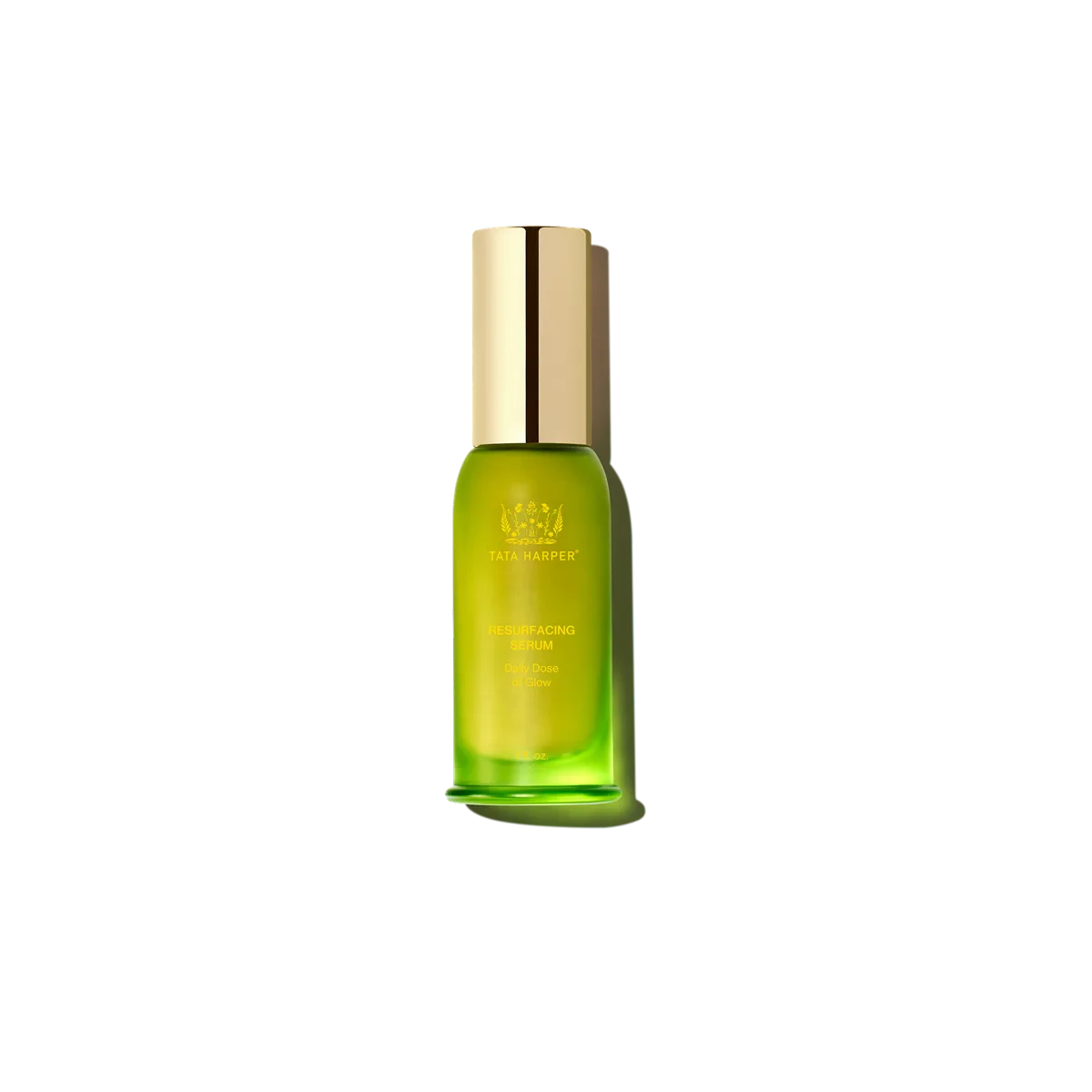
Resurfacing BHA Glow Serum
Luxury Acid for the Botanical-Curious
 Verified reviewer
Pros & cons.
- +Multi-acid blend resurfaces effectively without harsh stinging
- +Postbiotic and hyaluronic buffering keeps skin hydrated post-exfoliation
- +Lightweight texture absorbs cleanly with no sticky residue
- +Formulated and manufactured in-house at the brand's Vermont laboratory
- +Genuine sustainability and sourcing credentials backing the brand
- +Gentler than most clinical-tier acid serums at similar pH
- +Visible glow within one to two weeks of consistent use
- +Vegan and Leaping Bunny certified
- −Heavy citrus essential oil load is a real risk for sensitive or reactive skin
- −Strong herbal-citrus scent persists for several minutes after application
- −Premium price for 30ml is hard to justify on cost-per-use
- −No fragrance-free version available for those who want one
- −Glass dropper packaging is heavy, breakable, and not travel-friendly
- −Cannot be used during pregnancy due to salicylates and essential oils
The full review.
Tata Harper formulates products on a Vermont farm in a laboratory she built to avoid outsourcing manufacturing to third-party labs. This matters because the Resurfacing BHA Glow Serum forces her team to merge two conflicting ideas: the brand’s botanical, preservative-restricted, plant-first ethos and the chemical exfoliation category, which usually relies on synthetic acids at clinical concentrations. The serum targets customers who use the brand’s cleanser and toner but buy a Drunk Elephant or Sunday Riley acid serum separately. The formulation fills this in-house gap.
The acid blend is the most interesting part. Instead of one high-percentage acid, the formula layers glycolic, lactic, malic, tartaric, citric, and salicylic — the last one comes via willow bark extract, which contains salicin that converts to salicylic acid on the skin. This layering spreads the exfoliating workload across multiple molecules. This is why the serum feels gentler than a 10% glycolic spot treatment despite similar results. The pH is around 3.8, low enough for the acids to work. The formula buffers the stack with sodium hyaluronate, lactobacillus ferment for postbiotic support, and fruit and botanical extracts like bilberry, sugar maple, pomegranate, and black currant. The hyaluronic acid offsets the dehydration common in acid serums; the postbiotics show the formulator considered the microbiome impact of repeated exfoliation.
Texture
The texture is pleasant. It is a slightly viscous, lightweight serum that sinks into clean skin without a film. Application causes a brief tingle that fades within a minute, and skin feels softer the next morning. After two weeks of use every other night, low-grade dullness starts to lift. After six weeks, surface texture and clogged pores around the nose visibly improve. This is expected for a competent multi-acid serum at this load, but the Tata Harper version lacks the stinging burn found in some prestige competitors at similar pH levels.
Scent
The brand’s botanical philosophy creates the formula’s biggest weakness: a high load of citrus essential oils. Orange peel oil, bergamot oil, and tangerine oil are in the ingredient list, along with limonene, linalool, and citral. The EU requires disclosure of these fragrance components because they are known sensitizers. Using them with an acid blend at low pH is a lot for sensitive skin. People with reactive skin, rosacea, or fragrance allergies should patch test for several nights before use. The aroma is a strong citrusy, herbal note that lingers for a few minutes; some users find it spa-like and others find it overwhelming. There is no fragrance-free version.
Value
The value is harder to determine. At ninety-two dollars for thirty milliliters, this serum is prestige tier. You can find acid blends with similar resurfacing power for a quarter of the price at the drugstore. You pay for the in-house Vermont manufacturing, the postbiotic and botanical buffering, the gentler delivery, and the brand’s sourcing standards. The price is defensible if you want a luxury experience, support brand sustainability, or find clinical acid serums too aggressive. If you only want effective exfoliation, the price is hard to justify.
Who Should Buy
This serum is for someone with normal-to-combination skin who has outgrown gentler exfoliants, is not fragrance-sensitive, and will pay a premium for botanical formulation. It is not for someone with rosacea, eczema, fragrance reactivity, or a tight budget. Use it two to four nights a week between your hydrating moisturizer and your morning sunscreen. You must use morning sunscreen, as acids increase photosensitivity for at least a week after use. It delivers a gradual, low-drama glow. Skip it if your skin reacts to essential oils.
Ingredient analysis.
Full INCI list · pH 3.8
Aqua/Water/Eau, Glycerin, Salix Alba (Willow) Bark Extract, Pentylene Glycol, Propanediol, Coco-Caprylate, Sodium Lactate, Vaccinium Myrtillus (Bilberry) Fruit Extract, Saccharum Officinarum (Sugar Cane) Extract, Citrus Aurantium Dulcis (Orange) Fruit Extract, Citrus Limon (Lemon) Fruit Extract, Acer Saccharinum (Sugar Maple) Extract, Camellia Sinensis Leaf Extract, Helianthus Annuus (Sunflower) Sprout Extract, Ribes Nigrum (Black Currant) Fruit Extract, Rubus Idaeus (Raspberry) Fruit Extract, Lactobacillus Ferment, Hibiscus Sabdariffa Flower Extract, Punica Granatum (Pomegranate) Extract, Sodium Hyaluronate, Phytic Acid, Lactic Acid, Glycolic Acid, Citric Acid, Tartaric Acid, Malic Acid, Salicylic Acid, Xanthan Gum, Sclerotium Gum, Pullulan, Sodium Phytate, Sodium Benzoate, Potassium Sorbate, Citrus Aurantium Dulcis (Orange) Peel Oil, Citrus Aurantium Bergamia (Bergamot) Fruit Oil, Citrus Tangerina (Tangerine) Peel Oil, Limonene, Linalool, Citral
Skin match.
The science.
The Science
The exfoliating action of alpha hydroxy acids is well-documented across decades of dermatologic research. Glycolic, lactic, and other AHAs work by weakening the corneocyte adhesions in the stratum corneum, allowing accumulated dead cells to shed more readily and revealing smoother, less-pigmented skin underneath. Beta hydroxy acids like salicylic acid behave similarly but are oil-soluble, so they penetrate sebum and clear pore congestion in a way AHAs cannot. The interesting formulation choice in this serum is the combination strategy: rather than relying on one acid at high concentration, it layers six acids at lower individual percentages. Studies on multi-acid systems suggest that this approach can produce comparable exfoliation outcomes with reduced single-acid irritation, because no one molecule is doing all the work. The willow bark extract here is the source of the BHA component. Salicin, the active glycoside in willow bark, hydrolyzes to salicylic acid in the presence of skin enzymes — the conversion is real but partial, which is why willow bark BHA tends to be milder than a directly-formulated salicylic acid serum at the same percentage. The postbiotic angle is newer and more speculative. Lactobacillus ferment lysate has been shown in early research to support skin microbiome stability and reduce reactivity in sensitive populations, though the evidence base remains thin compared to the AHAs themselves. Together, the formulation reflects current thinking on gentler chronic exfoliation: spread the workload across multiple acids, buffer with humectants and postbiotics, and accept somewhat slower results in exchange for better tolerance.
Dermatologist Perspective
Dermatologists generally view multi-acid serums as appropriate for patients who want chronic exfoliation but have struggled with single-acid products at clinical concentrations. The buffered approach in formulas like this one tends to produce gradual improvements in tone and texture without the post-treatment redness that drives some patients away from at-home chemical exfoliation entirely. However, board-certified dermatologists routinely caution that essential-oil-heavy formulations are not appropriate for patients with rosacea, eczema, or any history of contact dermatitis. The willow bark BHA component is also frequently misunderstood — patients sometimes assume it's hypoallergenic because it's plant-derived, when in fact it metabolizes into the same salicylic acid as synthetic versions. Dermatologists recommending acid serums typically suggest starting with two to three nights per week, applying SPF every morning regardless of season, and discontinuing use immediately if any persistent burning or peeling develops.
Where it fits in your routine.
Apply at night to clean, dry skin. Do not use on damp skin, as this increases acid penetration. Press 3-4 drops gently into the face and neck, avoiding the immediate eye area. Wait one to two minutes before applying a hydrating moisturizer. Use twice per week for the first two weeks, then move to every other night if your skin tolerates it. Skip nights when you use retinoids, benzoyl peroxide, or vitamin C. Always use SPF 30 or higher the next morning, even when it is overcast, and use daily SPF for at least a week after your last use.
At $92 for 30ml, this acid serum is luxury-tier pricing. The cost-per-use is high compared to drugstore alternatives that show similar surface results. No larger size exists to lower the per-milliliter cost, unlike brands with 50ml refill options. You pay for in-house Vermont manufacturing, botanical sourcing standards, the postbiotic-and-fermented buffering system, and a gentler tolerance profile. If you find clinical acid serums too harsh, this price is a defensible quality-of-life upgrade. If you want results-per-dollar, this serum loses to several $25-40 alternatives.
This is for people with normal-to-combination skin who want gentle, effective chronic exfoliation, like botanical formulations, and tolerate citrus essential oils. It fits those with a luxury acid serum budget. It works well for users who found clinical AHA/BHA products too aggressive on their barrier.
Skip this if you have sensitive skin, rosacea, eczema, or a known fragrance allergy — the citrus essential oils pose a risk. Pregnant or breastfeeding individuals should also avoid it. Budget-conscious shoppers get comparable surface results from drugstore acid serums for less money.
Product details.
This lightweight, slightly viscous serum absorbs quickly and leaves no sticky finish.
Orange, bergamot, and tangerine essential oils create a distinct citrus and herbal aroma — noticeable on application.
Frosted glass bottle with a glass dropper — elegant but heavy and breakable.
The first application causes mild tingling that fades within a minute. Skin feels softer the next morning. Use 2-3 nights per week at first to test tolerance before increasing frequency.
About 2-3 months with 3-4 nights per week of use.
12 months
All Year
The backstory.
Tata Harper formulated this serum in-house at her Vermont farm-laboratory after years of Tata Harper customers asking for a more aggressive resurfacing option than the brand's gentler Regenerating Cleanser. It was developed as a bridge between the brand's botanical philosophy and the harder-working acid serums dominating the prestige market in the late 2010s.
About Tata Harper
Established Brand (5–20 years)Tata Harper launched in 2010 from a Vermont farm. The brand focuses on plant-derived, preservative-restricted formulations. Tata Harper builds credibility through ingredient transparency and in-house manufacturing, but specific products have less independent clinical validation than derm-developed lines.
Common myths.
Fruit extract acids are weaker than synthetic acids.
The glycolic, lactic, malic, tartaric, and citric acids in this formula are chemically identical to synthetic versions. Lower individual concentrations and buffering create the difference, not chemical weakness.
Willow bark is a non-irritating alternative to salicylic acid.
Willow bark contains salicin, which converts to salicylic acid on the skin. It irritates sensitive skin and is not hypoallergenic just because it is plant-derived.
FAQ.
How often should I use the Tata Harper Resurfacing BHA Glow Serum?
Use this 2-3 nights per week, then move to every other night as tolerated. This serum combines AHAs, willow-derived BHA, and citrus essential oils, so daily use can overwhelm even resilient skin. Skip nights when you use retinoids.
Is this serum safe during pregnancy?
No. The salicylic acid from willow bark and citrus essential oils make this serum unsuitable for pregnancy and breastfeeding. Use lactic acid-only or PHA exfoliants designed for those periods instead.
Can I use this with retinol?
Don't use them on the same night. Combining the acid-and-essential-oil load in this formula with a retinoid disrupts the skin barrier quickly. Alternate nights, or use the serum on weekends and your retinoid on weeknights.
Does it really smell that strong?
Yes — citrus essential oils create a bergamot-orange aroma that lasts a few minutes after application. This scent is a dealbreaker for scent-averse users or those with reactive skin, despite the solid formula.
How is this different from Drunk Elephant T.L.C. Framboos?
Both are prestige-tier multi-acid serums. Tata Harper's version uses more botanicals, includes willow bark instead of synthetic salicylic, and adds postbiotics and fruit ferments. Framboos has higher acid concentrations and no essential oils.
Will this help with hyperpigmentation?
Mildly. The AHA blend fades superficial dullness and uneven tone in 6-8 weeks of consistent use. For entrenched melasma or post-acne marks, layer it with a dedicated tyrosinase inhibitor like alpha arbutin or tranexamic acid.
Why is there an irritation risk if it's marketed as gentle?
The acid blend is well-buffered, but the citrus essential oils — orange, bergamot, tangerine — and their natural limonene and linalool content trigger reactions. Sensitive skin types should patch test on the inner forearm for three nights before face application.
Community
What the community says.
"leaves skin glowy without redness"
"luxurious application"
"noticeable smoothing after a few uses"
"doesn't sting like other acid serums"
"expensive for the size"
"citrus scent is strong"
"essential oils may irritate sensitive skin"
People also looked at.