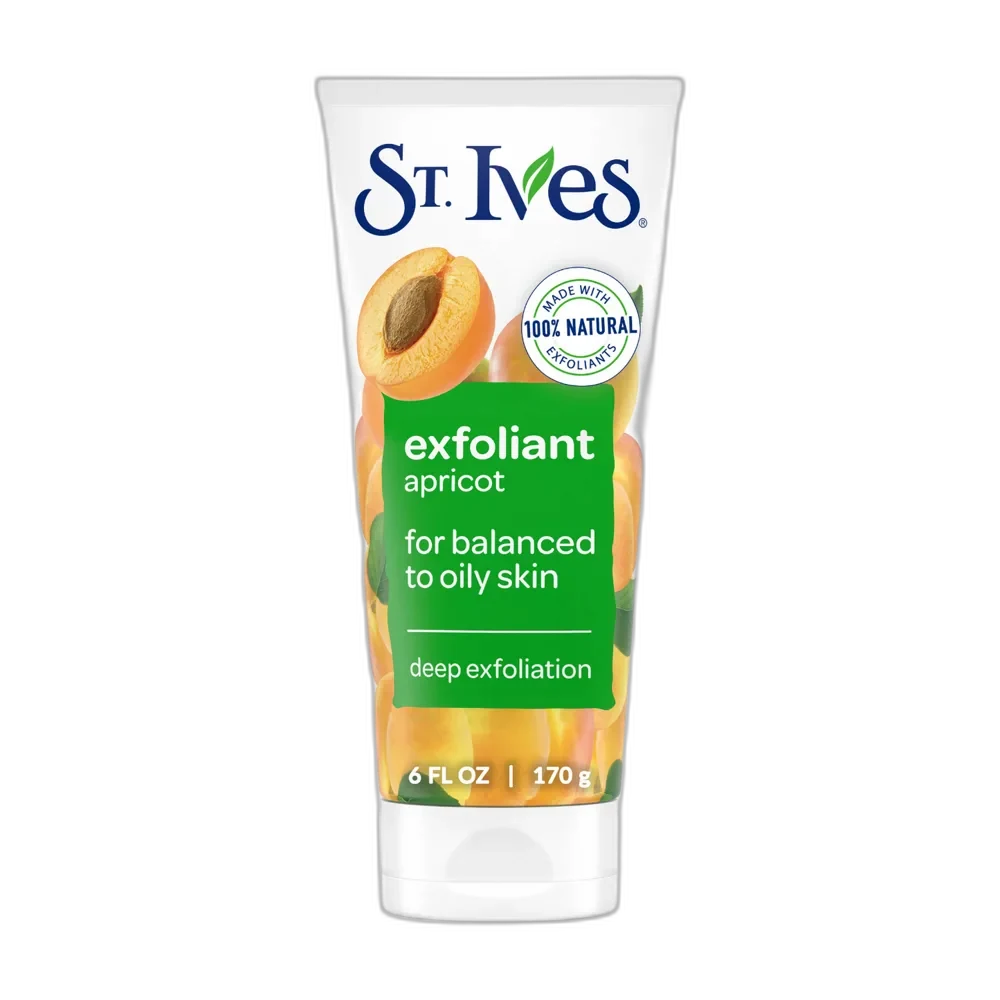
Fresh Skin Apricot Scrub
Drugstore Icon (Contested)
 Verified reviewer
Pros & cons.
- +Extremely inexpensive and widely available
- +Nostalgic cultural appeal for long-time users
- +Immediate mechanical smoothing sensation
- +Resilient, non-reactive skin can occasionally tolerate it
- −Walnut shell particles create microtears on facial skin
- −Dermatologist consensus advises against regular facial use
- −Was subject of a 2016 class-action lawsuit over skin damage
- −Added fragrance may irritate reactive skin
- −Contains parabens (safe but dated preservative choice)
- −Modern drugstore alternatives are gentler and more effective
The full review.
If you lived in an American household between 1985 and 2010, an orange tube of St. Ives Apricot Scrub likely sat on your bathroom counter. For many teenagers, it was their first skincare experience. It was cheap enough for lunch money, marketed for acne, and used wholesome fruit branding that felt safer than Clinique. The Apricot Scrub is a shared memory in American beauty culture.
The memory is charming, but the product is complicated. In 2016, Unilever — the owner of St. Ives — faced a consumer class-action lawsuit alleging the crushed walnut shell powder in the Apricot Scrub caused skin damage. The suit was dismissed on procedural grounds, so there was no verdict on the underlying claim. However, the lawsuit highlighted what dermatologists have long argued: the physical exfoliant in this product has the wrong shape for facial skin.
Shape is the problem. Crushing woody walnut hulls produces walnut shell powder with irregular, sharp edges and uneven facets. Unlike rounded physical exfoliants like jojoba beads, polylactic acid microspheres, or dissolving sugar crystals, these particles distribute pressure unevenly. They concentrate force on edges, creating the microtears dermatologists warn about. Corn kernel meal provides secondary abrasion, but it is too mild to offset the walnut shell powder.
The formulation uses a standard 1980s drugstore cleanser-cream base. Glycerin provides humectant hydration. Glyceryl stearate SE and cetyl alcohol create the creamy emulsion. Apricot fruit extract appears far down the INCI list, serving more as branding than a skincare active. Phenoxyethanol and parabens act as preservatives. Added fragrance provides the signature sweet apricot scent that defines the orange tube.
Used occasionally on resilient normal-to-oily skin with very light pressure, this scrub likely won’t cause immediate catastrophic damage. That is its only real defense. The problem is that the marketing encourages daily, enthusiastic scrubbing, which is how generations of teenagers use it. This use pattern causes the outcomes dermatologists fear: sensitization, barrier compromise, chronic low-grade redness, and a skin surface that fails to return to baseline.
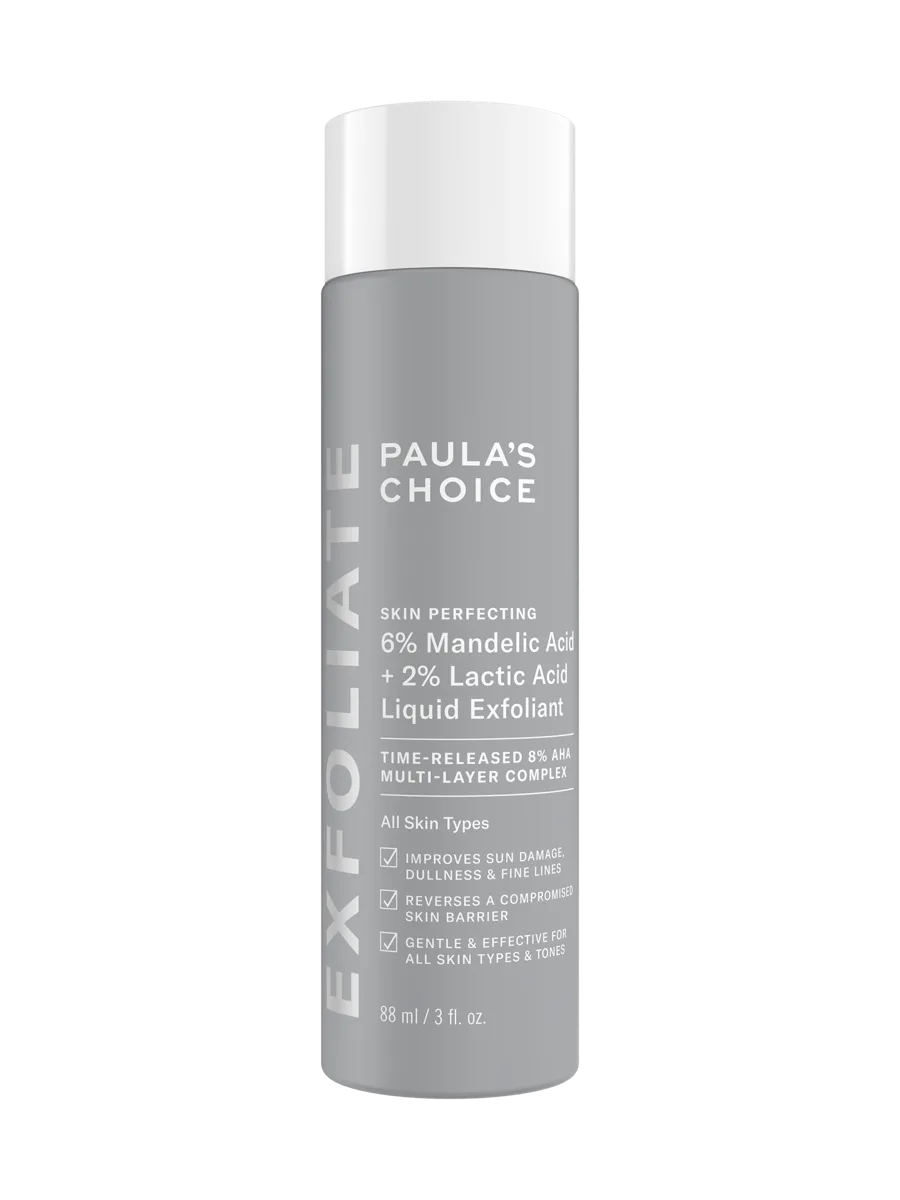
The argument against this product isn’t that a single use is harmful. Better options exist at this price point. The difference between a Paula’s Choice BHA product, a CeraVe SA cleanser, or a basic lactic acid toner and this scrub is the difference between 1985 skincare and evidence-based skincare. Chemical exfoliants are gentler, more effective, and better supported by dermatology research. They treat dullness, texture, blackheads, and acne without mechanical trauma. One tube of Apricot Scrub costs as much as a starter bottle of nearly any modern gentle exfoliant.
St. Ives has operated since 1955, and its drugstore legacy is real, though dated. The Apricot Scrub is a cultural artifact, but it does not belong in a modern skincare routine. If you use it without issues, you likely have robust skin that tolerates the formula, but you would see better results across almost every metric by switching to a modern alternative.
Formula
Ingredient analysis.
Full INCI list
Water, Juglans Regia (Walnut) Shell Powder, Glyceryl Stearate SE, Glycerin, Propylene Glycol, Cetyl Alcohol, Zea Mays (Corn) Kernel Meal, Prunus Armeniaca (Apricot) Fruit Extract, Phenoxyethanol, Fragrance, Titanium Dioxide, Carbomer, Triethanolamine, Disodium EDTA, BHT, Methylparaben, Propylparaben
Skin match.
The science.
The Science
Dermatology literature documents the main formulation concern with this scrub. Using jagged particles for physical exfoliation causes mechanical microtrauma to the stratum corneum. The American Academy of Dermatology recommends gentler alternatives, and journals like Dermatologic Clinics feature dermatologist-authored commentary on how rounded versus irregular particles affect skin barrier integrity.
The mechanism is simple. The stratum corneum is a lipid-bound layer of corneocytes that protects the skin from transepidermal water loss and external irritants. Rubbing against sharp or irregular particles causes microtears—small disruptions in the lipid-cell matrix that increase water loss and let irritants in. Repeated exposure leads to barrier dysfunction, which causes dryness, redness, increased sensitivity, and slower recovery. Research on chronic mechanical exfoliation shows this effect in controlled settings, though most evidence comes from clinical observation rather than randomized trials comparing specific products.
Chemical exfoliation has stronger evidence. Studies extensively cover AHAs like glycolic and lactic acid, BHAs like salicylic acid, and PHAs like gluconolactone for their effects on cell turnover, texture, tone, and acne. These mechanisms work at the molecular level without mechanical abrasion. Decades of peer-reviewed research in journals like Dermatologic Surgery, the Journal of the American Academy of Dermatology, and the International Journal of Cosmetic Science support their efficacy. The evidence for chemical exfoliation far outweighs the thin research supporting physical walnut shell scrubs.
Dermatologist Perspective
Dermatologists have criticized walnut shell facial scrubs for years. Dermatologist-authored content often cites St. Ives Apricot Scrub as the example of what modern facial skincare has moved past. Board-certified dermatologists typically recommend chemical exfoliants—salicylic acid, glycolic acid, lactic acid, or PHAs—as safer, more effective alternatives for dullness, texture, and congestion. Clinicians note that physical scrubs with rounded, uniform particles (jojoba beads, polylactic acid microspheres) work for some users, but the jagged particle profile of walnut shell is problematic.
Where it fits in your routine.
Use it at most once a week on damp skin. Use minimal pressure; let the particles work without pressing them into your face. Rinse well with lukewarm water and follow with a gentle moisturizer. Apply sunscreen the next morning. Do not combine it with retinol, prescription acids, or any other exfoliant in the same routine. Many users use it as an occasional body scrub for elbows and knees, where the skin is thicker and more tolerant.
At around four to five dollars for a large tube, this is one of the least expensive face scrubs at any drugstore, and on a pure cost-per-gram basis it's hard to beat. But cost-per-gram isn't the same as value — if the product contributes to sensitization or barrier damage, any savings are offset by later spending on repair products. For the same price, modern alternatives like a basic CeraVe SA cleanser or a lactic acid toner offer evidence-based exfoliation with a dramatically better risk profile. The Apricot Scrub's value case rests entirely on nostalgia, not on formulation.
Buy this if you already love it, use it without issues, and want the nostalgia. Other options work better for most people. If you want a drugstore face scrub and have resilient, non-reactive skin, single doses won't damage your face — but it is not the best choice at this price point.
Skip this if you have sensitive, dry, rosacea-prone, or acne-prone skin. Avoid it if you use retinol, tretinoin, or any chemical exfoliant, or if your barrier is compromised. This covers most adult facial skin, which is why dermatologists have steered patients away from this product for years.
Product details.
Thick, tan-colored cream with visible walnut shell grit
Sweet apricot fragrance
Orange plastic squeeze tube
The first application feels immediately exfoliating; the grit is noticeable and the apricot scent is strong. Skin feels smooth right after rinsing, but sensitive skin may feel tight or stinging. The experience is sensory, not therapeutic.
3-6 months with weekly use
12 months
All Year
The backstory.
St. Ives Apricot Scrub has been in continuous production since the early 1980s. It became a fixture of American drugstore shelves and a generational introduction to skincare. In 2016, Unilever faced a class-action lawsuit alleging that the walnut shell powder caused skin damage — the suit was ultimately dismissed on technical grounds, but it crystallized the modern dermatological critique of the product.
About St. Ives
Legacy Brand (20+ years)St. Ives launched in 1955, and the Apricot Scrub is one of the most recognizable drugstore face scrubs in the U.S. Its long history creates cultural familiarity, but its formulation — built around crushed walnut shell — has faced dermatological criticism and consumer lawsuits for years.
Common myths.
St. Ives Apricot Scrub is gentle because it has existed for a long time.
Longevity and gentleness are separate. Crushed walnut shell is the core exfoliant in this scrub. Its irregular edges can cause microtears in the skin. Modern gentle exfoliation uses rounded physical particles or chemical exfoliants instead of jagged nut shells.
FAQ.
Is St. Ives Apricot Scrub bad for your face?
Dermatologists advise against regular facial use of walnut shell scrubs, including this one. Jagged particle edges create microtears, which cause sensitization and barrier disruption over time. Occasional careful use on resilient skin unlikely causes overt damage, but most dermatologists do not recommend this product.
Did St. Ives get sued over this scrub?
Yes — Unilever faced a 2016 class-action lawsuit alleging walnut shell powder caused skin damage. The court dismissed the suit on procedural grounds, but the case highlighted dermatological concerns about the formulation.
What should I use instead of an apricot scrub?
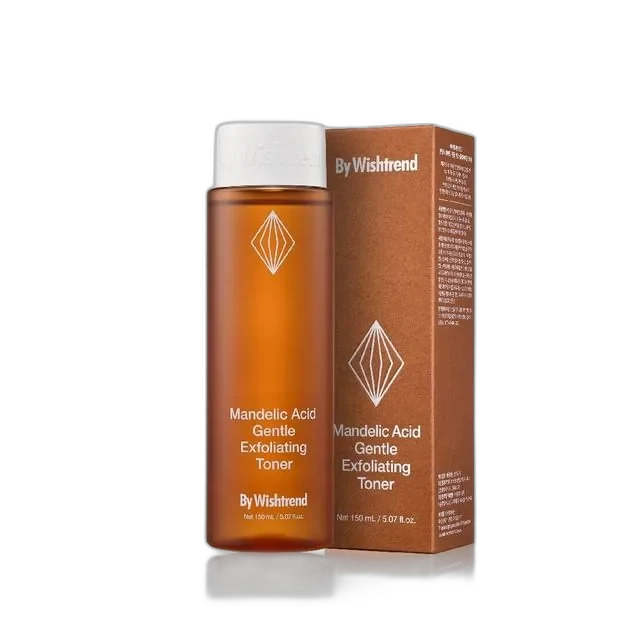
Use a gentle BHA (salicylic acid) toner or PHA product 2-3 times a week for safer, better results. CeraVe, Paula's Choice, or The Ordinary products cost about the same and provide evidence-based exfoliation without the physical trauma of walnut shell particles.
Can I use this on my body instead of my face?
Yes — body skin is thicker and more resilient. Using this as an occasional body scrub on elbows or knees carries lower risk than daily facial use. Avoid broken or sensitized skin and do not apply pressure to thin-skinned body areas.
Why is the Apricot Scrub so popular if it's bad?
Two reasons: price and cultural inertia. It is cheap, easy to find, and has been a drugstore staple for decades — many users grew up with it. Popularity shows accessibility and nostalgia, not formulation quality or dermatological endorsement.
Community
What the community says.
"Cheap"
"Familiar and nostalgic"
"Smells pleasant"
"Leaves skin feeling smooth immediately"
"Easy to find"
"Too abrasive for face"
"Dermatologists warn against it"
"Can cause redness and microtears"
"Not a modern exfoliation method"
People also looked at.