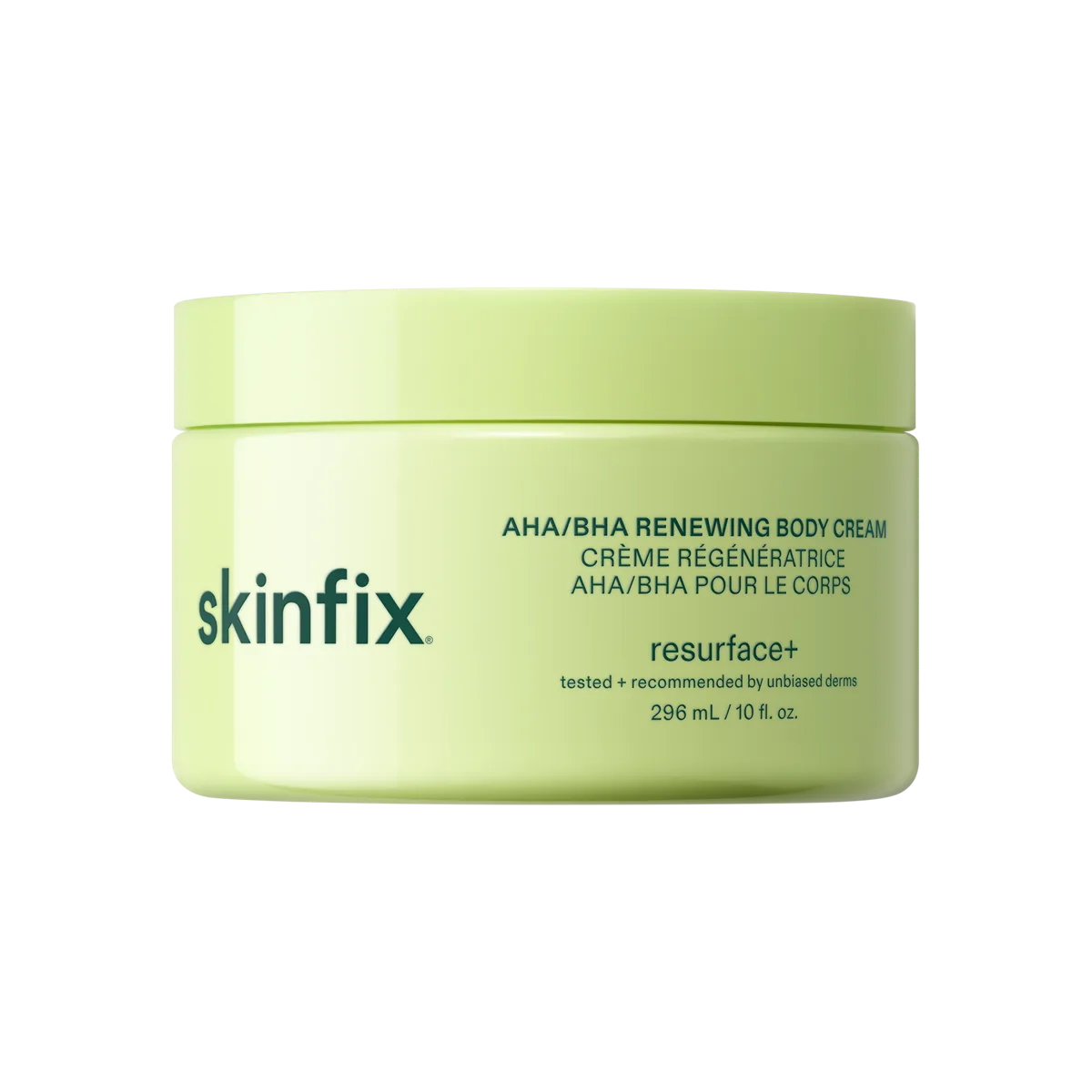
AHA/BHA Renewing Body Cream
KP Treatment Cream
 Verified reviewer
Pros & cons.
- +Multi-source 6% AHA blend provides gentle daily exfoliation suitable for chronic KP management
- +Rich moisturizing base with coconut oil, shea butter, and five plant oils hydrates as it exfoliates
- +Clinically tested with statistically significant KP improvement in two weeks
- +Fragrance-free and clean formulation free from parabens, sulfates, and silicones
- +Caviar lime extract provides micro-encapsulated acid delivery for controlled exfoliation
- +Panthenol, allantoin, and bisabolol provide anti-inflammatory buffering
- +Allure Best of Beauty Award winner with genuine dermatological credibility
- −AHA concentration is gentle — may underwhelm those expecting dramatic results quickly
- −Coconut oil as second ingredient is comedogenic for acne-prone body skin
- −Premium price at $48 for a body product requiring lifelong consistent use
- −Willow bark extract BHA concentration is likely too low for significant pore-clearing effect
- −Contains tree nut oil (sweet almond) — not suitable for nut allergy sufferers
The full review.
Keratosis pilaris is a skin condition many people deal with quietly. These small, rough, sometimes reddish bumps on the backs of arms, thighs, or buttocks result from keratin plugs clogging hair follicles. It affects an estimated 40% of adults and has no cure, only management. Management often fails because strong acid treatments are harsh, while thick moisturizers hydrate but do not exfoliate. This creates a cycle of irritation and quitting.
Skinfix’s AHA/BHA Renewing Body Cream uses a different approach: it is a moisturizer-first product that exfoliates. This distinction matters because KP is a chronic condition requiring consistent, long-term management. A product gentle enough for nightly use without irritation is more likely to be used every night than a powerful but uncomfortable one.
The exfoliating engine is a 6% blend of fruit-derived AHAs from five sources: bilberry, sugar cane, orange, lemon, and sugar maple. This approach distributes exfoliation across glycolic, lactic, citric, malic, and tartaric acids with different molecular sizes and penetration profiles. This provides broader, gentler exfoliation than a single concentrated AHA. Caviar lime extract adds citric acid encapsulated in tiny pearl-like vesicles that release gradually to moderate the acid’s impact for daily use.
The BHA component comes from willow bark extract (Salix nigra), which provides salicin, a natural precursor to salicylic acid. The concentration is modest, and the conversion to active salicylic acid on the skin is partial. Even at this level, the BHA adds pore-clearing action that complements the surface-level AHA exfoliation to help address the follicular plugging central to KP.
The acid concentrations in this product are gentle. Total AHA strength may not be sufficient for dramatic standalone exfoliation. If you expect the immediate smoothing of a 15% glycolic body lotion, you will be disappointed. This cream works via consistent daily use over two to four weeks to gradually dissolve keratin plugs rather than chemically blasting them away in one application. The brand’s clinical study shows that after two weeks of daily use, subjects had statistically significant improvement in KP bumps, scaliness, and roughness. The results require patience and consistency.
The moisturizing base is thick. Coconut oil is the second ingredient for deep conditioning, alongside 2% shea butter and an 8% total five-oil blend (sweet almond, grapeseed, jojoba, sunflower). This is a full-bodied cream that works as a body moisturizer even without the acids. The oils hydrate the dry, rough skin that exacerbates KP and buffer the acid’s irritation potential, allowing daily use without the scaling and peeling caused by stronger treatments.
Panthenol, allantoin, and bisabolol provide anti-inflammatory support. This detail separates a well-formulated product from those that simply list acids on a label.
The cream applies like a thick, buttery moisturizer. You will feel mild tingling on KP areas that subsides within a minute. The cream absorbs within a few minutes, leaving skin soft and conditioned without stickiness. You can wear clothes five minutes after application without transfer. The fragrance-free formula means no perfume competes with body wash or deodorant.
Results build gradually. After three to five days of nightly use, the rough, sandpaper texture of KP areas starts to smooth. After two weeks, bumps are smaller and skin looks smoother. After four weeks, the full benefit is apparent. If you stop using it, KP gradually returns over a few weeks; this is the reality of managing a chronic condition.
Coconut oil is comedogenic (rated 4/5) for facial skin and can cause body breakouts for some. Body skin is thicker and less pore-dense than facial skin, so most users tolerate it well, but those prone to bacne or chest breakouts should be mindful.
At $48 for 10 oz, this is a premium body cream. The Allure Best of Beauty Award validates its quality, and the clean, fragrance-free formulation justifies a higher price than drugstore AHA lotions. For lifelong KP management, the annual cost adds up. The product lasts six to eight weeks with targeted use on arms and thighs, making the yearly expense $300 to $400.
For those managing keratosis pilaris who abandoned harsher treatments, this cream is a sustainable alternative. It will not transform skin overnight, but it improves skin steadily with consistent use, and the thick moisturizing base makes the nightly routine feel like self-care.
Ingredient analysis.
Full INCI list
Water/Eau/Aqua, Cocos Nucifera (Coconut) Oil, Caprylic/Capric Triglyceride, Stearyl Alcohol, Polyglyceryl-2 Stearate, Glycerin, Olus Oil (Vegetable Oil, Huile Vegetale), Butyrospermum Parkii (Shea) Butter, Caprylyl Caprylate/Caprate, Propanediol, Glyceryl Stearate, Vaccinium Myrtillus Fruit Extract, Betaine, Microcitrus Australasica Fruit Extract, Saccharum Officinarum (Sugar Cane) Extract, Citrus Aurantium Dulcis (Orange) Fruit Extract, Citrus Limon (Lemon) Fruit Extract, Salix Nigra (Willow) Bark Extract, Helianthus Annuus (Sunflower) Extract, Prunus Amygdalus Dulcis (Sweet Almond) Oil, Acer Saccharum (Sugar Maple) Extract, Rosmarinus Officinalis (Rosemary) Leaf Extract, Simmondsia Chinensis (Jojoba) Seed Oil, Vitis Vinifera (Grape) Seed Oil, Trisodium Ethylenediamine Disuccinate, Aloe Barbadensis Leaf Juice, Oryza Sativa (Rice) Bran Extract, Panthenol, Tocopherol, Allantoin, Xanthan Gum, Bisabolol, Ethylhexylglycerin, Potassium Hydroxide, Phenoxyethanol, Potassium Sorbate, Citric Acid
Skin match.
The science.
The Science
Alpha hydroxy acids have managed keratosis pilaris for decades. The mechanism is simple: AHAs dissolve the desmosomes holding dead keratinocytes together in the stratum corneum. This exfoliates the keratin plugs that clog hair follicles and create KP bumps.
Lactic acid and glycolic acid are the two most studied AHAs for KP treatment. A landmark study by Loden et al. (1996) in the British Journal of Dermatology showed that 12% ammonium lactate applied twice daily improved KP roughness and bumps within four weeks. This proved the clinical efficacy of AHAs for KP at therapeutic concentrations.
This cream uses a lower total AHA concentration (~6%) from five fruit-derived sources. While lower than the 12% in clinical studies, the multi-acid approach covers a broader exfoliation spectrum: glycolic acid (the smallest AHA, deepest penetration), lactic acid (moderate size, additional humectant properties), citric acid (moderate exfoliant with antioxidant benefits), malic acid, and tartaric acid. Research suggests AHA blends achieve effective exfoliation at lower total concentrations than single-acid formulations because different acid sizes address different layers of the stratum corneum simultaneously.
The willow bark extract (Salix nigra) provides salicin, which the skin surface partially converts to salicylic acid. While the conversion is incomplete and the concentration modest, even low BHA activity complements AHA exfoliation by addressing the follicular component of KP — working inside the pore rather than only at the surface.
The caviar lime extract (Microcitrus Australasica) uses a newer acid delivery approach. Its citric acid is naturally encapsulated in small vesicles within the fruit cells, providing sustained release instead of an immediate acid dump. Studies show this micro-encapsulation technology reduces irritation while maintaining exfoliating efficacy — a key advantage for a product designed for daily use.
Dermatologist Perspective
Dermatologists often recommend AHA-containing body creams as a first-line treatment for keratosis pilaris, alongside consistent moisturization. Board-certified dermatologists note that KP management requires sustained, gentle treatment rather than aggressive intervention. This makes a daily-use cream more practical than intensive peels or high-strength acid treatments that patients often abandon. Dermatologists favor combining exfoliation and moisturization in one product, as patient compliance improves when the treatment and moisturizing steps are one. Dermatologists note the 6% AHA concentration is on the gentler end and may not suffice for severe KP cases, which may need prescription-strength keratolytics or higher-concentration OTC options.
Where it fits in your routine.
Apply a large amount to clean, dry body skin after showering. Focus on KP-prone areas: upper arms, thighs, and buttocks. Use nightly. The cream may tingle mildly during first use; this is normal and stops after a minute. Always apply sunscreen SPF 30+ to treated areas exposed to the sun the next day, as AHAs increase photosensitivity. Do not use other exfoliating products (BHA body sprays, physical scrubs) on the same areas on the same night. Use nightly for 2-4 weeks before evaluating results.
At $48 for 10 oz, this cream costs more than basic body lotions. The Allure Best of Beauty Award and clinical testing data provide third-party validation. The 6% multi-acid complex, five-oil blend, and clean formulation show real effort. However, for KP management — a lifelong condition — the $300-400 annual cost is a significant commitment. Cheaper AHA body lotions exist, but they usually lack the thick moisturizing base and clean ingredient profile. The price is reasonable for the formula; the question is whether KP management requires a premium product when effective alternatives cost less.
Anyone managing keratosis pilaris who wants a gentle, sustainable daily treatment that moisturizes and exfoliates at once. It works for people who stopped using harsher AHA treatments because of irritation, or who want a clean, fragrance-free body cream that fixes rough texture without harsh chemistry.
People needing aggressive exfoliation for severe KP or body acne may find this acid concentration too low. Avoid if you have tree nut allergies (contains sweet almond oil) or get body breakouts from coconut oil. Do not use on broken or compromised skin, or during active eczema flares.
Product details.
Thick cream with a buttery consistency spreads easily and absorbs in minutes. It feels more substantial than typical body lotions without leaving a greasy film.
Fragrance-free. Natural fruit and plant extracts create a faint botanical scent that dissipates immediately. It has no added perfume or essential oils.
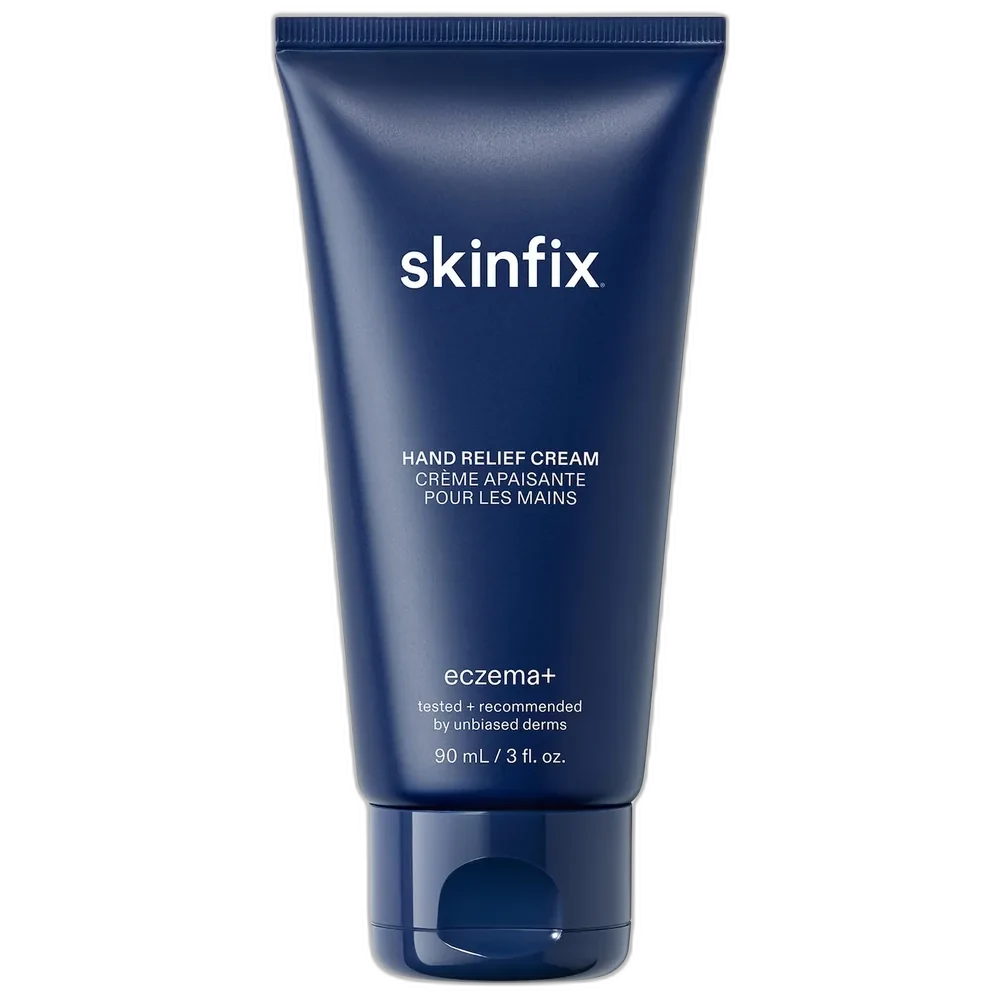
Large 10 oz / 296 ml squeeze tube. The clean white and green design changed during the 2025 rebrand. This size is large for a body cream, but the premium price offsets the quantity advantage.
Expect mild tingling on first application, especially on rougher texture or KP — this is normal and shows the fruit acids are active. The thick cream soothes and moisturizes immediately. There is no significant adjustment period; tingling typically decreases after the first few uses as the skin acclimates.
Use daily on targeted areas (upper arms, thighs) for 6-8 weeks. Full-body use takes less time.
12 months
All Year
The backstory.
Skinfix developed this cream specifically for keratosis pilaris — the condition that produces those persistent rough, bumpy patches on the backs of arms that affect an estimated 40% of adults. Rather than creating a harsh acid treatment, they took a moisturizer-first approach: build a rich, nourishing cream and embed gentle exfoliating acids within it, so the treatment simultaneously addresses both the keratin plugs and the dryness that exacerbates KP.
About SkinFix
Established Brand (5–20 years)Skinfix relaunched in 2014, using an 1870 Yorkshire heritage. This renewing cream won the 2019 Allure Best of Beauty Award and a 2017 Woman's Day Editor's Pick. A clinical study on 30 subjects shows statistically significant improvement in keratosis pilaris bumps, scaliness, and roughness within two weeks.
Common myths.
High-concentration AHAs treat keratosis pilaris.
Clinical research shows consistent, gentle exfoliation works for KP as well as intensive treatments, with less risk of irritation and barrier damage. This cream's 6% multi-acid approach shows little change per application, but daily use over weeks produces statistically significant improvement in KP bumps, scaliness, and roughness, according to the brand's clinical study.
Coconut oil in skincare always causes breakouts.
Coconut oil has a 4/5 comedogenic rating on facial skin, but body skin is thicker and has fewer pores. For body use — especially on the upper arms and thighs where KP occurs — coconut oil's conditioning properties outweigh its comedogenic potential. If you experience body breakouts, this may not be the best choice.
FAQ.
Does SkinFix AHA/BHA Renewing Cream work for keratosis pilaris?
Yes — a clinical study shows statistically significant improvement in KP bumps, scaliness, and roughness after two weeks of daily use. The 6% multi-source AHA blend dissolves keratin plugs, and the thick moisturizing base treats the dryness that worsens KP. Results require consistent daily application.
Can I use SkinFix AHA/BHA Renewing Cream on my face?
No — this product targets body skin. The coconut oil and oil blend is too heavy and comedogenic for the face. Use a dedicated face product with AHAs formulated for thinner facial skin for facial exfoliation.
Does SkinFix AHA/BHA Renewing Cream cause sun sensitivity?
Yes — AHAs increase photosensitivity. Apply SPF 30+ sunscreen to any treated areas exposed to the sun the next day. Using the cream mostly at night reduces this risk for covered body areas.
How long does it take for SkinFix AHA/BHA Renewing Cream to work?
Skin texture feels smoother within 3-5 days. KP bumps and roughness reduce visibly within 2 weeks of nightly use. Full improvement takes 4 weeks. Use it regularly to maintain results because KP is a chronic condition.
Is SkinFix AHA/BHA Renewing Cream safe during pregnancy?
The cream uses 6% fruit-derived AHAs for body use, a concentration generally considered safe during pregnancy. It has no retinoids or salicylic acid (the willow bark extract provides only trace amounts of salicin). Consult your healthcare provider if you have specific concerns.
What the community says.
"Effectively smooths keratosis pilaris bumps on arms and thighs"
"Rich luxurious texture that absorbs without greasiness"
"Fragrance-free and gentle enough for daily use"
"Clean ingredient list with no parabens, sulfates, or silicones"
"Leaves skin feeling soft and hydrated for hours"
"Expensive at $48 for a body cream"
"AHA concentration may be too low for significant standalone exfoliation"
"Coconut oil as second ingredient is comedogenic for some"
"Results require consistent daily use and are lost if you stop"
"Exfoliating claims feel overstated without the companion scrub"