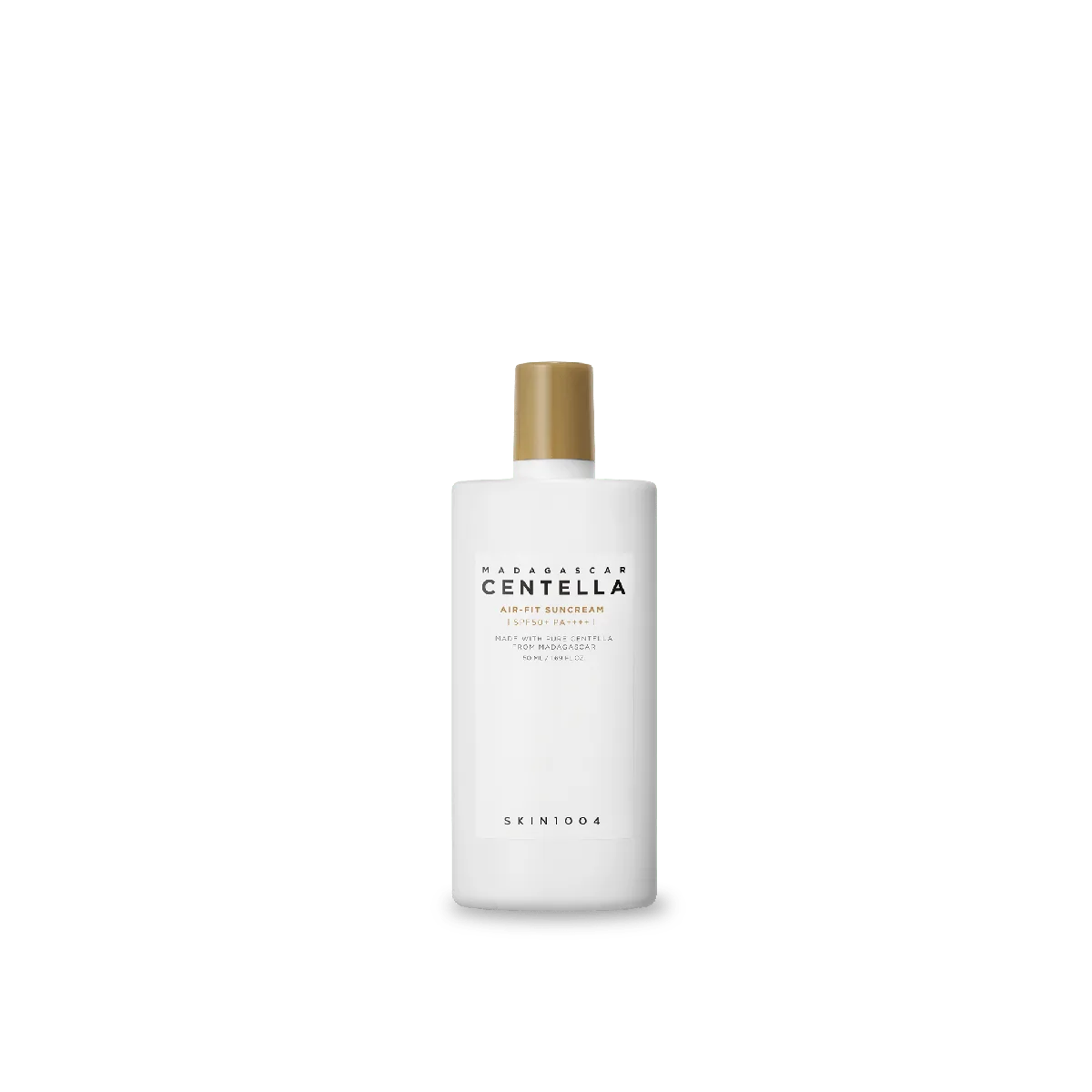
Madagascar Centella Air-Fit Suncream Plus SPF 50+
Centella-Powered Sun Shield
 Verified reviewer
Pros & cons.
- +35.8% centella asiatica extract base replaces water for genuinely soothing sun protection
- +Mineral-only UV filters (zinc oxide + titanium dioxide) at SPF 50+ PA++++ for broad-spectrum protection
- +Matte, primer-like finish with soft-focus pore-blurring effect works well under makeup
- +Robust antioxidant support from green tea, licorice root, rosemary, and chamomile extracts
- +Niacinamide adds barrier strengthening and anti-inflammatory benefits beyond UV blocking
- +Works immediately on application — no 20-minute wait required with mineral filters
- +Competitive pricing at $19 for a mineral sunscreen of this formulation quality
- −Essential oils (bergamot, geranium, rose) contradict the sensitive skin positioning
- −Noticeable white cast on medium to dark skin tones despite subtle tinting
- −Bergamot oil inclusion in a sunscreen raises photosensitivity questions
- −Thick initial texture requires more effort to blend than lightweight chemical sunscreens
- −50mL volume is modest for a product that should be applied generously and frequently
The full review.
Most sunscreens begin the same way: water, then UV filters, then everything else. SKIN1004 looked at that convention and made a choice that seems almost contrarian — what if the base itself was the hero ingredient? The Madagascar Centella Air-Fit Suncream Plus lists centella asiatica extract at 35.8 percent as its very first ingredient. Water does not appear until ingredient number twenty-eight. This is not a sunscreen with centella added. This is centella with sunscreen added.
The UV protection system is purely mineral: zinc oxide and titanium oxide working together to reflect and scatter UV radiation across both the UVA and UVB spectrum. The SPF 50+ PA++++ rating places it in the highest tier of daily sun protection, and mineral filters have the advantage of working immediately upon application without the twenty-minute activation period that some chemical filters require.
The silicone base — led by cyclopentasiloxane and supported by dimethicone, dimethicone crosspolymer, and polymethylsilsesquioxane — is engineered for wearability. These silicones create the smooth, blendable texture that prevents the sunscreen from feeling like face paint. Polymethylsilsesquioxane in particular functions as a soft-focus agent, blurring pores and creating a mild primer effect that makes this sunscreen genuinely pleasant to wear under makeup.
Niacinamide appears at a meaningful position in the ingredient list, adding barrier support and anti-inflammatory benefits. The botanical extract lineup — green tea, licorice root, rosemary, chamomile, Japanese knotweed — reads like a greatest hits of antioxidant and anti-inflammatory plants, each contributing to the protection story beyond UV blocking alone.
But we need to talk about the essential oils. In a product carrying a brand name synonymous with centella sensitivity care, the inclusion of pelargonium graveolens (geranium) flower oil, bergamot fruit oil, and rosa damascena flower oil is puzzling. These are not innocuous additions. Bergamot oil, in particular, has been historically associated with photosensitivity due to its bergapten content — though cosmetic formulations typically use bergapten-free (FCF) varieties. The resulting fragrance allergens — citronellol, geraniol, and linalool — are individually listed at the end of the INCI, as required by EU regulations.
The scent itself is undeniably pleasant. A soft, natural floral that fades within minutes. But pleasantness is not the question. The question is whether essential oils belong in a sunscreen from a brand whose entire identity is built on treating sensitive skin. For users without fragrance sensitivities, this is a non-issue. For the subset of SKIN1004’s core audience who came to the brand precisely because their skin reacts to everything — and that is a significant portion — it introduces an unnecessary variable.
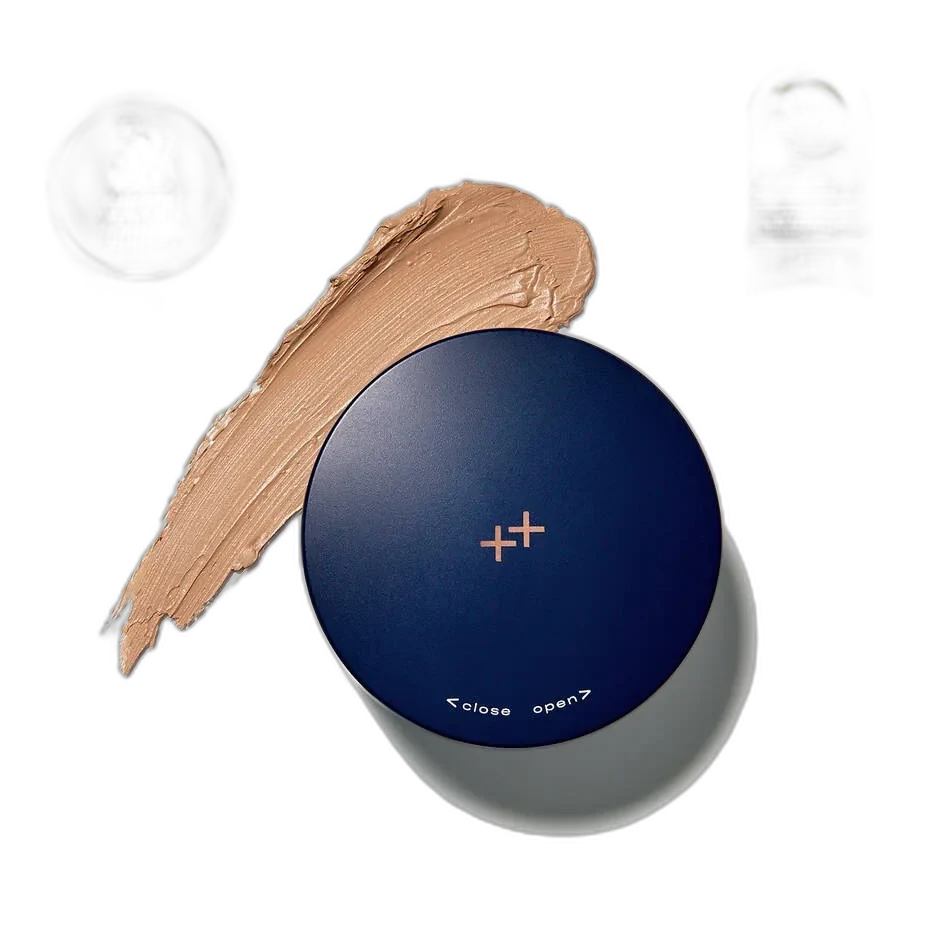
Application experience is typical of well-formulated mineral sunscreens with a K-beauty sensibility. The cream dispenses thick and white, and there is a brief moment of concern before it blends down to a surprisingly acceptable finish. On Fitzpatrick I through III skin tones, the subtle tint works effectively — minimal white cast, natural appearance, comfortable matte finish. On medium to deeper complexions, the reality is less flattering. A white or grayish cast persists, particularly at the generous application amounts needed for adequate protection. This is the fundamental limitation of mineral sunscreens at high SPF concentrations, and no amount of tinting fully solves it at these zinc oxide levels.
Wear time is solid. Through a full day of indoor and moderate outdoor activity, the sunscreen maintains its finish without significant breakdown, pilling, or separation. It does become slightly dewy in high humidity or during exercise, but that is typical of mineral formulas with this weight. Reapplication goes smoothly, without the pilling that plagues some mineral sunscreens.
The centella base delivers on its promise of soothing. Users with chronically reactive skin report that this sunscreen feels actively calming rather than merely protective — it does not aggravate the way some sunscreens do, and the skin beneath feels comfortable rather than stressed. Whether that is the centella working or simply the absence of the chemical filters that often trigger reactions is an open question, but the outcome is the same.
At nineteen dollars for fifty milliliters, the pricing is competitive for a mineral sunscreen with this level of formulation care. Mineral sunscreens generally cost more to produce than chemical ones, and the centella extract base adds further cost. The value feels fair, though the volume is modest given that sunscreen is a product you should be using generously.
This sunscreen occupies an interesting position in SKIN1004’s lineup. It is the product that takes their centella philosophy the furthest — literally building the entire formula around the extract — but it also makes the most compromises in terms of the sensitive skin audience it claims to serve. The mineral filters are perfect for sensitive skin. The centella base is perfect for sensitive skin. And then the essential oils arrive and complicate everything. For most users, they will never notice. But for the people who need centella products the most, the oils are the one ingredient choice that prevents this from being a complete recommendation.
Ingredient analysis.
Full INCI list
Centella Asiatica (Gotu Kola) Extract (35.8%), Cyclopentasiloxane, Zinc Oxide, Butyloctyl Salicylate, Titanium Oxide, Propanediol, Benzotriazolyl Dodecyl P-Cresol, Coptis Chinensis Root Extract, PEG-10 Dimethicone, Niacinamide, Disteardimonium Hectorite, Butylene Glycol, Magnesium Sulfate, 1,2-Hexanediol, Caprylic/Capric Glycerides, Dimethicone, VP/Hexadecene Copolymer, Polymethylsilsesquioxane, Aluminum Hydroxide, Stearic Acid, Sorbitan Sesquioleate, Triethoxycaprylylsilane, Dimethicone Crosspolymer, Dimethicone/Vinyl Dimethicone Crosspolymer, Dextrin, Theobroma Cacao (Cocoa) Extract, Pelargonium Graveolens Flower Oil, Water, Citrus Aurantium Bergamia (Bergamot) Fruit Oil, Betaine, Scutellaria Baicalensis Root Extract, Polygonum Cuspidatum Root Extract, Glycyrrhiza Glabra (Licorice) Root Extract, Camellia Sinensis Leaf Extract, Sodium Hyaluronate, Rosmarinus Officinalis (Rosemary) Leaf Extract, Chamomilla Recutita (Matricaria) Flower Extract, Rosa Damascena Flower Oil, Pentylene Glycol, Madecassoside, Citronellol, Geraniol, Linalool
Skin match.
The science.
The Science
Mineral UV filters — zinc oxide and titanium dioxide — protect skin by reflecting, scattering, and absorbing UV radiation. While some claim they only physically block UV, research in the Journal of the American Academy of Dermatology shows these particles also absorb UV photons and convert them to harmless heat. Zinc oxide provides broad-spectrum coverage, protecting against both UVA (aging) and UVB (burning) wavelengths.
The 35.8% centella asiatica extract base is an unusual choice with benefits beyond soothing. Research in Phytomedicine shows centella's triterpenoids — specifically asiaticoside and madecassoside — reduce UV-induced photoaging by inhibiting matrix metalloproteinases (MMPs) that break down collagen after UV exposure. This suggests the centella base provides photoprotective benefits that complement the mineral UV filters.
However, the essential oil inclusion requires scrutiny. Bergamot oil contains bergapten (5-methoxypsoralen), a furancoumarin that causes phototoxic reactions. The cosmetic industry standard uses bergapten-free (FCF) bergamot oil to eliminate this risk. The label does not specify FCF grade. Research in Contact Dermatitis shows even bergapten-free bergamot oil can contain trace photosensitizing compounds, though usually at safe levels.
Niacinamide helps sun protection by reducing UV-induced immunosuppression and DNA damage. A study in the Journal of Investigative Dermatology shows topical niacinamide enhances DNA repair in UV-exposed skin, adding a biochemical defense layer that works independently of the physical UV blocking.
References
- Centella asiatica in cosmetology — Advances in Dermatology and Allergology (2013)
Dermatologist Perspective
Board-certified dermatologists favor mineral sunscreens for sensitive skin because zinc oxide and titanium dioxide irritate less than chemical UV filters. Dermatologists note the high centella concentration adds anti-inflammatory value — especially for patients with rosacea or post-procedure sensitivity needing gentle sun protection. However, dermatologists would express concern about including essential oils, specifically bergamot, in a sunscreen. While FCF-grade bergamot oil lowers the risk, many dermatologists prefer sunscreens without any essential oils for patients with fragrance sensitivities or compromised barriers.
Where it fits in your routine.
Apply a generous amount as the final morning skincare step, after moisturizer. Use about two finger-lengths (roughly 1/4 teaspoon) for the face. Press it in gently; do not rub aggressively, as this displaces the mineral filters. Let it set for 10-15 minutes before applying makeup. Reapply every 2 hours during extended sun exposure. Remove it in the evening with an oil cleanser and then a water-based cleanser.
At $19.00 for 50mL, this sunscreen is competitively priced for a mineral formula with premium botanical ingredients. Mineral sunscreens cost more to produce than chemical ones, and the 35.8% centella base adds manufacturing complexity. The centella concentration and antioxidant support provide more value than pharmacy-brand mineral sunscreens at similar prices. The main caveat is the 50mL volume — sunscreen requires generous application, so this tube lasts only 1.5-2 months with daily face application.
This works for mineral sunscreen users who want centella soothing. It gives a matte, primer-like finish for lighter skin tones. It fits centella routine enthusiasts using SKIN1004 products. It suits normal to dry skin types that find chemical sunscreens irritating.
The Hyalu-Cica Water-Fit Sun Serum is a better option for medium to dark skin tones concerned about white cast. People with known fragrance or essential oil sensitivities should avoid this despite the centella base. Users preferring lightweight, invisible sunscreen textures may find this too thick. Very oily skin types in humid climates may experience excessive dewiness throughout the day.
Product details.
Rose, geranium, and bergamot essential oils create a noticeable floral scent. This smells pleasant to users who like natural fragrances but may be too strong for scent-sensitive users. ***
50mL squeeze tube with flip-top cap. Compact and easy to travel with. The green and white design matches SKIN1004's Madagascar Centella branding.
Dispenses as a slightly thick white cream. It blends fully in 30-60 seconds. It leaves a subtle matte finish with minimal white cast on lighter skin tones, but the cast shows more on medium to dark complexions. The floral essential oil scent is apparent on application.
1. 5-2 months with daily face application ***
12 months ***
All Year ***
The backstory.
SKIN1004 recognized that their centella-loving customer base needed a sunscreen that spoke the same language as the rest of their routine. Rather than simply adding centella as a minor ingredient in a conventional sunscreen, they replaced the water base entirely with centella extract — a bold formulation choice that gives the product its unusually high active botanical concentration.
About SKIN1004
Established Brand (5–20 years)SKIN1004 was founded in South Korea in 2012 and built its reputation on centella asiatica sourced from Madagascar. The brand's original Madagascar Centella Ampoule became a global K-beauty bestseller, and the company has steadily expanded its centella-focused product lines with increasingly sophisticated formulations.
Common myths.
Mineral sunscreens provide less protection than chemical sunscreens
Zinc oxide and titanium dioxide provide broad-spectrum protection. This formula reaches SPF 50+ PA++++ using only mineral filters, matching or exceeding many chemical sunscreens. Success depends on applying an adequate amount.
A centella-based sunscreen means less UV protection
Zinc oxide and titanium dioxide provide the UV protection, not the centella extract. The centella base replaces water as the vehicle and does not dilute the sunscreen actives. The concentration of UV filters determines the protection level.
FAQ.
Does SKIN1004 Air-Fit Suncream Plus leave a white cast?
The subtle tint minimizes white cast on lighter skin tones (Fitzpatrick I-III). On medium to dark skin tones, a noticeable white cast persists, especially with heavy application. Blending thoroughly and using less product (with reapplication) helps, but may compromise protection.
Is this sunscreen good for sensitive skin?
The mineral filters and 35.8% centella extract work well for sensitive skin. But the formula has multiple essential oils — including bergamot, geranium, and rose — and their fragrance allergens (citronellol, geraniol, linalool). People with fragrance sensitivities or reactive skin should be cautious.
Why does this sunscreen contain bergamot oil?
Bergamot oil adds scent and antioxidant properties. This inclusion is controversial in sunscreen because bergamot contains bergapten, which increases photosensitivity. However, cosmetic-grade bergamot oil is usually bergapten-free (FCF grade). Ask the manufacturer if this concerns you.
Can I wear makeup over SKIN1004 Air-Fit Suncream Plus?
Yes — the slightly matte finish creates a smooth base for foundation and other makeup. Let the sunscreen set for 10-15 minutes before applying makeup. The polymethylsilsesquioxane in the formula blurs pores and acts like a primer.
How does this compare to SKIN1004 Hyalu-Cica Water-Fit Sun Serum?
The Air-Fit Suncream Plus uses only mineral filters and has a matte finish with a slight tint — ideal for those avoiding chemical filters. The Hyalu-Cica Water-Fit Sun Serum is a lighter, more fluid formula with chemical filters, leaves no white cast, and works better for deeper skin tones. Pick based on your filter preference and skin tone.
Do I need to double cleanse to remove this sunscreen?
Yes — use an oil cleanser or micellar water followed by a gentle foaming cleanser to remove mineral sunscreens with silicone bases like this one. A single water-based cleanser may not fully remove the UV filters.
What the community says.
"High centella concentration for a sunscreen"
"Pleasant matte finish under makeup"
"Good UV protection at SPF 50+ PA++++"
"Nice floral scent from essential oils"
"Noticeable white cast on medium to dark skin tones"
"Essential oils are concerning for sensitive skin"
"Bergamot oil in a sunscreen is questionable"
"Can feel heavy or greasy in humid climates"
"Requires thorough oil cleansing to remove"
People also looked at.