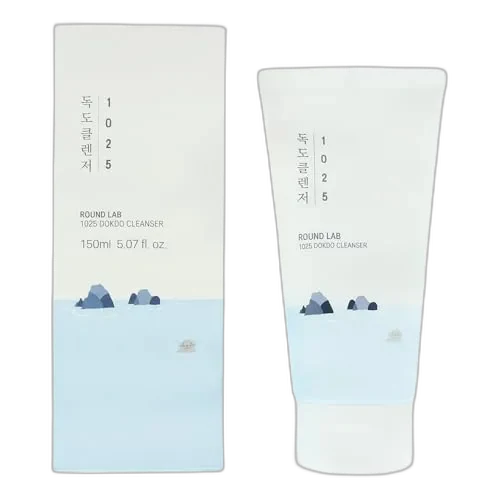
Dokdo Cleanser
Low-pH Daily Workhorse
 Verified reviewer
Pros & cons.
- +Rare buffered low pH (~5.5) on a potassium-soap system
- +Rich, cushiony foam without stripping or tight aftermath
- +Fragrance-free, alcohol-free, and sulfate-free
- +Heavy glycerin load protects the barrier during wash
- +Fungal acne safe — no oils, esters, or polysorbates
- +Excellent value at under $20 for 150 ml
- +Pairs naturally with the rest of the Dokdo line
- −Still a soap-based cleanser — very dry skin may prefer cream/oil formats
- −Not strong enough alone for heavy makeup or long-wear SPF
- −Plastic tube packaging isn't travel-premium
- −Only one size — no jumbo or refill format
The full review.
Korean cleanser culture loves big, thick, pillowy foam—the kind of lather that makes a morning wash feel like an event. Most cleansers achieve this using a classical potassium-saponified soap system—myristic acid, stearic acid, lauric acid, palmitic acid, neutralized with potassium hydroxide—which is naturally alkaline. The fatty acids saponify in high-pH water to create foam, proving the chemistry works as traditional soap does. However, this alkaline pH strips the acid mantle and compromises the skin barrier. This leaves the “squeaky” feeling reviewers call “really clean” right before skin feels tight an hour later.
Round Lab’s Dokdo Cleanser uses that exact soap system—the INCI list contains all four fatty acids plus potassium hydroxide—but Round Lab does what most competitors skip: it buffers the finished product back down to roughly 5.5, near the skin’s natural pH. This formulation choice changes the post-rinse experience. You still get the thick, generous lather and the satisfying foam-massage ritual. But the cleanser rinses away leaving skin comfortable and soft instead of squeaky-clean and tight. This solves the problem most mass-market foaming cleansers still have.
The rest of the formula reinforces this low-pH positioning. Glycerin sits near the top of the ingredient list to replenish humectancy lost during surfactant contact. Ulleung-Do deep seawater—the signature Dokdo line ingredient—adds mineral content to the base. Niacinamide, panthenol, and allantoin add mild barrier and soothing support. A tail of botanical extracts (centella, houttuynia, portulaca, licorice, camellia sinensis, rosemary, pine) provides the calming finish that is a Round Lab trademark. It has no fragrance, no alcohol denat, no sulfates, and no essential oils. The brand reverse-engineered a fix for the category default.
In practice, it is pleasant to use. A small dollop in wet hands creates a dense, cushiony foam with little water. Massaged onto damp skin, it feels active and cleansing without the burning or tingling of harsher cleansers. It rinses off clean—no film, no slip, no squeaky pull—and leaves skin soft. Even users with dry or reactive skin report tolerating it without flaking. It is not a cream cleanser and does not pretend to be; if your skin is very dry or eczema-prone, you may still prefer something non-foaming. But for normal, combination, oily, and most sensitive-skin users wanting foam without the barrier cost, it is a clean trade-off in K-beauty.
The product has limits in scope. It is a second-step cleanser—a water-based daily wash—and does not break down long-wear makeup or heavy mineral sunscreens alone. In the evening, use an oil cleanser first if you wore SPF or makeup; this handles the follow-up wash. The 150 ml tube is a generous size for the price, but Round Lab does not offer a jumbo version. The plastic tube packaging is functional, matching the brand’s pharmacy-minimalism positioning. This is just context for the purchase. At under $20, this formulation undercuts direct competitors on price and gentleness. It is an easy K-beauty recommendation and pairs naturally with the 1025 Dokdo Toner or the rest of the line.
Ingredient analysis.
Full INCI list · pH 5.5
Water, Glycerin, Myristic Acid, Potassium Hydroxide, Butylene Glycol, Stearic Acid, Palmitic Acid, Lauric Acid, PEG-32, Acrylates Copolymer, Glyceryl Stearate, Glycol Distearate, Sodium Methyl Cocoyl Taurate, Sodium Chloride, Ulleung-Do Deep Sea Water, Niacinamide, 1,2-Hexanediol, Disodium EDTA, Ethylhexylglycerin, Panthenol, Adenosine, Allantoin, Tocopherol, Portulaca Oleracea Extract, Centella Asiatica Extract, Houttuynia Cordata Extract, Glycyrrhiza Uralensis (Licorice) Root Extract, Pinus Sylvestris Leaf Extract, Rosmarinus Officinalis (Rosemary) Leaf Extract, Camellia Sinensis Leaf Extract
Skin match.
The science.
The Science
Dermatology literature on cleanser pH is settled: the skin's acid mantle sits at roughly pH 4.5-5.5. Repeated exposure to alkaline cleansers (pH 8-10, typical of traditional soap) increases transepidermal water loss, disrupts stratum corneum lipid organization, and compromises barrier function over time. Dermatology journals have published research since the early 2000s examining how cleanser pH affects the skin barrier and microbiome. These studies generally show that low-pH or pH-balanced cleansers work better for daily use, especially for sensitive-skin and acne populations. The Dokdo Cleanser's innovation isn't its surfactant system—the fatty acid / potassium hydroxide saponification is century-old chemistry—but the choice to buffer the finished product to a near-skin pH while keeping the foam experience. The formula uses well-established ingredients: glycerin is a thoroughly studied humectant with clear evidence for stratum corneum hydration during and after cleansing; panthenol has published evidence for barrier recovery and reduced irritation; niacinamide has strong data on barrier lipid synthesis even with short contact times. Centella asiatica, licorice root, and houttuynia cordata have smaller but growing evidence bases for topical anti-inflammatory and soothing effects. The deep seawater base is more speculative—trace minerals and hydration from Ulleung-Do sourced water are plausible but less rigorously studied than the rest of the formula.
Dermatologist Perspective
Dermatologists often say cleanser choice is an underrated skincare decision—patients frequently buy expensive serums but use a cleanser that undermines their barrier twice a day. Board-certified dermatologists typically recommend gentle, low-pH, fragrance-free cleansers for most skin types, and the Dokdo Cleanser fits this clinical guidance. For patients with acne, rosacea, or sensitive skin, dermatologists note that an over-aggressive cleanser causes more flares than any topical treatment can fix. This formula combines a foaming texture (which many patients prefer) with a near-physiological pH to offer a practical middle ground—the satisfying wash of a foam without the barrier cost of a traditional alkaline soap. Dermatologists generally recommend following any foaming cleanser with a hydrating toner or moisturizer to minimize residual water loss, which pairs naturally with the rest of the Dokdo line.
Where it fits in your routine.
Squeeze a small amount (pea-to-dime size) into wet palms and add a little water to create a thick foam. Massage onto damp skin in gentle circles for 30-60 seconds, focusing on the T-zone and areas with buildup. Rinse thoroughly with lukewarm water; hot water increases barrier dryness regardless of cleanser quality. Pat skin gently with a clean towel and apply toner or moisturizer immediately to minimize residual water loss. In the evening, use as the second step after an oil cleanser if you've worn sunscreen or makeup. Store at room temperature; the tube design allows for clean dispensing without contamination.
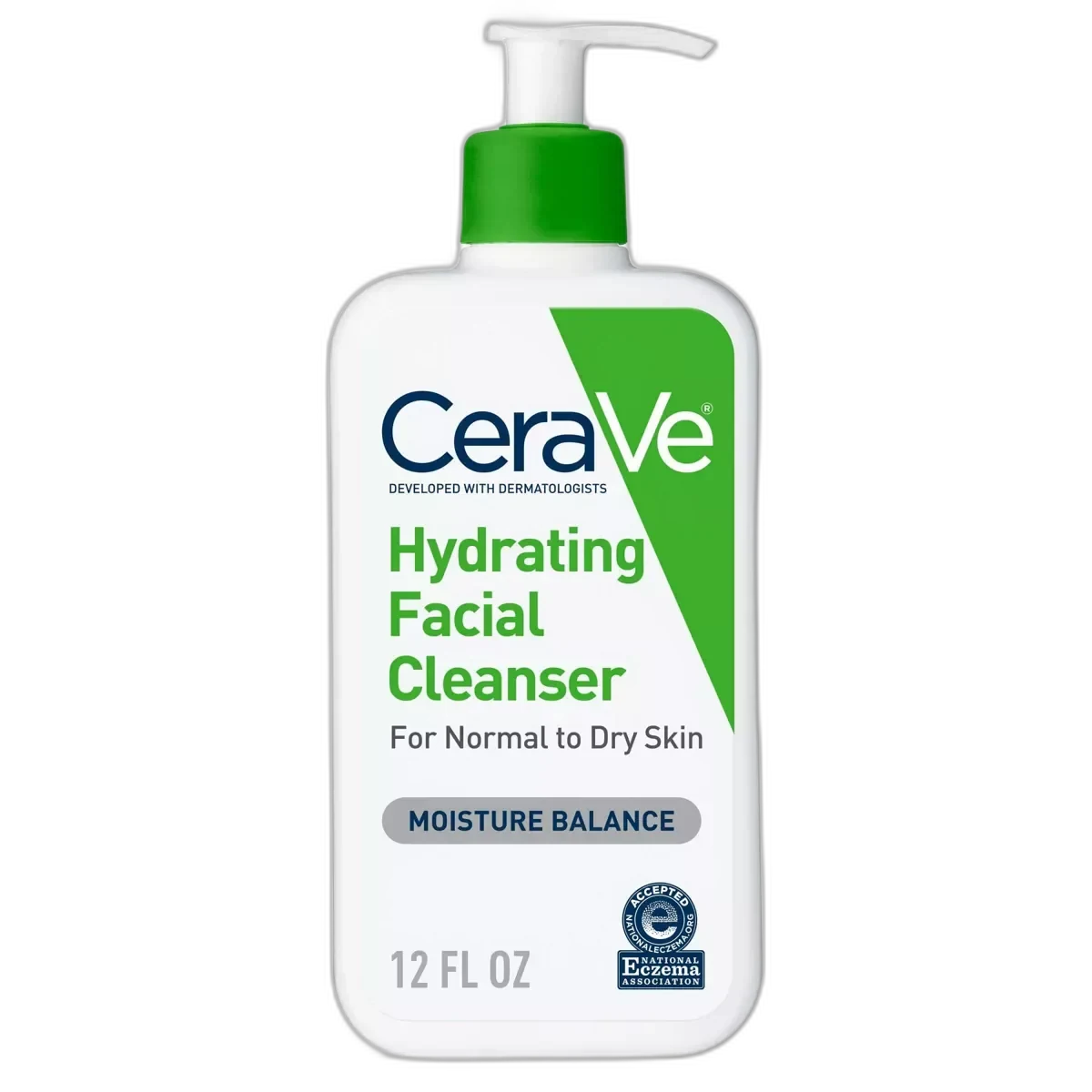
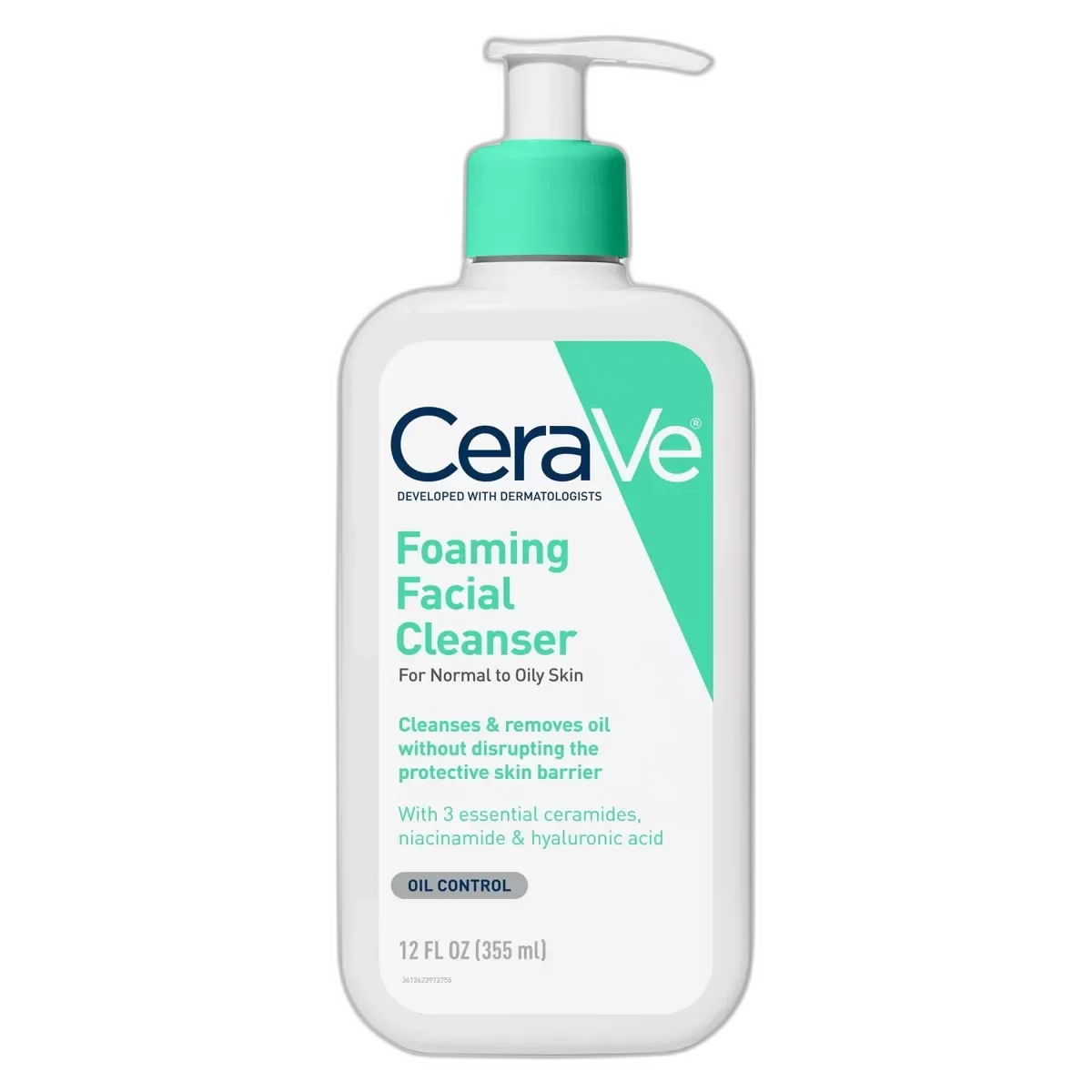
At roughly $15-18 for 150 ml, this is well-priced against its closest competitors. Fragrance-free, low-pH Korean cleansers of this quality usually cost $20-30 for the same volume. US dermatology-brand equivalents (CeraVe, Cetaphil foaming options) cost similar amounts but lack the low-pH buffering or soothing botanical support. Using it twice daily lasts 3-4 months per tube, making the monthly cost $4-5 — a reasonable price for a daily workhorse. Heavy users may miss a jumbo size.
Normal, combination, oily, and most sensitive-skin users can use this for a foaming cleanser experience without the post-wash tightness of traditional soap formulas. It fits users already using the rest of the Dokdo line and works well for anyone moving from a harsher cleanser to a barrier-friendly routine.
Users with very dry, eczema-prone, or reactive skin may prefer a non-foaming cream or oil cleanser. Even a well-buffered soap system feels too clean for compromised skin. Heavy makeup wearers should use this as a second-step cleanser, not a solo remover.
Product details.
Thick pearlescent cream that whips into a rich, cushiony foam with water.
Unscented.
Soft plastic tube with flip cap — the standard for Round Lab's main line.
Rinses cleanly without the squeaky-tight feeling common in most saponified cleansers. Users often report skin feels 'clean but comfortable' after one use — this shows the low-pH buffering works.
Approximately 3-4 months of twice-daily use.
12 months
All Year
The backstory.
Round Lab launched the Dokdo Cleanser in 2019 as the wash-off companion to the cult 1025 Dokdo Toner. It extends the brand's regional-sourcing philosophy — Ulleung-Do deep seawater — into a daily cleanser format and has become the default morning wash for many K-beauty users already using the rest of the line.
About ROUND LAB
Established Brand (5–20 years)Round Lab launched in 2017 and uses Ulleung-Do deep seawater for the Dokdo line. The Dokdo Cleanser has been a top-reviewed low-pH Korean cleanser for the brand since 2019.
Common myths.
Foaming cleansers are always drying.
Foam doesn't strip skin; alkaline pH and aggressive surfactants do. This cleanser uses a traditional soap system with a buffered low pH and high glycerin load to avoid post-wash tightness.
It replaces a proper double cleanse.
It's a water-based second-step cleanser. In the evening, sunscreen and makeup wearers still need an oil cleanser first to break down lipophilic residue — this handles the follow-up wash, not the initial removal.
FAQ.
What's the pH of Round Lab Dokdo Cleanser?
The pH is buffered to roughly 5.5 — close to the skin's natural pH — which is unusually low for a potassium-saponified foaming cleanser. This buffering makes it gentler than traditional Korean soap-based cleansers.
Is it a good second cleanser for a double cleanse?
Yes — it works well as the water-based second step after an oil cleanser at night. Use it alone in the AM if you didn't wear heavy products to bed.
Can sensitive skin use this daily?
Yes, for most sensitive-skin users. It is fragrance-free, alcohol-free, and low-pH. The calming botanical blend supports its sensitive-skin positioning. Users with very reactive or eczema-prone skin may prefer a non-foaming cream cleanser instead.
Will it remove sunscreen?
It cleans most Korean hybrid sunscreens alone if you skip makeup. Use an oil cleanser first for heavy mineral SPF or long-wear makeup. Double cleansing is the safer evening approach.
Is it fungal acne safe?
Yes — the formula lacks oils, esters, or polysorbates that feed Malassezia. This makes it one of the more fungal-acne-friendly cleansers in K-beauty.
What the community says.
"rich foam without stripping"
"leaves skin comfortable and non-tight"
"fragrance-free formulation"
"great value for the size"
"potassium-soap base can still feel too clean for very dry skin"
"not a strong enough first-step cleanser for heavy makeup"
"plastic tube packaging"
People also looked at.