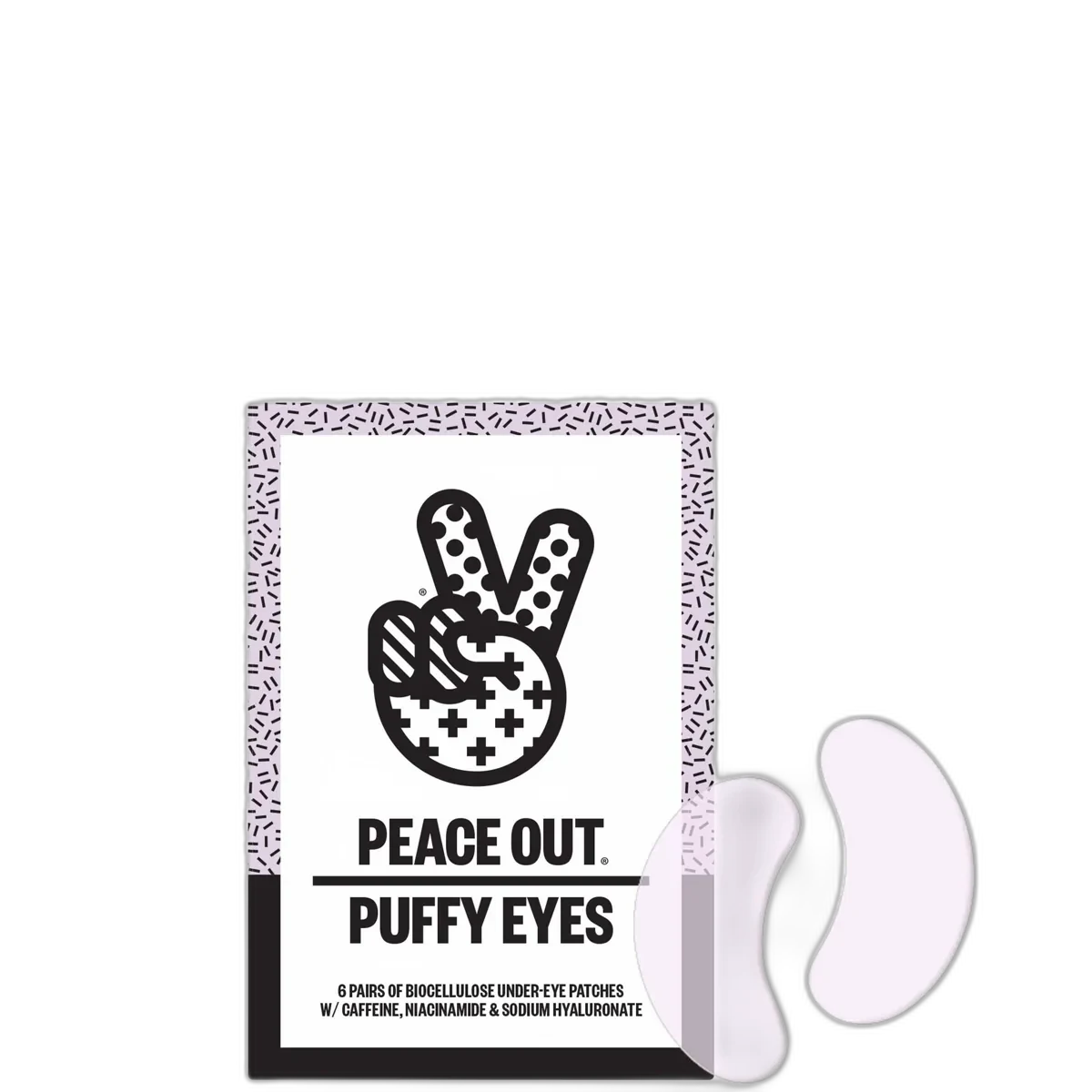
Puffy Under-Eye Patches
Morning Rescue Patches
 Verified reviewer
Pros & cons.
- +Exceptionally dense ingredient list with caffeine, three peptides, and dual brightening agents
- +Biocellulose material conforms better to under-eye contours than standard hydrogel patches
- +Visible de-puffing and hydration results within 15 minutes of application
- +Fragrance-free, cruelty-free, and vegan formulation suitable for most skin types
- +Stays in place during movement — works while you do your morning routine
- +Includes vitamin K (menadione) for vascular dark circles, a rare ingredient in patch format
- −At $4.83 per use, too expensive for daily or even frequent use
- −De-puffing effects are temporary — puffiness returns within hours
- −Only 6 pairs per box limits consistent long-term dark circle treatment
- −Kojic acid may cause mild sensitivity in the delicate under-eye area for some users
- −Cannot address structural dark circles caused by genetics or bone anatomy
The full review.
Under-eye patches occupy a strange niche. Everyone knows the results are temporary. Dermatologists note that 15 minutes of caffeine and hyaluronic acid cannot structurally change under-eye hollows. Yet, when you have slept four hours and have a video call in thirty minutes, nothing delivers such fast visual improvement. Peace Out Skincare built these Puffy Under-Eye Patches to be the best version of a product many skincare purists call a gimmick.
The ingredient list separates these patches from the many hydrogel eye masks on the market. While most patches offer hyaluronic acid and one other active, Peace Out loads these biocellulose patches with a comprehensive cocktail. Caffeine de-puffs via vasoconstriction—narrowing the dilated blood vessels under the thin periorbital skin that cause puffiness. Niacinamide and kojic acid target melanin through different pathways to address dark circles. Three peptides—Acetyl Hexapeptide-8 (Argireline), Palmitoyl Tetrapeptide-7, and Palmitoyl Tripeptide-1—address fine lines through muscle relaxation and collagen signaling. Ascorbic acid, tocopheryl acetate (vitamin E), and menadione (vitamin K) add antioxidant and vascular support. The list reads more like a targeted eye serum.
Biocellulose material matters more than most realize. Unlike hydrogel patches that sit on top of skin with limited conformity, biocellulose—usually from fermented coconut water—creates second-skin adherence that maximizes surface contact and ingredient transfer. The patches conform tightly to the under-eye contour without the gaps and air pockets found in cheaper hydrogel alternatives. They stay in place while you move, make coffee, and pretend you slept.
The immediate experience works. Within 15 minutes, the under-eye area looks visibly less puffy, more hydrated, and slightly brighter. Fine lines appear softer—partly from hyaluronic acid plumping and partly from the temporary tightening of the drying biocellulose. The residual serum absorbs quickly and acts as a hydrating base for your routine.
These effects last several hours—enough for morning meetings or brunch. By afternoon, puffiness returns if the cause (fluid retention, allergies, fatigue) remains. This is the reality for every eye patch, but Peace Out’s version delivers more ingredient-rich temporary improvement than most.
Dark circle claims require nuance. Melanin-driven dark circles—the brownish discoloration common in darker skin tones—can improve with consistent niacinamide and kojic acid use over weeks. But these patches are for occasional use (1-2 times per week at 6 pairs per box), which limits cumulative exposure to brightening ingredients. For meaningful dark circle reduction, a daily eye cream with similar actives delivers more consistent results. The patches are a boost, not a primary treatment.
At $29 for 6 pairs, each use costs about $4.83. This sits in luxury eye treatment territory. The ingredient density justifies a premium over $15-for-30-pairs hydrogel patches, but value depends on use. As an occasional morning rescue—pre-event, post-travel, or bad-sleep recovery—the cost per use is easy to justify. As a twice-weekly routine staple, the annual cost nears $250 for a temporary cosmetic improvement.
Peace Out builds its brand on the idea that single-use, targeted patches satisfy a desire daily products cannot—the ritual, the immediate result, and the feeling of treating a specific concern. These under-eye patches express that philosophy. The ingredient list is impressive, the biocellulose delivery beats hydrogel, and the temporary results are real. You are paying for a well-executed quick fix, not a long-term solution.
Formula
Ingredient analysis.
Full INCI list
Water (Aqua), Butylene Glycol, Glycerin, Niacinamide, Sodium Hyaluronate, Caffeine, Kojic Acid, Acetyl Hexapeptide-8, Palmitoyl Tetrapeptide-7, Palmitoyl Tripeptide-1, Hydroxyacetophenone, Ascorbic Acid, Arginine, Rosa Canina (Rosehip) Fruit Oil, Gardenia Taitensis (Gardenia) Flower Extract, Betaine, Polyglyceryl-10 Laurate, Panthenol, Carbomer, Xanthan Gum, Aminobutyric Acid, Passiflora Edulis (Passion) Fruit Extract, Ethyl Hexanediol, Caprylic/Capric Triglyceride, Hydrogenated Lecithin, Polyglyceryl-10 Diisostearate, Sodium Lactate, Ethylhexylglycerin, Menadione, Tocopheryl Acetate, Polysorbate 20, Caprylyl Glycol, 1,2-Hexanediol, Polyvinyl Alcohol
Skin match.
The science.
The Science
Dermatological literature documents how caffeine de-puffs. As a methylxanthine, caffeine inhibits phosphodiesterase, causing vasoconstriction that reduces blood flow and fluid in the periorbital area. A study by Kerzendorfer et al. in the Journal of Cosmetic Dermatology shows topical caffeine reduces periorbital puffiness, with effects visible within 15-30 minutes of application.
The three-peptide complex targets different periorbital aging factors. Acetyl Hexapeptide-8 (Argireline) is a highly studied cosmetic peptide; Blanes-Mira et al. (2002, International Journal of Cosmetic Science) show it reduces expression line depth by modulating neurotransmitter release at the neuromuscular junction—a mechanism similar to a milder, topical botulinum toxin. Palmitoyl Tripeptide-1 and Palmitoyl Tetrapeptide-7 use collagen-stimulating and anti-inflammatory pathways.
Kojic acid inhibits tyrosinase to treat melanin-driven hyperpigmentation. Its effectiveness on dark circles depends on the cause—it works best when dark circles are pigmentary rather than vascular or structural. Combined with niacinamide's melanosome transfer inhibition, this dual-pathway approach addresses melanin production and distribution.
References
- A new peptide that reduces facial expression wrinkles — International Journal of Cosmetic Science (2002)
Dermatologist Perspective
Dermatologists see under-eye patches as cosmetically beneficial but not therapeutically transformative. Board-certified dermatologists note caffeine's vasoconstrictive properties provide temporary de-puffing, while niacinamide and kojic acid can improve dark circles with consistent long-term use. However, dermatologists note the periorbital area has some of the thinnest, most sensitive skin on the body and recommend patch-testing under-eye products before regular use. For patients with persistent dark circles, dermatologists suggest investigating underlying causes (allergies, iron deficiency, structural hollowing) instead of relying only on topical treatments. The biocellulose delivery format transfers ingredients more efficiently than hydrogel.
Where it fits in your routine.
Peel patches from the foil packaging and backing sheet. Apply to clean, dry under-eye skin with the serum side down. Press gently to fit the under-eye contour. Leave on for 15-20 minutes. Remove and pat remaining serum into the skin. Follow with your regular eye cream, serum, moisturizer, and sunscreen. Use 1-2 times per week or as needed for morning de-puffing. ### Value Assessment At $29 for 6 pairs ($4.83 per use), this is a premium eye treatment. The ingredient density—three peptides, caffeine, kojic acid, niacinamide, vitamins C, E, and K—beats most competitors and provides multi-target under-eye treatment. However, results are temporary, so you pay nearly $5 for a few hours of improvement. The cost is justifiable for immediate visual payoff during occasional morning-rescue use. For long-term dark circle treatment, a daily eye cream with similar active ingredients gives more consistent exposure at a lower per-day cost. ### Who Should Buy Anyone wanting a quick, ingredient-rich morning de-puffing treatment for tired eyes. It works well for pre-event preparation, post-travel recovery, or mornings after poor sleep. Users with pigment-driven dark circles who want a targeted treatment to complement their daily eye care routine will also benefit. ### Who Should Skip Budget-conscious users needing daily under-eye treatment—a quality eye cream delivers more consistent results at a lower cost per day. Those with very sensitive periorbital skin should patch-test first, as kojic acid and ascorbic acid can irritate the thin under-eye area. Anyone with primarily structural or vascular dark circles will see limited benefit from topical brightening agents.
Product details.
Thin, flexible biocellulose patches soak in a clear serum. The material fits the under-eye contour and stays in place without slipping.
Fragrance-free with a very faint serum scent.
Individual foil-sealed pairs in a compact box. Each pair is pre-soaked and ready to apply.
The patches feel cool and hydrating when applied. The biocellulose material sticks to the under-eye area without sliding. After 15 minutes, the under-eye area looks less puffy and more hydrated. A slight brightening effect shows immediately.
3-6 weeks using 1-2 times per week
24 months
All Year
The backstory.
Peace Out expanded from its patch-based acne and pore care roots into the eye treatment category, leveraging its biocellulose manufacturing expertise to create a multi-targeted under-eye treatment. The idea was to offer the same kind of targeted, single-use convenience that made their acne dots popular, applied to the universal complaint of puffy, dark under-eyes.
About Peace Out Skincare
Emerging Brand (2–5 years)Peace Out Skincare launched in 2017, growing from acne-targeting patches into eye care and brightening treatments. The brand sells at Sephora and Ulta; it has high consumer recognition but lacks the independent clinical validation of established eye care brands.
Common myths.
Under-eye patches permanently fix dark circles and puffiness.
These patches provide temporary relief. Caffeine constricts blood vessels to reduce puffiness for a few hours, and hydration plumps fine lines temporarily. Real dark circle reduction requires consistent use of brightening ingredients like niacinamide and kojic acid over weeks. Topical treatments cannot address some dark circle causes (genetics, thin skin, bone structure).
All under-eye patches are identical — just hydrogel with marketing.
These use biocellulose (a fermented coconut-derived material) instead of hydrogel. Biocellulose fits the skin closer and delivers ingredients more efficiently. The ingredient list — with three peptides, caffeine, kojic acid, niacinamide, and vitamins C, E, and K — is more complex than most drugstore hydrogel patches.
FAQ.
How long do you leave Peace Out Puffy Under-Eye Patches on?
Leave the patches on for 15-20 minutes. The biocellulose material delivers caffeine and active ingredients during this window. Wearing them longer is safe but does not increase benefits, as most ingredient transfer happens in the first 15 minutes.
Do Peace Out Under-Eye Patches work for dark circles?
The patches use niacinamide and kojic acid to target melanin-driven dark circles with consistent use. Hydration and caffeine provide immediate, temporary cosmetic brightening. Topical treatments show minimal results for genetic or structural dark circles caused by thin skin or bone anatomy.
Can you reuse Peace Out Under-Eye Patches?
No — these are single-use patches. The biocellulose material releases most of its active ingredient payload during the first use. The material lacks enough serum for effective reapplication. Each pair is individually sealed for freshness.
Are Peace Out Under-Eye Patches worth the price?
At about $4.83 per use, these eye patches are a premium option. The ingredient list is impressive—three peptides, caffeine, niacinamide, kojic acid, and multiple vitamins—which justifies the higher price over basic hydrogel patches. Use them as an occasional morning-rescue treatment instead of a daily staple.
When should I use Peace Out Under-Eye Patches in my routine?
Apply to clean skin during your morning routine, before serums and moisturizer. The de-puffing caffeine effect works best in the morning when overnight fluid accumulation peaks. After removal, pat the remaining serum into skin and continue your regular routine.
What the community says.
"Noticeably reduces morning puffiness within 15 minutes"
"Hydrates and brightens the under-eye area"
"Comfortable biocellulose material stays in place"
"Packed with multiple active ingredients"
"Good for pre-event or morning prep"
"Expensive at nearly $5 per use"
"De-puffing effects are temporary"
"Some users with sensitive eyes report mild irritation"
"Only 6 pairs per box limits regular use"
"Dark circle reduction requires consistent long-term use"
People also looked at.