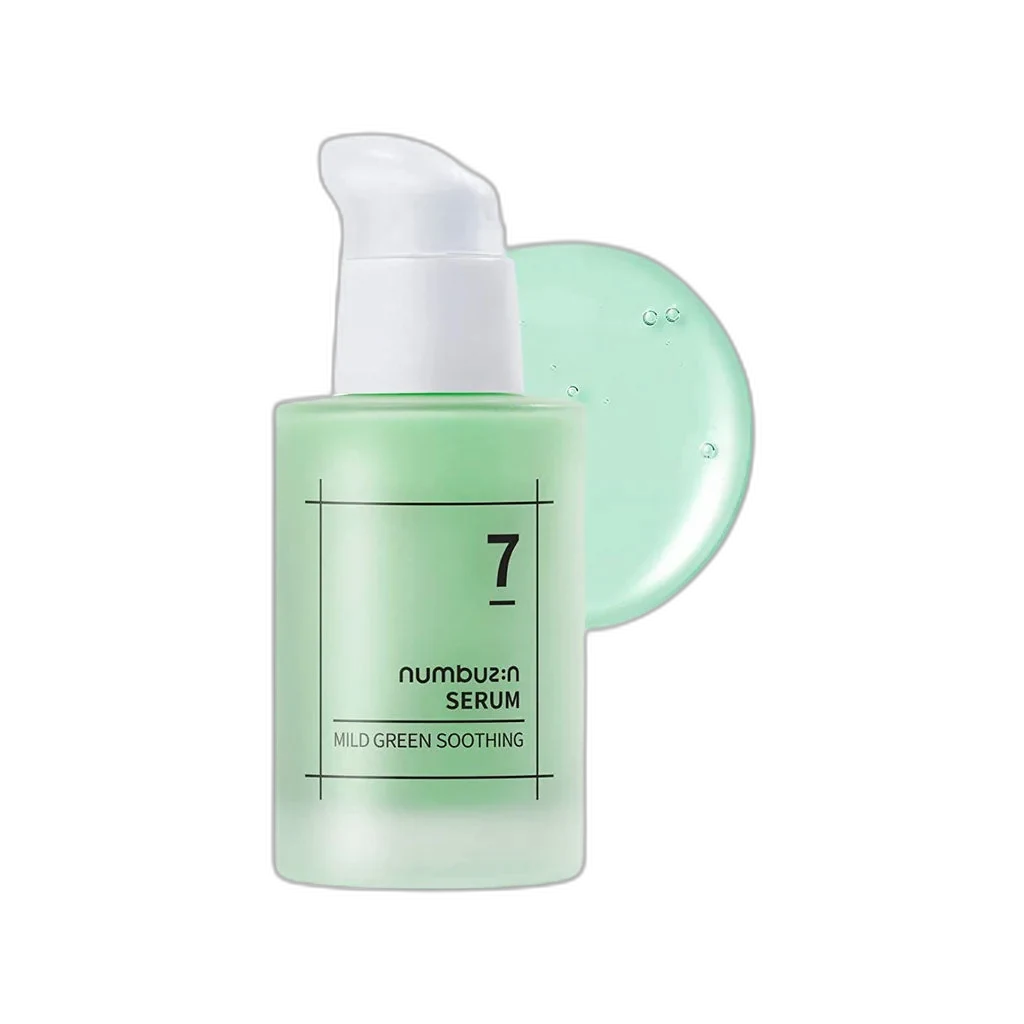
No. 7 Mild Green Soothing Serum
Sensitive Skin Botanical Shield
 Verified reviewer
Pros & cons.
- +Premium centella complex with three isolated triterpenes (asiaticoside, madecassic acid, asiatic acid) for targeted soothing
- +Ceramide NP paired with cholesterol and phospholipids provides genuine barrier repair capability
- +Noni extract as primary base offers strong antioxidant and anti-inflammatory support
- +Heartleaf extract adds antimicrobial properties making it suitable for acne-prone sensitive skin
- +Lightweight gel texture absorbs instantly and layers beautifully under other products
- +No added fragrance — natural herbal scent from botanical extracts only
- −Contains alcohol as last ingredient, creating tension with the soothing positioning
- −Witch hazel extract may concern very sensitive skin users despite low concentration
- −Twenty-nine botanical extracts means most are present at trace levels with limited individual impact
- −50ml bottle at $21 requires frequent repurchasing for twice-daily users
- −Dense botanical blend carries a small risk of sensitivity for those allergic to specific plant extracts
The full review.
This bottle contains an entire apothecary. It features tropical Noni, Heartleaf from Korean mountain streams, and Mugwort from traditional hanbang medicine, plus Lotus leaf, Chrysanthemum, and Chamomile. With twenty-nine botanical extracts, this is either an ambitious soothing serum or a case of ingredient-list padding. The results show it is something interesting.
About Numbuzin No. 7 Serum
Numbuzin’s number seven focuses on calming. This serum uses a Korean philosophy: more is more, provided the ingredients are correct. The list combines Eastern herbal traditions and Western cosmetic science. It uses noni extract (Morinda citrifolia) as the primary base, followed by centella asiatica, heartleaf, mugwort, peony root, and several other anti-inflammatory botanicals.
Reality
The centella complex shows real formulation intelligence. Instead of using generic centella asiatica extract—which varies in potency—this formula includes three isolated triterpene compounds: asiaticoside, madecassic acid, and asiatic acid. These specific molecules drive centella’s wound-healing and anti-inflammatory effects. They are isolated and added separately for therapeutic relevance. The whole extract provides flavonoids and amino acids, while the isolated compounds do the targeted work. This belt-and-suspenders approach is used by serious cica products but skipped by generic ones.
Noni extract is the first ingredient and brings anti-inflammatory benefits. It is rich in iridoids and scopoletin. Noni has a history in traditional Polynesian medicine and reduces oxidative stress and irritation in Korean skincare. Houttuynia cordata—known as heartleaf—adds antimicrobial properties. This makes the serum useful for acne-prone sensitive skin, not just general sensitivity.
The barrier-repair component is well-constructed. Ceramide NP pairs with cholesterol and phospholipids—the three lipids that form the stratum corneum’s intercellular cement. This is a deliberate attempt to mimic the skin’s natural lipid ratio, which matters for the compromised barriers this serum targets.
Texture
The texture is a lightweight water-gel with a faint green tint from the botanical concentration. It spreads easily, absorbs in seconds, and leaves no residue. On irritated skin, it provides an immediate cooling, calming sensation. The faint herbal scent from the botanical extracts is minimal and disappears quickly.
Common Complaints
Regarding the twenty-nine extracts: when a formula lists this many botanicals, each individual concentration is small. Noni extract is present in meaningful quantities because it is listed first. The centella complex has real therapeutic potential due to its isolated triterpenes. Licorice root extract (dipotassium glycyrrhizate), green tea, and chamomile are well-studied at various concentrations. However, mid-to-late list extracts—snow lotus, bamboo leaf, damask rose—are likely present in trace amounts for marketing rather than clinical effect. The top-billed ingredients do the heavy lifting while the supporting cast adds marginal benefit.
Alcohol is the last ingredient, which creates tension in a soothing formula. At this position, the concentration is likely under 1% and probably acts as a solvent for a botanical extract. It will not dry the skin or cause irritation at this level. However, its inclusion may concern consumers looking for products for sensitive and reactive skin.
Witch hazel extract (Hamamelis virginiana) appears mid-list. Witch hazel is an astringent with anti-inflammatory and potentially irritating properties. Here, it likely contributes to the soothing profile, but some very sensitive skin types may avoid it.
Price
At $21 for 50ml, the price matches Numbuzin’s No. 6 serum and fits K-beauty standards. The formulation complexity—specifically the isolated centella triterpenes and the ceramide-cholesterol-phospholipid complex—offers genuine value. You get premium soothing technology at a mid-range price.
How to Use
This serum works well as a calming layer after potentially irritating steps. Use it after chemical exfoliants or retinoids to reduce redness and sensitivity. For chronically sensitive skin, it provides cumulative improvement in skin resilience over four to eight weeks. The lightweight texture layers easily under any moisturizer without adding heaviness.
Conclusion
Numbuzin No. 7 works better than its ingredient-list maximalism suggests. The core formula—centella with isolated triterpenes, noni, heartleaf, and barrier-repair ceramides—is sophisticated. The supporting botanicals add depth without causing harm. Minor contradictions like alcohol and witch hazel are functionally irrelevant for most users. It is a very good soothing serum that uses traditional Korean herbal wisdom.
Ingredient analysis.
Full INCI list
Morinda Citrifolia Extract, Butylene Glycol, Propanediol, 1,2-Hexanediol, Glycerin, Centella Asiatica Extract, Houttuynia Cordata Extract, Artemisia Princeps Leaf Extract, Paeonia Suffruticosa Root Extract, Leonurus Sibiricus Extract, Nelumbo Nucifera Leaf Extract, Melissa Officinalis Extract, Tremella Fuciformis (Mushroom) Extract, Lentinus Edodes Extract, Phyllostachys Nigra Leaf Extract, Saussurea Involucrata Extract, Corchorus Olitorius Leaf Extract, Ilex Paraguariensis Leaf Extract, Malva Sylvestris (Mallow) Flower Extract, Laminaria Japonica Extract, Rosa Damascena Flower Extract, Chrysanthemum Indicum Flower Extract, Solanum Melongena (Eggplant) Fruit Extract, Melia Azadirachta Leaf Extract, Scutellaria Baicalensis Root Extract, Polygonum Cuspidatum Root Extract, Glycyrrhiza Glabra (Licorice) Root Extract, Camellia Sinensis Leaf Extract, Melia Azadirachta Flower Extract, Hamamelis Virginiana (Witch Hazel) Extract, Chamomilla Recutita (Matricaria) Flower Extract, Rosmarinus Officinalis (Rosemary) Leaf Extract, Hydrolyzed Jojoba Protein, Aloe Barbadensis Leaf Extract, Melaleuca Alternifolia (Tea Tree) Leaf Water, Sodium Hyaluronate, Butyrospermum Parkii (Shea) Butter, Allantoin, Caprylic/Capric Triglyceride, Asiaticoside, Madecassic Acid, Asiatic Acid, Ceramide NP, Glyceryl Polymethacrylate, Ammonium Acryloyldimethyltaurate/VP Copolymer, Hydrogenated Lecithin, Glyceryl Stearate, Pyridoxine HCl, Phospholipids, Cholesterol, Calcium Pantothenate, Arachidyl Glucoside, Silica, Stearic Acid, Maltodextrin, Tromethamine, Carbomer, Water, Ethylhexylglycerin, Disodium EDTA, Alcohol
Skin match.
The science.
The Science
The isolated centella triterpenes in this formula are the gold standard for topical cica delivery. Asiaticoside, madecassic acid, and asiatic acid are the three primary bioactive compounds in Centella asiatica that drive wound-healing and anti-inflammatory effects. A 2016 review in the International Journal of Cosmetic Science confirmed these triterpenes stimulate collagen synthesis, inhibit inflammatory mediators, and promote angiogenesis in damaged skin to accelerate barrier repair.
Asiaticoside increases type I collagen production by stimulating TGF-beta signaling pathways. Madecassic acid provides potent anti-inflammatory activity by inhibiting NF-kB and iNOS pathways, a mechanism validated in the Journal of Ethnopharmacology. Using all three triterpenes with whole centella extract works better than any single compound alone, supporting this formula's comprehensive approach.
Morinda citrifolia (noni) extract serves as the formula's primary base. It contains iridoids—specifically deacetylasperulosidic acid—that have anti-inflammatory and antioxidant properties. Research in Phytotherapy Research shows noni inhibits COX-2 expression and reduces inflammatory cytokine production in skin cells, which supports its traditional use for skin calming.
The ceramide NP-cholesterol-phospholipid complex matches current understanding of stratum corneum lipid architecture. A landmark study by Bouwstra et al. in the Journal of Lipid Research established that the ratio of ceramides, cholesterol, and free fatty acids in the stratum corneum is critical for barrier function. Formulations with all three lipid classes restore barrier function more effectively than single-lipid formulations.
Houttuynia cordata (heartleaf) has significant research backing in Korean dermatological literature. Studies in the Journal of Cosmetic Dermatology show its antimicrobial activity against Cutibacterium acnes (formerly P. acnes) and its anti-inflammatory properties, making it a dual-action ingredient for acne-prone sensitive skin.
References
- Centella asiatica in cosmetology: current review of phytochemistry and therapeutic properties — International Journal of Cosmetic Science (2016)
- Stratum corneum lipid organization and barrier function — Journal of Lipid Research (2003)
Dermatologist Perspective
Dermatologists in Asia are increasingly familiar with the botanical ingredients in this serum, especially centella asiatica, houttuynia cordata, and artemisia. Board-certified dermatologists note that combining isolated centella triterpenes with whole extract is more clinically rigorous than most centella-based products. The ceramide-cholesterol-phospholipid complex follows established dermatological protocols for barrier repair. For patients with chronically sensitive or rosacea-prone skin, dermatologists may view this as a reasonable soothing step, though they note the minor presence of alcohol and witch hazel as potential concerns for the most reactive patients.
Where it fits in your routine.
Apply 2-3 drops to clean skin after toner, morning and evening. Pat it into areas of redness, irritation, or sensitivity. Follow with moisturizer. Use it as a recovery step after exfoliation or retinoid application by applying it generously to buffered skin. For acute irritation or redness, apply a thick layer as a soothing treatment and let it absorb fully before the next step.
At $21 for 50ml, this serum offers complex formulation at a K-beauty mid-range price. The isolated centella triterpenes and the ceramide-cholesterol-phospholipid barrier repair system use ingredients usually found in expensive clinical brands. The botanical diversity includes several well-studied anti-inflammatory extracts, even if it serves some marketing. For the price, this soothing serum is more sophisticated than most alternatives in its range, but the 50ml size increases the per-month cost with regular use.
This serum calms chronic skin sensitivity, redness, or irritation using botanical ingredients. It suits K-beauty cica fans wanting more than basic centella extract. It also works for people using irritating actives (retinoids, AHAs) who need a dedicated soothing step.
The dense extract list (29 plants) increases reaction odds if you have known allergies to multiple botanical ingredients. Skip this if you cannot tolerate any alcohol in your skincare, even at trace amounts — the psychological discomfort may outweigh the product's benefits.
Product details.
Botanical extracts provide a faint, natural herbal scent without added fragrance.
A frosted glass dropper bottle has a green-tinted label, matching Numbuzin's numbered aesthetic. The green color reflects the soothing botanical theme.
The gel feels cool and calming when applied. Existing redness or irritation visibly diminishes within the first few uses. No purging or adjustment period occurs. The faint herbal scent dissipates quickly.
6-8 weeks with twice-daily use ***
12 months ***
All Year ***
The backstory.
Number seven in Numbuzin's system targets soothing and calming, drawing heavily from Korean traditional medicine. The formula reads like a herbalist's apothecary — noni, heartleaf, mugwort, lotus leaf, chrysanthemum, and two dozen more botanicals — reflecting Korea's deep tradition of plant-based skin remedies translated into modern cosmetic science.
About Numbuzin
Established Brand (5–20 years)Numbuzin launched in 2019 via Korea's Benow Inc. and has a large following for its numbered skincare system. The No. 7 line focuses on calming and soothing, using traditional Korean botanical ingredients and modern actives like isolated centella compounds.
Common myths.
More botanical extracts means more effective soothing.
The 29 extracts in this formula make a long ingredient list, but each extract concentration is likely low. The isolated centella triterpenes (asiaticoside, madecassic acid, asiatic acid) and the first-listed noni extract do most of the work.
Any product with alcohol is bad for sensitive skin.
Alcohol is the last ingredient in this formula, so its concentration is minimal. At these levels, it works as a preservative or solvent for botanical extracts and does not dry the skin.
FAQ.
Is the Numbuzin No. 7 serum good for rosacea-prone skin?
The centella asiatica complex with isolated triterpenes and the noni extract provide anti-inflammatory benefits that many rosacea-prone users find helpful. Patch test first — the dense botanical blend and trace amounts of alcohol and witch hazel can trigger reactive skin in some individuals.
Can I use this serum with retinol?
Yes — this serum works well as a buffer or recovery step with retinoid treatments. Apply it after your retinoid to soothe irritation, or use it on alternate nights when your skin needs a break from active treatments.
Does this serum contain fragrance?
This formula has no added fragrance. Noni, heartleaf, mugwort, and green tea botanical extracts provide a faint herbal scent that dissipates quickly.
What does the green color in this serum come from?
The light green tint is natural. It comes from high concentrations of green botanical extracts, specifically centella asiatica, green tea, and artemisia (mugwort). No artificial colorants are added.
How is this different from other centella serums?
Most centella serums use only the whole extract. This formula uses three isolated triterpene compounds (asiaticoside, madecassic acid, asiatic acid) for targeted soothing, plus 28 botanical extracts and ceramide NP to repair the barrier.
Community ---
What the community says.
"Effectively calms redness and irritation within minutes"
"Lightweight gel texture absorbs quickly without stickiness"
"Works well to soothe skin after irritating treatments"
"Impressive botanical ingredient list for the price"
"Noticeable improvement in skin sensitivity over time"
"Contains alcohol as the last ingredient which concerns some users"
"Witch hazel may irritate very sensitive skin despite the soothing intent"
"50ml runs out quickly with twice-daily use"
"Some users report initial sensitivity to the dense botanical blend"
People also looked at.