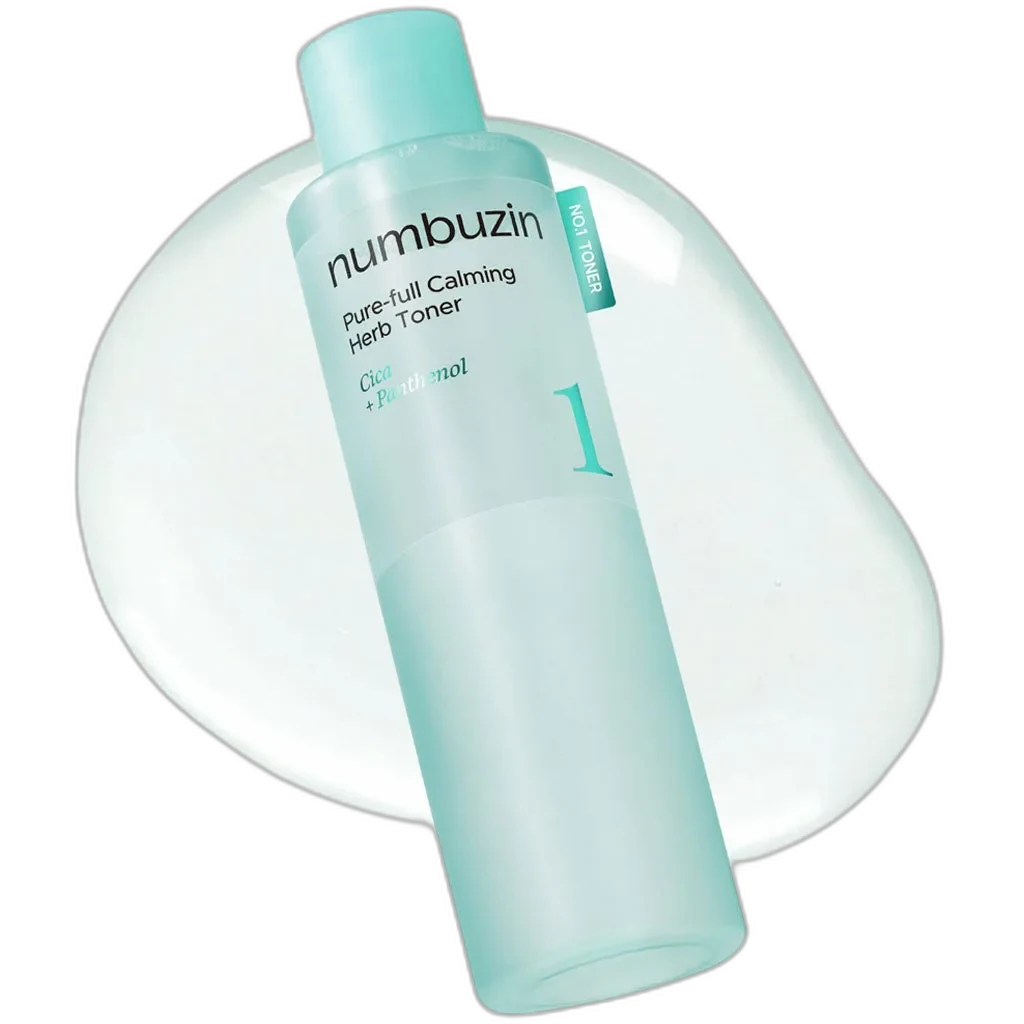
No. 1 Pure-Full Calming Herb Toner
K-Beauty Calming Toner Staple
 Verified reviewer
Pros & cons.
- +93% botanical extract concentration — centella, heartleaf, and licorice root at named percentages
- +Remarkably clean 18-ingredient formula with zero fragrance, alcohol, silicones, or oil
- +pH 5.5 matches the skin's natural acid mantle for optimal post-cleanse barrier restoration
- +Generous 300 ml bottle lasts 3-4 months at an outstanding price-to-volume ratio
- +Suitable for virtually all skin types including very sensitive and rosacea-prone skin
- +Brand cites clinical testing showing significant breakout and redness reduction
- +Also available in 100 ml travel size and refill sets for sustainability
- −Ultra-lightweight formula may not feel like enough for users accustomed to thicker toners
- −Not a substitute for targeted actives — works best as a calming prep step in a multi-step routine
- −Subtle, gradual results may disappoint those expecting dramatic visible changes
- −Contains hyacinth extract which, while at low concentration, may concern flower-allergic users
- −Emerging brand with limited independent clinical data despite brand-cited testing
- −Transparent bottle could allow UV degradation of botanical actives — store away from direct sunlight
The full review.
There is something quietly radical about the Numbuzin No. 1 Pure-Full Calming Herb Toner’s ingredient list. Eighteen ingredients. That is it. In a skincare market where brands routinely pack fifty or sixty ingredients into a single product and dedicate marketing copy to each one, Numbuzin went the opposite direction and built a toner that is essentially three botanical extracts, a handful of humectants, and the bare minimum preservative and stabilizer system needed to keep it all viable in a bottle.
Those three extracts are not decorative. Centella asiatica at 39.2%, houttuynia cordata at 28.1%, and licorice root at 25.7% together comprise 93% of the formula. This is not ‘2% centella extract in a water base with a centella leaf on the label.’ This is a toner where the botanical extracts are the formula, and the remaining 7% exists to preserve it, adjust its pH, and give it just enough body to feel like a product rather than herbal tea.
The experience matches the philosophy. This toner feels like water. It pours clear, applies with zero drag, and absorbs the instant it contacts skin. There is no film, no tack, no residue. If you are used to the slightly viscous, cushiony toners common in K-beauty, this may initially feel like nothing is happening. And in a sense, that is the point. This is a toner designed to disappear into your skin as quickly as possible, leaving behind the active compounds from three well-studied anti-inflammatory plants.
Centella asiatica needs little introduction to anyone who has spent time in the K-beauty world. Its triterpene actives — madecassoside and asiaticoside — have been documented in dozens of studies for their anti-inflammatory and collagen-supporting properties. At nearly 40% of this formula, centella is present at a concentration that far exceeds what most ‘centella’ products actually deliver.
Houttuynia cordata, known as heartleaf in K-beauty parlance, brings antioxidant and antimicrobial properties. It has become a staple in Korean sensitive-skin products over the past few years, valued for its ability to calm heat-related redness and reduce bacterial counts on the skin surface. At 28.1%, it is present at a meaningful therapeutic concentration rather than a token inclusion.
Licorice root extract at 25.7% provides glabridin for tyrosinase inhibition — addressing the hyperpigmentation that often accompanies acne — and glycyrrhizin for anti-inflammatory activity. Together, the three extracts create a calming system that addresses redness, inflammation, bacteria, and post-inflammatory pigment from three different directions.
The pH 5.5 formulation is worth noting. The skin’s natural acid mantle sits around pH 4.5-5.5, and many cleansers temporarily raise this, disrupting barrier function. A pH-matched toner restores the optimal acid environment immediately after cleansing, creating better conditions for the actives in subsequent products to penetrate effectively.
The clinical claims are specific enough to be interesting: 46.3% breakout reduction in 2 weeks, 30.9% blackhead reduction in 4 weeks, 29.9% excess oil reduction. While these numbers come from brand-sponsored testing and should be taken with appropriate context, they suggest genuine measurable activity from a product that might otherwise be dismissed as ‘just water with plants.’
For a toner, the value proposition is exceptional. Three hundred milliliters for approximately fifteen dollars, lasting three to four months with twice-daily use. A 100 ml travel size and refill sets are also available. This is not a product you will feel guilty about using generously, soaking a cotton pad, or layering multiple applications on particularly irritated skin days.
The limitations are proportional to the simplicity. This is a hydration prep step and calming treatment, not a replacement for targeted actives like retinoids, AHAs, or concentrated niacinamide serums. Very dry skin will need substantial moisture layered on top. The effects build gradually — this is not a product that delivers instant visible drama, but rather one that makes everything in your routine work slightly better while quietly reducing redness day by day.
For sensitive, acne-prone, or rosacea-affected skin — the skin types most poorly served by overcomplicated, heavily fragranced products — this toner is exactly what it should be. Clean, calm, effective, and smart enough to know that what you leave out of a formula matters as much as what you put in.
Ingredient analysis.
Full INCI list · pH 5.5
Water, 1,2-Hexanediol, Dipropylene Glycol, Propanediol, Butylene Glycol, Glycerin, Glycyrrhiza Uralensis (Licorice) Root Extract, Houttuynia Cordata Extract, Carbomer, Centella Asiatica Extract, Hydroxyethylcellulose, Arginine, Allantoin, Disodium EDTA, Polygonum Multiflorum Extract, Betaine, Hyacinthus Orientalis (Hyacinth) Extract, Panthenol, Nymphaea Alba Flower Extract
Skin match.
The science.
The Science
The toner uses a 93% botanical extract base featuring three of the most studied anti-inflammatory plant extracts in Asian dermatological research.
Centella asiatica at 39.2% provides triterpene glycosides — mainly madecassoside, asiaticoside, asiatic acid, and madecassic acid. A 2013 review in the Journal of Ethnopharmacology shows centella's dual mechanism: madecassoside inhibits NF-kB-mediated inflammatory signaling while asiaticoside promotes fibroblast proliferation and collagen synthesis. This 39.2% concentration exceeds the typical 1-5% range in centella-containing products, though extraction methodology determines the actual triterpene active concentration.
Houttuynia cordata (heartleaf) at 28.1% provides quercitrin and other flavonoids with documented antioxidant and anti-inflammatory activity. A 2014 study in the Journal of Ethnopharmacology shows houttuynia cordata extract reduced pro-inflammatory cytokine production (TNF-α, IL-6) in human keratinocytes, supporting its traditional use for skin inflammation.
Glycyrrhiza uralensis (licorice) root extract at 25.7% provides glabridin, a flavonoid that inhibits tyrosinase activity and melanin synthesis. A 2003 study in Pigment Cell Research shows glabridin inhibits UVB-induced pigmentation in vivo. Glycyrrhizin, another licorice-derived active, mimics cortisol to provide anti-inflammatory activity through a pathway distinct from the centella mechanism.
The pH 5.5 formulation follows research showing that a natural acid mantle optimizes barrier function and antimicrobial defense. A 2006 study in Skin Pharmacology and Physiology shows products at skin-physiological pH (4.5-5.5) support barrier recovery better than alkaline or neutral-pH products.
References
- Centella asiatica: a review of pharmacological and clinical uses — Journal of Ethnopharmacology (2013)
- Anti-inflammatory effects of Houttuynia cordata extract on human keratinocytes — Journal of Ethnopharmacology (2014)
Dermatologist Perspective
Dermatologists value this minimalist formulation because it excludes fragrance, alcohol, and unnecessary additives — matching recommended protocols for sensitive and acne-prone skin. Board-certified dermatologists note that evidence supports the anti-inflammatory activity of all three primary botanical extracts, and the 93% concentration shows a commitment to active ingredients over water filler. Dermatologists often recommend this calming toner as the first post-cleanse step for patients using retinoids or exfoliating acids to restore pH balance and buffer stronger actives. For rosacea patients, dermatologists note the centella and licorice root combination works well for daily anti-inflammatory maintenance.
Where it fits in your routine.
Dispense a quarter-sized amount onto clean palms or a cotton pad after cleansing. Pat gently into the face from the center outward. Do not rub. For extra hydration, apply 2-3 layers using the K-beauty 7-skin method — each layer absorbs fast enough to reapply within seconds. Follow with serum and moisturizer. Use morning and evening. You can also soak a thin cotton pad to use as a DIY calming compress for inflamed or irritated areas.
At $14.69 for 300 ml, this is one of the best values in K-beauty toners. The cost is about $0.05 per milliliter. One bottle lasts 3-4 months with twice-daily use, making the annual cost roughly $40-60. This toner contains 93% concentrated botanical extracts, which shows high ingredient quality for the price. A 100 ml travel size is available for those who want to try it before buying the full bottle. Numbuzin is an emerging brand, but the ingredient quality at this price suggests the company prioritizes product value over brand markup.
This toner works for sensitive, acne-prone, rosacea-affected, or easily irritated skin needing a calming, no-frills step. It suits users who value ingredient transparency and simplicity, retinol or acid users needing a soothing buffer, and K-beauty enthusiasts using the 7-skin layering approach. The price makes high-quality botanicals accessible to budget-conscious consumers.
Users who prefer thick, cushiony toner textures may find this too watery. Those with very dry skin need richer hydrating layers on top. Anyone allergic to plants in the Apiaceae family (which includes centella) or sensitive to licorice-derived ingredients should patch test first.
Product details.
Crystal-clear, watery liquid with near-zero viscosity. It feels like water with slight slip from the glycerin and betaine.
Unscented — no added fragrance. A faint herbal note exists if you smell the liquid directly, but you won't notice it during normal application.
Tall clear plastic bottle uses a disc-cap dispenser for controlled pouring. A 100 ml travel size is also available. Some retailers sell a 300 ml + 300 ml refill set.
The first application feels like splashing water on your face—that lightweight. The toner absorbs instantly without film, stickiness, or residue. Within the first few days of use, users with redness-prone skin see a subtle, real calming effect. The experience is minimal and unobtrusive, which is exactly the point for many users.
3-4 months using palms twice daily; 2-3 months using cotton pads
12 months
All Year
The backstory.
Numbuzin's No. 1 line is dedicated to calming, and this toner is its foundation product. The formula reflects a minimalist K-beauty philosophy where the water base of a toner is replaced almost entirely with functional botanical extracts. Rather than marketing '2% centella' or 'contains heartleaf,' Numbuzin committed to making these extracts comprise 93% of the entire formula — a concentration claim that genuinely sets it apart.
About Numbuzin
Emerging Brand (2–5 years)Numbuzin launched in 2019 via Korean beauty startup Benow. This toner is one of the brand's best-selling products globally, sold at Olive Young and now at Target in the US. The brand uses clinical testing to back its breakout and oil reduction claims.
Common myths.
High percentage botanical extract claims are just plant material in diluted water.
Botanical extracts are water-based solutions with dissolved plant actives. The concentration of active compounds (madecassoside, glabridin, etc.) within these extracts matters. With 93% extract content and named concentrations for each extract, this toner delivers more active botanical compounds per application than a toner with '2% centella extract' in a water base.
Toners are unnecessary if you use a serum.
At pH 5.5, this toner has a specific job: it restores the skin's acid mantle after cleansing (which typically raises skin pH) and pre-hydrates the stratum corneum to help subsequent products absorb better. The botanical extracts also deliver anti-inflammatory benefits before you apply the serum. Skipping it removes a calming step that primes skin for better product absorption.
FAQ.
Is Numbuzin Calming Herb Toner good for acne?
The brand's clinical testing shows a 46.3% reduction in breakouts within 2 weeks. The formula uses a 93% botanical extract base — centella asiatica, heartleaf, and licorice root — to provide anti-inflammatory and antimicrobial activity. This addresses acne redness and bacteria without harsh active ingredients.
How do you use Numbuzin Calming Herb Toner?
After cleansing, dispense a quarter-sized amount onto palms or a cotton pad and pat into the skin. Layer 2-3 applications for extra hydration using the K-beauty '7-skin method.' Follow with serum and moisturizer. Use morning and evening as the first step after cleansing.
Is this toner safe for sensitive skin and rosacea?
The formula is fragrance-free, alcohol-free, and uses three proven calming extracts: centella, heartleaf, and licorice root. The pH 5.5 formulation protects the skin's natural acid mantle. Users with sensitive and rosacea-prone skin report calming effects instead of irritation.
What does 93% herbal extract mean in this toner?
Three botanical extracts make up 93% of the formula: centella asiatica (39.2%), houttuynia cordata/heartleaf (28.1%), and licorice root (25.7%). The other 7% contains functional ingredients—humectants like glycerin, a preservative system, a pH adjuster, and thickeners. The formula has no 'filler' water beyond what the botanical extracts naturally contain.
Can I use this toner with retinol or active acids?
The pH 5.5 formulation and calming botanical base make this toner an excellent prep step before stronger actives like retinol, AHAs, or BHAs. Apply the toner first to calm and hydrate the skin, then follow with your active treatment. The centella and licorice root help buffer irritation from retinol and acids.
How long does the 300 ml bottle last?
Apply by hand twice daily to get 3-4 months per bottle. Using cotton pads absorbs more product and lasts 2-3 months. The 300 ml size offers great value in the K-beauty toner category for its price.
What the community says.
"Ultra-lightweight watery texture absorbs instantly without any residue"
"Visibly calms redness and irritation within the first week of use"
"Clean, minimal ingredient list with 93% botanical extracts"
"Generous 300 ml bottle lasts months even with twice-daily use"
"Fragrance-free and gentle enough for the most reactive sensitive skin"
"pH 5.5 maintains the skin's natural acid mantle during toning"
"May not provide enough standalone hydration for very dry skin types"
"Subtle effects may not feel dramatic enough for those expecting visible transformation"
"The hyacinth extract, while at low concentration, may concern those with flower allergies"
"Lightweight formula offers limited occlusion — best as a hydration prep step"