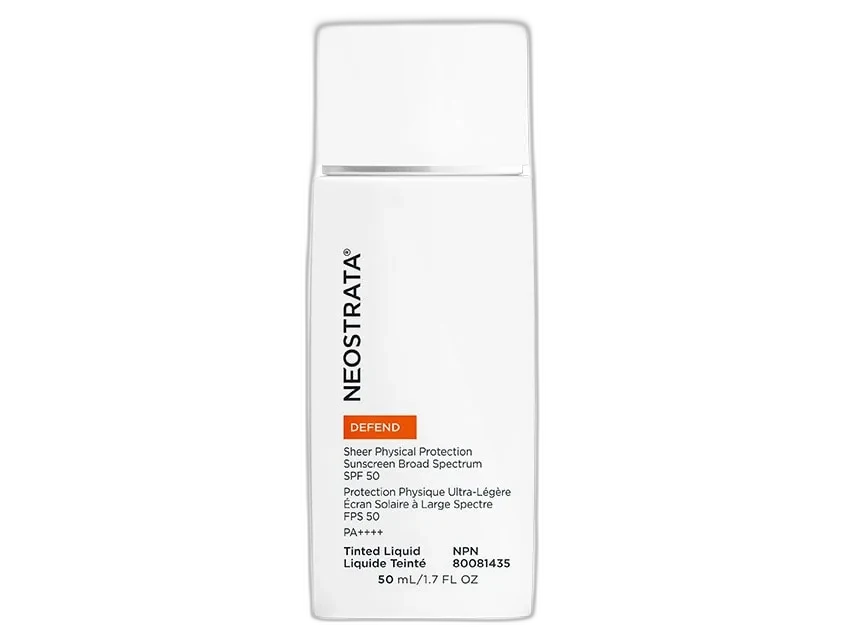
Defend Sheer Physical Protection SPF 50
Derm-Office Sun Defense
 Verified reviewer
Pros & cons.
- +Triple-layer photoprotection: mineral UV filters, iron oxides for visible light, PHA-antioxidant defense
- +100% mineral actives safe for sensitive, reactive, and post-procedure skin
- +Fragrance-free with a clean, non-irritating inactive ingredient profile
- +Elegant matte finish rare in mineral sunscreen formulations
- +Iron oxides provide visible light filtering relevant for melasma management
- +NeoStrata's signature PHAs add barrier support without photosensitivity
- −Premium $47 price for a 50ml tube creates significant annual cost
- −Universal tint works best on fair to medium skin tones only
- −Can feel drying or cause flaking on very dry or dehydrated skin
- −Small tube requires frequent repurchasing with proper daily application amounts
- −Silicone-heavy base may not appeal to silicone-free preferences
The full review.
Most sunscreens use a simple premise: block ultraviolet radiation. They do this well using mineral particles that reflect UV or chemical molecules that absorb it. NeoStrata dermatologists think in systems rather than single mechanisms, so Sheer Physical Protection SPF 50 uses a more complete understanding of light-induced skin damage.
The mineral foundation is solid: 7% titanium dioxide and 6% zinc oxide deliver SPF 50 broad-spectrum protection by physically reflecting and scattering UV. These are the safest, most well-established UV filters available. Their presence makes this sunscreen appropriate for sensitive, reactive, and post-procedure skin where chemical filters cause irritation. But mineral filters are only the first layer of this formula’s defense.
The iron oxides, listed at the end of the INCI as CI 77491, 77492, and 77499, do more than tint the sunscreen. They provide a universal tint that blends the white minerals into a skin-compatible shade. Iron oxides also filter visible light, specifically the high-energy visible (HEV) blue light range. Research shows visible light triggers hyperpigmentation, especially in melasma patients and darker skin tones. Mineral UV filters do not block this spectrum, but iron oxides do. This distinction is clinically meaningful for anyone managing hyperpigmentation or melasma.
The third layer uses NeoStrata’s heritage. Gluconolactone and lactobionic acid, both polyhydroxy acids invented by NeoStrata’s founders, work as antioxidants. They neutralize free radicals generated by UV exposure that penetrates past the physical filters. No sunscreen blocks 100% of UV radiation; the resulting oxidative damage contributes to DNA damage and photoaging. These PHAs address that gap. Gluconolactone also acts as a gentle humectant to counteract the drying tendency of mineral sunscreens, while lactobionic acid chelates iron ions that catalyze oxidative reactions in the skin.
Epigallocatechin gallate (EGCG) from green tea adds a fourth antioxidant layer. EGCG is a potent polyphenol antioxidant in dermatology that reduces DNA damage and UV-induced erythema. This inclusion makes this the most comprehensive photoprotection system in a consumer sunscreen.
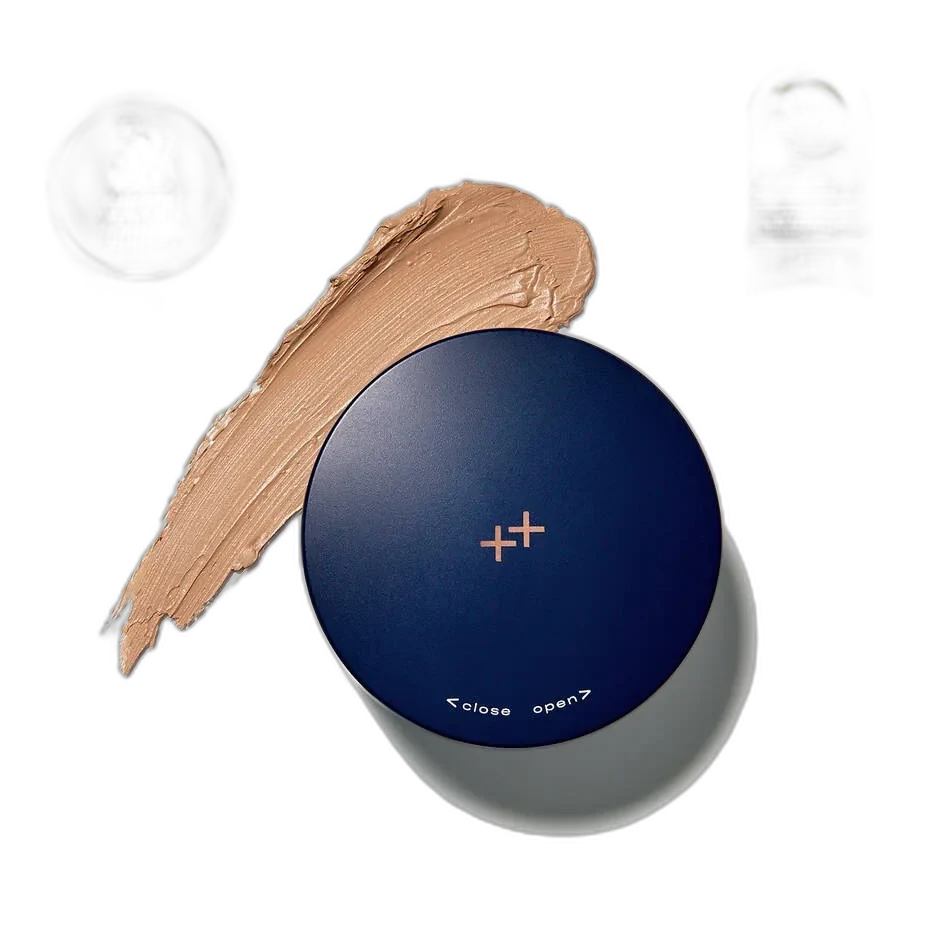
The texture shows impressive cosmetic chemistry for a 100% mineral sunscreen. Traditional zinc oxide and titanium dioxide formulations are usually thick, chalky, and leave a white cast. NeoStrata uses a silicone-based vehicle to disperse mineral particles into a thin, fluid consistency. It applies like a lightweight tinted moisturizer rather than a traditional mineral sunscreen. The matte finish develops within minutes and feels comfortable and non-greasy, working well under makeup or alone.
The tint needs honest assessment. It is marketed as universal and works well on fair to medium skin tones, providing sheer, natural-looking coverage that evens minor discoloration. On darker skin tones, the tint may look ashy or insufficient, which limits the universal claim. The sheer application helps it adapt to various complexions, but the product does not disappear completely on deeper skin.
The fragrance-free formulation fits a product for sensitive and post-procedure skin. No ingredient in the list is a gratuitous irritation risk, which distinguishes it from the Collagen Booster’s puzzling essential oil inclusion.
At $47 for 50ml, this is a premium sunscreen. The price reflects the complex formulation, the NeoStrata brand, and the dermatologist-office distribution channel. A tube lasts roughly four to six weeks with proper daily facial application. The annualized cost is significant. Budget-conscious consumers can find effective mineral sunscreens for less, though likely without the PHA-antioxidant system and visible light protection found here.
Some users report the sunscreen feels slightly drying or causes minor flaking on very dry skin. The matte-finish silicone base may not provide enough moisture for dehydrated skin types. Applying a hydrating moisturizer underneath solves this for most users.
This sunscreen follows NeoStrata’s philosophy: protect skin from light damage completely. It uses UV filters for ultraviolet, iron oxides for visible light, PHAs for barrier support and antioxidant defense, and EGCG for additional free radical neutralization. It is the most intellectually thorough approach to photoprotection in a consumer product from a brand with the science to back it up.
Formula
Ingredient analysis.
Full INCI list
Active Ingredients: Titanium Dioxide 7%, Zinc Oxide 6%. Inactive Ingredients: Aqua/Water/Eau, Dimethicone, Isododecane, C12-15 Alkyl Benzoate, Hydrogenated Polydecene, Butyloctyl Salicylate, Gluconolactone, Styrene/Acrylates Copolymer, Alumina, Ammonium Hydroxide, Lactobionic Acid, PEG-9 Polydimethylsiloxyethyl Dimethicone, Phenethyl Benzoate, Nylon-12, DL-Alpha Tocopheryl Acetate, Epigallocatechin Gallate, Polyhydroxystearic Acid, Ethylhexylglycerin, Tocopherol, Dimethicone/PEG-10/15 Crosspolymer, Hydrogen Dimethicone, Isohexadecane, Sodium Citrate, Disteardimonium Hectorite, Magnesium Sulfate, Dipropylene Glycol, Propylene Carbonate, Sodium Bisulfite, Triethoxycaprylylsilane, Phenoxyethanol, Iron Oxides (CI 77492), Iron Oxides (CI 77491), Iron Oxides (CI 77499)
Skin match.
The science.
The Science
This sunscreen uses a photoprotection strategy based on current research regarding full-spectrum light-induced skin damage.
The mineral actives, titanium dioxide and zinc oxide, are the most studied UV filters in dermatology. They work physically: they sit on the skin surface to scatter, reflect, and absorb UV photons before they reach viable skin cells. FDA Category I classification confirms their safety and efficacy. Using both minerals ensures coverage across the UVB (290-320nm) and UVA (320-400nm) spectrum.
Clinical research highlights iron oxides' role in visible light protection. A 2010 study in the Journal of the American Academy of Dermatology by Castanedo-Cazares et al. showed that tinted sunscreens with iron oxides protect better against visible-light-induced pigmentation than non-tinted mineral sunscreens. A 2014 study in Photodermatology, Photoimmunology & Photomedicine confirmed that iron oxide-containing sunscreens reduce melasma relapse more than mineral-only sunscreens. This makes tinted iron oxide sunscreens a standard for melasma management protocols.
NeoStrata's signature PHAs, gluconolactone and lactobionic acid, were invented by the brand's founders and have extensive research behind them. Research in Clinics in Dermatology shows PHAs provide antioxidant, humectant, and barrier-strengthening benefits similar to AHAs but without photosensitivity. Lactobionic acid's iron-chelating properties matter in sunscreen: free iron ions in the skin catalyze Fenton reactions that create hydroxyl radicals during UV exposure; chelating these ions reduces oxidative damage.
Research in the Archives of Dermatology shows topical EGCG (epigallocatechin gallate) reduces UV-induced erythema, DNA damage, and immunosuppression in human skin. This adds an antioxidant defense layer that complements the mineral and PHA components.
Dermatologist Perspective
Board-certified dermatologists view this as one of the most scientifically complete mineral sunscreens on the market. Dermatologists value the iron oxide for melasma patients, since visible light protection is now a standard part of melasma management protocols. The PHA technology is a NeoStrata innovation that adds value beyond mineral filters alone. Post-procedure dermatologists often recommend this sunscreen for patients recovering from chemical peels, laser treatments, and microneedling, because the mineral-only actives and fragrance-free base minimize irritation on healing skin.
Where it fits in your routine.
Apply a generous amount to your face and neck after moisturizer as the last step in your morning skincare routine. Use a nickel-sized amount for the face and a pea-sized amount for the neck. Let it set for 1-2 minutes before applying makeup. Reapply every 2 hours during prolonged sun exposure. Use it as a light tinted moisturizer on days when you want minimal makeup.
At $47 for 50ml, this sunscreen is premium-priced. The formulation complexity justifies the cost: dual mineral actives, iron oxides for visible light, two PHAs, and EGCG antioxidant. No cheaper competing sunscreen offers this complete photoprotection system. However, users who do not need the PHA-antioxidant system or visible light protection can find effective mineral sunscreens for much less. For melasma patients and post-procedure care, this specific combination of benefits makes it a worthwhile investment.
This mineral sunscreen works for anyone seeking scientific coverage, especially those with melasma, hyperpigmentation, or post-procedure recovery. It suits dermatology patients wanting complete photoprotection in a cosmetically elegant format. It also works for sensitive skin types needing fragrance-free, mineral-only sun protection.
People with deeper skin tones needing a matched tinted sunscreen will find this tint too light. Budget-conscious consumers get effective mineral SPF 50 for much less. Those seeking silicone-free formulations should look elsewhere.
Product details.
Fragrance-free. No detectable scent.
50ml tube with a screw cap. Standard sunscreen packaging. This small size is typical for premium facial sunscreens but feels limiting at $47, especially since you need generous application.
Applies with a sheer, tinted finish to even skin tone. It blends smoothly without the chalkiness typical of mineral sunscreens. It sets to a comfortable matte finish within minutes. Application causes no stinging or irritation.
4-6 weeks with daily facial application
12 months
All Year
The backstory.
NeoStrata's PHAs were discovered by the same team that discovered AHAs, and this sunscreen represents their most elegant integration of PHA technology into a UV-protection product. The inclusion of gluconolactone and lactobionic acid in a sunscreen was a natural extension of their research showing that PHAs provide antioxidant and barrier-strengthening benefits without increasing photosensitivity, the limitation that makes AHAs problematic in daytime products.
About NeoStrata
Established Brand (5–20 years)Dermatologists Dr. Eugene Van Scott and Dr. Ruey Yu founded NeoStrata in 1988. They invented alpha hydroxy acid technology. The brand has over 110 patents and nearly 250 published clinical studies.
Common myths.
Mineral sunscreens always leave a white cast and feel heavy.
This formula uses micronized zinc oxide and titanium dioxide with iron oxide tinting to remove the white cast found in older mineral formulations. The silicone-based vehicle applies lightly and non-greasily, matching many chemical sunscreens in cosmetic elegance.
SPF 50 provides dramatically more protection than SPF 30.
SPF 50 blocks about 98% of UVB rays, while SPF 30 blocks 97%. This difference is small, but the higher SPF allows a larger margin of error for under-application, which most people do. This sunscreen's real advantage is its broad-spectrum mineral protection plus antioxidant and visible light defense.
FAQ.
What skin tones does the NeoStrata tinted sunscreen work for?
The universal tint works best on fair to medium skin tones. It provides sheer, natural-looking coverage that evens skin tone without an orange cast. The tint may look too light or ashy on deeper skin tones. Because the application is sheer, the tint adapts somewhat, but it is not truly universal.
Can you use NeoStrata SPF 50 after a chemical peel or laser treatment?
Yes, this formula targets post-procedure use. Mineral-only filters, a fragrance-free formula, and PHA-based barrier support suit sensitive post-procedure skin. The gluconolactone and lactobionic acid support the barrier gently without the irritation risk of chemical sunscreens.
What are PHAs in NeoStrata sunscreen?
Polyhydroxy acids (gluconolactone and lactobionic acid) are NeoStrata's specialty ingredients. In this sunscreen, they serve as humectants, antioxidants, and gentle skin-conditioning agents. Unlike AHAs, PHAs don't increase photosensitivity, making them uniquely suited for sun-protection products.
Is NeoStrata Sheer Physical Protection good for melasma?
This sunscreen helps manage melasma. Mineral filters block UV radiation, iron oxides filter visible light—a known melasma trigger—and PHA antioxidants neutralize free radicals. This multi-layer approach targets the three main light-based triggers of melasma pigmentation.
What the community says.
"Elegant matte finish for a mineral sunscreen"
"Universal tint works on fair to medium skin tones"
"No white cast for most users"
"Fragrance-free and gentle on sensitive skin"
"Premium price at $47 for 50ml"
"Tint may not suit darker skin tones well"
"Can feel drying or cause flaking on very dry skin"
"Texture is thin and watery, which some find unusual"
Featured in.
People also looked at.