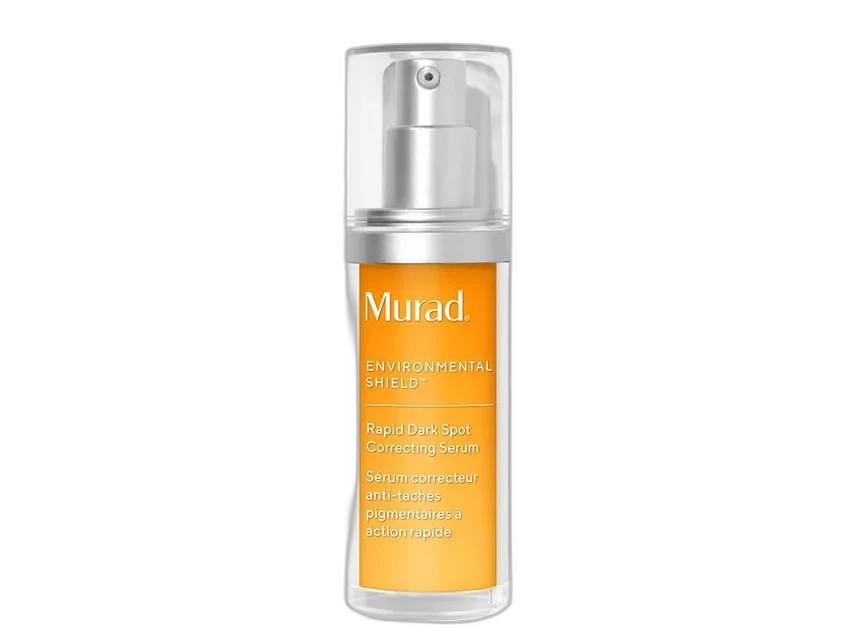
Rapid Dark Spot Correcting Serum
Dark Spot Powerhouse
 Verified reviewer
Pros & cons.
- +Tranexamic acid addresses inflammatory and hormonal pigmentation pathways
- +Four distinct brightening mechanisms for comprehensive dark spot targeting
- +Glycolic acid provides visible surface-level brightening within days
- +Patented 4-ethylresorcinol targets two melanin enzymes simultaneously
- +Effective on post-acne marks, sun spots, and some melasma patterns
- +Lightweight, instant-absorbing texture from the alcohol vehicle
- −Alcohol as second ingredient causes significant drying and barrier disruption
- −Citrus essential oils (bergamot, lemon) are photosensitizing and allergenic
- −Heavy fragrance allergen load including limonene, linalool, and benzyl salicylate
- −Premium price at 4 for 1 oz — among the most expensive brightening serums
- −Too aggressive for dry, sensitive, or barrier-compromised skin
- −Not safe during pregnancy due to glycolic acid and essential oils
The full review.
Reformulating a bestselling product is either brave or foolish. In late 2020, Murad chose brave—replacing the Rapid Age Spot Correcting Serum with the Rapid Dark Spot Correcting Serum. This new formula is more aggressive than the original. Murad gambled that consumers want faster, more dramatic results. The question is whether these trade-offs work.
The most significant addition is tranexamic acid, which has built credibility in dermatology for melasma treatment. Tranexamic acid works differently than traditional brightening agents; it interrupts the plasmin pathway to reduce inflammatory signals that tell melanocytes to overproduce melanin. Clinical dermatology shows oral and topical tranexamic acid work against pigmentation that resists standard treatments, including hormonally driven melasma. Its inclusion shows Murad targets the full spectrum of dark spot causes, not just sun spots.
The second major change is the formula’s backbone. The original used a silicone-glycerin base, but this version leads with alcohol (denatured, second ingredient) and glycolic acid (third ingredient). This is intentional. The alcohol drives rapid penetration of the actives and creates an instant-absorbing texture, while the glycolic acid provides chemical exfoliation to remove pigmented surface cells and enhance penetration. It is effective, but it is also the most potentially irritating design decision in the formula.
Murad’s patented Resorcinol Technology upgraded from hexylresorcinol to 4-ethylresorcinol, which inhibits both tyrosinase and DHICA polymerase—targeting two steps in the melanin cascade instead of one. The hexapeptide-2 carries over from the original to reduce melanocyte-stimulating hormone receptor activity. Dipotassium glycyrrhizate (licorice root derivative) adds anti-inflammatory brightening and helps calm the skin from the aggressive actives.
The result is a serum with four distinct brightening mechanisms: enzymatic inhibition (ethylresorcinol), inflammatory pathway interruption (tranexamic acid), hormonal signal reduction (hexapeptide-2), and surface resurfacing (glycolic acid). These hit melanin production simultaneously. On paper, this is one of the most comprehensive brightening formulas available without a prescription.
In practice, it works. Dark spots visibly lighten within the first two weeks, and the glycolic acid’s exfoliating effect produces noticeable brightness and smoothness almost immediately. By the 8-12 week mark, the cumulative effect of the tranexamic acid and ethylresorcinol reduces stubborn hyperpigmentation that simpler serums struggle with.
But the formula has a cost—and not just the 4 price tag. Alcohol as the second ingredient makes this serum drying. The glycolic acid adds stinging, especially in the first few weeks. Then there are the citrus essential oils: bergamot, lemon, and orange peel oils appear at the end of the ingredient list with several fragrance allergens. In an evening product, the photosensitivity risk from citrus oils is manageable if you use morning SPF rigorously. However, including them as fragrance components in a dermatologist-developed treatment serum is a misstep; these are known photoirritants and contact allergens that add no therapeutic value.
The irritation profile means this serum has a narrower audience than its predecessor. Sensitive skin types, dry skin types, anyone with a compromised barrier, rosacea sufferers, and fragrance-reactive users should look elsewhere. This serum is for resilient, normal-to-oily skin that can handle potent actives and recover overnight with a good moisturizer.
At 4 for one ounce, this is premium pricing—a noticeable increase from the original Age Spot version. A mini size is available for patch-testing before committing. Given the potency and narrow tolerance window, starting small is prudent. For skin that can handle it, the multi-pathway approach delivers rapid, visible dark spot correction. For everyone else, gentler brightening serums take longer but do not force your skin to fight a war on two fronts.
Formula
Ingredient analysis.
Full INCI list
Water (Aqua), Alcohol, Glycolic Acid, Butylene Glycol, Glycerin, Methyl Gluceth-20, Tranexamic Acid, 4-Ethylresorcinol, Hexapeptide-2, Rice Amino Acids, Urea, Yeast Amino Acids, Trehalose, Inositol, Taurine, Betaine, Zinc Gluconate, Dipotassium Glycyrrhizate, Allantoin, Hydroxyethylcellulose, Sodium Metabisulfite, Sodium Sulfite, Sodium Hydroxide, PPG-26-Buteth-26, PEG-40 Hydrogenated Castor Oil, Polyquaternium-4, Disodium EDTA, Denatonium Benzoate, t-Butyl Alcohol, Phenoxyethanol, Potassium Sorbate, Benzyl Alcohol, Sodium Benzoate, Citrus Aurantium Bergamia (Bergamot) Peel Oil, Citronellol, Linalool, Citrus Limon (Lemon) Peel Oil, Geranyl Acetate, Limonene, Benzyl Salicylate, Citrus Aurantium Peel Oil, Fragrance (Parfum).
Skin match.
The science.
The Science
Clinical studies validate tranexamic acid for hyperpigmentation treatment. Research in the Journal of the American Academy of Dermatology shows topical tranexamic acid reduces melasma severity by inhibiting the plasminogen/plasmin pathway. Plasmin activates melanocytes via keratinocyte-derived signals; by blocking this pathway, tranexamic acid reduces melanin production at the inflammatory signaling level instead of the enzymatic level, which complements tyrosinase inhibitors.
Glycolic acid is the smallest alpha-hydroxy acid. It penetrates the stratum corneum efficiently and promotes desquamation of pigmented corneocytes. Research in the Journal of Cosmetic Dermatology shows glycolic acid at concentrations above 5% reduces melanin content in the epidermis through direct keratolytic action and stimulated epidermal turnover. In this formula, glycolic acid removes existing pigmented cells and enhances the penetration of the tranexamic acid and ethylresorcinol.
4-Ethylresorcinol evolves from hexylresorcinol. It inhibits both tyrosinase (the rate-limiting enzyme in melanogenesis) and DHICA oxidase (which catalyzes a downstream polymerization step in melanin formation). This dual-target approach, documented in patents assigned to Murad, inhibits the melanin cascade more completely than single-enzyme inhibitors.
This formula contains citrus essential oils. Research in Contact Dermatitis identifies bergamot oil (specifically bergapten/5-methoxypsoralen) as a phototoxic agent. While modern bergamot oil may be bergapten-free, using it with other citrus oils in a nighttime treatment intended for use with daily SPF is an avoidable risk.
Dermatologist Perspective
Dermatologists use topical tranexamic acid as a key hyperpigmentation treatment, especially for melasma patients who do not respond to hydroquinone or retinoid-based approaches. Board-certified dermatologists say combining tranexamic acid with glycolic acid and a tyrosinase inhibitor is a clinically sound multi-target strategy. However, dermatologists also worry about the alcohol-forward vehicle and citrus essential oils. These ingredients increase the risk of irritant contact dermatitis—a problem for patients with post-inflammatory hyperpigmentation, where extra inflammation can worsen pigmentation.
Where it fits in your routine.
Apply 1-2 pumps to clean, dry skin in the evening only. Wait 30-60 seconds for absorption, then use a hydrating, ceramide-rich moisturizer to buffer the drying effect of the alcohol and glycolic acid. Use every-other-night for the first two weeks to assess tolerance. Always apply SPF 30+ the next morning; glycolic acid requires this. Do not apply to broken or irritated skin.
At 4 for 1.0 fl oz, this ranks among the most expensive brightening serums in the prestige market. A 0.5 fl oz mini size costs approximately 2, making it easier to test tolerance. The multi-active formula uses tranexamic acid, glycolic acid, and patented resorcinol technology in one step, which justifies the premium. But the alcohol base and fragrance components lower the value for a dermatologist-developed product at this price. Budget-conscious users can build an effective brightening routine using separate tranexamic acid and glycolic acid products for much less.
This is for people with stubborn dark spots from sun damage, post-acne hyperpigmentation, or mild melasma and resilient normal-to-oily skin that tolerates potent actives. It works for users wanting faster results than gentler brightening serums and who use daily SPF rigorously.
Alcohol and glycolic acid irritate dry, sensitive, or barrier-compromised skin. Pregnant or nursing individuals should avoid this because of glycolic acid and essential oil content. The extensive allergen profile makes this unsuitable for fragrance-sensitive users. Consult a dermatologist before adding this to a routine that includes strong acids or retinoids.
Product details.
Bergamot, lemon, and orange peel oils create a noticeable citrus fragrance. It smells fresh and bright but can irritate fragrance-sensitive users.
Pump bottle with controlled dispensing for precise application. ***
The first application causes a tingling or slight stinging sensation; the glycolic acid causes this, which is normal for acid-based serums. The alcohol base ensures almost instant absorption. Users with sensitive skin may see redness or warmth. Use it every-other-night to build tolerance. The citrus scent is immediate. ***
2-3 months with nightly facial application ***
12 months ***
All Year ***
The backstory.
The Rapid Dark Spot Correcting Serum launched in November 2020 as a reformulation of Murad's bestselling Rapid Age Spot Correcting Serum. The key evolution was the inclusion of tranexamic acid — an ingredient that had been generating significant clinical interest for melasma treatment — alongside Murad's upgraded 4-ethylresorcinol (replacing the original hexylresorcinol). The reformulation reflected the growing understanding that dark spots have multiple causes requiring multiple mechanisms.
About Murad
Legacy Brand (20+ years)Dr. Howard Murad, a board-certified dermatologist and trained pharmacist who treated over 50,000 patients, founded Murad in 1989. The brand pioneered clinical-grade skincare for direct-to-consumer sales and has a strong reputation in professional dermatology settings.
Common myths.
Tranexamic acid works only for melasma, not regular dark spots.
Tranexamic acid gained attention for melasma treatment, but its mechanism—interrupting plasmin-mediated inflammatory signaling to melanocytes—applies to all hyperpigmentation. In this serum, it treats sun spots, post-inflammatory hyperpigmentation, and hormone-related pigmentation.
Products with alcohol as the second ingredient destroy the skin barrier.
Denatured alcohol in this formula acts as a penetration enhancer and quick-drying vehicle for the active ingredients. Prolonged use can cause dryness, but a ceramide-rich moisturizer mitigates barrier disruption. Dry and sensitive skin types must decide if the irritation trade-off is worth the brightening benefits.
FAQ.
What is the difference between Murad Rapid Age Spot and Rapid Dark Spot serums?
The Rapid Dark Spot Correcting Serum is the new, reformulated version. It swaps hexylresorcinol for 4-ethylresorcinol (upgraded patented technology), adds tranexamic acid to target more pigmentation types like hormonal spots, and uses glycolic acid for resurfacing. The Dark Spot version is more potent but also more irritating.
Does Murad Rapid Dark Spot Correcting Serum contain alcohol?
Yes — denatured alcohol is the second ingredient. It acts as a penetration enhancer and fast-drying vehicle, but daily use causes dryness and barrier disruption. Always follow with a hydrating, ceramide-rich moisturizer. This serum may not be appropriate if your skin is already dry or compromised.
Can I use this serum in the morning?
Use this at night. The glycolic acid increases photosensitivity, and the citrus essential oils (bergamot, lemon) cause phototoxic reactions under UV. If you use it in the AM, use SPF 50. Most dermatologists recommend evening-only application for acid-based serums.
Is Murad Rapid Dark Spot Correcting Serum safe during pregnancy?
No — do not use this serum during pregnancy. High concentrations of glycolic acid and certain essential oils (bergamot, citrus) are generally advised against during pregnancy. Ask your healthcare provider for pregnancy-safe alternatives for dark spots.
How long does it take to see results from Murad Rapid Dark Spot Correcting Serum?
Clinical testing shows visible dark spot reduction in 7-14 days with consistent use. The glycolic acid works faster on the surface (smoother texture, brighter appearance within days), while the tranexamic acid and resorcinol correct deeper pigmentation over 8-12 weeks.
What the community says.
"Visibly fades dark spots within weeks"
"Lightweight, fast-absorbing texture"
"Tranexamic acid addition makes it more effective than predecessor"
"Noticeable improvement in overall skin radiance"
"Works on both post-acne marks and sun spots"
"Alcohol as second ingredient causes drying and irritation"
"Strong fragrance with citrus essential oils"
"Very expensive at 4 per ounce"
"Too harsh for sensitive or dry skin types"
"Citrus oils can cause photosensitivity"
Featured in.
People also looked at.