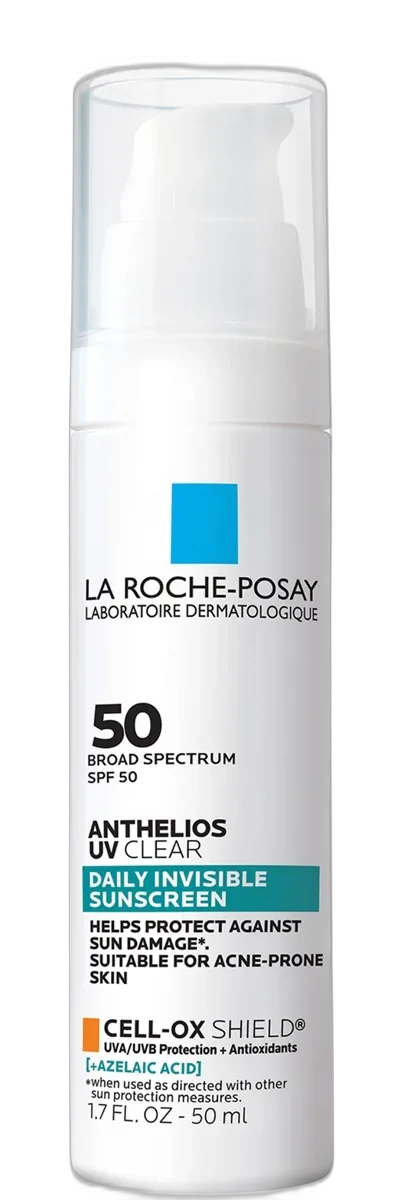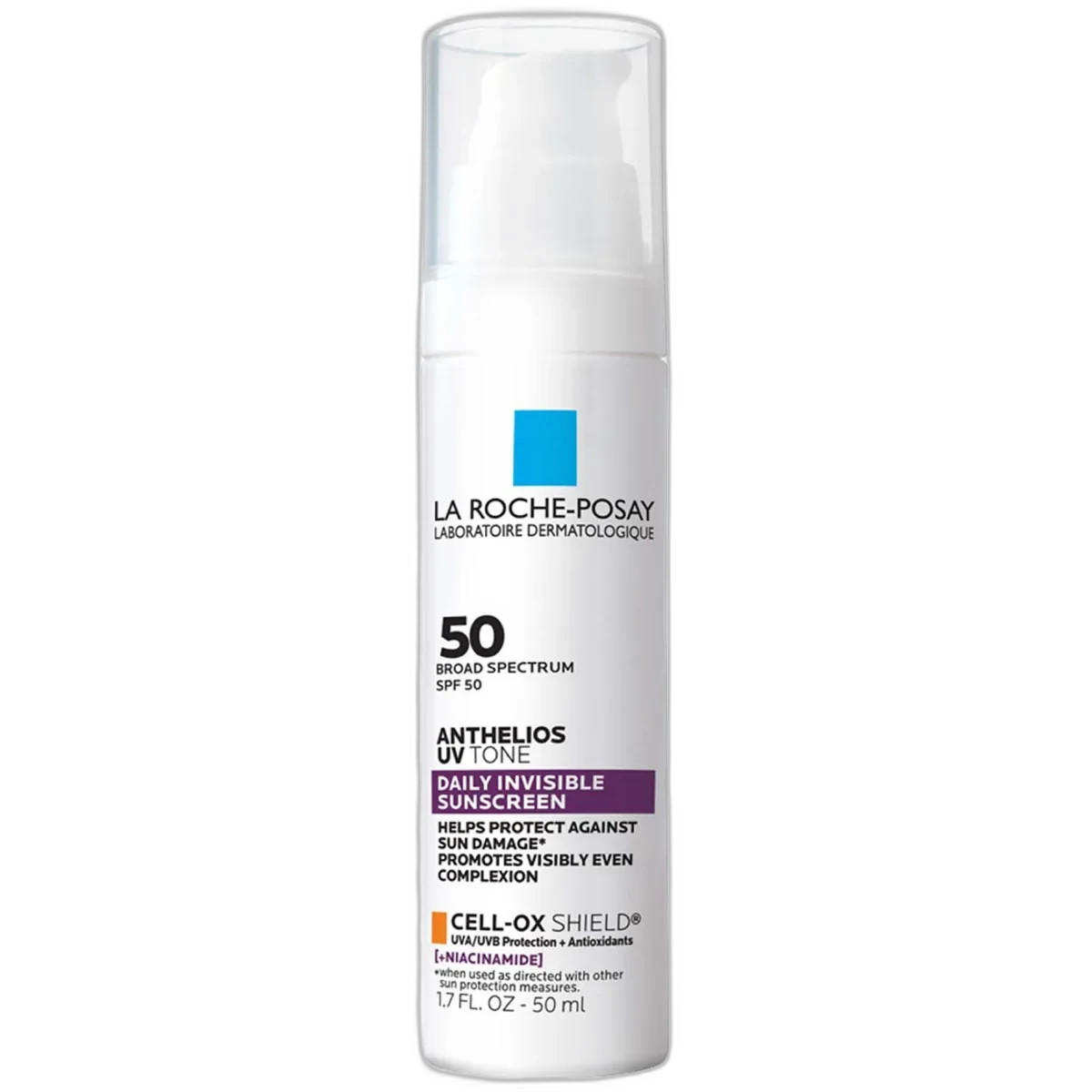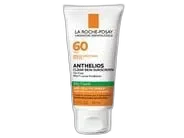
Anthelios Clear Skin Dry Touch Sunscreen SPF 60
Oily Skin Sunscreen Champion
 Verified reviewer
Pros & cons.
- +SPF 60 broad-spectrum protection with 80 minutes water resistance
- +Genuinely matte finish that controls oil for hours on oily skin
- +Oil-free, fragrance-free, non-comedogenic — designed for acne-prone skin
- +Doubles as a mattifying primer under makeup
- +Excellent value at approximately $21 for 1.7 oz
- +Available in two sizes including a 3 oz value option
- +Cell-Ox Shield antioxidant technology provides free radical defense beyond UV blocking
- −Uncomfortably drying for dry and dehydrated skin types
- −Can leave white cast on darker skin tones with generous application
- −May pill under makeup if not allowed to fully set
- −Chemical UV filters (homosalate, octocrylene) concern some health-conscious users
- −Contains beeswax, excluding vegan consumers
- −Requires thorough double cleansing to remove at night
The full review.
There’s a cruel irony in dermatology: the people who most need daily sunscreen are often the ones who refuse to wear it. If you have oily, acne-prone skin, you’re dealing with post-inflammatory hyperpigmentation from every breakout — dark marks that UV exposure makes dramatically worse and slower to fade. But the SPF products available to you have historically felt like applying a layer of cooking oil to already-greasy skin, which either makes you skip sunscreen entirely or drives you to mattifying powders that don’t provide meaningful UV protection.
La Roche-Posay identified this behavioral gap and engineered the Anthelios Clear Skin specifically to eliminate it. The result is a sunscreen that feels less like a sunscreen and more like a mattifying primer — and that’s not marketing hyperbole, it’s what the formula actually does.
The UV protection system uses four chemical filters — avobenzone for UVA coverage, homosalate and octisalate for UVB absorption, and octocrylene serving double duty as both a UVB filter and a photostabilizer for the avobenzone. The combined SPF 60 significantly exceeds the dermatologist-recommended minimum of 30 and provides 80 minutes of water resistance. La Roche-Posay brands this combination as Cell-Ox Shield technology, which also includes Cassia alata leaf extract — a tropical botanical antioxidant that neutralizes UV-generated free radicals beyond what the filters alone can block.
But the UV filter system, while effective, isn’t what makes this product remarkable. The oil-control architecture is the real engineering achievement. Two mineral-based oil absorbers work in tandem: perlite, a volcanic rock derivative that acts as a microsponge soaking up sebum, and silica, spherical beads that absorb oil while creating a soft-focus finish. Silica appears second on the inactive ingredient list, suggesting a generous concentration. Together, they transform what should be an oily SPF 60 into something that sets matte within minutes and stays reasonably shine-free for four to six hours — an eternity in oily-skin terms.
The formula is oil-free, fragrance-free, paraben-free, and non-comedogenic. That last claim is critical for the target audience — a sunscreen that prevents sun damage but causes breakouts is a net negative for acne-prone skin. The non-comedogenic testing and La Roche-Posay’s clinical validation program give this claim more credibility than most.
The texture experience depends entirely on your skin type, and this is worth being direct about. If you have oily or combination skin, applying the Clear Skin feels like finally finding a sunscreen that understands you. It spreads as a fluid lotion, sets to a powder-dry finish within two to three minutes, and doesn’t migrate, pill, or develop that midday oil slick. Many users report that it works as a primer, creating a smooth, matte canvas for foundation.
If you have dry or dehydrated skin, this product will feel like applying chalk. The aggressive oil-absorbing system doesn’t distinguish between excess sebum and the surface moisture that dry skin desperately needs. It will leave you feeling tight, possibly flaky, and looking as if you’ve been dusted in an unflattering matte filter. This is not a universal sunscreen. It is a specialized tool for oily skin, and attempting to use it outside that context will disappoint.
The white cast concern is nuanced. On lighter skin tones, the silica and methyl methacrylate crosspolymer create a soft-focus effect rather than an obvious white film. On medium to darker skin tones, some users report residual whiteness that doesn’t fully blend, particularly if applied too generously. The key is using the right amount — enough for protection, not so much that the mattifying agents create a visible layer.
Chemical UV filter purists will note that the formula contains homosalate and octocrylene, both of which have drawn regulatory scrutiny in Europe. The concentrations here are within FDA-approved limits, and the consensus of dermatological organizations is that the benefits of UV protection far outweigh theoretical concerns about these specific filters. However, for those who specifically seek mineral-only sunscreen, this isn’t it.
At $20.99 for 1.7 ounces (with a 3 oz option at $27.99), the value proposition is outstanding. A high-quality, dermatologist-recommended SPF 60 sunscreen specifically formulated for acne-prone skin, available at Target, Walgreens, and Amazon — this is premium performance at accessible pricing. La Roche-Posay’s position as the #1 dermatologist-recommended brand in Europe and their 50-year heritage of formulating near thermal spring water lend genuine clinical credibility.
The Anthelios Clear Skin didn’t just make a good sunscreen for oily skin. It made the argument that the texture of a sunscreen is a public health issue — because a perfect UV filter system that sits unused in a medicine cabinet protects exactly nothing. By making SPF 60 feel like something oily skin would actually choose to wear, La Roche-Posay may have done more for acne-related hyperpigmentation prevention than any treatment product could.
Formula
Texture
The texture experience depends entirely on your skin type, and this is worth being direct about. If you have oily or combination skin, applying the Clear Skin feels like finally finding a sunscreen that understands you. It spreads as a fluid lotion, sets to a powder-dry finish within two to three minutes, and doesn’t migrate, pill, or develop that midday oil slick. Many users report that it works as a primer, creating a smooth, matte canvas for foundation.
If you have dry or dehydrated skin, this product will feel like applying chalk. The aggressive oil-absorbing system doesn’t distinguish between excess sebum and the surface moisture that dry skin desperately needs. It will leave you feeling tight, possibly flaky, and looking as if you’ve been dusted in an unflattering matte filter. This is not a universal sunscreen. It is a specialized tool for oily skin, and attempting to use it outside that context will disappoint.
Scent
The formula is oil-free, fragrance-free, paraben-free, and non-comedogenic.
Packaging
At $20.99 for 1.7 ounces (with a 3 oz option at $27.99), the value proposition is outstanding. A high-quality, dermatologist-recommended SPF 60 sunscreen specifically formulated for acne-prone skin, available at Target, Walgreens, and Amazon — this is premium performance at accessible pricing. La Roche-Posay’s position as the #1 dermatologist-recommended brand in Europe and their 50-year heritage of formulating near thermal spring water lend genuine clinical credibility.
Best for
The Anthelios Clear Skin didn’t just make a good sunscreen for oily skin. It made the argument that the texture of a sunscreen is a public health issue — because a perfect UV filter system that sits unused in a medicine cabinet protects exactly nothing. By making SPF 60 feel like something oily skin would actually choose to wear, La Roche-Posay may have done more for acne-related hyperpigmentation prevention than any treatment product could.
Works for
If you have oily or combination skin, applying the Clear Skin feels like finally finding a sunscreen that understands you. It spreads as a fluid lotion, sets to a powder-dry finish within two to three minutes, and doesn’t migrate, pill, or develop that midday oil slick. Many users report that it works as a primer, creating a smooth, matte canvas for foundation.
Not ideal for
If you have dry or dehydrated skin, this product will feel like applying chalk. The aggressive oil-absorbing system doesn’t distinguish between excess sebum and the surface moisture that dry skin desperately needs. It will leave you feeling tight, possibly flaky, and looking as if you’ve been dusted in an unflattering matte filter. This is not a universal sunscreen. It is a specialized tool for oily skin, and attempting to use it outside that context will disappoint.
Common Complaints
The white cast concern is nuanced. On lighter skin tones, the silica and methyl methacrylate crosspolymer create a soft-focus effect rather than an obvious white film. On medium to darker skin tones, some users report residual whiteness that doesn’t fully blend, particularly if applied too generously. The key is using the right amount — enough for protection, not so much that the mattifying agents create a visible layer.
Chemical UV filter purists will note that the formula contains homosalate and octocrylene, both of which have drawn regulatory scrutiny in Europe. The concentrations here are within FDA-approved limits, and the consensus of dermatological organizations is that the benefits of UV protection far outweigh theoretical concerns about these specific filters. However, for those who specifically seek mineral-only sunscreen, this isn’t it.
Ingredient analysis.
Full INCI list
Active Ingredients: Avobenzone 3%, Homosalate 15%, Octisalate 5%, Octocrylene 7%. Inactive Ingredients: Water, Silica, Dicaprylyl Carbonate, Styrene/Acrylates Copolymer, Butyloctyl Salicylate, Methyl Methacrylate Crosspolymer, Nylon-12, PEG-100 Stearate, Glyceryl Stearate, Perlite, Beeswax (Cera Alba), Ammonium Polyacryloyldimethyl Taurate, Phenoxyethanol, PEG-8 Laurate, Behenyl Alcohol, Sodium Stearoyl Glutamate, Chlorphenesin, p-Anisic Acid, Xanthan Gum, Tocopherol, Disodium EDTA, Arachidyl Alcohol, Diethylhexyl Syringylidenemalonate, Propylene Glycol, Cassia Alata Leaf Extract, Maltodextrin, Stearyl Alcohol, t-Butyl Alcohol, Caprylic/Capric Triglyceride
Skin match.
The science.
The Science
Anthelios Clear Skin works via two pillars: a chemical UV filter system and dual mineral oil-absorbing technology, both based on dermatological science.
The four-filter UV system reaches SPF 60 using complementary mechanisms. Avobenzone (3%) provides primary UVA protection by absorbing radiation in the 310-400nm range. Because avobenzone is photolabile and degrades under UV exposure, this formula uses octocrylene (7%) as both a UVB filter and an avobenzone photostabilizer. Research in Photochemistry and Photobiology shows octocrylene forms a complex with avobenzone's degradation products, recycling the filter to maintain UVA protection during sun exposure. Homosalate (15%) and octisalate (5%) add UVB absorption.
The oil-control system uses perlite and silica—two mineral oil absorbers with different mechanisms. Perlite, from expanded volcanic glass, has a porous microstructure that absorbs sebum through capillary action. Silica microspheres absorb more oil and create an optical blurring effect via light diffusion. A study in the Journal of the European Academy of Dermatology and Venereology found that perlite-containing formulations significantly reduced skin surface sebum levels compared to standard sunscreen bases, improving cosmetic acceptance and compliance for oily-skin patients.
Cassia alata leaf extract provides antioxidant defense via flavonoid compounds, specifically kaempferol and quercetin derivatives. These polyphenols neutralize reactive oxygen species created by UV radiation that passes the filter system. Research shows combining UV filters with topical antioxidants provides superior photoprotection compared to UV filters alone, as antioxidants address the oxidative damage pathway filters cannot completely prevent.
Dermatologist Perspective
Dermatologists widely recommend Anthelios Clear Skin as a first-line daily sunscreen for oily and acne-prone skin. Board-certified dermatologists note that sunscreen compliance is a major challenge in acne management—patients who treat acne but skip sunscreen develop persistent post-inflammatory hyperpigmentation that undermines treatment outcomes. The matte, oil-free formula removes this primary compliance barrier. Dermatologists also value the SPF 60 rating for patients on photosensitizing acne medications (doxycycline, tretinoin) who need robust daily UV protection. Clinical testing validates the non-comedogenic formulation, and dermatological associations in multiple countries recommend the brand, adding institutional credibility.
Where it fits in your routine.
Apply a nickel-sized amount generously to your face 15 minutes before sun exposure. This is the final step of your AM skincare routine. Wait 2-3 minutes for the matte finish to set before applying makeup. Reapply every 2 hours during sun exposure, or immediately after swimming, sweating, or toweling off. In the evening, double cleanse with an oil-based cleanser and then a water-based cleanser to remove all UV filters.
At $20.99 for 1.7 oz and $27.99 for the 3 oz size, this is a top value in facial sunscreens. The 3 oz size has better per-ounce pricing and suits daily users. Anthelios Clear Skin performs like prestige mattifying sunscreens that cost $35-50 for similar volumes but costs roughly half as much. La Roche-Posay's 50-year heritage and clinical validation program provide credibility equal to or greater than higher-priced products. HSA/FSA eligibility makes it more accessible.
Oily or combination skin types seeking a non-greasy high-SPF facial sunscreen will find this useful. It works well for acne-prone skin with post-inflammatory hyperpigmentation and for users on photosensitizing medications like retinoids or doxycycline.
Dry or dehydrated skin will find this uncomfortably mattifying. This chemical filter formula does not work if you require mineral-only UV protection. People with very sensitive or eczema-prone skin should patch test first, because chemical UV filters cause irritation on compromised skin.
Product details.
This lightweight, fluid lotion sets to a matte, dry-touch finish. It absorbs fast and leaves skin feeling powdery instead of greasy — unlike most SPF 60 formulations.
Fragrance-free. A faint chemical sunscreen odor lasts for minutes.
Squeeze tube (1.7 oz standard, 3 oz value size) has a flip-top cap. It is travel-friendly and controls product dispensing easily.
The finish turns matte within 2-3 minutes of application. The texture feels slightly dry or chalky while spreading because the oil-absorbing technology works. This feels weightless and shine-free on oily skin. It feels uncomfortable on dry skin.
2-3 months with daily face application (1.7 oz), 3-4 months (3 oz)
12 months
spring summer
The backstory.
Developed by La Roche-Posay specifically to address the number-one reason acne-prone and oily-skinned people skip facial sunscreen: they can't stand the greasy feeling. The brand recognized that the population most at risk for post-inflammatory hyperpigmentation from acne was also the population least likely to wear daily SPF. The Clear Skin formulation was designed to remove every texture barrier to consistent daily sunscreen use.
About La Roche-Posay
Legacy Brand (20+ years)La Roche-Posay launched in 1975 near the La Roche-Posay thermal springs in France. Dermatologists have recommended the brand for over four decades. L'Oréal owns La Roche-Posay, the #1 dermatologist-recommended skincare brand in Europe, which uses extensive clinical research for its formulations.
Common myths.
High-SPF sunscreens are always thick and greasy.
This product provides SPF 60 with a matte, oil-free finish that feels drier than most moisturizers. The oil-absorbing technology (perlite and silica) reduces shine all day instead of adding to it.
Oily skin does not need sunscreen because oil provides protection.
Sebum has no meaningful SPF value. Oily and acne-prone skin is more susceptible to post-inflammatory hyperpigmentation, so daily SPF prevents dark marks after breakouts.
FAQ.
Does La Roche-Posay Anthelios Clear Skin SPF 60 cause breakouts?
The formula is non-comedogenic and oil-free, tested on acne-prone skin. Perlite and silica absorb excess oil that causes breakouts. Most acne-prone users report no issues, but individual reactions vary — patch test if concerned.
Does this sunscreen leave a white cast?
On lighter skin tones, it leaves a soft-focus matte finish without obvious whiteness. On medium to darker skin tones, some users report a white cast if applied heavily. Using the correct amount and letting it set for 2-3 minutes minimizes this.
Can I use this sunscreen under makeup?
Yes — the matte, dry-touch finish works as a primer for oily skin. Let it set for 2-3 minutes before you apply foundation. Some users report pilling if foundation is applied too quickly or too thickly.
Is La Roche-Posay Anthelios Clear Skin SPF 60 good for dry skin?
No — this formula targets oily and acne-prone skin. The aggressive oil-absorbing system (perlite and silica) feels uncomfortably drying on dry skin. For dry skin, use La Roche-Posay's Anthelios Melt-In Milk or Ultra Light Fluid instead.
How often should I reapply this sunscreen?
Apply every 2 hours during sun exposure, and immediately after swimming, sweating heavily, or toweling off. The 80-minute water resistance rating protects during moderate activity, but you must reapply to maintain protection.
Is this sunscreen reef safe?
No — it uses chemical UV filters (avobenzone, homosalate, octisalate, octocrylene) that raise environmental concerns. For reef-safe protection, use mineral-only sunscreens with zinc oxide and/or titanium dioxide.
What the community says.
"Excellent matte finish for oily skin"
"No breakouts — truly non-comedogenic"
"Absorbs quickly without greasy residue"
"No white cast on most skin tones"
"Affordable for a high-SPF facial sunscreen"
"Can leave white cast on darker skin tones"
"Dry texture that may pill under makeup"
"Too mattifying for dry skin types"
"Chemical UV filters concern some users"
"Can sting sensitive or broken skin"
Featured in.
People also looked at.