The Lip Balm
Luxury Lip Rescue
 Verified reviewer
Pros & cons.
- +Phytosphingosine and cholesterol provide genuine barrier-repair beyond simple occlusion
- +Petrolatum base delivers gold-standard moisture sealing on lip tissue
- +Velvety texture absorbs to a non-greasy satin finish without tackiness
- +Single application lasts most of the day; excellent as an overnight lip mask
- +Trehalose protects cell membranes from environmental desiccation stress
- +Heals visibly cracked lips within one to two days of consistent use
- +Compact jar lasts 3-4 months with twice-daily use
- −At $80 for 0.32 oz, the price is extreme for a petrolatum-based lip product
- −Added fragrance and eucalyptus oil are unnecessary irritants on thin lip tissue
- −Menthyl PCA cooling sensation can sting on already-cracked or compromised lips
- −Jar packaging requires finger application without an included spatula
- −Packaging quality feels underwhelming relative to the luxury price point
The full review.
Your lips have been vulnerable since birth. Unlike facial skin, lip tissue lacks sebaceous glands and melanin, and its stratum corneum is only three to five cells thick compared to fifteen elsewhere. Lips cannot moisturize or protect themselves from UV damage. This biology makes the lip care category interesting and makes La Mer’s The Lip Balm worth examining despite its price.
The formula leads with petrolatum. This is an honest choice because petrolatum is the gold standard occlusive. It reduces transepidermal water loss by up to ninety-nine percent, penetrates the stratum corneum, and upregulates antimicrobial peptides per a 2016 study in the Journal of Allergy and Clinical Immunology. It is an uncomfortable choice because petrolatum is the main ingredient in a three-dollar tube of Vaseline.
The Lip Balm earns a distinction from drugstore alternatives here. The formula includes phytosphingosine, a sphingoid base that converts to ceramides on the skin. It includes cholesterol, one of the three essential lipids (alongside ceramides and fatty acids) that form the mortar between skin cells. It also includes trehalose, a natural sugar that protects cell membranes from desiccation stress. Together, these three ingredients form a barrier-repair complex that rebuilds the structural lipid matrix lip tissue lacks instead of just sealing moisture in. Most cheap lip balms occlude; this one attempts to reconstruct.
The Miracle Broth appears here as Seaweed (Algae) Extract and Algae Extract—La Mer’s proprietary fermented Macrocystis pyrifera kelp. Lip tissue absorbs topicals more readily than facial skin, so the fermented amino acids, minerals, and antioxidants might be more bioavailable here. Whether this provides measurable benefit remains a matter of faith supported by interesting but incomplete science, as with all Miracle Broth.
Texture
The texture is lovely. The balm is dense but not waxy. It spreads easily with finger warmth into a velvety layer that absorbs to a satin finish rather than sitting glossily on the surface. It does not migrate, feel heavy, or leave the tacky residue many thick lip balms cause. One morning application lasts most of the day. Used as an overnight mask—applied generously before bed—it delivers noticeably softer, smoother lips by morning. Users with chronically dry, cracked lips consistently report significant improvement within one to two days.
Scent
Menthyl PCA and eucalyptus leaf oil provide the subtle vanilla-mint scent, while sodium saccharin adds faint sweetness. The cooling sensation is pleasant for most users but is an odd choice for a product designed for damaged lip tissue. Menthol derivatives and eucalyptus can irritate compromised skin; for lips that are actively cracked or peeling, this may cause a brief sting. This sensory choice prioritizes the experience of healthy lips over the needs of the damaged lips this product aims to rescue.
The fragrance inclusion is also questionable. The formula contains Fragrance (Parfum), benzyl benzoate, and limonene. These ingredients have no functional purpose on lip tissue and increase sensitization risk on the body’s thinnest, most permeable surfaces. For a product at this price from a brand positioned as healing and restorative, including fragrance components feels like a marketing choice a formulation chemist might oppose.
Packaging
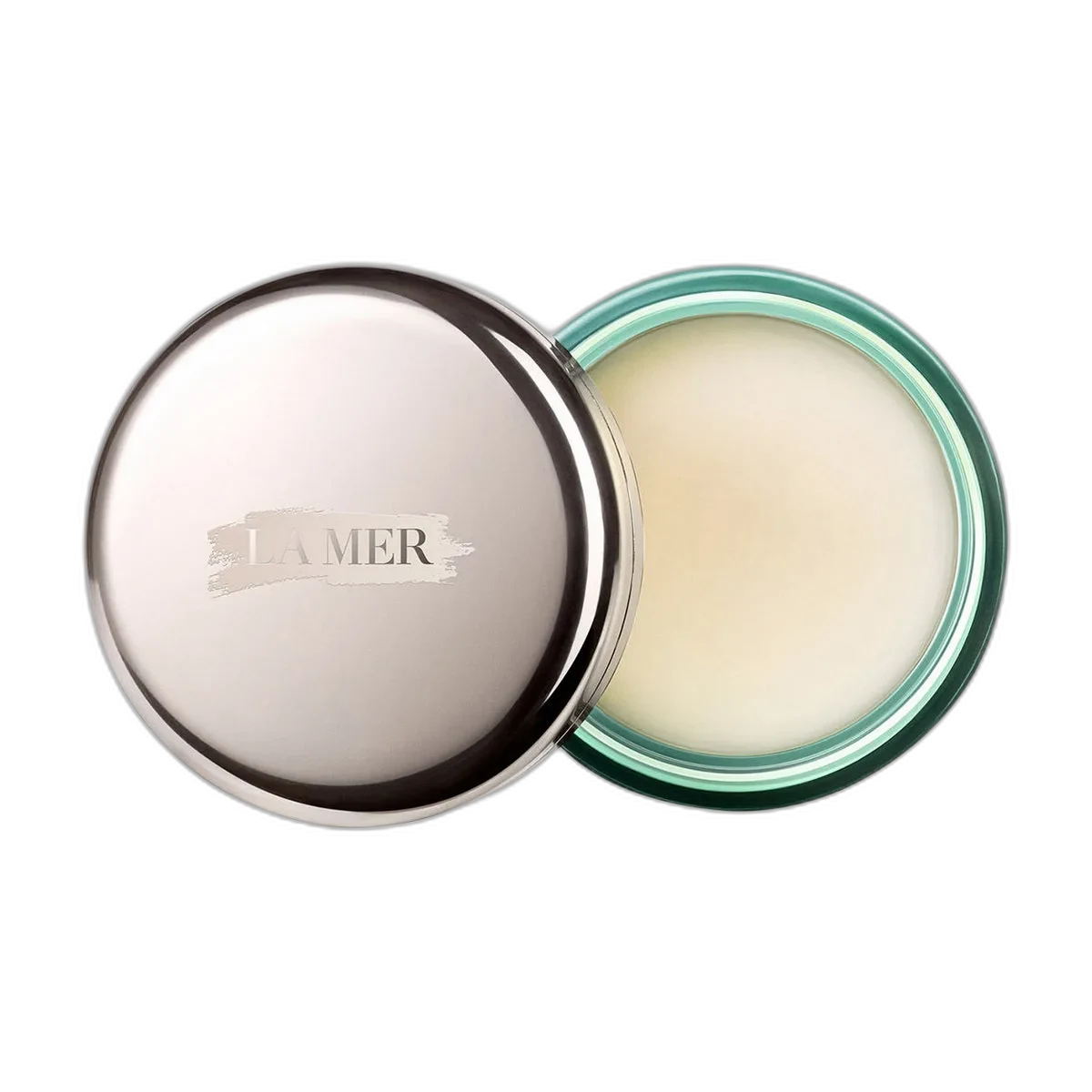
The packaging is a small pot with a silver lid—compact, functional, and underwhelming for eighty dollars. Multiple reviewers note the container feels more drugstore than luxury, a legitimate criticism when paying a premium for the experience. The jar format requires finger application, which raises the same hygiene concerns as the Crème de la Mer, minus the included spatula. A twist-up stick or squeeze tube would be more practical and sanitary, but less aligned with La Mer’s jar-centric brand aesthetic.
Best for
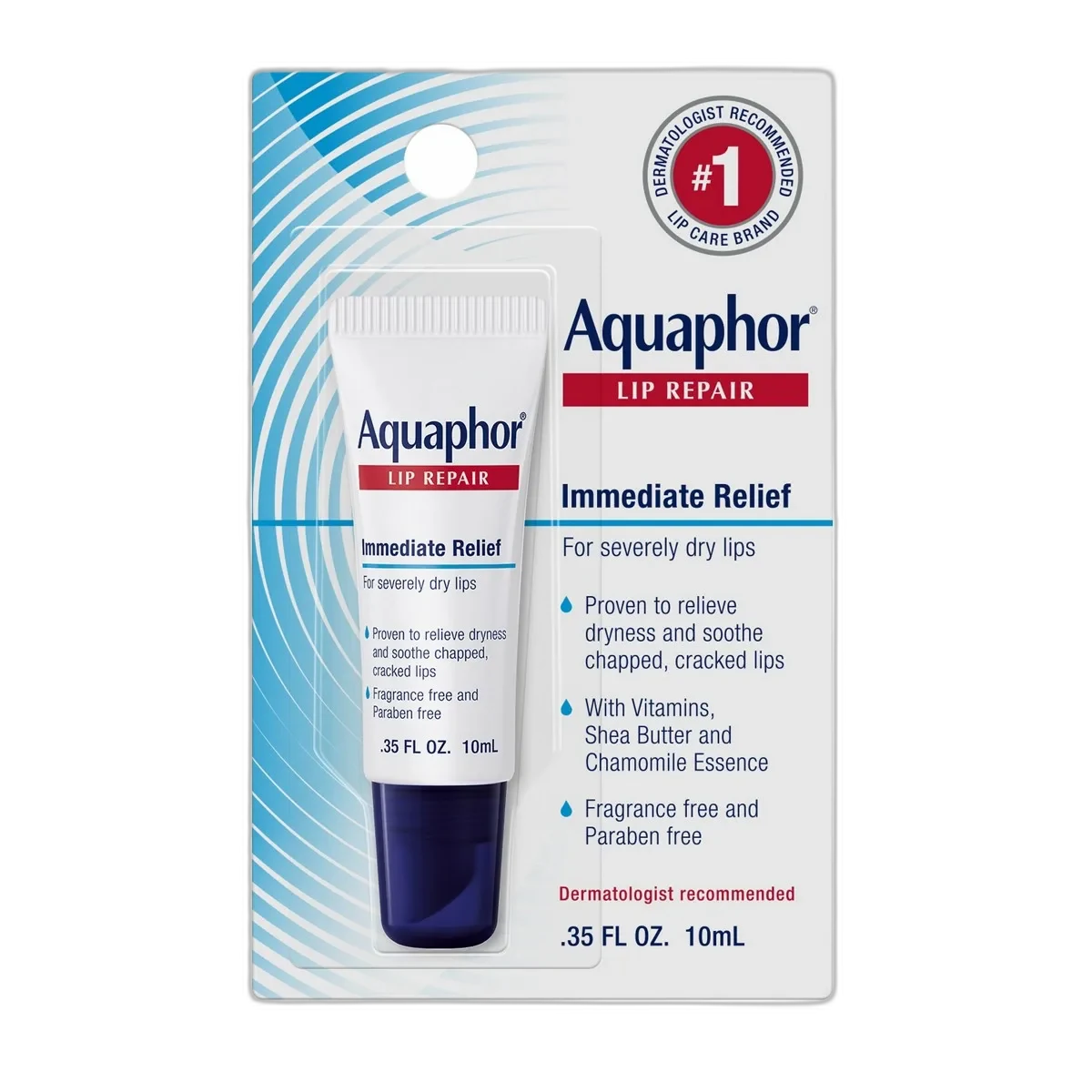
The value calculation is stark at eighty dollars for a third of an ounce. You could buy twenty-six tubes of Aquaphor Lip Repair for the same price. You would miss the phytosphingosine, cholesterol, trehalose, and the Miracle Broth contribution. Are those worth the premium? For most people, no. Petrolatum does the heavy lifting, and many mid-priced lip treatments include ceramide precursors without the luxury markup. But for someone invested in the La Mer ecosystem wanting routine consistency, or for chronically dry lips that failed to respond to simpler formulas, the barrier-repair complex is more thoughtful than most lip balms—even expensive ones.
The jar lasts a long time. Typical use is twice daily for three to four months, making the daily cost roughly sixty-five cents. This does not make eighty dollars reasonable, but it makes the product less absurd than the initial price-per-ounce suggests. The question is not whether this balm works—it does, well—but whether the incremental benefit over a twenty-dollar lip treatment justifies quadrupling the price for ingredients that remain wrapped in a fragrance and marketing package that sometimes undermines the formula’s strengths.
Ingredient analysis.
Full INCI list
Petrolatum, Octyldodecanol, Microcrystalline Wax/Cera Microcristallina/Cire Microcristalline, Octyldodecyl Stearoyl Stearate, Bis-Diglyceryl Polyacyladipate-2, Polyglyceryl-10 Pentaoleate, Phenyl Trimethicone, Aloe Barbadensis Leaf Extract, Seaweed (Algae) Extract, Malachite, Algae Extract, Tourmaline, Sesamum Indicum (Sesame) Seed Oil, Eucalyptus Globulus (Eucalyptus) Leaf Oil, Sesamum Indicum (Sesame) Seed, Medicago Sativa (Alfalfa) Seed Powder, Helianthus Annuus (Sunflower) Seedcake, Prunus Amygdalus Dulcis (Sweet Almond) Seed Meal, Sodium Gluconate, Potassium Gluconate, Copper Gluconate, Calcium Gluconate, Magnesium Gluconate, Zinc Gluconate, Tocopheryl Succinate, Niacin, Ricinus Communis (Castor) Seed Oil, Glycine Soja (Soybean) Oil, Phytosphingosine, Trehalose, Polybutene, Tocopheryl Acetate, Cholesterol, Glyceryl Distearate, Water/Aqua/Eau, Glycerin, Menthyl PCA, Oleic Acid, Palmitic Acid, Sodium Saccharin, Sorbitan Sesquioleate, Calcium Carbonate, Sodium Bicarbonate, Fragrance (Parfum), Benzyl Benzoate, Limonene, BHT, Blue 1 Lake (CI 42090), Yellow 5 Lake (CI 19140)
Skin match.
The science.
The Science
The Lip Balm's formula addresses a genuine biological problem: lip tissue lacks sebaceous glands and has an exceptionally thin stratum corneum (3-5 cell layers versus ~15 elsewhere on the face), making it uniquely susceptible to transepidermal water loss. Petrolatum, the formula's primary ingredient, is the most effective occlusive available — a 1992 study by Ghadially et al. in the Journal of the American Academy of Dermatology demonstrated that it penetrates into the stratum corneum and accelerates barrier recovery. A 2019 study by Boireau-Adamezyk et al. in Skin Research and Technology specifically evaluated highly occlusive formulations for dry lips and confirmed their efficacy in reducing lip dryness and improving barrier function.
The inclusion of phytosphingosine adds meaningful barrier-repair capability. Published research in Biochimica et Biophysica Acta (Uche et al., 2023) has shown that sphingoid bases like phytosphingosine are enzymatically converted to ceramides in the skin, directly contributing to the lipid matrix that forms the barrier. When combined with cholesterol — another essential barrier lipid — and supported by trehalose's documented ability to protect cell membranes from desiccation (as studied in the Journal of Cosmetic Dermatology, 2024), the formula creates a multi-mechanism approach to lip barrier restoration that goes beyond what simple petrolatum-only products offer. Whether La Mer's specific Miracle Broth adds further measurable benefit to this combination has not been independently studied.
References
- Effects of petrolatum on stratum corneum structure and function — Journal of the American Academy of Dermatology (1992)
- The efficacy of a highly occlusive formulation for dry lips — Skin Research and Technology (2019)
- Effect of sphingosine and phytosphingosine ceramide ratio on lipid arrangement and barrier function in skin lipid models — Biochimica et Biophysica Acta - Biomembranes (2023)
Dermatologist Perspective
Dermatologists universally recommend petrolatum-based products as the gold standard for lip barrier repair, and The Lip Balm's foundation on petrolatum aligns with clinical guidance from the American Academy of Dermatology. Board-certified dermatologists note that the inclusion of phytosphingosine and cholesterol is scientifically sound for barrier restoration, as these are essential components of the skin's natural lipid matrix. However, dermatologists also caution that the eucalyptus oil, fragrance components, and menthyl PCA in this formula can be counterproductive for severely compromised lip tissue, as irritants on the thin, permeable lip surface may delay rather than support healing. The general dermatological consensus is that while this is an effective lip balm, the core benefit comes from ingredients available at far lower price points.
Guidance
Where it fits in your routine.
Scoop a small amount from the jar with clean fingertips and warm it between fingers. Apply a thin, even layer to clean, dry lips. For daily use, apply morning and evening after other skincare. For an intensive overnight treatment, apply a thick layer before bed as a lip sleeping mask. Use it under lipstick as a moisturizing primer — let it absorb for one minute. Reapply as needed, especially in cold, dry, or windy conditions.
At $250 per ounce, The Lip Balm is among the most expensive lip care options. The petrolatum base and most emollients are commodity ingredients, but the phytosphingosine-cholesterol-trehalose barrier-repair complex is rare in lip balms and adds value. Regular use lasts 3-4 months, making the daily cost roughly $0.65. No other sizes exist. Mid-priced options with ceramide complexes provide similar functional ingredients without the luxury markup. The premium reflects La Mer's brand positioning and the Miracle Broth inclusion more than the barrier-repair actives.
This suits people with chronically dry, cracked lips who need more than simple balms and will pay for genuine barrier-repair ingredients. It also works for La Mer devotees who want the Miracle Broth experience in their lip care routine.
Budget-conscious users can find comparable barrier-repair lip products for much less. People sensitive to fragrance, menthol, or eucalyptus should avoid this formula's potential irritants. The mint component works against healing for those with severely compromised lip tissue.
Product details.
Menthyl PCA and eucalyptus leaf oil give it a subtle vanilla-mint scent and refreshing coolness. Sodium saccharin adds a slightly sweet taste. The scent is less intense than the Crème de la Mer.
Small pot has a silver screw-top lid with the La Mer logo. The milky-colored jar makes some reviewers feel the container lacks a luxury feel for the price. No applicator is included; use fingertips to apply. The size fits in a handbag.
The first application provides immediate soothing relief and a gentle cooling sensation from the menthyl PCA. The balm spreads easily with finger warmth and absorbs into a non-sticky, satin finish within minutes. There is no adjustment period. Users with severely cracked lips may feel mild tingling from the mint component.
3-4 months with twice-daily use, up to 6+ months with occasional use
12 months
All Year
The backstory.
La Mer's The Lip Balm extends the brand's Miracle Broth philosophy to one of the body's most vulnerable tissues. Lips lack sebaceous glands, have thinner skin than the rest of the face, and are constantly exposed to saliva, weather, and friction — making them an ideal candidate for the brand's occlusive-plus-fermented-actives approach. The product quickly developed a cult following among luxury skincare devotees, though it equally became a lightning rod for the perennial 'is La Mer worth it?' debate.
About La Mer
Legacy Brand (20+ years)Aerospace physicist Dr. Max Huber created La Mer in 1965. Estée Lauder Companies acquired La Mer in 1995. The brand uses Miracle Broth in every product, but independent clinical validation of the proprietary fermentation process is limited. La Mer has over 60 years of market history.
FAQ.
Is the La Mer Lip Balm worth $80?
Petrolatum is the primary ingredient, the same occlusive used in drugstore lip balms. This formula includes phytosphingosine, cholesterol, and trehalose — barrier-repair ingredients most cheap lip balms lack. Whether that combination justifies $80 depends on your budget and lip response. For chronically dry, cracked lips that fail to respond to simpler products, the barrier-repair complex offers a genuine upgrade.
Can the La Mer Lip Balm be used as an overnight lip mask?
Yes — this works well for this use. Apply a thick layer before bed. The petrolatum-based formula creates an occlusive seal to prevent moisture loss overnight. Phytosphingosine and cholesterol rebuild lip barrier integrity while you sleep. Many reviewers report waking up with softer lips after overnight use.
Does the La Mer Lip Balm contain Miracle Broth?
Yes. The formula contains both 'Seaweed (Algae) Extract' and 'Algae Extract,' La Mer's proprietary Miracle Broth — the same fermented sea kelp complex in Crème de la Mer. Malachite and tourmaline, which La Mer uses across its product line, complement it.
Will the mint in the La Mer Lip Balm irritate sensitive lips?
The formula contains menthyl PCA and eucalyptus leaf oil to create a subtle cooling sensation. This feels pleasant for most users, but menthyl PCA and eucalyptus leaf oil cause mild stinging or irritation on severely chapped, cracked, or eczema-prone lips. If your lips are currently compromised, a fragrance-free, mint-free balm is gentler for initial healing.
How long does a jar of La Mer Lip Balm last?
The 0.32 oz jar lasts 3-4 months if used twice daily, or 6+ months with occasional use. The dense, concentrated texture covers both lips with a small amount. This small jar size has good longevity relative to its volume.
What the community says.
"Extremely hydrating and heals cracked lips within days"
"Long-lasting moisture from a single application"
"Luxurious velvety texture"
"Effective as an overnight lip sleeping mask"
"A little goes a very long way — jar lasts months"
"$80 for a lip balm is extremely difficult to justify"
"Jar packaging requires finger application — hygiene concern"
"Mint/menthyl PCA can irritate already-cracked lips"
"Packaging feels less luxurious than the price suggests"
"Results comparable to much cheaper petrolatum-based alternatives"