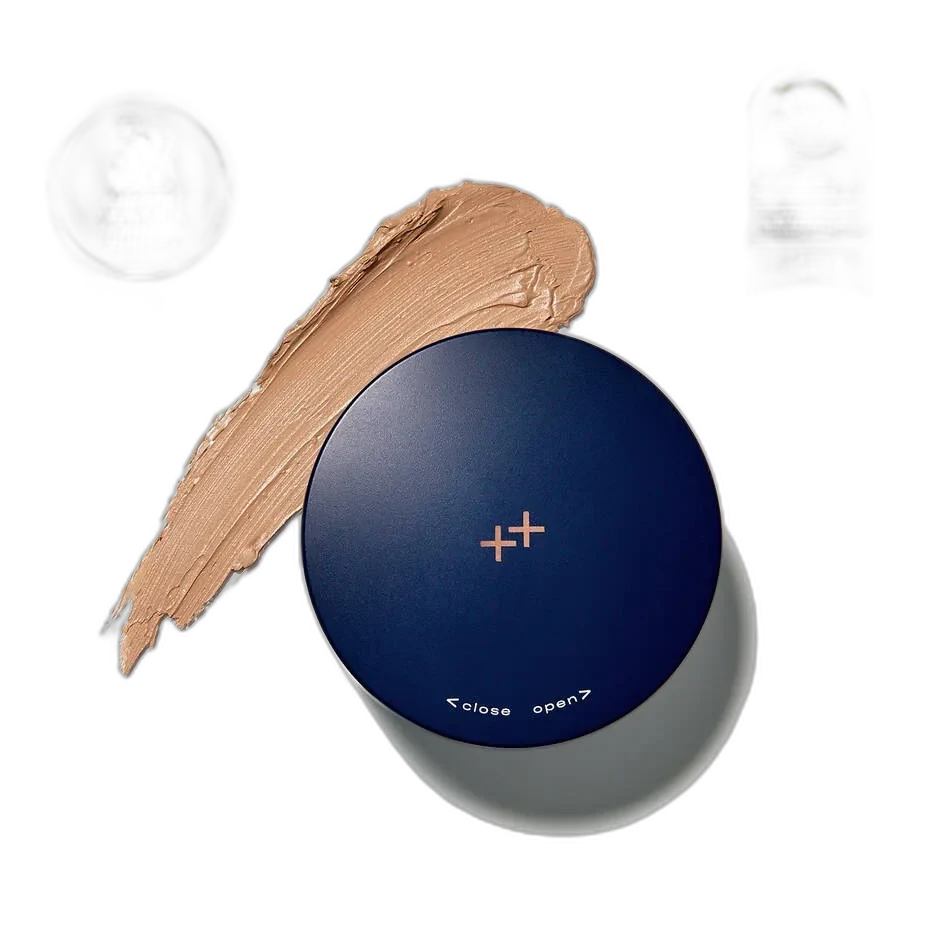
Soft Moisture Powder Foundation SPF 30
Ultra-Luxury SPF Compact
 Verified reviewer
Pros & cons.
- +Exceptional texture — creamy, blurring, and nothing like a typical powder foundation
- +Genuine SPF 30 protection from FDA-regulated UV filter actives
- +Legitimate skincare ingredients including Argireline peptide and stable vitamin C
- +Buildable light-to-medium coverage with a natural, soft-focus satin finish
- +Squalane prevents the drying, cakey effect typical of powder foundations
- +Luxurious compact packaging with mirror and included applicator
- −Astronomically priced at $125 for 0.33 oz ($373 per ounce)
- −Only 12 shades — severely limited compared to modern inclusive ranges
- −Miracle Broth efficacy claims lack independent peer-reviewed verification
- −Contains octinoxate, a UV filter increasingly avoided by consumers
- −Fragrance inclusion is unnecessary in a foundation product
- −SPF protection in powder form requires thick application to reach tested levels
The full review.
La Mer holds a unique spot in skincare; the brand’s mythology often outweighs the products. The story of Dr. Max Huber, the aerospace physicist who spent 12 years fermenting sea kelp in his garage after a chemical accident, reads more like scripture than history. Every La Mer product carries this weight, including the Soft Moisture Powder Foundation SPF 30. It asks a $125 question: can a powder compact be skincare?
The answer is both yes and no. The formula contains active skincare ingredients. Argireline (Acetyl Hexapeptide-8) is a peptide that modulates neurotransmitter release to soften expression lines. Tetrahexyldecyl ascorbate is a stable, penetrating vitamin C derivative. Squalane provides barrier-compatible emollient hydration. The SPF 30 uses titanium dioxide and octinoxate to offer real UV protection—not cosmetic-grade pseudo-protection, but FDA-regulated sunscreen actives at tested concentrations.
Then there is the Miracle Broth—algae extract by its INCI name. It sits prominently in marketing but modestly in the ingredient list, making its specific contribution unverifiable. Algae extracts have documented antioxidant and anti-inflammatory properties. Whether La Mer’s fermentation process makes it superior to other algae extracts remains unproven by independent, peer-reviewed research.
Ignore the ingredient debate for a moment and look at the application. This does not feel like powder. A brush or sponge picks up a substance that behaves like a silky, dewy cream. On the skin, it melts to create a soft-focus effect that blurs pores and fine lines without the chalky, dry finish of most powder foundations. The squalane and silicone system creates a cushion-like application that maintains skin moisture.
Coverage is light but buildable. One pass creates a polished effect. Two passes even out moderate discoloration and redness. Three passes approach medium coverage without looking heavy or cakey. The soft satin finish photographs naturally in all lighting. For a powder, this is technically impressive.
The shade range tells a different story. Twelve shades is inadequate when 40-shade-minimum inclusivity is the current standard. Very deep skin tones are underserved, and the shade spacing forces many consumers to settle. At this price, the limited range feels like an oversight.
Octinoxate may concern consumers following sunscreen ingredient trends. While FDA-approved and widely used, octinoxate is frequently flagged for potential endocrine disruption and coral reef impact. Many major sunscreen brands have replaced it with newer filters. Its inclusion feels dated for a luxury brand that can afford to reformulate.
Consider the price. $125 for 0.33 ounces is $373 per ounce. For context, La Mer’s Crème de la Mer moisturizer costs approximately $190 per ounce. This powder foundation is nearly twice as expensive by weight. You can buy Argireline, vitamin C, and squalane in dedicated serums for much less. You pay mostly for the La Mer name, the heavy compact, and the psychological comfort of Miracle Broth.
For La Mer devotees, this powder foundation is a well-made product that extends their skincare routine into makeup. The texture is superior, the SPF is real, and the skincare ingredients are legitimate.
For everyone else, the math is simple: this is an excellent powder foundation that costs more per ounce than almost anything else in your bathroom. Whether the Miracle Broth mythology justifies the premium is up to your wallet.
Ingredient analysis.
Full INCI list
Active Ingredients: Octinoxate 5.1%, Titanium Dioxide 6.0%. Inactive Ingredients: Talc, Synthetic Fluorphlogopite, Methyl Methacrylate Crosspolymer, Boron Nitride, Water, Vinyl Dimethicone/Methicone Silsesquioxane Crosspolymer, Dimethicone, Aluminum Hydroxide, Diisostearyl Malate, Algae Extract, Sesamum Indicum Seed Oil, Medicago Sativa Seed Powder, Helianthus Annuus Seedcake, Prunus Amygdalus Dulcis Seed Meal, Eucalyptus Globulus Leaf Oil, Sodium Gluconate, Copper Gluconate, Calcium Gluconate, Magnesium Gluconate, Zinc Gluconate, Tocopheryl Succinate, Niacin, Sesamum Indicum Seed Powder, Citrus Aurantifolia Peel Extract, Codium Tomentosum Extract, Hydrolyzed Corallina Officinalis, Whey Protein, Acetyl Glucosamine, Eryngium Maritimum Extract, Laminaria Digitata Extract, Glycerin, Acetyl Hexapeptide-8, Butylene Glycol, Hydrolyzed Rice Protein, Sigesbeckia Orientalis Extract, Yeast Extract, Barium Sulfate, Isocetyl Myristate, Methicone, Tetrahexyldecyl Ascorbate, Squalane, Phytosteryl/Isostearyl/Cetyl/Stearyl/Behenyl Dimer Dilinoleate, Polysorbate 80, Caprylyl Glycol, Silica, Hydrated Silica, Aluminum Distearate, Hydrogen Dimethicone, Tocopherol, Fragrance, BHT, Alcohol Denat, Potassium Sorbate, Sodium Dehydroacetate, Phenoxyethanol, \[+/- Mica, Titanium Dioxide, Iron Oxides\]
Skin match.
The science.
The Science
This foundation's SPF system uses two UV filter actives: titanium dioxide (6%) and octinoxate (5.1%). Titanium dioxide is a mineral filter that reflects and scatters UVB and short-wave UVA radiation. Octinoxate (ethylhexyl methoxycinnamate) is a chemical filter that absorbs UVB radiation via molecular excitation. This combination meets the broad-spectrum coverage requirements for SPF 30 classification.
Powder SPF has a critical caveat: the FDA's SPF testing protocol uses 2 mg/cm², a thickness much higher than normal powder foundation application. Research in the Journal of the American Academy of Dermatology shows typical cosmetic application delivers much less than the tested SPF value. Use powder foundations as supplementary sun protection, not primary.
Acetyl Hexapeptide-8 (Argireline) is a synthetic peptide that inhibits SNARE complex formation, which reduces acetylcholine release at the neuromuscular junction. Clinical studies show modest wrinkle reduction at 5-10% concentrations in leave-on formulations. The concentration in a powder foundation is likely well below therapeutic levels, though daily cumulative exposure may provide some benefit.
Tetrahexyldecyl ascorbate is an oil-soluble vitamin C ester that penetrates the stratum corneum more effectively than L-ascorbic acid. Research confirms its antioxidant activity and its ability to stimulate collagen synthesis, though studies have not specifically tested its potency in a powder matrix where skin contact time and penetration may be limited.
Dermatologist Perspective
Dermatologists see value in adding SPF to everyday cosmetics as a supplementary UV protection layer. Board-certified dermatologists note that while this foundation contains legitimate SPF actives, the powder format makes it hard to reach the application thickness needed for the rated protection level. Dermatologists recommend using a separate sunscreen underneath and treating the foundation's SPF as a bonus rather than primary protection. The skincare ingredients (peptide, vitamin C) are beneficial but exist at unknown concentrations in a cosmetic matrix—their anti-aging contribution is likely modest compared to dedicated treatment products.
Where it fits in your routine.
Apply after your skincare routine and primer. Use a soft, dense brush or the included sponge to sweep product across the face in light, even layers. Build coverage gradually. Start with one pass for a natural finish, then add more where needed. Target the T-zone and areas with discoloration. Set with a light mist of setting spray if desired. Reapply every 2 hours if relying on the SPF protection, especially during extended sun exposure.
At $125 for 0.33 oz, this ranks among the most expensive per-ounce products in the beauty market. The skincare ingredients and SPF 30 protection offer functional value, but the same actives — peptides, vitamin C, squalane — cost much less per ounce in dedicated serums and moisturizers. The value depends on the La Mer brand experience, the texture, and the proprietary Miracle Broth. If consumers view foundation as a luxury indulgence instead of a cost-effective skincare solution, the experience justifies the price. Value-conscious shoppers can find multiple excellent SPF powder foundations at $30-60.
La Mer loyalists wanting foundation that matches their skincare philosophy. Consumers who prioritize texture and application experience and have the budget. Those seeking a powder foundation that won't dry out mature or dry skin types because the formula has squalane.
Value-conscious consumers will find the per-ounce cost too high unless they buy luxury. The 12-shade offering lacks an inclusive shade range. Consumers avoiding octinoxate should use mineral-only SPF foundations. The emollient-rich formula feels too slippery for all-day wear on oily skin.
Product details.
Ultra-fine, silky powder feels creamy and melts into skin instead of sitting on the surface. Squalane and dimethicone make application smooth despite the powder format.
Subtle La Mer signature fragrance — light, marine-inflected. Noticeable during application but fades quickly.
Sleek, heavy compact has a magnetic closure and an included applicator sponge. The compact feels substantial and thick — its presentation matches La Mer. Includes a mirror.
The compact opens to show a smooth powder surface that looks wet. The first application surprises you—it does not feel like powder. It glides on skin with a thick feel, blurs imperfections, and leaves a soft-focus, satin finish. Coverage is light but buildable. The skin looks naturally perfected, not made up.
2-3 months with daily use
24 months
All Year
The backstory.
La Mer's entry into the SPF makeup space reflects the broader industry trend of skin-first color cosmetics. The brand's philosophy — that every product should contribute to skin health — led to a powder foundation infused with the same Miracle Broth that anchors its iconic moisturizer. The result is a product that occupies a unique space between skincare and makeup, targeted at consumers who view their foundation as part of their treatment routine.
About La Mer
Legacy Brand (20+ years)Aerospace physicist Dr. Max Huber founded La Mer in 1965 after 12 years developing the brand's signature Miracle Broth from sea kelp. Estée Lauder Companies now owns La Mer, one of the most recognized luxury skincare brands globally. The core Miracle Broth ingredient is proprietary, and clinical evidence relies on brand-funded studies.
Common myths.
La Mer's Miracle Broth has scientifically proven anti-aging ingredients that justify the price.
Miracle Broth is a proprietary fermented sea kelp extract. Algae extracts have documented antioxidant and anti-inflammatory properties, but no peer-reviewed research independently verifies La Mer's specific fermentation process or its resulting compound. The individual supporting ingredients (peptides, vitamin C, squalane) are well-studied, but many products contain them at a fraction of this price.
Powder foundations can't provide adequate sun protection.
This foundation uses FDA-regulated active ingredients (octinoxate 5.1%, titanium dioxide 6%) to reach SPF 30 when applied as directed. But to get the tested protection, you must apply a much thicker layer than most people use with powder. Use this to supplement, not replace, your dedicated sunscreen for reliable SPF.
FAQ.
Is La Mer Soft Moisture Powder Foundation worth $125?
The formula contains quality skincare ingredients — Argireline peptide, vitamin C derivative, squalane, and the proprietary Miracle Broth — and SPF 30 protection. At $373 per ounce, the price pays for the La Mer name and experience. These active ingredients exist in products costing much less. The value is highest for La Mer loyalists who want their foundation to match their skincare philosophy.
Does this foundation provide enough sun protection?
It contains FDA-regulated SPF 30 actives (octinoxate 5.1%, titanium dioxide 6%), but SPF testing assumes a much thicker application than most people use with powder. For reliable daily protection, apply a separate sunscreen underneath and use this as a supplementary SPF layer and cosmetic finish.
What skin types does La Mer powder foundation work best for?
Normal to dry skin types benefit from the squalane-enriched, moisture-locking formula that stops the chalky dryness typical of powder foundations. Combination skin works well with strategic application. The emollient base may slide on very oily skin, and sensitive skin has fragrance and octinoxate.
How many shades does La Mer powder foundation come in?
There are 12 shades, from Alabaster (very fair) to Bronze (deep). This range covers a reasonable spectrum, but 12 shades is small compared to inclusive foundation ranges with 30-50+ options. People with very deep skin tones may struggle to find a match.
Can I use La Mer powder foundation without a liquid foundation underneath?
Yes — it provides light, buildable coverage that evens skin tone and blurs imperfections for a natural, 'your skin but better' finish. It layers well over liquid or cream foundations for more coverage. Use it alone over moisturizer and primer for an effortless, polished look.
Community
What the community says.
"Silky, comfortable texture that doesn't settle into fine lines"
"Provides genuine SPF 30 protection in a natural-looking finish"
"Buildable coverage from sheer to medium"
"Luxurious compact packaging and application experience"
"Extraordinarily expensive at $125 for 0.33 oz"
"Limited shade range with only 12 options"
"Skincare claims from Miracle Broth are difficult to verify"
"Contains octinoxate, which some consumers prefer to avoid"
People also looked at.