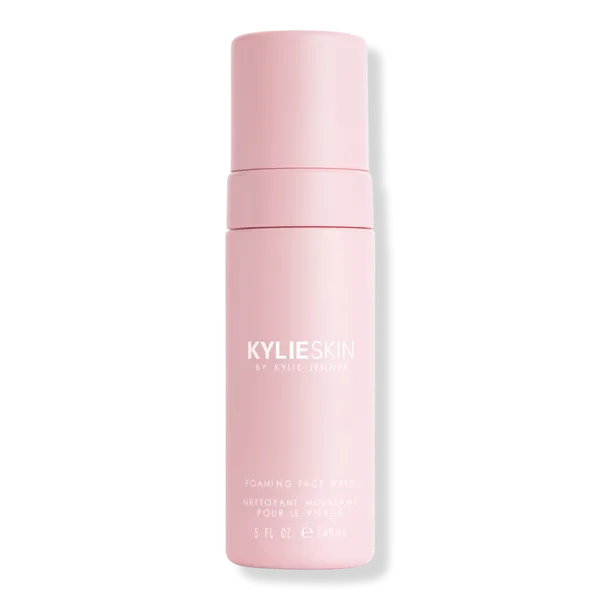
Foaming Face Wash
Celebrity Cleanser
 Verified reviewer
Pros & cons.
- +Amino acid surfactant (Potassium Cocoyl Glycinate) is genuinely gentler than sulfates
- +Creates a pleasant foam without excessive stripping
- +Sulfate-free, paraben-free, silicone-free formulation
- +Convenient pump bottle dispenses the right amount of product
- +Glycerin provides meaningful hydration support during cleansing
- +Vegan and cruelty-free
- −Contains fragrance (Parfum) — unnecessary in a face wash and a sensitization risk
- −Significantly overpriced at $26 for what is a basic cleanser formulation
- −Kiwi seed oil and hyaluronic acid at trace concentrations are marketing ingredients only
- −May leave some users feeling slightly tight despite the amino acid surfactant
- −No meaningful active ingredients beyond basic cleansing and hydration
The full review.
About Kylie Skin
Kylie Skin Foaming Face Wash launched in 2019 as part of the first six-product lineup Kylie Jenner used to expand her cosmetics empire into skincare. It debuted alongside the now-infamous Walnut Face Scrub — a product dermatologists and skincare experts criticized so universally that Kylie Skin briefly became a cautionary tale for celebrity skincare. The Foaming Face Wash avoided that controversy because there is little to get excited or upset about. It is a basic cleanser that performs basic cleanser tasks at a price that assumes you care about the name on the bottle.
Reality
The one genuinely good choice in this formula is the primary surfactant: Potassium Cocoyl Glycinate, an amino acid-based cleanser derived from coconut and the amino acid glycine. This is a meaningfully gentler surfactant than the sodium lauryl sulfate or sodium laureth sulfate found in cheap foaming cleansers. Amino acid surfactants have a lower critical micelle concentration and less ability to penetrate and disrupt the stratum corneum lipid matrix, which means less barrier damage and less post-wash tightness. This is a real formulation advantage; whoever formulated this cleanser chose well for the primary surfactant.
Cocamidopropyl Betaine, the secondary surfactant, is an amphoteric cleanser that adds foam and cleaning power while remaining mild. Potassium Cocoate — a coconut-derived soap — adds more cleaning power but is harsher than the amino acid surfactant. The surfactant trio is fine: gentle enough for daily use on normal skin and effective enough to remove light oil and impurities.
Glycerin at the fifth position provides humectant activity during cleansing, which is standard and appropriate. The preservative system (Hydroxyacetophenone, 1,2-Hexanediol, Caprylyl Glycol, Sodium Benzoate, Phenoxyethanol) is robust — perhaps more robust than necessary, but not problematic.
Now for the problems. The formula contains Parfum — fragrance. In a cleanser. This choice is difficult to defend dermatologically. Fragrance is the most common cause of allergic contact dermatitis in cosmetic products and provides zero functional benefit in a face wash. A cleanser’s job is to clean your face and leave. Adding fragrance introduces sensitization risk for no reason other than the sensory experience, which is brief in a wash-off product. For a brand that markets itself as clean and skin-friendly, this is a notable miss.
The marketing ingredients — kiwi seed oil and sodium hyaluronate — sit at the very end of the INCI list, meaning they are present at trace concentrations. In a wash-off product that sits on skin for thirty seconds, these ingredients deliver essentially nothing. The kiwi seed oil does not provide vitamins C and E in any meaningful amount. The hyaluronic acid does not hydrate your skin during the rinse cycle. These ingredients exist on the label for the same reason the name Kylie exists on the bottle: to create a perception of value that the formula itself does not support.
The Polyquaternium-39 is a conditioning polymer that makes the formula feel soft during application and can leave a slight conditioning film on the skin after rinsing. It is a fine addition that slightly improves the post-wash feel.
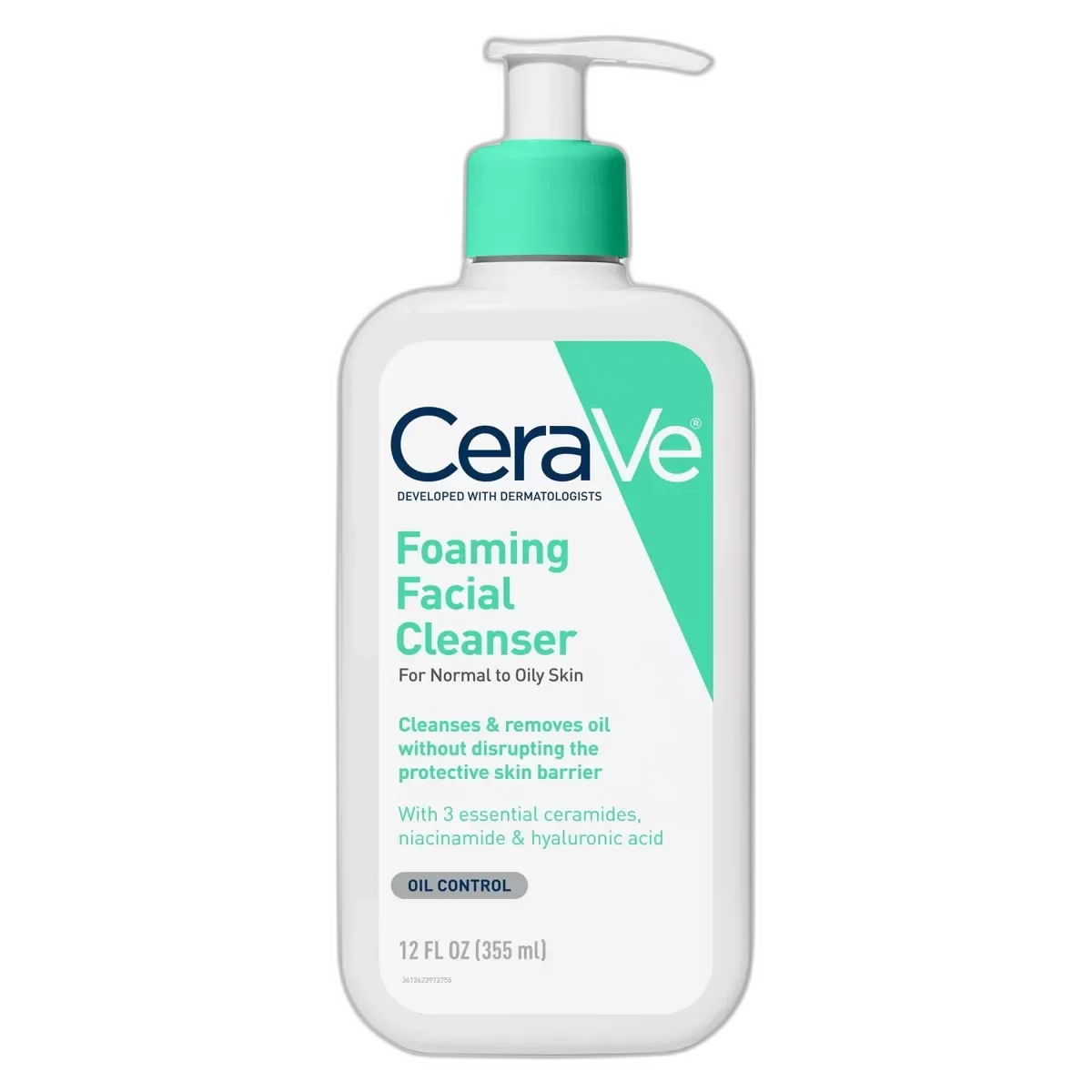
At twenty-six dollars for 149 mL, this cleanser costs well above its formulation merit. The amino acid surfactant is the only ingredient that distinguishes it from a basic drugstore foaming cleanser, and many cleansers in the twelve to sixteen dollar range use the same surfactant type with better supporting ingredients and no added fragrance. CeraVe’s Foaming Facial Cleanser adds ceramides and niacinamide for fourteen dollars. The Krave Beauty Matcha Hemp Cleanser we reviewed earlier offers a more interesting formulation for ten dollars less.
Packaging
The packaging — a pump bottle — is convenient and hygienic, which is a small but genuine positive. The foam dispensing is satisfying and helps control the amount used.
Best for
The honest assessment: the Kylie Skin Foaming Face Wash is not a bad cleanser. The surfactant system is genuinely gentle, the formula cleans effectively, and it will not damage most people’s skin. But it is a cleanser that costs twice what it should, adds unnecessary fragrance, and uses marketing ingredients at trace concentrations. The name on the bottle does most of the heavy lifting.
Formula
Ingredient analysis.
Full INCI list
Water, Potassium Cocoyl Glycinate, Cocamidopropyl Betaine, Potassium Cocoate, Glycerin, Hydroxyacetophenone, 1,2-Hexanediol, Caprylyl Glycol, Trisodium Ethylenediamine Disuccinate, Citric Acid, Polyquaternium-39, Parfum, Sodium Benzoate, Actinidia Chinensis Seed Oil, Sodium Hyaluronate, Phenoxyethanol
Skin match.
The science.
The Science
The formulation's strength lies in its choice of primary surfactant. Potassium Cocoyl Glycinate is an acyl amino acid surfactant — a class of surfactants that have consistently demonstrated lower irritation potential compared to anionic sulfates in dermatological research. A study published in the International Journal of Cosmetic Science demonstrated that amino acid-based surfactants produce significantly less transepidermal water loss (TEWL) increase and protein denaturation in the stratum corneum compared to sodium lauryl sulfate at equivalent cleansing concentrations. The amino acid moiety (glycine in this case) gives the surfactant molecule a structure that is less able to penetrate between corneocytes and disrupt the intercellular lipid lamellae.
Cocamidopropyl Betaine, the secondary surfactant, is an amphoteric molecule that carries both positive and negative charges at skin pH, further reducing its interaction with the negatively charged skin surface. However, Potassium Cocoate — the third surfactant — is a traditional soap (potassium salt of coconut fatty acids) with a higher pH and greater disruption potential, somewhat counteracting the gentleness of the amino acid surfactant.
The inclusion of fragrance introduces concern: the International Fragrance Association (IFRA) lists over 3,000 chemicals that may be included under the single term "Parfum," and fragrance compounds are the most frequently identified cause of allergic contact dermatitis in cosmetic products according to the European Society of Contact Dermatitis.
Dermatologist Perspective
Board-certified dermatologists would note the amino acid surfactant as a positive formulation choice but would flag the fragrance inclusion as an unnecessary risk in a face wash. Dermatologists routinely advise patients — particularly those with sensitive, eczema-prone, or rosacea-affected skin — to avoid fragranced facial products. For patients without fragrance sensitivity, this cleanser provides adequate gentle cleansing, though dermatologists would likely point to alternatives that offer the same gentle surfactant system without fragrance at a more accessible price point.
Where it fits in your routine.
Use one to two pumps on damp hands. Rub into a gentle foam and massage onto a damp face for 30-60 seconds using circular motions. Rinse well with lukewarm water. Use in the morning and evening — as a standalone morning cleanser or as the second step in a double-cleansing routine at night after an oil or balm cleanser.
At $26 for 149 mL, this cleanser costs a premium for a basic formula with an amino acid surfactant, glycerin, fragrance, and low concentrations of kiwi seed oil and hyaluronic acid. The same Potassium Cocoyl Glycinate surfactant is in several $10-16 cleansers that add more active ingredients (ceramides, niacinamide) and lack fragrance. The price reflects celebrity brand positioning, not ingredient cost, formulation complexity, or unique efficacy.
Kylie brand fans who want a gentle daily cleanser and lack fragrance sensitivity will like this. The amino acid surfactant is mild. It works for normal to combination skin that wants a foaming cleanser without traditional sulfates.
People with sensitive skin, fragrance sensitivities, or a budget can find better formulated, fragrance-free cleansers for nearly half the price. Those seeking active skincare benefits in a cleanser should also look elsewhere.
Product details.
Light, airy foam lathers moderately and rinses clean. The lather is a soft, mousse-like texture rather than the dense foam of a typical foaming cleanser.
The added parfum gives a light floral or fresh fragrance. It is noticeable but not overpowering.
149 mL pump bottle. Convenient for dispensing the right amount of product.
Pumps out a soft foam that feels good on the skin. The amino acid surfactant lathers more gently than traditional foaming cleansers. It rinses clean without residue. Some users feel mild tightness afterward, while others find it comfortable. The added fragrance is immediately noticeable.
2-3 months with twice-daily use
12 months
All Year
The backstory.
One of the original products in Kylie Jenner's 2019 skincare launch, the Foaming Face Wash was marketed alongside the now-infamous Walnut Face Scrub (which was heavily criticized by skincare experts). The cleanser received less controversy but also less distinction — it is a competent but unremarkable foaming face wash in a market that already had many excellent options at lower prices.
About Kylie Skin
New Brand (<2 years)Kylie Skin launched in 2019 as a skincare extension of Kylie Jenner's cosmetics brand. The line is vegan and cruelty-free but lacks dermatologist development, clinical research, or independent scientific validation. The brand's site cites a 31-person study for consumer testing.
Common myths.
The kiwi seed oil in this cleanser provides vitamin C and E.
Kiwi seed oil is second to last on the ingredient list, so it is at trace levels. In a wash-off product with seconds of skin contact, this concentration delivers negligible nutrients.
Foaming cleansers are always too harsh for the skin.
Harshness depends on the surfactant type, not the foam. This cleanser uses Potassium Cocoyl Glycinate, an amino acid surfactant milder than sulfates. The foaming action itself is not the problem.
FAQ.
Is the Kylie Skin Foaming Face Wash worth $26?
The primary surfactant (Potassium Cocoyl Glycinate) is a gentle amino acid cleanser. However, CeraVe, La Roche-Posay, and COSRX offer similar or better formulations for $10-16. The $26 price reflects brand positioning rather than formulation quality.
Does the Kylie Skin Foaming Face Wash contain fragrance?
Yes — Parfum (fragrance) is on the INCI. This is a downside for a facial cleanser. Fragrance causes contact dermatitis often and is unnecessary in a wash-off product.
Is the Kylie Skin Foaming Face Wash good for sensitive skin?
The amino acid surfactant is gentle, but the added fragrance makes this a poor choice for sensitive or reactive skin. Fragrance-free alternatives with similar or gentler surfactant systems cost less and are widely available.
Does the hyaluronic acid in this cleanser actually hydrate skin?
Sodium hyaluronate is second to last on the INCI list, so the concentration is very low. In a wash-off product with seconds of skin contact, trace-level hyaluronic acid provides zero hydrating benefit. Glycerin sits higher on the list and provides more meaningful hydration.
Is the Kylie Skin Foaming Face Wash sulfate-free?
Yes. Potassium Cocoyl Glycinate is the primary surfactant. This amino acid-based cleanser is sulfate-free. The secondary surfactants (Cocamidopropyl Betaine, Potassium Cocoate) are also sulfate-free alternatives.
What the community says.
"Creates a satisfying foam without feeling too stripping"
"Leaves skin feeling clean and fresh"
"Gentle enough for daily use on normal skin"
"Nice packaging and pump dispenser"
"Overpriced for a basic foaming cleanser"
"Contains fragrance, which is unnecessary in a face wash"
"Not sufficiently hydrating — some users feel tightness after use"
"Kiwi seed oil and hyaluronic acid at negligible concentrations"
People also looked at.