Amino Acid Facial Cleanser
Sensitive Skin Essential
 Verified reviewer
Pros & cons.
- +Amino acid surfactant base provides genuinely barrier-friendly cleansing for the most reactive skin
- +Completely fragrance-free — no fragrances, essential oils, or masking agents whatsoever
- +Tested on eczema, rosacea, and psoriasis-prone skin types for demonstrated safety
- +Satisfying cream-to-foam texture that feels like an effective wash without any stripping
- +Squalane and panthenol deposit hydrating and soothing ingredients that persist after rinsing
- +Impressively short, purposeful ingredient list with no unnecessary additives
- −More expensive than comparable gentle cleansers from drugstore brands
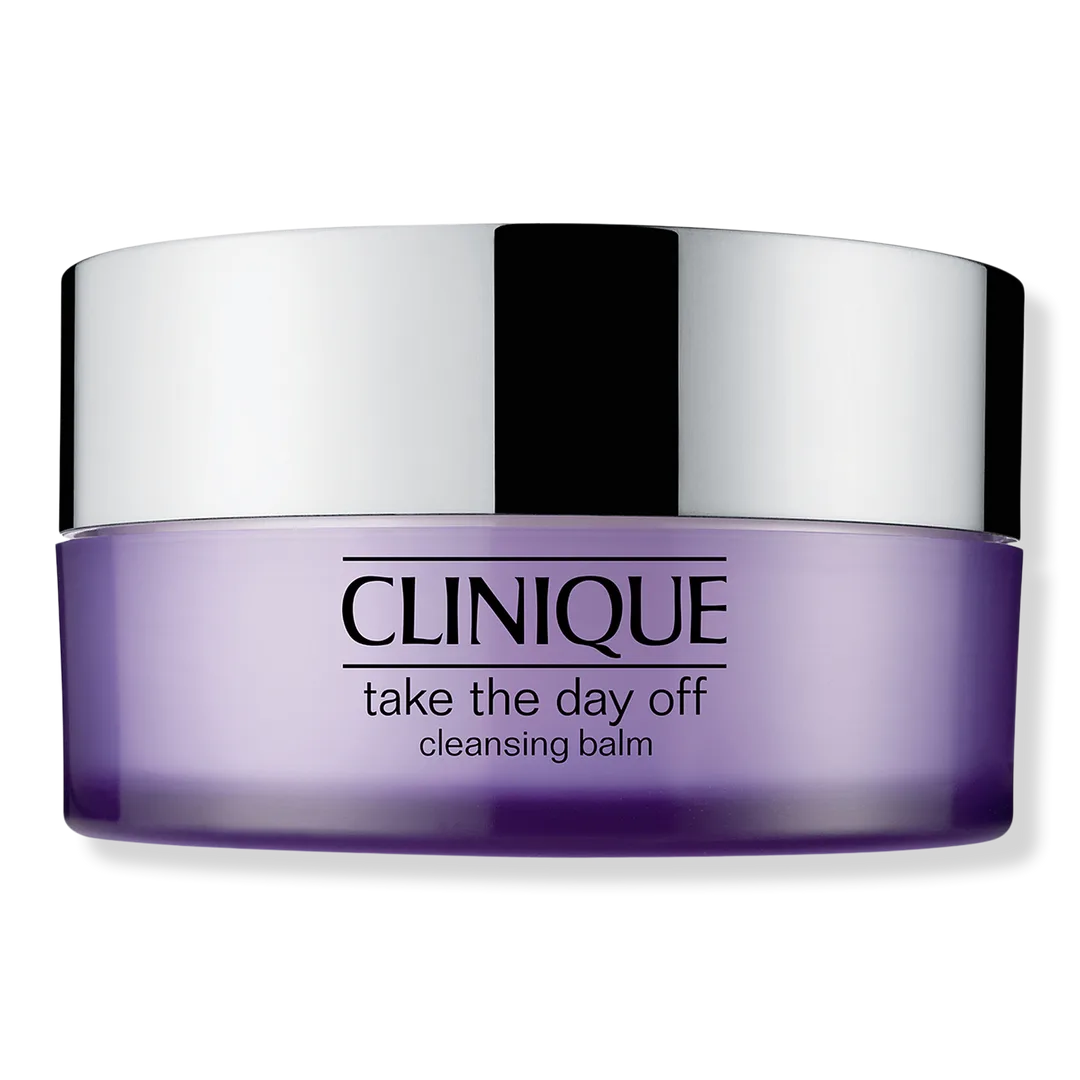
- −Not sufficient for removing heavy or waterproof makeup without double cleansing
- −May feel insufficiently cleansing for those with oily skin accustomed to stronger washes
- −Kiehl's parent company L'Oréal is not certified cruelty-free
- −Limited sizes available — no jumbo option for frequent users
The full review.
The Amino Acid Facial Cleanser answers a decades-old question for sensitive skin: why does washing my face have to hurt? Traditional surfactants—the cleansing agents that produce foam and remove oil—work by disrupting the lipid structures that hold dirt and sebum to the skin. These also disrupt the lipid structures that form the skin’s protective barrier. For sensitive, eczema-prone, or rosacea-affected skin, this damage-while-cleaning cycle is the main obstacle to comfortable daily skincare.
Sodium cocoyl glycinate, the amino acid surfactant at the heart of this formula, cleanses differently. Derived from coconut fatty acids and glycine (the simplest amino acid), it forms micelles that are less aggressive toward the stratum corneum’s lipid organization. The surfactant’s pH is closer to the skin’s natural slightly acidic range. Its molecular structure interacts with the skin barrier to remove surface impurities without tunneling into the deeper lipid layers like SLS and its relatives do.
The supporting formula is equally restrained. Glycerin sits in the second position to provide humectant hydration during the wash. Squalane—a plant-derived lipid that mimics the skin’s own sebum—deposits a thin protective film that survives the rinse, leaving a subtle moisture layer on freshly cleaned skin. Panthenol adds post-cleansing soothing and helps maintain hydration. Kaolin provides a gentle oil-absorbing component. That is essentially it. The ingredient list is twenty items long, which is almost comically short for 2026 prestige skincare.
What is absent from the formula is as telling as what is present. No fragrance. No essential oils. No alcohol. No sulfates. No parabens. No silicones. Kiehl’s could easily load a cleanser with botanical extracts and trendy actives, but this formulation shows discipline. Every ingredient has a clear purpose: cleansing, hydrating, soothing, or stabilizing the formula. There is no marketing-driven ingredient tourism.
Texture
The texture is pleasant. The cleanser dispenses as a soft white cream that transforms into a dense foam when mixed with water and massaged across the face. For a gentle cleanser, the lather is gratifying—it feels like you are actually washing your face, not just spreading lotion around. This matters. Many users abandon gentle cleansers because the experience feels insufficiently cleansing, even when the actual cleaning performance is adequate. The cream-to-foam transition in this product bridges that psychological gap.
Common Praise
After rinsing, the difference from conventional cleansers is immediately apparent. There is no tightness. No pulling. No desperate urgency to apply moisturizer before your skin cracks. The skin feels clean—genuinely, noticeably clean—but also comfortable. Hydrated. Intact. For anyone who has only ever known the post-cleansing tightness of sulfate-based washes, this sensation is revolutionary.
Works for
Performance on actual dirt, sunscreen, and light makeup is solid. The amino acid surfactant combined with the mild secondary surfactant (disodium laureth sulfosuccinate) effectively removes a normal day’s accumulation of environmental grime and SPF. Heavy makeup and waterproof formulas require a dedicated first cleanse, but for everyday cleansing, this handles the job.
Best for
The clinical testing claim—that this cleanser has been evaluated on eczema, rosacea, and psoriasis-prone skin types—lends credibility beyond ingredient theory. These skin conditions are where gentle really matters, as a single harsh wash can trigger days of flaring and discomfort. Having demonstrated safety across these reactive conditions positions this cleanser in a clinical-grade category of gentleness.
Pricing
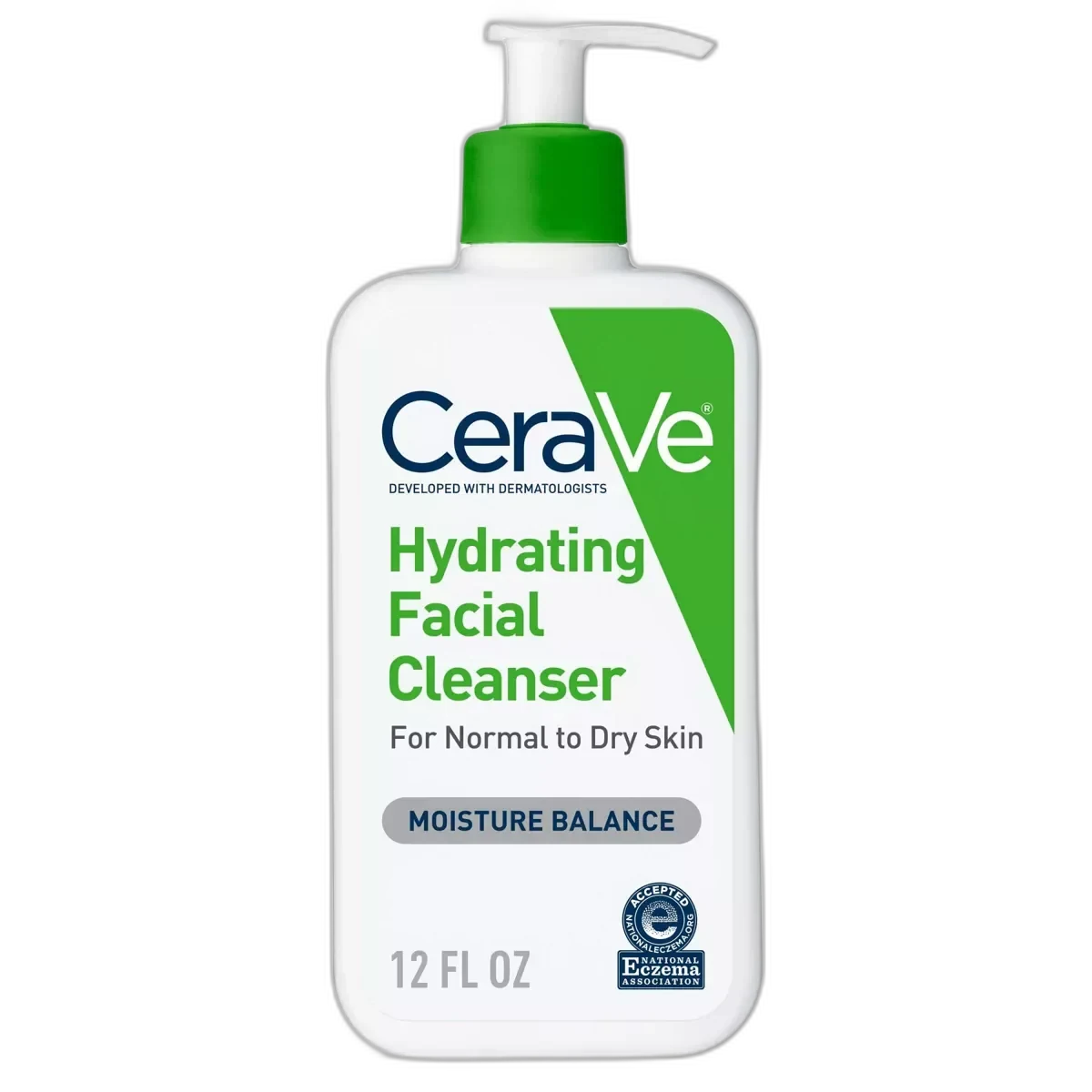
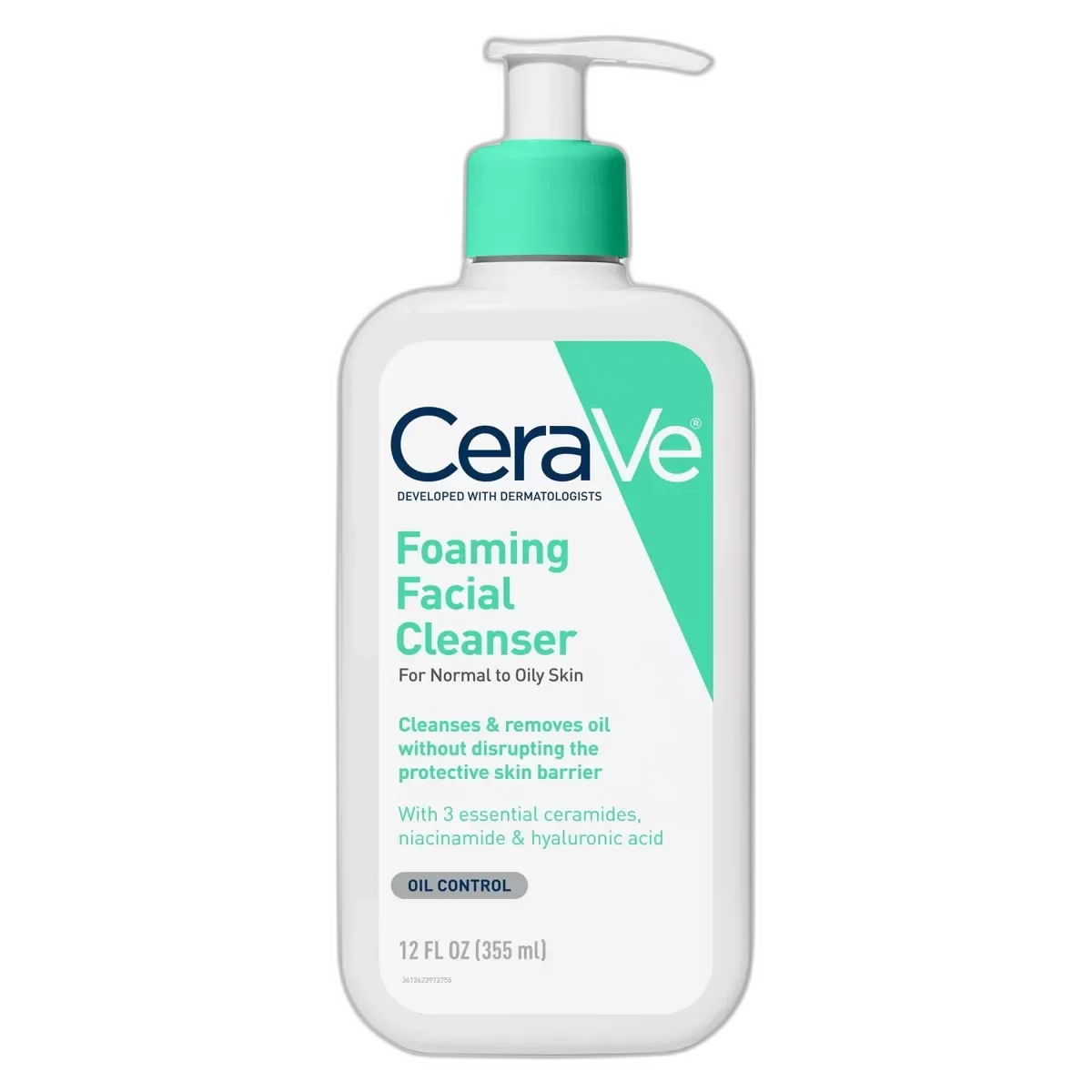
At twenty-nine dollars for five ounces, the pricing is moderate for prestige skincare but sits above drugstore alternatives like CeraVe and Cetaphil that offer similar gentle cleansing at roughly half the price. The Kiehl’s product offers a more elegant texture, the amino acid surfactant base, and squalane—but the question is whether those differences justify the premium for a product that rinses down the drain. For many, the answer depends on how sensitive their skin is and how much the daily cleansing experience matters.
Ingredient analysis.
Full INCI list
Aqua/Water/Eau, Glycerin, Sodium Cocoyl Glycinate, Sodium Chloride, Glycol Distearate, Disodium Laureth Sulfosuccinate, Citric Acid, Glyceryl Stearate, PEG-100 Stearate, Phenoxyethanol, Hydroxyacetophenone, Kaolin, Hydroxypropyl Starch Phosphate, Caprylyl Glycol, Acrylates Copolymer, Behenyl Alcohol, Magnesium Gluconate, Squalane, Trisodium Ethylenediamine Disuccinate, Panthenol
Skin match.
The science.
The Science
The Kiehl's Amino Acid Facial Cleanser is built around sodium cocoyl glycinate — an acyl amino acid surfactant derived from glycine (the simplest amino acid) and coconut-derived fatty acids. Research published in the International Journal of Cosmetic Science has demonstrated that amino acid surfactants cause significantly less disruption to the stratum corneum lipid organization compared to sodium lauryl sulfate (SLS), with one study showing a 40-60% reduction in protein denaturation and lipid extraction during cleansing.
The gentleness of amino acid surfactants stems from their molecular structure. Unlike SLS which aggressively penetrates into the intercellular lipid lamellae of the stratum corneum, acyl amino acid surfactants form larger, looser micelles that remove surface-level impurities without deeply penetrating the barrier's lipid matrix. A 2019 study published in Skin Research and Technology confirmed that cleansers based on amino acid surfactants preserved significantly more ceramide content in the stratum corneum after washing compared to conventional sulfate-based cleansers.
Squalane, included as a barrier-replenishing lipid, has a molecular structure nearly identical to squalene — a natural component of human sebum that makes up approximately 12% of skin surface lipids. Research in the Journal of Cosmetic Dermatology has shown that topical squalane application helps restore barrier function in compromised skin by integrating into the lipid matrix of the stratum corneum.
Panthenol (provitamin B5) converts to pantothenic acid in the skin, where it has been shown to accelerate barrier repair and reduce transepidermal water loss. A study published in the Journal of Dermatological Treatment demonstrated that panthenol-containing formulations improved skin barrier recovery after surfactant-induced damage.
References
- Comparative assessment of the effects of various cleansers on stratum corneum lipids — Skin Research and Technology (2019)
Dermatologist Perspective
Board-certified dermatologists increasingly recommend amino acid-based cleansers for patients with compromised barriers, eczema, rosacea, and post-procedure skin. Dermatologists note that the shift from sulfate to amino acid surfactants represents a meaningful improvement in daily skincare for sensitive populations — the cleansing is effective while the barrier disruption is significantly reduced. The fragrance-free, minimal-ingredient approach aligns with dermatological best practices for reactive skin. Dermatologists treating these conditions would consider this cleanser a safe daily option alongside prescription treatments, noting that the formulation avoids the common triggers (fragrance, sulfates, essential oils) that frequently cause flare-ups.
Where it fits in your routine.
Wet your face with lukewarm water. Squeeze a small amount of cream into your palms and rub your hands together to create a lather. Apply the foam to your face and neck, massaging in circular motions for 30-60 seconds. Rinse with lukewarm water and pat dry. Use morning and evening. On heavy makeup days, use an oil or balm cleanser first, then use this as your second cleanse.
At $29 for 5 fl oz ($5.80 per ounce), this sits between drugstore gentle cleansers ($3-4 per ounce) and luxury cleansers ($10+ per ounce). The price increase over drugstore alternatives comes from the amino acid surfactant technology, squalane inclusion, and the Kiehl's brand heritage. A 2.5 fl oz size is available for trial. For sensitive skin sufferers who failed with cheaper alternatives, the barrier-preserving technology justifies the cost. For those whose skin tolerates gentler drugstore options, the value is less compelling.
This cleanser works for sensitive, eczema-prone, rosacea-prone, or barrier-compromised skin seeking the gentlest daily option. It also suits users of strong actives (retinoids, prescription treatments) who need a cleanser that adds no irritation. It is ideal for minimalists who prefer a short, purposeful ingredient list.
Very oily skin types may find these gentle surfactants do not control oil enough. Budget-conscious shoppers who use CeraVe or Cetaphil without issues may not see enough difference to justify the higher price. This cleanser does not remove heavy makeup in one step.
Product details.
This soft white cream turns into a thick, dense foam when mixed with water. The cream-to-foam transition is smooth and creates a lather using gentle amino acid surfactants.
Unscented — no fragrance, no essential oils, and no detectable product odor. It works for maximum sensitivity.
Squeeze tube with a flip-top cap. The design is clean and functional, using the signature Kiehl's apothecary aesthetic. It comes in 2.5 fl oz and 5 fl oz sizes.
The first wash surprises — the cream-to-foam transformation creates more lather than expected from this gentle formula. Skin feels clean after rinsing without tightness or dryness. People switching from harsher cleansers notice the difference in skin comfort immediately.
2-3 months with twice-daily use on face and neck
12 months
All Year
The backstory.
Kiehl's has been an apothecary brand since 1851, and their Ultra Facial line has been a cornerstone of the brand for decades. The Amino Acid Facial Cleanser represents a modern reformulation of the cleanser concept, incorporating amino acid surfactant technology to address the growing consumer demand for genuinely barrier-friendly cleansing — born from the brand's pharmacy roots where gentle, skin-safe formulations were the standard.
About Kiehl's
Legacy Brand (20+ years)Kiehl's was founded in 1851 as an apothecary in New York City's East Village and has been formulating skincare for over 170 years. Now owned by L'Oréal, the brand maintains its pharmacy heritage with dermatologist-tested formulations and a commitment to ingredient transparency.
Common myths.
A cleanser foams aggressively to clean skin.
Foam volume does not correlate with cleansing efficacy. Amino acid surfactants produce moderate, dense foam and disrupt the stratum corneum less than high-foaming sulfates. Clinical testing confirms these surfactants remove dirt, makeup, and sunscreen without barrier damage.
Gentle cleansers leave residue because they do not clean effectively.
The 'squeaky clean' feeling from aggressive cleansers means lipid stripping occurred—your skin's natural oils are gone. A gentle cleanser that leaves skin comfortable instead of tight cleans effectively and preserves the protective lipid barrier.
FAQ.
What are amino acid surfactants and why are they better for sensitive skin?
Amino acid surfactants like sodium cocoyl glycinate come from amino acids (the building blocks of proteins) and coconut fatty acids. Their pH matches the skin's natural level and they disrupt the skin barrier less than traditional surfactants like SLS. This makes them ideal for sensitive, eczema-prone, or rosacea-affected skin.
Is Kiehl's Amino Acid Facial Cleanser safe for eczema and rosacea?
Yes — this cleanser works for sensitive skin, including eczema, rosacea, and psoriasis-prone skin. The fragrance-free, sulfate-free formula uses squalane and panthenol to support the skin barrier for reactive skin. However, always patch test new products if you have active skin conditions.
Can this cleanser remove makeup?
It removes light to moderate makeup, daily dirt, and sunscreen. For heavy, waterproof, or long-wear makeup, use an oil or balm cleanser first, then use this as your second cleanse for a gentle, thorough finish.
Is this cleanser fragrance-free?
Yes — it is fragrance-free. It contains no added fragrances, essential oils, or masking agents. This lack of scent-related ingredients makes it a safe option for fragrance-sensitive individuals.
How does Kiehl's Amino Acid Cleanser compare to CeraVe or Cetaphil?
All three are gentle, barrier-friendly cleansers. The Kiehl's formula uses amino acid surfactants, squalane, and panthenol. CeraVe features ceramides, and Cetaphil uses a different mild surfactant system. The Kiehl's version costs more but has a cream-to-foam texture. Choose based on ingredient preferences and budget.
Community
What the community says.
"Gentle cream-to-foam texture that does not strip the skin"
"Fragrance-free formula suitable for the most reactive skin types"
"Leaves skin feeling clean without tightness or dryness"
"Nice lather considering how gentle the surfactants are"
"May not feel cleansing enough for those accustomed to foaming cleansers"
"Price is higher than drugstore gentle cleansers"
"Not effective for removing heavy waterproof makeup alone"
"Some users wish it came in larger sizes"
Featured in.
People also looked at.