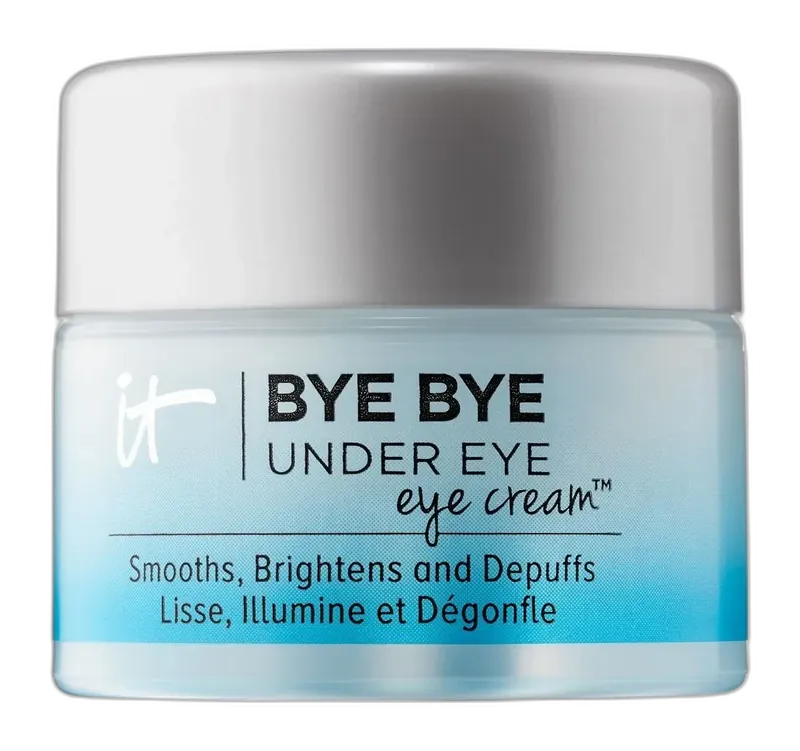
Bye Bye Under Eye Eye Cream
Luxury Drugstore Favorite
 Verified reviewer
Pros & cons.
- +Cushiony, pleasant texture with immediate hydration
- +Palmitoyl peptides provide real collagen-signaling support
- +Niacinamide at functional concentration supports barrier and mild brightening
- +Caffeine offers visible morning puffiness reduction
- +Ceramide NP adds meaningful barrier lipid support
- +Generally well-tolerated by most users
- +Strong sensory experience typical of luxury-drugstore positioning
- −Very expensive for 15ml compared to stronger-formulated competitors
- −Contains fragrance, limiting use for sensitive-eye users
- −Retinyl palmitate is the weakest retinoid form and largely cosmetic
- −Colloidal platinum inclusion reads as marketing rather than efficacy
- −Shea butter content makes it unsuitable for fungal-acne-prone skin
The full review.
IT Cosmetics started as a makeup brand, which matters more than the skincare marketing lets on. Jamie Kern Lima, the former news anchor who founded the brand in 2008, built it around a specific problem: she had rosacea, and the heavy, silicone-forward, inadequately pigmented makeup products on the market in the mid-2000s couldn’t cover her redness without making everything worse. She partnered with plastic surgeons and dermatologists, developed the original Bye Bye Under Eye concealer as a flagship product, and grew the brand by showing on QVC how the makeup looked on real women with real skin problems. When L’Oréal acquired IT in 2016, the brand had built a substantial following around the idea that cosmetics could be developed with clinicians in mind. The skincare line that followed — including this eye cream — inherited that positioning: gentle, cushiony, dermatologist-collaborated, and priced at the upper end of Sephora mass-prestige where brands like Drunk Elephant, Supergoop, and Farmacy live.
The product itself is a reasonably thoughtful formulation that takes a conservative approach to under-eye care. Palmitoyl tripeptide-1 and palmitoyl tetrapeptide-7 provide the peptide signaling story — these are real peptides with published research supporting collagen synthesis and inflammatory modulation, though the clinical evidence at the concentrations typical of cosmetic formulations is more suggestive than definitive. Niacinamide sits high in the INCI at what is likely 2-4%, providing the evidence-backed supporting ingredient that does most of the real work in the formula: barrier support, mild brightening, and anti-inflammatory effects. Caffeine adds a short-term vasoconstriction benefit that helps with morning puffiness in ways users can usually see. Hydrolyzed collagen is a humectant and film-former rather than a skin-building ingredient — it provides immediate cosmetic smoothing, not long-term collagen synthesis. Ceramide NP, shea butter, hyaluronic acid, and panthenol round out the barrier and hydration support. The formulation is reasonable. It’s not innovative.
Where the product earns its ingredients list some side-eye is in the inclusions that feel more decorative than functional. Colloidal platinum is included, presumably as a luxury marker — there is no meaningful evidence that topical platinum contributes to skincare outcomes, and its presence here reads as marketing. Retinyl palmitate, the weakest retinoid form, converts to retinoic acid at a fraction of the rate of retinol or retinal, and its inclusion at the concentrations typical of this kind of cream makes it effectively cosmetic rather than active. Ascorbyl palmitate is a vitamin C derivative that has limited evidence for the benefits associated with L-ascorbic acid. Silk amino acids, camellia leaf extract, cucumber extract, and arnica are gentle botanicals that contribute mild soothing but don’t drive meaningful anti-aging change. None of these are problematic, but they’re the kind of ingredients that make the marketing copy more impressive than the actual efficacy profile.
The experience, to be fair, is where the product mostly succeeds. The cream applies like a well-made luxury moisturizer — rich, cushioned, warm on contact, absorbing into a dewy, plumped finish that immediately softens the look of dryness lines under the eyes. That immediate effect isn’t deep anti-aging work, but it’s a real cosmetic benefit, especially for users with dehydration-driven crepiness, morning dryness, or general under-eye fatigue. Over weeks of consistent use, the peptides and niacinamide contribute gradually to a smoother, more even under-eye area. The caffeine provides some puffiness relief that’s visible on application. The fragrance is pleasant — a light floral-rose — though its inclusion limits the product for anyone with fragrance-sensitive eye skin or periocular eczema. Most users report no irritation, and the product is generally safe for sensitive skin that can tolerate fragrance.
The value conversation is the hardest part of this review. At forty-eight dollars for 15ml, this is premium Sephora pricing for a moderately-formulated eye cream. CeraVe Eye Repair Cream contains ceramide and peptide support for under twenty dollars. The Ordinary Caffeine Solution delivers a stronger caffeine dose for around seven dollars. Paula’s Choice Resist Anti-Aging Eye Cream offers a more active-dense formulation at a similar or lower price. Olay Regenerist Micro-Sculpting Eye Cream has stronger niacinamide and peptide content for a fraction of the cost. If you’re shopping purely on ingredient-per-dollar value, the IT Cosmetics cream doesn’t compete. What it does offer is the sensory experience, the brand’s gentle-formulation reputation, and the Sephora pickup convenience — three things that legitimately matter to some users but don’t justify the price for users who prioritize active content. If you love the texture, you’ve tried cheaper options and found them wanting, and you appreciate the IT Cosmetics brand story, this is a fine product. If you’re primarily buying on efficacy, there are clearer options available.
Ingredient analysis.
Full INCI list · pH 6
Water, Glycerin, Dimethicone, Isononyl Isononanoate, Cetearyl Alcohol, Caprylic/Capric Triglyceride, Butyrospermum Parkii (Shea) Butter, Cetyl Alcohol, Peg-100 Stearate, Glyceryl Stearate, Niacinamide, Palmitoyl Tripeptide-1, Palmitoyl Tetrapeptide-7, Caffeine, Hydrolyzed Collagen, Hyaluronic Acid, Sodium Hyaluronate, Tocopheryl Acetate, Retinyl Palmitate, Ascorbyl Palmitate, Panthenol, Colloidal Platinum, Silk Amino Acids, Hydrolyzed Silk, Ceramide NP, Bisabolol, Allantoin, Centella Asiatica Extract, Camellia Sinensis Leaf Extract, Cucumis Sativus (Cucumber) Fruit Extract, Arnica Montana Flower Extract, Ppg-5-Ceteth-20, Dimethiconol, Carbomer, Triethanolamine, Phenoxyethanol, Disodium EDTA, Fragrance, CI 77891, CI 77492
Skin match.
The science.
The Science
The ingredients range from well-established to limited in evidence. Palmitoyl tripeptide-1 (also known as Matrixyl) and palmitoyl tetrapeptide-7 have research showing they signal collagen synthesis and reduce inflammatory markers, though clinical evidence is strongest at higher concentrations than typical cosmetic levels. Niacinamide at 2-5% has extensive peer-reviewed research supporting barrier improvement, reduced transepidermal water loss, brightening, and anti-inflammatory benefits. Caffeine acts as a topical vasoconstrictor; research shows it temporarily reduces under-eye puffiness and affects microcirculation, but these effects are cosmetic and short-term rather than structural. Ceramide NP has established evidence for barrier lipid replacement. Hyaluronic acid provides documented humectant effects. Other ingredients have weaker evidence: retinyl palmitate converts to retinoic acid at about 10% the efficiency of retinol, so low cosmetic concentrations produce minimal active effect; ascorbyl palmitate is a fat-soluble vitamin C derivative with less evidence than L-ascorbic acid; hydrolyzed collagen works as a topical film-former instead of a collagen-builder; and colloidal platinum lacks substantial published evidence for topical skincare benefits beyond marketing. The peptides, niacinamide, caffeine, and ceramide drive the formulation's efficacy; the rest is supportive at best.
Dermatologist Perspective
Dermatologists see products like this as reasonable but not clinically exceptional. The peptide, niacinamide, caffeine, and ceramide combination is a standard template for gentle anti-aging eye creams, and the formulation is safe and tolerable for most patients. Board-certified dermatologists note that eye creams mostly function as gentler, more hydrating versions of ingredients found in face creams; premium pricing often reflects packaging, marketing, and brand positioning rather than unique active content. Dermatologists caution that topical products cannot fix anatomical dark circles, tear trough hollowness, or severe structural aging—in-office procedures or injectable treatments work better for those concerns than any topical cream.
Where it fits in your routine.
Apply a rice-grain-sized amount per eye every morning and evening after cleansing and serums, but before moisturizer. Use your ring finger to tap the cream around the orbital bone. Avoid the lash line and direct eye contact. Work from the inner corner outward. You can wear this under makeup; let it absorb for 1-2 minutes before applying concealer. Always use sunscreen in the morning because the under-eye area is vulnerable to photoaging.
At $48 for 15ml, this eye cream has premium Sephora pricing despite cheaper alternatives with matching active ingredients. Drugstore competitors like CeraVe Eye Repair Cream, Olay Regenerist Eye Cream, and The Ordinary Caffeine Solution offer similar or stronger active content for half to a quarter of the price. Paula's Choice and Timeless provide mid-price alternatives with more active-dense formulations. The IT Cosmetics premium price buys the sensory experience, brand trust from the clinical-collaboration origin story, and Sephora convenience — valid but price-sensitive benefits. This is not the best choice for users prioritizing value per active; for users who want the specific texture and brand experience, the premium is defensible.
Users who prioritize texture, sensory experience, and gentle formulation over maximum active content. It works for dry, dehydrated, or mature skin around the eyes, relieves morning puffiness, and suits anyone who loves the IT Cosmetics brand and wants the skincare extension of their favorite concealer.
Budget-conscious users, fragrance-sensitive people, and those prioritizing ingredient-per-dollar value. Drugstore and mid-tier active-forward alternatives offer more efficacy for less money. People with fungal-acne-prone skin should skip this because of the shea butter content.
Product details.
Thick, cushiony cream that warms on skin and leaves a cushioned, slightly dewy finish
Light floral-rose fragrance — pleasant but noticeable
15ml tube with nozzle tip — hygienic and reasonable for an eye cream format
Applies smoothly and hydrates immediately. Skin looks plumper and slightly smoother within one minute. It does not sting or tingle.
About 3-4 months with twice-daily use
12 months
All Year
The backstory.
IT Cosmetics was founded in 2008 by former news anchor Jamie Kern Lima, who struggled to find rosacea-friendly color cosmetics and partnered with plastic surgeons and dermatologists to develop the brand's original makeup line. L'Oréal acquired IT in 2016, and the brand has since extended into skincare including this eye cream. The 'Bye Bye' naming convention comes from the brand's bestselling Bye Bye Under Eye concealer — this cream is positioned as the skincare complement.
About IT Cosmetics
Established Brand (5–20 years)Jamie Kern Lima, a former news anchor, founded IT Cosmetics in 2008. She built the brand using rosacea-friendly color cosmetics developed with plastic surgeons and dermatologists. L'Oréal acquired the brand in 2016. Its skincare extensions use L'Oréal's research pipeline and the original clinical-collaboration positioning.
Common myths.
Eye creams require different ingredients than face creams.
Texture and fragrance sensitivity drive the main difference. Eye skin is thinner, so gentler formulations work better, but many 'eye cream' ingredients work well in face products. You often pay for the format and targeted marketing rather than unique ingredient science.
FAQ.
Does IT Cosmetics Bye Bye Under Eye Eye Cream work for dark circles?
Partially. niacinamide and caffeine address pigmentation-driven dark circles and morning puffiness, but topical products won't fix dark circles from anatomical hollowness, thin skin showing blood vessels, or genetics. Manage expectations.
About the Fragrance
Yes, the formula includes fragrance. People with confirmed fragrance sensitivity, eczema around the eyes, or severe sensitivity should use a fragrance-free eye cream instead.
Retinol Compatibility
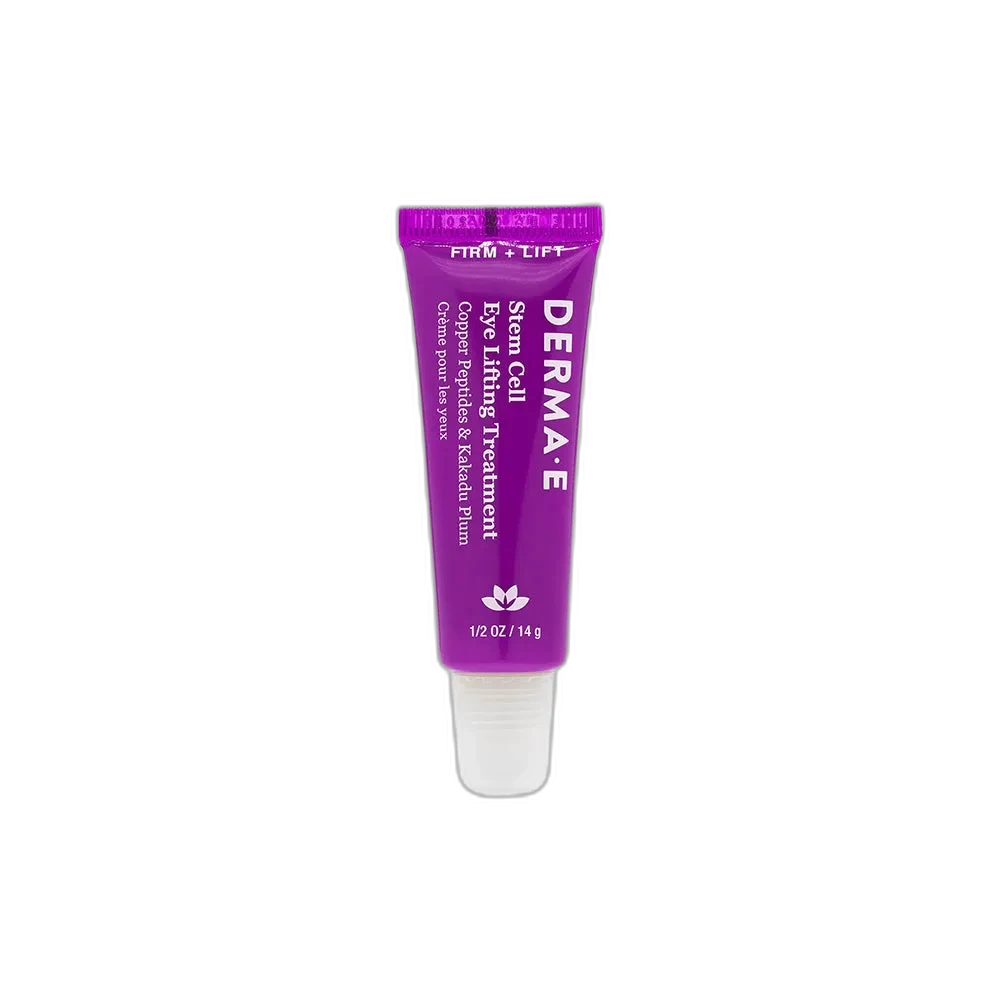
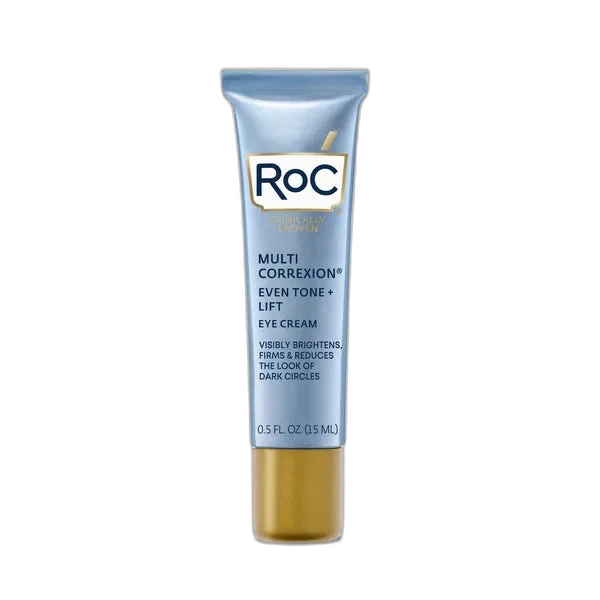
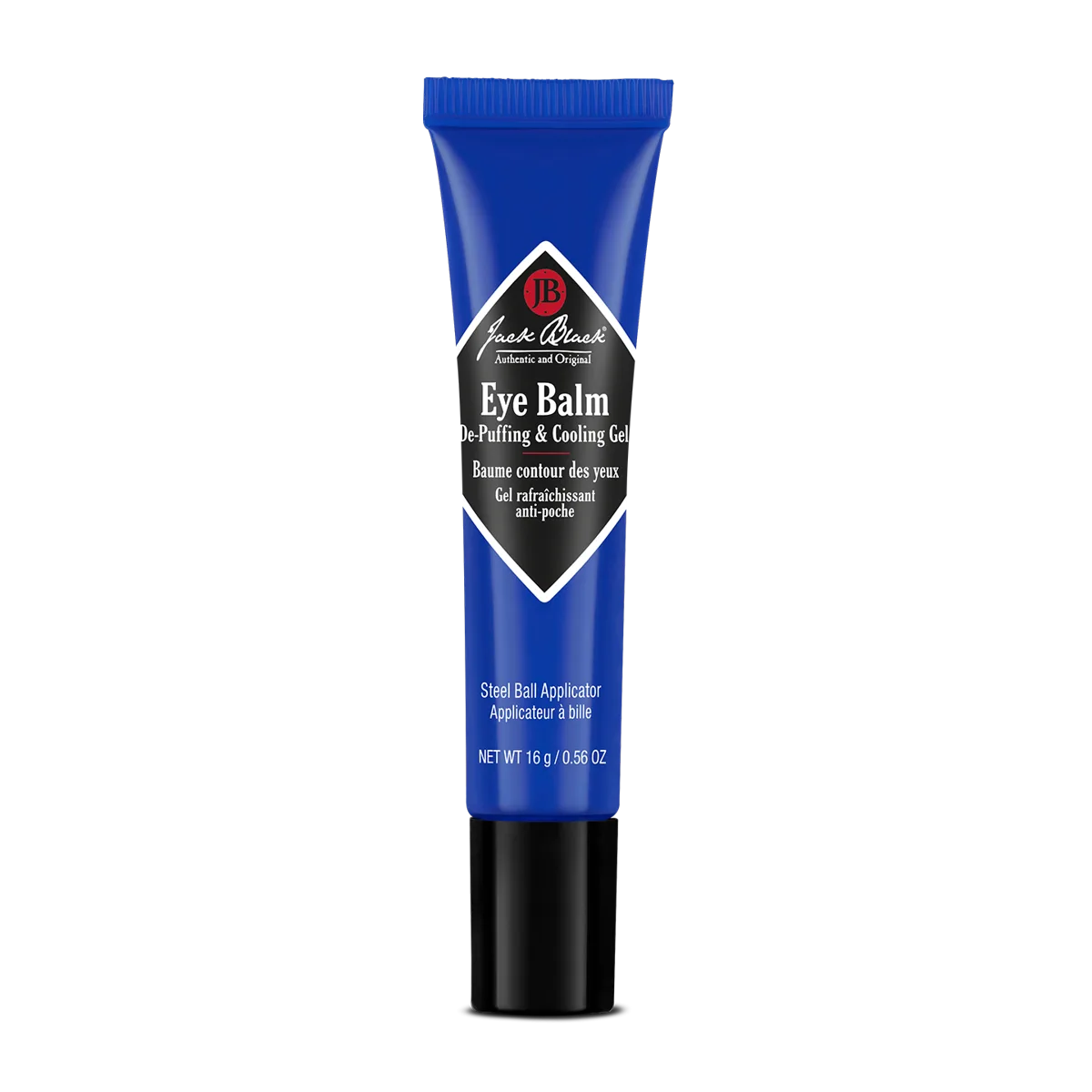
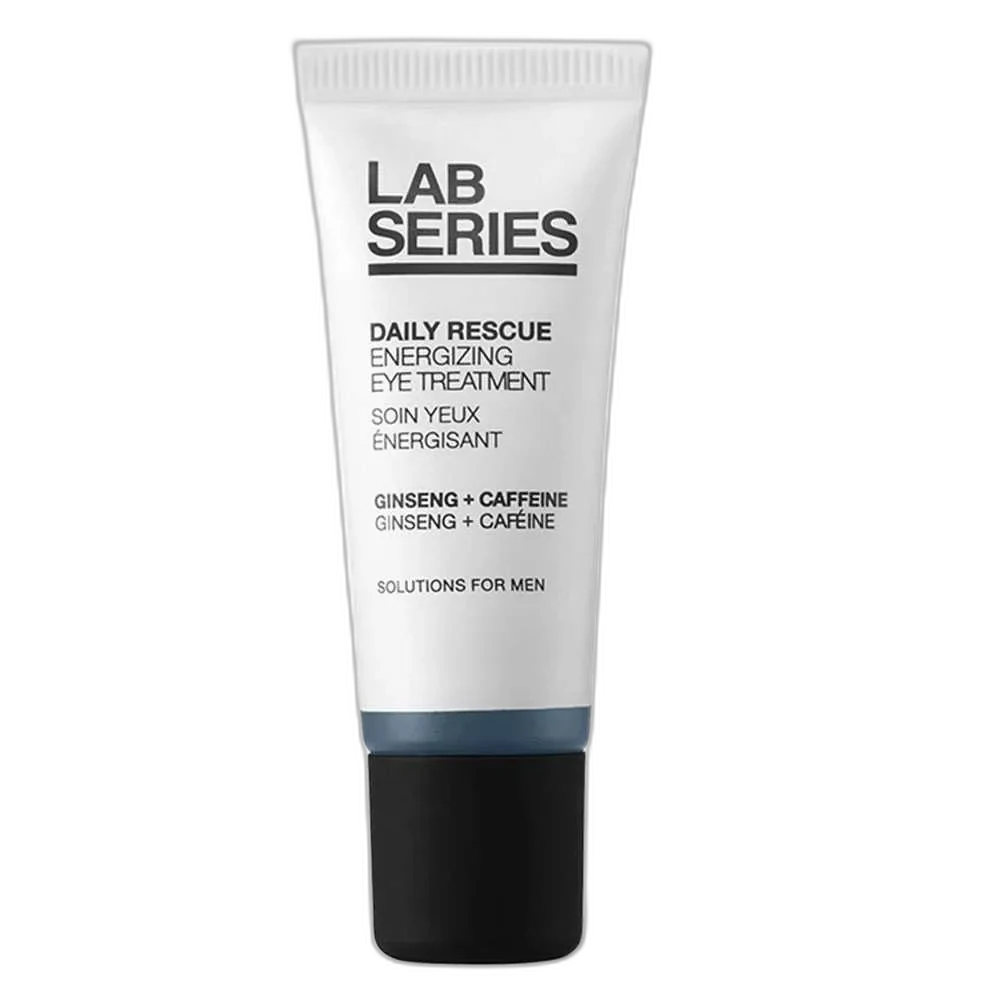
Yes — this cream buffers the delicate under-eye area during retinol use because it has ceramide, peptides, and soothing ingredients. Apply your retinol first (avoid the immediate eye area if you're sensitive), let it absorb, then apply this cream.
Face Moisturizer vs. Eye Cream
Not dramatically. The texture is slightly thicker and gentler than most face creams, the fragrance is milder, and the peptide-and-caffeine profile is targeted. If your regular moisturizer already has peptides and ceramides, you may not need a separate eye cream.
Retinyl Palmitate Effectiveness
Retinyl palmitate is the weakest retinoid; it converts to retinoic acid much less efficiently than retinol or retinal. Its presence in this cream is more marketing than meaningful active content. For real retinoid benefits around the eyes, use a dedicated retinol eye cream.
Value for Money
It depends on your priorities. For an immediate-effect, cushiony, gentle eye cream with a pleasant sensory experience, it is a reasonable choice. For actives-driven anti-aging results per dollar, CeraVe, The Ordinary, or Paula's Choice offer cheaper alternatives that deliver more for less.
Community
What the community says.
"Rich cushiony texture"
"Immediate hydration and smoothing"
"Non-irritating for most users"
"Pleasant to apply"
"Very expensive for 15ml"
"Contains fragrance"
"Active ingredients are mostly in small quantities"
"Retinyl palmitate is a weak retinoid form"
People also looked at.