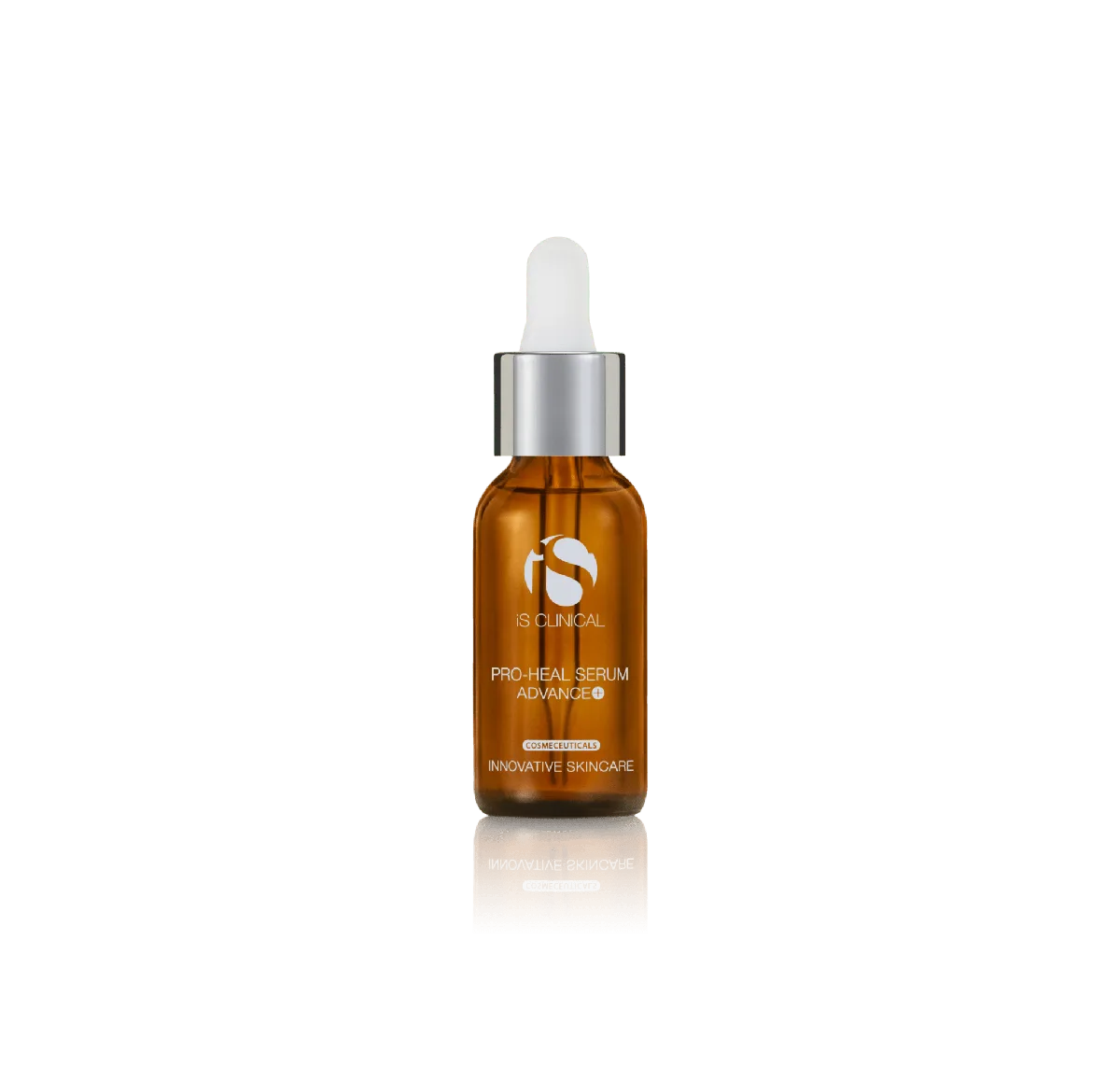
Pro-Heal Serum Advance+
Clinical Vitamin C Gold Standard
 Verified reviewer
Pros & cons.
- +15% L-ascorbic acid at the clinically validated concentration for photoprotection and collagen synthesis
- +CE antioxidant network with vitamin E provides synergistic free radical defense backed by decades of research
- +Multi-pathway approach treats aging, hyperpigmentation, and inflammation simultaneously
- +Zinc sulfate and olive leaf extract add anti-inflammatory dimension rare in vitamin C serums
- +Arbutin provides tyrosinase inhibition for targeted dark spot treatment alongside vitamin C brightening
- +Absorbs rapidly with no greasy or tacky residue, sits perfectly under sunscreen
- +Over two decades of professional-channel validation in dermatology offices
- −At $177 per ounce, one of the most expensive vitamin C serums on the market
- −Contains denatured alcohol which can be drying for compromised or dry skin types
- −Six-month PAO requires consistent daily use to justify the cost before degradation
- −Not pregnancy-safe due to retinol content
- −Can cause stinging on freshly cleansed or sensitized skin
The full review.
The name says it all. This is not a brightening, glow, or radiance serum. It is a pro-heal serum, and iS Clinical’s intent is clear in that clinical framing. While most vitamin C products market themselves as the aesthetic step in a morning routine to make skin look lit from within, Pro-Heal Serum Advance+ targets skin repair rather than just a filter.
The formula uses 15% L-ascorbic acid, the pure, most-researched form of vitamin C. Decades of dermatological research validate this concentration for collagen stimulation and photoprotection. Pro-Heal Serum Advance+ is unusual because of its supporting ingredients. Tocopherol (vitamin E) creates the classic CE antioxidant network, a well-documented benchmark for topical antioxidant efficacy. The formula also adds retinol for cell turnover, arbutin for tyrosinase inhibition, zinc sulfate for anti-inflammatory action, olive leaf extract for polyphenol defense, and bioflavonoids for extra antioxidant layering.
Pro-Heal Serum Advance+ is a comprehensive treatment formula that leads with vitamin C. Each active addresses specific skin damage: vitamin C and E neutralize free radicals, retinol handles cellular renewal, arbutin targets pigmentation, and zinc sulfate manages inflammation. This multi-pathway approach meets the needs of dermatologists treating patients with concurrent sun damage, acne, and hyperpigmentation in one bottle.
Pro-Heal Serum Advance+ applies as a light, slightly golden liquid that absorbs fast. A brief tingle is standard for 15% L-ascorbic acid and is not a concern unless it persists. The product absorbs fully within ninety seconds with no residue. It leaves no stickiness or film and does not interfere with subsequent products. It sits perfectly under sunscreen.
Denatured alcohol in the formula serves two purposes: it enhances L-ascorbic acid penetration and acts as a quick-drying agent for the fast-absorbing texture. Because the formula also contains glycerin and hyaluronic acid, the alcohol likely won’t cause net dehydration for most skin types. However, those with dry or compromised barriers should consider this, as the serum suits normal, oily, and combination skin better.
Results follow the expected timeline for 15% L-ascorbic acid. A subtle brightening effect appears from day one, caused partly by the vitamin C and partly by the formula’s pH creating mild surface exfoliation. Skin tone evens out noticeably over two to three weeks as dark spots fade. By the eight to twelve week mark, the retinol component shows results: smoother texture, softened fine lines, and improved skin quality beyond surface glow.
The anti-inflammatory properties are notable. Zinc sulfate and olive leaf extract give Pro-Heal Serum Advance+ a calming effect most vitamin C serums lack. Users with acne-prone skin often avoid vitamin C to prevent breakouts, but this formula helps manage inflammation while treating post-acne dark spots. It is one of the few vitamin C serums that addresses both aging and acne concerns.
The limitations are clear. At $177 for one ounce, this is one of the most expensive vitamin C serums. The denatured alcohol makes it a poor choice for sensitized or barrier-compromised skin. The retinol content makes it unsafe for pregnancy. The six-month PAO (period after opening) requires consistent use to ensure the L-ascorbic acid does not degrade before you finish the bottle.
As a clinical product, Pro-Heal Serum Advance+ is used in dermatology offices, medical spas, and professional routines. Two decades on the market and continued loyalty from the professional channel prove its efficacy. Whether a consumer needs this level of formulation sophistication—and wants to pay this premium—depends on the complexity of their skin concerns.
Ingredient analysis.
Full INCI list
Water/Aqua/Eau, Ascorbic Acid, Laureth-4, Alcohol Denat., Pentylene Glycol, Propylene Glycol, Olea Europaea (Olive) Leaf Extract, Zinc Sulfate, Tocopherol, Polyporus Umbellatus (Mushroom) Extract, Arbutin, Glycerin, Bioflavonoids, Retinol, Polysorbate 20, Phenoxyethanol
Skin match.
The science.
The Science
Pro-Heal Serum Advance+ uses the CE antioxidant network, a highly researched topical skincare combination. A 2003 study by Sheldon Pinnell and colleagues in the Journal of the American Academy of Dermatology showed that 15% L-ascorbic acid and 1% alpha-tocopherol provide more photoprotection than either vitamin alone. This combination reduces UV-induced erythema and sunburn cell formation by about fourfold compared to vitamin C alone.
Arbutin acts as a tyrosinase inhibitor to target hyperpigmentation. Research in the Journal of Pharmacy and Pharmacology (1996) established that arbutin competitively inhibits tyrosinase activity without the cytotoxicity of hydroquinone, making it a safer long-term brightening agent. In this formula, arbutin works with L-ascorbic acid. While vitamin C disrupts melanin synthesis at the tyrosinase copper-binding site, arbutin blocks the enzyme's catalytic activity for dual-mechanism pigment control.
Zinc sulfate adds anti-inflammatory and antimicrobial properties. Studies in Dermatologic Therapy document zinc's ability to reduce inflammatory acne lesions by affecting P. acnes bacteria and inflammatory cytokine modulation. In this formula, zinc sulfate connects anti-aging and anti-acne treatment—a dual-purpose positioning supported by ingredient evidence.
Olea europaea (olive) leaf extract contains oleuropein, a secoiridoid with antioxidant capacity that exceeds vitamin E in some assay systems. Its anti-inflammatory and antimicrobial properties complement the zinc sulfate, adding a botanical anti-inflammatory layer to the vitamin-based antioxidant network.
References
- A topical antioxidant solution containing vitamins C and E stabilized by ferulic acid provides protection for human skin against damage caused by ultraviolet irradiation — Journal of the American Academy of Dermatology (2008)
- Inhibitory effect of arbutin on melanogenesis—biochemical study using cultured B16 melanoma cells — Journal of Pharmacy and Pharmacology (1996)
Dermatologist Perspective
Dermatologists often recommend Pro-Heal Serum Advance+ for patients with concurrent photodamage, hyperpigmentation, and acne—concerns that usually require multiple products. Board-certified dermatologists note the 15% L-ascorbic acid concentration is in the clinically validated range for collagen stimulation. The addition of retinol, arbutin, and zinc sulfate creates a profile that addresses multiple skin damage pathways. Clinicians use this product in post-procedure protocols. It is especially useful for patients with medium to darker skin tones managing post-inflammatory hyperpigmentation, as the dual brightening mechanisms of vitamin C and arbutin offer complementary benefits.
Where it fits in your routine.
Apply 3-4 drops to clean, dry skin every morning. Press with fingertips into the face and neck, avoiding the immediate eye area. Wait 1-2 minutes for full absorption before you apply moisturizer and sunscreen. A brief tingling sensation is normal. If you use it in the evening, do not layer with additional retinoid products. Store in a cool, dark place and use within six months of opening.
At $177 for 1 fl oz, Pro-Heal Serum Advance+ costs a lot, even for clinical skincare. A 0.5 fl oz size at $104 provides a trial but costs more per ounce. The value comes from the multi-active formula, which replaces separate vitamin C, retinol, and brightening serums. For patients already paying for professional skincare and in-office treatments, the extra cost for one serum that treats multiple concerns makes sense. The six-month PAO creates urgency—at 3-4 drops daily, a 1 oz bottle lasts about three months, so you must buy roughly two bottles within the shelf life to avoid waste.
Adults with sun damage, hyperpigmentation, or post-inflammatory dark spots seeking clinical-grade treatment for multiple concerns in one step. This works best for normal to oily skin types that tolerate active formulas and want professional-level results.
Denatured alcohol and high-potency actives can irritate dry, sensitized, or barrier-compromised skin. The retinol content makes this product unsuitable during pregnancy or nursing. This formulation does not meet needs focused on hydration rather than treatment.
Product details.
No added fragrance. It has a faint metallic-vitamin scent common in L-ascorbic acid formulations that dissipates quickly. ***
A frosted glass bottle uses a dropper cap. This opaque glass protects the light-sensitive L-ascorbic acid and retinol from degradation. ***
A mild tingling or warmth is common during the first application. This is the L-ascorbic acid working and is not a concern unless it lasts more than a few minutes. The product absorbs in 60-90 seconds and leaves skin with an immediate subtle glow. ***
2-3 months with daily application of 3-4 drops to face and neck ***
6 months ***
All Year ***
The backstory.
Pro-Heal Serum Advance+ was developed by iS Clinical's biochemistry team to serve a gap they saw in clinical skincare: vitamin C serums that could do more than just protect. By combining the CE antioxidant network with retinol, arbutin, and anti-inflammatory botanicals, they created a serum that dermatologists could recommend for patients dealing with multiple concerns simultaneously — sun damage, aging, acne, and post-inflammatory hyperpigmentation.
About iS Clinical
Established Brand (5–20 years)iS Clinical was founded in 2002 by biochemists Bryan Johns and Alec Call under the Innovative Skincare umbrella. The brand is widely used in dermatology offices and medical spas, with multiple peer-reviewed clinical studies supporting its formulations. Products are pharmaceutical-grade and free from parabens, phthalates, and sulfates.
Common myths.
Vitamin C and retinol cancel each other out if used together.
This myth is false. Vitamin C and retinol use different mechanisms: vitamin C is an antioxidant that neutralizes free radicals, while retinol stimulates cell turnover. They complement each other rather than contradict. This formula delivers both safely.
If a vitamin C serum stings, it's too strong for your skin.
A brief tingle from 15% L-ascorbic acid is normal and shows the formula's active pH. Persistent stinging or burning means you are applying the product to a compromised barrier — let the barrier heal before reintroducing.
FAQ.
What percentage of vitamin C is in iS Clinical Pro-Heal Serum Advance+?
Pro-Heal Serum Advance+ contains 15% L-ascorbic acid. This falls within the clinically validated 10-20% range that provides antioxidant protection and collagen stimulation. This concentration uses vitamin E to form the CE antioxidant network documented in photoprotection research.
Can I use Pro-Heal Serum Advance+ with other retinol products?
Layer this serum with caution. Because it contains retinol, adding another retinoid can cause irritation and peeling. If you use a separate retinoid, use Pro-Heal in the morning and your retinoid at night to avoid overloading the skin.
Is the denatured alcohol in this serum harmful to skin?
Denatured alcohol at this concentration acts as a penetration enhancer and quick-drying agent. It can dry out some skin types, especially dry or compromised skin, but the formula also contains glycerin and hyaluronic acid to offset moisture loss. People with very dry or sensitized skin should start with a patch test.
Should I use Pro-Heal Serum morning or night?
Use this in the morning for vitamin C's antioxidant protection against UV and environmental damage. The 15% L-ascorbic acid and vitamin E work together to boost your sunscreen's photoprotective capacity. Apply before moisturizer and sunscreen.
Is iS Clinical Pro-Heal Serum safe during pregnancy?
iS Clinical recommends consulting a physician before use if pregnant or nursing. The formula contains retinol, which doctors generally advise against during pregnancy. Your dermatologist can suggest pregnancy-safe vitamin C alternatives.
What the community says.
"Visibly brighter and more even skin tone within weeks"
"Absorbs quickly without greasy residue despite oil-free formula"
"Effective for calming acne-related inflammation and redness"
"Five-year loyalists report consistently glowing, smooth skin"
"Very expensive at $177 per ounce"
"Contains denatured alcohol which concerns some users"
"Can cause stinging on freshly cleansed or compromised skin"
"Some users report it clogged their pores"
People also looked at.